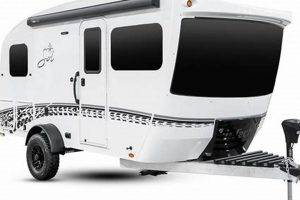
A recreational vehicle constructed by an individual, rather than purchased pre-built from a manufacturer, allows for customization tailored to specific needs. This undertaking typically involves converting an existing trailer frame or building a new structure from raw materials, incorporating living amenities. For example, an individual might repurpose a cargo trailer into a fully functional living space complete with sleeping quarters, a kitchenette, and a toilet.
The appeal of this approach stems from several factors, including cost savings, personalization, and the satisfaction of creating a unique and functional living space. Historically, this approach has been favored by individuals seeking cost-effective travel solutions or those with specialized requirements not readily available in commercial models. The practice promotes resourcefulness and adaptability, allowing travelers to design solutions that meet their exact specifications.
The following sections will delve into the critical aspects of this process, outlining structural considerations, essential systems integration, and legal compliance requirements. Understanding these key elements is crucial for the successful completion of a safe and functional mobile living space.
Essential Construction Guidelines
The following provides critical guidelines to ensure the structural integrity and safety of a self-constructed recreational vehicle. Adherence to these points can mitigate potential hazards and enhance the overall longevity of the mobile dwelling.
Tip 1: Chassis Reinforcement: Prior to commencing construction, a thorough inspection and reinforcement of the trailer chassis is paramount. Address any signs of rust, fatigue, or structural weakness. Consider adding additional support beams or crossmembers to accommodate the added weight of the living structure.
Tip 2: Weight Distribution Management: Implement a strategic weight distribution plan. Position heavy components, such as water tanks and batteries, over or slightly forward of the axle(s). Uneven weight distribution can lead to instability during transit and premature wear on tires and suspension components.
Tip 3: Weatherproofing and Sealing Techniques: Employ robust weatherproofing methods to protect the interior from moisture damage. Utilize high-quality sealants and membranes around windows, doors, and roof penetrations. Periodic inspections and maintenance of seals are essential.
Tip 4: Electrical System Grounding and Protection: Establish a comprehensive grounding system for all electrical components. Utilize appropriately sized wiring and circuit breakers to prevent overloads and electrical fires. A professional electrician should review the system to confirm safety and compliance.
Tip 5: Plumbing System Freeze Protection: Implement measures to prevent freezing of water lines in cold climates. Insulation of pipes and the use of heating tapes can mitigate the risk of burst pipes. Consider incorporating a water tank heating system for extended cold-weather use.
Tip 6: Ventilation and Air Quality: Ensure adequate ventilation to prevent the buildup of moisture and pollutants. Install roof vents, windows that open, and consider a powered ventilation system to maintain air quality and reduce condensation.
Tip 7: Secure Fastening Methods: Utilize appropriate fasteners, such as bolts, screws, and adhesives, to secure all components. Ensure that fasteners are compatible with the materials being joined and are capable of withstanding the vibrations and stresses associated with travel.
Following these construction guidelines will significantly improve the safety, durability, and longevity. Diligence in these areas translates to a more reliable and enjoyable travel experience.
With these critical guidelines addressed, the article will next discuss essential systems integration, focusing on the practical considerations for electrical, plumbing, and heating/cooling systems.
1. Chassis integrity

Chassis integrity constitutes the foundational element for any recreational vehicle constructed independently. It is the literal base upon which the entire structure rests, bearing the cumulative weight of the living space, occupants, and all onboard systems. Compromised integrity in this area presents a significant safety hazard, potentially leading to structural failure during transit. For example, a chassis exhibiting rust or fatigue without adequate reinforcement could buckle under the combined stress of weight and road vibrations, resulting in catastrophic collapse. Therefore, evaluating and reinforcing the chassis is not merely a suggestion but a necessity.
A real-world demonstration of the importance of chassis evaluation comes from observing repurposed commercial trailers used in mobile businesses. Many food trucks, for instance, are built on pre-existing trailer frames. The operators often reinforce the chassis to accommodate the heavy cooking equipment and increased weight load. Neglecting this reinforcement results in premature wear, frame cracking, and potential axle failure. The same principle applies to recreational vehicle construction; meticulous attention to chassis strength and resilience is critical for longevity and safety.
In summary, ensuring the chassis’ structural soundness is paramount. Neglecting this foundational step compromises the entire project, creating a mobile dwelling that is unsafe and prone to failure. Addressing existing weaknesses through welding, reinforcement, or replacement, as needed, establishes a solid base, ensuring the safety and longevity of the self-constructed recreational vehicle. This process contributes directly to minimizing risk and maximizing the utility of the final product.
2. Electrical systems

Electrical systems are a core component of any self-built recreational vehicle, providing power for lighting, appliances, and various amenities, thereby influencing the habitability and functionality of the mobile dwelling. The design and implementation of these systems require a thorough understanding of electrical principles, safety standards, and applicable codes.
- Power Source Selection
Determining the primary power source is fundamental. Options include shore power (external electrical grid), generators, solar panels, and battery banks. The selection process depends on usage patterns, budget, and environmental considerations. For example, individuals who frequently stay in campgrounds with electrical hookups might prioritize shore power capabilities, while those who prefer off-grid camping may invest heavily in solar panels and battery storage.
- Wiring and Circuit Protection
Proper wiring is crucial for safety and efficiency. The gauge of wiring must be appropriate for the amperage it will carry, and all circuits must be protected by fuses or circuit breakers to prevent overloads and electrical fires. For instance, a dedicated circuit with appropriately sized wiring and a circuit breaker is essential for a high-power appliance like an air conditioner. Neglecting these precautions can lead to dangerous overheating or electrical failure.
- Inverters and Converters
Inverters convert direct current (DC) power from batteries into alternating current (AC) power for standard household appliances. Converters perform the opposite function, converting AC power from shore power or a generator into DC power to charge batteries and operate DC appliances. Selecting the correct inverter and converter sizes is vital to meet the power demands of the recreational vehicle. An undersized inverter may be unable to power certain appliances, while an oversized converter can lead to inefficient charging.
- Safety Grounding and Bonding
Establishing a robust grounding and bonding system is essential for preventing electrical shock hazards. All metallic components, including the chassis, appliances, and electrical enclosures, should be properly grounded to a common grounding point. This measure ensures that any stray current will safely dissipate to ground, minimizing the risk of electrical shock. Omission of proper grounding and bonding is a severe safety hazard that must be avoided.
These aspects of electrical systems are paramount for anyone undertaking a self-built recreational vehicle. The integration of a safe and reliable electrical system enhances the functionality and comfort of the mobile living space, while mitigating the risk of electrical hazards. Compliance with electrical codes and best practices is essential for ensuring the safety of the occupants and the longevity of the electrical installation. Careful planning and execution in this area are vital for a successful project.
3. Plumbing installation

Plumbing installation constitutes a critical aspect of any self-built recreational vehicle, providing essential access to potable water and facilitating the safe disposal of waste. Careful planning and execution are required to ensure a reliable and sanitary system, in compliance with relevant regulations.
- Water Supply System Design
The design of the potable water system should consider tank capacity, pump selection, and piping material. Tank size must align with anticipated water usage, while the pump must provide adequate pressure for showers and faucets. Materials must be potable water-safe and resistant to freezing. For example, PEX tubing is a common choice due to its flexibility and freeze resistance. Inadequate planning could lead to water shortages or system failures.
- Waste Water Management
Proper management of grey and black water is crucial for hygiene and environmental protection. Separate tanks are necessary for each type of waste. Tank capacity should be balanced against potable water capacity to optimize usage intervals. Venting systems are essential to prevent odors and ensure proper drainage. Improper waste management can lead to unsanitary conditions and potential environmental hazards.
- Fixture Selection and Installation
Selection of water-efficient fixtures, such as low-flow faucets and showerheads, helps conserve water. Installation must adhere to manufacturer specifications and local plumbing codes. Proper sealing is critical to prevent leaks. Inadequate sealing can lead to water damage and mold growth. Ensuring compatibility between fixtures and the overall plumbing system is essential for functionality and efficiency.
- Winterization Strategies
Implementing strategies to prevent freezing of plumbing systems during cold weather is vital. This includes insulating pipes and tanks, using heating tapes, and employing antifreeze solutions. Failure to adequately winterize can result in burst pipes and costly repairs. The approach should be tailored to the anticipated climate and usage patterns.
Each of these facets, when properly addressed, contributes to a safe, functional, and compliant plumbing system in a self-built recreational vehicle. Neglecting any aspect can lead to complications, impacting both the usability and longevity of the mobile dwelling. Strict adherence to best practices and relevant regulations is critical for a successful outcome.
4. Interior Layout

Interior layout, in the context of self-constructed recreational vehicles, represents the functional and aesthetic organization of the living space. It is a crucial element determining comfort, usability, and overall satisfaction with the finished product. The design must carefully balance space constraints with the desired amenities and functionality.
- Space Optimization Techniques
Space optimization is critical in compact recreational vehicles. Techniques such as multi-functional furniture (e.g., convertible beds and tables), vertical storage solutions, and collapsible fixtures are essential. For instance, a dinette that converts into a bed can maximize sleeping capacity without sacrificing living area. Effective space utilization directly impacts the comfort and practicality of the living space, particularly for extended travel.
- Ergonomics and Accessibility Considerations
Ergonomics play a key role in ensuring comfortable and safe use of the interior. The arrangement of fixtures and appliances should minimize strain and maximize accessibility. Counter heights, aisle widths, and the placement of frequently used items should be carefully considered. For example, locating the refrigerator near the cooking area improves workflow and reduces unnecessary movement. Accessibility is particularly important for individuals with mobility limitations, requiring accommodations such as wider doorways and lowered countertops.
- Material Selection and Weight Management
The selection of interior materials significantly impacts both the aesthetic appeal and the overall weight of the recreational vehicle. Lightweight materials, such as plywood alternatives and aluminum framing, are preferred to minimize fuel consumption and maintain stability. Durable and easy-to-clean surfaces are also important for practicality. For example, using lightweight composite panels for cabinetry can reduce weight compared to solid wood, while still providing adequate strength and durability.
- Integration of Essential Systems
The interior layout must effectively integrate essential systems, including electrical wiring, plumbing, and ventilation. These systems should be concealed where possible, while remaining accessible for maintenance and repairs. For example, routing electrical wiring behind walls and under floors keeps it out of sight, while access panels allow for inspection and servicing. Careful integration of these systems is crucial for both aesthetic and functional reasons.
The success of a self-built recreational vehicle hinges significantly on the effective design and execution of the interior layout. A well-planned layout maximizes space, enhances comfort, and integrates essential systems seamlessly, resulting in a mobile living space that is both functional and enjoyable. These factors contribute directly to the overall value and usability of the self-built project.
5. Weatherproofing

Weatherproofing is a critical consideration in the construction of a self-built recreational vehicle, playing a pivotal role in protecting the structural integrity and habitability of the unit. Inadequate weatherproofing can lead to a range of issues, including water damage, mold growth, and compromised insulation, all of which detract from the vehicle’s functionality and longevity.
- Sealing of Joints and Penetrations
Effective sealing of all joints, seams, and penetrations is paramount to prevent water intrusion. This includes areas around windows, doors, vents, and any other openings in the exterior shell. The use of appropriate sealants, such as silicone or polyurethane-based products, is essential. In the absence of proper sealing, rainwater can seep into the structure, causing rot and corrosion. For example, improperly sealed window frames are a common source of leaks in recreational vehicles.
- Roofing Material Selection and Installation
The choice of roofing material significantly impacts the effectiveness of weatherproofing. Materials such as EPDM rubber, fiberglass, and metal offer varying degrees of protection against water damage and UV degradation. Proper installation, including overlapping seams and secure fastening, is crucial to prevent leaks. Inadequately installed roofing can lead to significant water damage, particularly in regions with heavy rainfall or snowfall.
- Insulation and Vapor Barrier Implementation
Effective insulation not only regulates temperature but also plays a role in weatherproofing by preventing condensation buildup. A vapor barrier, installed on the warm side of the insulation, prevents moisture from penetrating the walls and roof. Condensation can lead to mold growth and structural damage. For example, fiberglass insulation without a vapor barrier can absorb moisture, reducing its insulating properties and promoting mold growth.
- Undercoating and Corrosion Protection
Protecting the undercarriage from moisture and road debris is essential for preventing corrosion. Application of an undercoating provides a barrier against water, salt, and other corrosive elements. Regular inspection and maintenance of the undercoating are necessary to ensure its continued effectiveness. Neglecting undercarriage protection can lead to rust and structural weakening, compromising the safety and longevity of the recreational vehicle.
These facets underscore the importance of comprehensive weatherproofing in self-constructed recreational vehicles. The measures employed directly impact the vehicle’s resistance to the elements, the comfort of the occupants, and the long-term structural integrity. Neglecting weatherproofing can lead to costly repairs and a diminished lifespan, highlighting the need for meticulous attention to detail during the construction process. Proper weatherproofing enhances the reliability and usability of the self-built recreational vehicle.
6. Legal Compliance
Legal compliance represents a non-negotiable aspect of constructing a recreational vehicle independently. Failure to adhere to relevant regulations can result in significant penalties, ranging from fines to the impoundment of the vehicle. These regulations typically address safety standards, weight restrictions, dimensional limitations, and registration requirements, all of which are designed to protect both the occupants of the vehicle and the general public. The absence of compliance can lead to severe legal ramifications, effectively rendering the mobile dwelling unusable.
Consider the practical example of Gross Vehicle Weight Rating (GVWR) regulations. Most jurisdictions impose limits on the maximum permissible weight of vehicles operating on public roads. Independent recreational vehicle builds are particularly susceptible to exceeding these limits due to the addition of living amenities and onboard systems. Exceeding the GVWR can compromise the vehicle’s handling and braking capabilities, increasing the risk of accidents. Furthermore, operating an overweight vehicle often voids insurance coverage, leaving the owner liable for any damages incurred in an accident. Compliance with GVWR regulations requires careful planning, precise weight calculations, and adherence to manufacturer specifications for the chassis and axles.
In summary, legal compliance is a fundamental prerequisite for safe and lawful operation of a self-built recreational vehicle. Thorough research of applicable regulations, meticulous attention to detail during construction, and diligent verification of compliance through inspections are essential steps. This ensures the mobile dwelling meets all necessary legal standards, avoiding potential penalties and safeguarding the well-being of its occupants and other road users. Neglecting compliance is not only illegal, but also constitutes a serious safety hazard.
Frequently Asked Questions
The following addresses common inquiries regarding self-constructed recreational vehicles, providing clarification on critical aspects related to design, construction, and legal compliance.
Question 1: What structural modifications are permissible to an existing trailer frame?
Structural modifications to a trailer frame must be carefully evaluated by a qualified engineer or welding professional. Modifications should not compromise the load-bearing capacity or structural integrity of the frame. Reinforcements may be necessary to accommodate additional weight.
Question 2: How is the electrical load calculated for a self-built recreational vehicle?
Electrical load calculation involves determining the power consumption of all electrical devices and appliances intended for use in the vehicle. This includes lighting, refrigeration, heating, and entertainment systems. The total wattage must be calculated to select appropriate wiring and circuit protection.
Question 3: What are the recommended plumbing materials for potable water systems in recreational vehicles?
PEX (cross-linked polyethylene) tubing is a commonly recommended material for potable water systems due to its flexibility, durability, and resistance to freezing. CPVC (chlorinated polyvinyl chloride) is another suitable option, though it is less flexible than PEX.
Question 4: What measures should be taken to prevent condensation in a recreational vehicle?
Condensation can be mitigated through adequate ventilation, proper insulation, and the use of a vapor barrier. Ventilation allows moisture to escape, while insulation reduces temperature differentials. A vapor barrier prevents moisture from penetrating the walls and roof.
Question 5: How is compliance with weight restrictions verified for a self-built recreational vehicle?
Compliance with weight restrictions can be verified by weighing the completed vehicle at a certified weigh station. The measured weight should not exceed the Gross Vehicle Weight Rating (GVWR) specified by the chassis manufacturer.
Question 6: What documentation is required to register a self-built recreational vehicle?
Registration requirements vary by jurisdiction. Typically, documentation includes proof of ownership of the trailer frame, receipts for materials used in construction, and a certified weight slip. An inspection by a qualified mechanic or state inspector may also be required.
Adherence to these guidelines can contribute to a successful project. Thorough planning and diligent execution are essential to build a safe and legally compliant mobile living space.
The following section explores considerations for insuring a self-built recreational vehicle, highlighting potential challenges and strategies for obtaining adequate coverage.
Concluding Remarks on Self-Built Recreational Vehicles
This exploration has underscored critical aspects of constructing a recreational vehicle independently. Emphasis has been placed on structural integrity, essential systems integration, and adherence to legal standards. These elements are fundamental to the creation of a safe, functional, and legally compliant mobile dwelling. Consideration of chassis strength, electrical and plumbing systems, interior layout, weatherproofing, and legal requirements is paramount.
The commitment to rigorous planning, meticulous execution, and comprehensive compliance directly influences the success and longevity of a do it yourself travel trailer. Individuals undertaking such projects must prioritize safety and adherence to regulations. Future endeavors should focus on innovations in sustainable materials and energy-efficient designs. The pursuit of knowledge and application of best practices contribute to the advancement of responsible and innovative mobile living solutions.
![Best Travel Trailer Toy Hauler Floor Plans: [Year] Guide! | Best Travel Tips for Adventurers: Explore the World on a Budget](https://detravellers.com/wp-content/uploads/2026/05/th-140-300x200.jpg "Best Travel Trailer Toy Hauler Floor Plans: [Year] Guide! Best Travel Tips for Adventurers: Explore the World on a Budget")

![RV Travel Trailer Blinds: Best Blinds for Trailers [2024] | Best Travel Tips for Adventurers: Explore the World on a Budget](https://detravellers.com/wp-content/uploads/2026/05/th-128-300x200.jpg "RV Travel Trailer Blinds: Best Blinds for Trailers [2024] Best Travel Tips for Adventurers: Explore the World on a Budget")