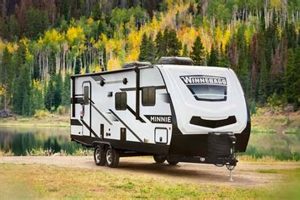
A recreational vehicle featuring dedicated sleeping quarters arranged in stacked berths, commonly referred to as bunks, and designed for convenient towing is a bunkhouse travel trailer. These trailers offer an efficient sleeping solution, optimizing living space for larger families or groups. An example is a twenty-eight foot trailer featuring double bunks in the rear, a central living area, and a master bedroom in the front.
The advantages of such a trailer configuration are substantial. Increased sleeping capacity within a compact footprint reduces the overall length and weight compared to traditional layouts. This, in turn, contributes to improved fuel economy during transit. Historically, these floorplans have gained popularity as family camping and road trips have become increasingly common, providing a cost-effective alternative to larger motorhomes or multiple tents.
The following article will delve into the key considerations when selecting a suitable model, including floorplan options, construction quality, weight ratings, and essential features. It will also address maintenance strategies to ensure long-term reliability and enjoyment of these recreational assets.
Selection and Maintenance Tips for Bunkhouse Travel Trailers
Careful consideration and proactive maintenance are crucial when selecting and caring for a travel trailer featuring bunk-style sleeping arrangements. This section provides actionable advice to maximize the lifespan and usability of such a recreational vehicle.
Tip 1: Assess Sleeping Capacity Needs: Determine the typical number of occupants who will utilize the bunks. Select a floorplan that comfortably accommodates this capacity, considering the dimensions of each bunk and the overall space available.
Tip 2: Evaluate Construction Quality: Prioritize trailers with robust frame construction, durable exterior materials, and properly sealed seams to withstand varying weather conditions and prevent water damage.
Tip 3: Understand Weight Ratings: Scrutinize the Gross Vehicle Weight Rating (GVWR) and ensure the tow vehicle is capable of safely pulling the loaded trailer without exceeding its towing capacity. Consider the cargo carrying capacity and plan accordingly.
Tip 4: Inspect Bunk Accessibility: Assess the ease of access to the upper bunks, particularly for children or individuals with mobility limitations. Look for features like sturdy ladders or integrated steps.
Tip 5: Consider Storage Solutions: Evaluate the available storage space within the trailer, including under-bunk storage, overhead cabinets, and exterior compartments, to ensure sufficient room for personal belongings and camping gear.
Tip 6: Conduct Regular Roof Inspections: Routinely inspect the roof for any signs of damage, such as cracks or punctures. Address any issues promptly to prevent water leaks and costly repairs. Pay particular attention to seals around vents and air conditioning units.
Tip 7: Monitor Tire Condition: Maintain proper tire inflation and regularly inspect tires for wear and tear. Replace tires according to the manufacturer’s recommendations or when signs of degradation are observed.
Tip 8: Winterize Properly: When storing the trailer for extended periods in cold climates, ensure proper winterization procedures are followed to prevent damage to plumbing systems from freezing temperatures.
Adhering to these guidelines will facilitate informed decision-making and prolong the operational life of the trailer. A well-maintained unit offers significant benefits, providing comfortable accommodations and reliable performance during recreational travels.
The subsequent sections will explore specific models within the bunkhouse travel trailer category, providing detailed analyses and comparisons.
1. Sleeping capacity.

The designated sleeping capacity is a foundational criterion when evaluating the suitability of a bunkhouse travel trailer. This specification directly determines the trailer’s ability to comfortably and safely accommodate the intended number of occupants, influencing both the selection process and the overall satisfaction with the unit.
- Bunk Configuration and Layout
The arrangement and type of bunks (e.g., double, triple, or individual) significantly affect the trailer’s maximum sleeping capacity. A poorly designed bunk configuration can compromise space utilization and comfort, even if the advertised capacity is high. For example, a trailer with tightly stacked bunks may be challenging for adults to access, effectively limiting its practical capacity. The configuration may also limit the number of children can comfortably and safely sleep in the bunks, such as a weight limitation on the upper bunk.
- Occupant Comfort and Space Allocation
Beyond the number of beds, the overall living space within the trailer must adequately support the specified sleeping capacity. Insufficient living space, storage, or bathroom facilities can lead to overcrowding and discomfort, negating the benefits of a high sleeping capacity. A trailer designed for eight occupants, but with limited seating and storage, may be less desirable than a smaller trailer with a more balanced layout.
- Weight Considerations and Towing Capacity
A higher sleeping capacity often correlates with a larger and heavier trailer. Exceeding the tow vehicle’s rated capacity poses serious safety risks. It is imperative to ensure the tow vehicle can safely handle the fully loaded trailer, accounting for passengers, cargo, and fluids. An undersized tow vehicle will have difficulty maintaining control and braking effectively, especially in adverse conditions.
- Age and Size of Occupants
The advertised sleeping capacity typically assumes average-sized adults or children. However, a family with larger adults or teenagers may find the bunks too small or uncomfortable. It is crucial to physically inspect the bunk dimensions and consider the actual size and comfort requirements of the intended occupants. A bunk designed for a child may not be suitable for a growing teenager.
In conclusion, determining the required sleeping capacity is an initial step in selecting a bunkhouse travel trailer. A thorough evaluation of bunk configuration, occupant comfort, weight considerations, and the age/size of the occupants is essential to ensure the selected model adequately meets the needs of all users. The ultimate decision should prioritize safety, comfort, and practicality over simply maximizing the number of available sleeping spaces.
2. Floorplan efficiency.

Floorplan efficiency is a paramount consideration in the selection of a bunkhouse travel trailer. It directly impacts usability, comfort, and overall satisfaction, contributing significantly to the determination of a model’s designation as a “best” option.
- Space Optimization for Living Areas
An efficient floorplan maximizes the usable living space within the trailer’s confines. This includes strategic placement of furniture, minimizing wasted space, and ensuring adequate room for movement. A well-designed floorplan may incorporate convertible furniture or multi-purpose areas to enhance versatility. In contrast, a poorly designed floorplan can result in cramped conditions, limited storage options, and difficulty navigating the trailer, even with fewer occupants. This aspect is crucial in distinguishing a superior trailer from a merely adequate one.
- Traffic Flow and Accessibility
The layout of the floorplan directly influences the ease with which occupants can move throughout the trailer. Effective traffic flow minimizes congestion and prevents bottlenecks, particularly in high-traffic areas such as the kitchen or bathroom. Clear pathways to exits and essential facilities contribute to safety and convenience. A floorplan that obstructs movement or forces occupants to navigate narrow passageways is less efficient and less desirable, especially in models intended for larger families.
- Zoning and Privacy Considerations
An efficient floorplan effectively zones different areas within the trailer, creating distinct spaces for sleeping, cooking, and relaxing. This zoning approach enhances privacy and reduces noise transfer between areas. Strategically placed partitions, curtains, or even changes in floor level can contribute to this effect. A lack of zoning can result in a chaotic and uncomfortable living environment, diminishing the overall appeal and usability of the trailer.
- Storage Solutions and Utility
Effective storage solutions are integral to floorplan efficiency. Ample storage space, strategically located throughout the trailer, allows occupants to organize belongings and keep the living areas clutter-free. Integrated storage solutions, such as under-bed compartments, overhead cabinets, and exterior storage bays, contribute to overall functionality. Insufficient or poorly designed storage significantly reduces the utility of the trailer and detracts from its overall rating.
The correlation between floorplan efficiency and the designation of a “best bunkhouse travel trailer” is substantial. A well-designed floorplan optimizes space, facilitates traffic flow, enhances privacy, and maximizes storage, contributing directly to occupant comfort and satisfaction. These factors, combined, determine the overall value and desirability of the trailer as a recreational asset. Conversely, a floorplan that fails to address these needs will negatively impact the usability and diminish the experience for all occupants.
3. Tow vehicle compatibility.

Tow vehicle compatibility represents a critical determinant in the assessment of a “best bunkhouse travel trailer.” The inherent function of a travel trailer necessitates its being towed by a separate vehicle. If the prospective owner’s vehicle lacks the capacity to safely and effectively tow the chosen trailer, the perceived value and utility of the recreational vehicle are fundamentally compromised. A “best” designation inherently implies a level of practicality and usability that is negated by incompatibility. For example, a large bunkhouse model exceeding 7,000 lbs. unloaded weight would be unsuitable for a mid-size SUV with a maximum tow rating of 5,000 lbs., irrespective of the trailer’s internal features or amenities.
The consequences of ignoring tow vehicle compatibility extend beyond mere inconvenience. Overloading a tow vehicle places undue stress on its mechanical components, including the engine, transmission, brakes, and suspension. This can lead to accelerated wear and tear, increased maintenance costs, and a higher risk of mechanical failure. Furthermore, exceeding the tow vehicle’s weight limits significantly impairs its handling characteristics, making it more susceptible to instability, sway, and reduced braking performance. This can result in hazardous driving conditions and an increased risk of accidents. Practical significance lies in the adherence to manufacturer-specified weight ratings and the selection of a trailer that aligns with the tow vehicle’s capabilities.
In summary, the selection of a “best bunkhouse travel trailer” must incorporate a thorough assessment of tow vehicle compatibility. Failure to do so renders the trailer functionally useless and potentially dangerous. The inherent utility of a travel trailer is contingent upon its ability to be safely and effectively towed, making tow vehicle compatibility an indispensable element in determining its overall value and suitability.
4. Construction durability.

Construction durability is a pivotal factor when evaluating a bunkhouse travel trailer, inextricably linking to the perception of it as a high-quality, long-lasting, and ultimately “best” option. The structural integrity of the travel trailer directly influences its ability to withstand environmental stressors, frequent use, and the rigors of travel, thus defining its value proposition.
- Frame Integrity and Longevity
The frame forms the skeletal foundation of the travel trailer, bearing the weight of all components and occupants while in transit. A robust frame, typically constructed of welded steel or aluminum, is essential for resisting torsion, flexing, and fatigue. Insufficient frame strength can lead to structural failure, manifested as cracks, buckling, or separation of components. Selecting a trailer with a demonstrably strong and well-engineered frame ensures long-term reliability and contributes significantly to its overall durability. An example is a full box steel frame versus a C-channel frame, with the former offering greater resistance to twisting and bending.
- Exterior Material Resistance
The exterior skin of the bunkhouse travel trailer serves as the primary barrier against weather elements, including rain, wind, sunlight, and temperature fluctuations. Durable materials, such as fiberglass or aluminum siding, provide superior resistance to impact damage, corrosion, and UV degradation. Proper sealing around windows, doors, and seams is critical to prevent water intrusion, which can lead to mold growth, rot, and structural decay. A trailer constructed with high-quality exterior materials and meticulous sealing will exhibit greater resistance to environmental damage, thereby extending its lifespan and reducing maintenance costs. For example, gel-coated fiberglass offers better protection against fading and cracking compared to lower-grade vinyl siding.
- Roof Construction and Water Management
The roof is particularly vulnerable to water damage due to its exposure to precipitation and the potential for pooling water. A well-constructed roof should feature a durable membrane, such as TPO or EPDM rubber, that is resistant to punctures, tears, and UV degradation. Proper roof design should also facilitate effective water runoff, preventing accumulation and minimizing the risk of leaks. Regularly inspecting and maintaining the roof sealant is crucial for preserving its integrity and preventing water damage. Trailers with a sloped roof design and durable membrane materials are less prone to leaks and structural issues. For example, a one-piece seamless roof is superior to a roof constructed with multiple seams, as it eliminates potential points of water entry.
- Suspension System Quality and Stability
The suspension system plays a crucial role in absorbing road shocks and maintaining stability during towing. A durable suspension system, consisting of high-quality axles, springs, and shock absorbers, ensures a smoother ride and reduces stress on the trailer’s frame and components. Undersized or poorly maintained suspension components can lead to excessive bouncing, swaying, and potential damage to the trailer’s structure. Upgrading to a heavier-duty suspension system can enhance stability and improve the trailer’s overall durability, especially when traveling on rough roads. For instance, leaf spring suspension is often considered less durable than torsion axle suspension, which provides a smoother ride and better weight distribution.
The attributes associated with construction durability significantly contribute to the assessment of a bunkhouse travel trailer as a “best” option. A trailer exhibiting robust frame integrity, resistant exterior materials, effective roof construction, and a high-quality suspension system ensures a prolonged lifespan, reduced maintenance requirements, and enhanced safety for occupants. These factors, in aggregate, determine the long-term value and suitability of the travel trailer as a recreational asset, solidifying its potential designation as a top-tier choice within its category.
5. Storage optimization.

Storage optimization is a crucial determinant in evaluating the suitability of a bunkhouse travel trailer. Inherent in the designation of a “best” model is the ability to efficiently manage and organize belongings within the confined space. Inadequate storage diminishes usability, exacerbating the challenges of extended travel with multiple occupants.
- Strategic Placement of Compartments
The location of storage compartments directly affects accessibility and utility. Compartments positioned near frequently used areas, such as the kitchen or sleeping quarters, enhance convenience. Under-bed storage, overhead cabinets, and exterior pass-through compartments exemplify effective placement strategies. Conversely, inaccessible or poorly located storage reduces the overall functionality of the trailer. An example of strategic placement would be incorporating drawers beneath the lower bunk for easy access to clothing and personal items, while less frequently accessed items could be stored in higher cabinets.
- Maximization of Vertical Space
Bunkhouse travel trailers, often catering to families or groups, necessitate innovative use of vertical space to accommodate the belongings of multiple occupants. Tall cabinets, shelving units, and wall-mounted organizers optimize vertical space, minimizing clutter on countertops and floors. Neglecting vertical space leads to disorganization and reduced living area. A practical example is the inclusion of tall, narrow pantries in the kitchen area to store food and cooking supplies efficiently.
- Multi-Functional Furniture
Furniture that serves multiple purposes contributes significantly to storage optimization. Convertible sofas that transform into beds, dinette booths with under-seat storage, and fold-down tables maximize space utilization. Integrating storage into furniture minimizes the footprint of belongings and enhances the overall efficiency of the floorplan. An example of multi-functional furniture is a dinette booth with hinged seats, providing concealed storage for games, linens, or camping gear.
- Weight Distribution Considerations
Storage optimization must account for weight distribution to maintain stability and safety during transit. Concentrating heavy items on one side of the trailer or near the rear can negatively impact handling characteristics. Distributing weight evenly throughout the trailer, utilizing all available storage compartments, enhances stability and reduces the risk of sway. An example is distributing heavier items, such as canned goods or water jugs, across multiple storage compartments to avoid overloading a single area.
The integration of strategic compartment placement, maximization of vertical space, multi-functional furniture, and balanced weight distribution defines the effectiveness of storage optimization in a bunkhouse travel trailer. These factors, collectively, contribute to the designation of a model as a “best” option, facilitating a comfortable and organized travel experience for all occupants. The degree to which a trailer successfully addresses these storage considerations directly impacts its usability and overall satisfaction.
6. Resale Value.
Resale value constitutes a significant, albeit often overlooked, criterion when evaluating the merit of a bunkhouse travel trailer. The initial purchase price represents only a portion of the overall cost of ownership. Depreciation, maintenance expenses, and eventual resale proceeds collectively determine the long-term financial implications. A higher resale value mitigates the net cost of ownership, making it a crucial aspect when discerning a “best” model.
- Brand Reputation and Market Demand
Established manufacturers with a proven track record of quality and reliability typically command higher resale values. Market demand for specific brands and floorplans also influences resale prices. A bunkhouse travel trailer from a reputable manufacturer, featuring a popular floorplan and desirable amenities, is more likely to retain its value over time. Conversely, lesser-known brands or those with a history of quality issues may experience accelerated depreciation. For instance, a travel trailer from a manufacturer known for durable construction and innovative designs will generally fetch a higher price on the used market compared to a generic brand with a reputation for subpar materials and craftsmanship.
- Condition and Maintenance History
The physical condition of the travel trailer and its documented maintenance history exert a substantial influence on its resale value. A well-maintained unit, free from damage, wear, and tear, will invariably command a premium price. Regular servicing, timely repairs, and meticulous cleaning demonstrate responsible ownership, instilling confidence in potential buyers. Conversely, a neglected trailer with visible damage, deferred maintenance, and a lack of service records will likely sell for significantly less. For example, a trailer with documented annual roof inspections, sealant applications, and appliance servicing will be more appealing to buyers and thus retain a higher value.
- Features and Amenities
The presence of desirable features and amenities can positively impact the resale value of a bunkhouse travel trailer. Modern appliances, upgraded entertainment systems, advanced climate control features, and premium finishes enhance the appeal of the unit and justify a higher price. Conversely, outdated or missing features can detract from the perceived value and reduce the resale potential. The inclusion of popular options, such as solar panels, power awnings, and self-leveling systems, can further enhance the attractiveness and resale value of the trailer. A travel trailer equipped with a modern entertainment system, efficient air conditioning, and a well-appointed kitchen will generally command a higher resale price than a comparable model with basic amenities.
- Depreciation Rates and Market Trends
Understanding the typical depreciation rates for bunkhouse travel trailers is essential for estimating their future resale value. Depreciation rates vary depending on factors such as brand, model, condition, and market demand. Monitoring market trends and observing the resale values of comparable units can provide valuable insights into the potential return on investment. Certain models may hold their value relatively well due to their popularity and inherent quality, while others may experience steeper depreciation. Tracking resale values on online marketplaces and consulting with industry experts can help estimate future resale potential. For instance, data indicating that a specific model consistently retains a higher percentage of its original value after five years would suggest a favorable resale outlook.
In summation, resale value should be a primary consideration when selecting a bunkhouse travel trailer. Brand reputation, condition, features, and depreciation rates collectively determine the long-term financial implications of ownership. A “best” model will not only provide comfortable and convenient accommodations but will also retain a substantial portion of its value, minimizing the net cost of ownership and maximizing the potential return on investment. Therefore, evaluating resale potential is not merely an afterthought but an integral component of the decision-making process.
Frequently Asked Questions About Bunkhouse Travel Trailers
The following addresses common inquiries regarding trailers featuring bunk-style sleeping arrangements, providing clear and concise answers to assist prospective buyers and current owners.
Question 1: What are the primary advantages of a bunkhouse travel trailer compared to other types of recreational vehicles?
These units maximize sleeping capacity within a given footprint, often providing sleeping arrangements for larger families or groups while maintaining a manageable towing size and weight. The cost of ownership, including fuel consumption and maintenance, is often lower than that of larger motorhomes.
Question 2: How does the weight of the trailer impact the selection of a suitable tow vehicle?
The Gross Vehicle Weight Rating (GVWR) of the trailer must not exceed the towing capacity of the vehicle. Exceeding this rating can compromise handling, braking performance, and overall safety. It is essential to consult the vehicle manufacturer’s specifications and factor in the weight of passengers, cargo, and fluids.
Question 3: What are the key construction features to look for in a durable bunkhouse travel trailer?
A robust frame, typically constructed of welded steel or aluminum, is critical for structural integrity. Durable exterior materials, such as fiberglass or aluminum siding, provide resistance to weather elements. A well-sealed roof is essential to prevent water intrusion.
Question 4: How can storage space be effectively maximized within a bunkhouse travel trailer?
Strategic placement of compartments, including under-bed storage, overhead cabinets, and exterior pass-through compartments, is essential. Multi-functional furniture, such as convertible sofas and dinette booths with under-seat storage, can also enhance space utilization.
Question 5: What are some common maintenance procedures required to ensure the longevity of a bunkhouse travel trailer?
Regular roof inspections and sealant maintenance are crucial to prevent water damage. Tire pressure should be monitored and tires replaced according to the manufacturer’s recommendations. Proper winterization is necessary to protect plumbing systems from freezing temperatures.
Question 6: What factors influence the resale value of a bunkhouse travel trailer?
Brand reputation, overall condition, maintenance history, and the presence of desirable features and amenities all contribute to the resale value. Market demand for specific brands and floorplans also plays a significant role.
In summary, selecting a suitable unit requires careful consideration of sleeping capacity, tow vehicle compatibility, construction quality, storage solutions, maintenance requirements, and resale value. A well-informed decision will maximize enjoyment and minimize long-term costs.
The following section will present model comparisons to assist buyers in finding the best option for their needs.
Concluding Remarks on Bunkhouse Travel Trailers
This article has explored the critical factors that define a “best bunkhouse travel trailer,” emphasizing the importance of sleeping capacity, floorplan efficiency, tow vehicle compatibility, construction durability, storage optimization, and resale value. Careful consideration of these elements is essential for making an informed purchase decision and ensuring long-term satisfaction.
The selection of a recreational vehicle represents a significant investment. It is incumbent upon prospective buyers to conduct thorough research, evaluate individual needs, and prioritize quality and functionality. By doing so, one maximizes the potential for memorable travel experiences and minimizes the risk of costly regrets. Further exploration of specific models and consultation with industry professionals are encouraged to facilitate the selection of the most suitable bunkhouse travel trailer.