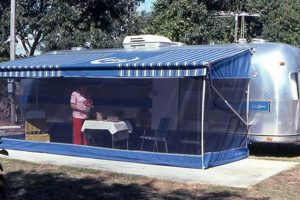
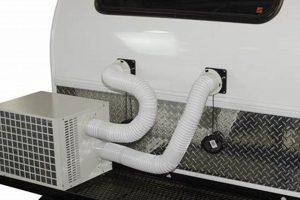
A systematic assessment of a recreational vehicle designed to be towed behind a car or truck. This process involves a thorough examination of the trailer’s structural integrity, mechanical systems, and safety features. For example, a certified technician might assess the frame for rust, check the tires for wear, and verify the functionality of all electrical components.
Such evaluations are vital for ensuring the safety and reliability of these mobile dwellings. Regular assessments can prevent accidents, reduce repair costs, and extend the lifespan of the recreational vehicle. Historically, pre-purchase assessments were less common, leading to many buyers unknowingly acquiring trailers with significant, hidden problems. Today, this proactive approach to maintenance is gaining recognition as a sound investment.
The following sections will delve into the specific areas covered during a comprehensive assessment, the qualifications to look for in an inspector, and the steps involved in scheduling and preparing for such evaluations.
Tips for a Thorough Assessment
Implementing a proactive assessment strategy is crucial for preserving the longevity and safety of your recreational vehicle. The following tips offer guidance for ensuring a comprehensive evaluation:
Tip 1: Schedule Regular Assessments: Establish a routine to have the recreational vehicle evaluated at least annually, or more frequently if it is used extensively. Consistent evaluations can identify and address minor issues before they escalate into major problems.
Tip 2: Inspect the Undercarriage: Pay close attention to the frame, axles, and suspension system. Rust, corrosion, or damage to these components can compromise structural integrity. Any signs of weakness should be addressed immediately by a qualified professional.
Tip 3: Examine the Roof and Seals: Carefully inspect the roof for any signs of leaks or damage, such as cracks or bubbling. Ensure that all seals around vents, windows, and other openings are intact and watertight to prevent water damage.
Tip 4: Test all Appliances: Verify the proper functioning of all appliances, including the refrigerator, stove, water heater, and air conditioner. Ensure that all gas lines are secure and free from leaks. Malfunctioning appliances can pose a safety hazard and lead to costly repairs.
Tip 5: Check Electrical Systems: Thoroughly assess the electrical system, including the wiring, outlets, and circuit breakers. Look for any signs of damage or corrosion. In addition, ensure that the battery is properly charged and functioning correctly. A faulty electrical system can be a fire hazard.
Tip 6: Review Tire Condition and Pressure: Consistently examine tires for wear, damage, and proper inflation. Incorrect tire pressure or worn tires can increase the risk of blowouts, affecting handling and safety on the road. Consult the manufacturer’s recommendations for optimal tire pressure.
Tip 7: Inspect Brakes and Lights: Functionality of the brakes and all exterior lights are crucial for safe towing. Before each trip, test the brake lights, turn signals, and running lights to ensure they are working properly. Any issues should be resolved promptly.
Adhering to these guidelines will facilitate a more thorough assessment, leading to enhanced safety, reduced maintenance expenses, and extended recreational vehicle lifespan.
The following section will outline the crucial steps involved in preparing the recreational vehicle for professional evaluation, ensuring all areas of concern are readily accessible.
1. Structural Integrity

Structural integrity is a paramount concern within the context of recreational vehicle assessment. It dictates the overall safety and longevity of the unit. A compromised structure can lead to catastrophic failure, particularly during transit or adverse weather conditions. Therefore, a thorough assessment dedicates significant attention to identifying and evaluating potential structural weaknesses.
- Frame Assessment
The frame serves as the foundational support for the entire recreational vehicle. Assessment involves a meticulous examination for signs of rust, corrosion, bending, or cracking. Welding points are scrutinized to ensure they remain intact and uncompromised. Any degradation in the frame’s integrity directly impacts the stability and load-bearing capacity of the entire unit, potentially leading to collapse or separation during travel.
- Wall and Roof Examination
The walls and roof provide essential protection from the elements and contribute to the overall rigidity of the structure. The assessment includes a detailed inspection for water damage, delamination (separation of layers), and any signs of impact damage. Weakened walls or roofs can compromise the vehicle’s insulation, leading to increased energy consumption and potential mold growth, along with structural instability.
- Floor Inspection
The floor supports the weight of occupants and interior furnishings. The assessment focuses on identifying soft spots, water damage, and areas of rot or decay. Floor damage can not only create safety hazards but also provide entry points for pests and moisture, accelerating further structural degradation.
- Attachment Points
Attachment points, such as where the frame connects to the walls and roof, are critical for maintaining structural cohesion. The assessment examines these points for loosening, corrosion, or damage. Failure of these attachments can lead to separation of components and a significant reduction in the vehicle’s structural integrity.
These facets of structural integrity are inextricably linked to recreational vehicle assessment. Addressing any identified weaknesses is essential for ensuring the continued safe operation and prolonged lifespan of the unit. A comprehensive assessment, therefore, provides valuable insights into the structural health, allowing for timely repairs and preventative measures.
2. Mechanical Systems
Mechanical systems are integral components within a recreational vehicle, necessitating thorough evaluation during an assessment. The functionality and condition of these systems directly impact safety, drivability, and the overall reliability of the trailer. Malfunctions within these systems can lead to accidents, breakdowns, and costly repairs. For example, defective brakes may result in an inability to stop the trailer adequately, especially when towing downhill or in emergency situations. Similarly, a compromised suspension system can cause instability, making it difficult to control the trailer and potentially leading to loss of control. Neglecting these crucial systems during an assessment undermines the safety and intended purpose of the recreational vehicle.
Practical applications of a detailed mechanical assessment are multifaceted. Consider the wheel bearings; inadequate lubrication or wear can cause overheating and eventual failure, potentially leading to wheel detachment. A pre-trip or annual assessment that includes inspecting and repacking wheel bearings can prevent such occurrences. The braking system, encompassing the brake shoes, drums/rotors, and associated hydraulic lines, must be meticulously inspected for wear, leaks, and proper adjustment. Faulty brake controllers can also cause issues if not reviewed during a pre-trip assessment, causing an accident on the road. Similarly, the axle and suspension components, including leaf springs, torsion bars, and shock absorbers, require thorough examination for signs of fatigue, damage, or misalignment. Addressing these issues proactively ensures a smoother, safer towing experience.
In conclusion, the assessment of mechanical systems is fundamental to ensure the safety, reliability, and longevity of a recreational vehicle. Overlooking these components invites potential hazards and financial burdens. A comprehensive assessment conducted by a qualified technician is a prudent investment, mitigating risks and ensuring peace of mind for recreational vehicle owners. The identification and correction of mechanical issues prior to or during a trip significantly reduce the likelihood of breakdowns and accidents, ultimately enhancing the overall recreational vehicle experience.
3. Electrical Functionality

Electrical functionality within a recreational vehicle is a critical safety and convenience consideration. Comprehensive assessments are imperative to ensure that all electrical systems operate safely and efficiently, preventing potential hazards such as electrical fires, electrocution, and equipment damage. Systematic examinations identify potential problems, ensuring the vehicle complies with safety standards and providing occupants with a reliable power supply.
- Wiring and Connections
Wiring and connections constitute the backbone of the electrical system. Assessments examine the integrity of wiring, looking for frayed insulation, loose connections, or signs of corrosion. Improper wiring can lead to short circuits and electrical fires. Secure connections are crucial for reliable power delivery to appliances and equipment. During assessment, each connection will be checked and secured if needed.
- Power Converter and Inverter
The power converter and inverter regulate the flow of electricity. The converter transforms 120V AC power from shore power into 12V DC power to charge the house battery and run 12V appliances, while the inverter converts 12V DC power from the battery into 120V AC power for use with standard appliances. Assessment ensures these devices are functioning correctly, providing stable and reliable power. Malfunctions can result in appliance damage or power outages.
- Battery System
The battery system stores electrical energy for off-grid use. Assessment evaluates the battery’s condition, charge capacity, and the functionality of charging systems. A failing battery or a malfunctioning charging system can leave occupants without power for essential appliances like lights, refrigerators, and water pumps. Battery condition will be assessed as the life-span and power stored.
- Ground Fault Circuit Interrupters (GFCIs)
GFCIs are safety devices designed to prevent electrical shock in wet locations. Assessment verifies the proper function of GFCIs in areas such as the kitchen, bathroom, and exterior outlets. Defective GFCIs can increase the risk of electrocution, making their reliable operation essential for safety. Each outlet will be tested.
In summary, electrical functionality is fundamental to a safe and enjoyable recreational vehicle experience. Rigorous assessments, covering wiring, converters, batteries, and safety devices like GFCIs, mitigate the risk of electrical hazards and ensure a reliable power supply. These assessments provide owners with peace of mind, knowing that their recreational vehicle’s electrical system is operating safely and efficiently.
4. Water Intrusion

Water intrusion is a significant threat to the structural integrity and longevity of recreational vehicles, making its detection and prevention a critical component of a thorough assessment. Even minor leaks, if left unaddressed, can lead to extensive damage, including wood rot, mold growth, and delamination of exterior panels. The consequences of water intrusion extend beyond cosmetic blemishes, potentially compromising the vehicle’s structural soundness and creating unhealthy living conditions. For example, water seepage around window seals can wick into the wall framing, causing hidden decay that may not be apparent until the damage is widespread. A comprehensive assessment includes a detailed examination of all potential entry points, such as roof vents, seams, windows, and storage compartment doors.
The assessment process typically involves visual inspection, often supplemented by moisture meters to detect elevated moisture levels within walls and floors. Sealants and caulking are meticulously scrutinized for cracks, gaps, or deterioration. Early detection of water intrusion allows for timely repairs, preventing more costly and extensive damage down the line. For instance, replacing compromised sealant around a roof vent is a relatively minor repair compared to the cost of replacing rotted roof decking and interior ceiling panels. Regular assessment, coupled with proactive maintenance, is essential for mitigating the risks associated with water intrusion.
In conclusion, water intrusion is a persistent and potentially devastating issue for recreational vehicles. As such, its thorough evaluation during a comprehensive assessment is paramount. By identifying and addressing potential entry points early, recreational vehicle owners can prevent significant structural damage, maintain a healthy living environment, and extend the lifespan of their vehicle. Understanding the causes and consequences of water intrusion is a crucial aspect of responsible recreational vehicle ownership and preventative maintenance.
5. Safety Features

The inclusion of safety features within a recreational vehicle directly correlates with the stringency and comprehensiveness of its assessment. Verification of these features during assessment is not merely a procedural step, but a critical evaluation that determines the vehicle’s adherence to safety standards and its capacity to protect occupants.
- Smoke Detectors and Carbon Monoxide Detectors
These devices provide early warning of fire and carbon monoxide hazards, respectively. Their functionality is paramount for occupant safety. During assessment, detectors are tested for operational readiness, including battery life and alarm audibility. A malfunctioning detector renders the vehicle unsafe for occupancy, necessitating immediate repair or replacement. Regular assessment should include these features.
- Propane Leak Detectors
Propane systems, common in recreational vehicles for heating and cooking, present a risk of leaks and explosions. Propane leak detectors are designed to detect the presence of propane gas and alert occupants. Assessment involves testing the detector’s sensitivity and response time. A defective propane leak detector compromises safety significantly, demanding immediate attention.
- Fire Extinguishers
Fire extinguishers provide a means to suppress small fires before they escalate. Assessment includes verifying the presence of a properly charged and readily accessible fire extinguisher. Additionally, assessment should verify the extinguisher’s inspection date and ensure the occupants are familiar with its operation. An absent or expired fire extinguisher limits the ability to respond to fire emergencies. Assessment must include fire extinguishers.
- Emergency Exits
Emergency exits provide alternative escape routes in the event of primary exit blockage. Assessment ensures that emergency exits are unobstructed, easily operable, and clearly marked. Hindered or non-functional emergency exits can trap occupants during emergencies, highlighting the importance of their verification during vehicle assessment.
The rigorous assessment of safety features forms a cornerstone of responsible recreational vehicle ownership. Consistent attention to these details safeguards occupants from potential hazards, reduces the likelihood of accidents, and ensures compliance with established safety regulations, and demonstrates the importance of an assessment performed by a knowledgeable and qualified expert.
6. Documentation Review

Documentation review forms an integral component of a comprehensive assessment. The correlation between historical records and the physical condition of the trailer provides valuable insights into maintenance history, repair records, and potential underlying issues. This process extends beyond a cursory glance at paperwork; it is a meticulous examination that informs the assessment process, often revealing patterns of neglect, recurring problems, or evidence of undisclosed damage. A prime example involves examining records that indicate repeated repairs to a specific area, such as the roof. This might suggest a history of water leaks, warranting a closer inspection of that area during the physical assessment. Conversely, a complete absence of maintenance records can raise concerns about the owner’s diligence in maintaining the trailer’s systems.
The impact of a thorough documentation review manifests in several practical ways. It assists in verifying the accuracy of information provided by the seller, identifying potential discrepancies, and informing decisions regarding further, more in-depth inspections. For instance, if the records show that the air conditioning unit was replaced only a year ago, but the physical assessment reveals signs of significant wear and tear, further investigation into the unit’s installation or the quality of the replacement parts may be warranted. Furthermore, the review aids in determining compliance with safety regulations and warranty requirements. Missing or incomplete documentation can negatively impact the trailer’s resale value and potential insurance claims.
In conclusion, a thorough documentation review is not merely an administrative formality, but a critical step within the entire assessment process. It provides essential context, helps identify potential red flags, and enables a more informed evaluation of the trailer’s overall condition. Although challenges may arise due to incomplete or inaccurate records, the information gleaned from this process is invaluable in ensuring a comprehensive and reliable evaluation, safeguarding the interests of prospective buyers and current owners alike. The process is an essential part of any good assessment.
Frequently Asked Questions
The following addresses common inquiries regarding assessments, aiming to clarify the process and underscore its importance.
Question 1: What is the primary goal of a travel trailer inspection?
The primary goal is to assess the overall condition of the travel trailer, identifying potential safety hazards, structural weaknesses, and mechanical issues before they escalate into costly repairs or compromise the safety of occupants.
Question 2: When should a travel trailer undergo assessment?
Assessments are recommended prior to purchase, annually for routine maintenance, and after any significant event that may have impacted the trailer’s integrity, such as an accident or extreme weather conditions.
Question 3: Who is qualified to perform a travel trailer inspection?
A qualified technician with experience in recreational vehicle maintenance and repair, preferably certified by a recognized industry organization, is best suited to perform a comprehensive assessment.
Question 4: What are the main areas covered during a travel trailer inspection?
The assessment typically encompasses structural integrity, mechanical systems (brakes, suspension), electrical functionality, water intrusion, safety features (smoke detectors, propane alarms), and documentation review.
Question 5: How long does a typical travel trailer inspection take?
The duration varies depending on the size and complexity of the trailer, but a thorough assessment generally requires between two and four hours.
Question 6: What is the approximate cost of a professional travel trailer inspection?
Costs vary depending on the provider and the scope of the assessment, but generally range from \$200 to \$500. This investment is crucial in avoiding potentially more significant expenses related to repairs or safety issues.
In summary, proactive assessment is crucial for maintaining a safe and reliable travel trailer. Investing in regular assessments can save substantial costs and give you peace of mind.
The subsequent part of this series will provide guidance on locating reputable assessment service providers, as well as preparing for your assessment.
Travel Trailer Inspection
This article has explored the multifaceted nature of travel trailer inspection, emphasizing its significance in identifying structural weaknesses, mechanical deficiencies, electrical hazards, and potential water intrusion. The meticulous review of safety features and documentation further underscores the comprehensive nature of this process. Ultimately, a thorough evaluation serves as a preventative measure, mitigating risks and preserving the value of the recreational vehicle.
The dedication to rigorous assessment is not merely a matter of compliance, but a commitment to safety and responsible ownership. Prioritizing travel trailer inspection safeguards occupants, protects investments, and contributes to a more secure and enjoyable travel experience. Ongoing maintenance, informed by consistent evaluation, remains crucial for the long-term integrity and reliability of these mobile assets.