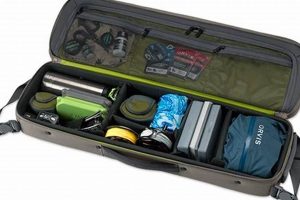
These specialized carriers are designed for attachment to motorcycles, offering secure and weather-resistant storage solutions for riders undertaking journeys. They come in various forms, including saddlebags, tank bags, and tail bags, each serving a specific purpose in organizing and protecting belongings. The selection varies from soft, flexible designs to hard, rigid cases.
The utility of dedicated motorcycle luggage is paramount for extended trips. These systems allow riders to carry essential gear, clothing, and tools, thereby increasing self-sufficiency and comfort during travel. Historically, adaptations of general luggage were used, but the modern versions provide enhanced security, stability, and aerodynamic properties specifically suited for motorcycle use.
Considerations for selecting suitable options include capacity, material durability, mounting system compatibility, and weather resistance. Understanding these aspects enables informed decisions aligning with individual travel needs and motorcycle specifications. Subsequent sections will detail specific types, features, and selection criteria.
Essential Considerations for Selecting Motorcycle Luggage
Optimal selection of motorcycle luggage requires careful evaluation of several factors. The following tips provide guidance on making informed decisions.
Tip 1: Assess Storage Requirements. Determine the necessary carrying capacity based on trip duration and essential gear. Overpacking compromises stability and handling.
Tip 2: Evaluate Material Durability. Select materials resistant to abrasion, tearing, and weather exposure. Ballistic nylon and reinforced polymers offer superior protection.
Tip 3: Prioritize Weather Resistance. Ensure the chosen system provides adequate protection against rain, dust, and UV radiation. Waterproof liners or construction are crucial.
Tip 4: Verify Mounting System Compatibility. Confirm compatibility with the motorcycle’s make and model. Secure and stable mounting prevents shifting and potential hazards.
Tip 5: Consider Aerodynamic Impact. Opt for streamlined designs to minimize wind resistance and maintain stability at higher speeds. Bulky, ill-fitting options increase drag.
Tip 6: Evaluate Security Features. Choose systems with locking mechanisms to deter theft and secure belongings during stops. Reinforced zippers and hidden compartments enhance security.
Tip 7: Check Accessibility and Organization. Prioritize designs that allow easy access to essential items. Internal compartments and external pockets improve organization and efficiency.
Adhering to these recommendations promotes safer and more enjoyable journeys. Proper luggage selection enhances the overall riding experience and protects valuable belongings.
The following section will address specific product types and their suitability for various riding styles.
1. Capacity and dimensions

The relationship between capacity, dimensions, and storage options is crucial for motorcycle travel. The available carrying capacity, measured in liters or cubic inches, dictates the amount of gear a rider can transport, directly impacting trip duration and self-sufficiency. Dimensions affect the motorcycle’s handling characteristics and overall profile.
- Internal Volume and Trip Length
The internal volume determines the feasible length of a journey. A weekend trip requires less space than a multi-week tour. Insufficient capacity may necessitate compromising essential gear or relying on external shipping, increasing costs and logistical complexity. Conversely, an excessively large system, if not fully utilized, adds unnecessary weight and bulk.
- External Dimensions and Aerodynamics
The external dimensions, particularly width and height, influence aerodynamic drag. Overly wide systems increase wind resistance, negatively impacting fuel efficiency and stability, especially at higher speeds. Height can affect the center of gravity, altering handling dynamics. Streamlined designs minimize these effects.
- Weight and Load Distribution
Capacity and dimensions are inherently linked to the weight of the loaded system. Exceeding the motorcycle’s maximum load capacity compromises suspension performance, braking effectiveness, and overall stability. Proper load distribution, achieved through strategic packing and balanced placement, is essential to maintain safe handling characteristics.
- Mounting System Limitations
The capacity and dimensions must be compatible with the motorcycle’s mounting system. Overloading a system beyond its designed capacity risks failure, potentially leading to equipment damage or safety hazards. Inspecting load rating is essential.
In conclusion, the interplay between capacity, dimensions, and storage systems is essential for optimal motorcycle travel. Careful consideration must be given to ensure sufficient storage, minimized aerodynamic impact, safe weight distribution, and compatibility with the motorcycle’s load and mounting limitations. An informed decision enhances safety, comfort, and the overall riding experience.
2. Mounting system security
The security of the attachment mechanism is paramount when integrating external storage solutions with a motorcycle. A compromised mounting system poses significant risks, potentially leading to equipment loss, motorcycle damage, and hazardous riding conditions. The following points detail critical aspects of ensuring a secure and reliable connection.
- Hardware Integrity and Material Strength
The quality of the mounting hardware, including bolts, brackets, and fasteners, is essential. Components must be manufactured from high-strength materials capable of withstanding vibrations, stress, and environmental factors. Inspection of hardware for corrosion or fatigue is a critical maintenance procedure. Examples include using grade 8 bolts instead of standard hardware and utilizing stainless steel in environments with high humidity.
- Compatibility and Fit
The mounting system must be specifically designed for the motorcycle’s make and model to ensure a precise fit. Universal systems often compromise security due to inherent limitations in adaptability. Incorrect fitment can lead to excessive stress on mounting points, resulting in premature failure. Examples of dedicated systems would be racks designed for a specific motorcycle model, using existing factory mounting points and designed in CAD.
- Installation Procedures and Torque Specifications
Proper installation according to manufacturer specifications is essential for maintaining system integrity. Adhering to torque specifications prevents over-tightening, which can damage threads, and under-tightening, which can lead to loosening. Examples include using a torque wrench during installation and re-checking torque after initial rides.
- Regular Inspection and Maintenance
Periodic inspection of the mounting system is crucial to identify potential issues before they escalate. Checking for loose fasteners, cracks, or signs of wear allows for timely repairs. Examples include visually inspecting mounting points before each ride and replacing worn or damaged hardware promptly.
A secure mounting system represents a critical component of motorcycle travel readiness. Prioritizing hardware quality, compatibility, proper installation, and diligent maintenance minimizes risks and contributes to safer, more reliable journeys. Compromising these aspects can have severe consequences.
3. Material weather resistance
The protective capability of materials used in motorcycle travel bags against environmental elements is a critical determinant of the longevity, functionality, and safeguarding of contents during transit. The resistance to weather significantly impacts the usability and value of these storage solutions.
- Water Resistance and Waterproofing
Water resistance pertains to a material’s capacity to impede water penetration to a certain degree, often achieved through coatings or tightly woven fabrics. Waterproofing, conversely, signifies complete impermeability to water ingress, usually accomplished via specialized membranes or construction techniques. Examples include using polyurethane-coated nylon for water resistance and fully seam-sealed bags utilizing welded construction for waterproofing. The choice between these attributes depends on the anticipated riding conditions; prolonged exposure to heavy rain necessitates a fully waterproof system.
- UV Radiation Degradation
Prolonged exposure to ultraviolet (UV) radiation from sunlight can degrade the structural integrity of many materials, leading to fading, cracking, and reduced strength. Utilizing UV-resistant fabrics and coatings mitigates this effect. For instance, solution-dyed fabrics exhibit superior UV resistance compared to piece-dyed alternatives. The selection of UV-stable materials is particularly critical for riders frequently operating in sunny climates.
- Temperature Extremes and Material Stability
Materials must maintain their structural properties across a wide temperature range. Extreme heat can cause softening or deformation, while extreme cold can lead to brittleness and cracking. High-density polyethylene (HDPE) and certain reinforced polymers exhibit greater thermal stability. Bags intended for use in diverse climates should undergo testing to verify performance under varying thermal conditions.
- Abrasion Resistance and Environmental Wear
Road debris, wind, and physical contact with the motorcycle can cause abrasion and wear on storage systems. High-denier fabrics, such as ballistic nylon, offer superior abrasion resistance. Reinforced corners and strategically placed abrasion-resistant panels enhance durability. Regular cleaning and maintenance further prolong the lifespan of these materials.
The interconnectedness of these facets highlights the complexity of material selection for motorcycle travel bags. A comprehensive understanding of these properties enables riders to choose systems that offer optimal protection, durability, and performance across a range of environmental conditions, ensuring the safe and secure transport of essential gear.
4. Aerodynamic profile design

The configuration of external storage systems profoundly impacts a motorcycle’s aerodynamic characteristics. Inefficient designs introduce increased drag, resulting in reduced fuel economy, diminished high-speed stability, and amplified wind noise. The cause-and-effect relationship is direct: a poorly streamlined profile disrupts airflow, creating turbulence and resistance. Consequently, the engine expends more energy to maintain speed, increasing fuel consumption and rider fatigue. Conversely, thoughtfully designed storage systems can minimize these adverse effects and potentially improve aerodynamic efficiency.
The integration of an aerodynamic profile is not merely an aesthetic consideration but a functional necessity. Practical examples include tapered saddlebags that follow the motorcycle’s lines, minimizing the surface area exposed to oncoming air. Tank bags designed with a low-profile shape reduce wind resistance and prevent buffeting. Some manufacturers conduct wind tunnel testing to optimize designs, validating performance gains and ensuring stability at various speeds. Riders often note increased fuel efficiency and reduced wind noise after switching to aerodynamically designed storage solutions.
Therefore, aerodynamic profile design is a critical component of motorcycle travel bags. Selection requires a careful evaluation beyond storage capacity, considering the implications for fuel consumption, stability, and overall riding experience. Challenges exist in balancing storage needs with aerodynamic requirements, demanding innovative designs and material choices. Recognizing this connection promotes safer and more efficient long-distance motorcycle travel, mitigating the negative impacts of added storage and enhancing the rider’s overall control and comfort.
5. Accessibility and organization

The efficient management of space within motorcycle luggage is paramount to the overall riding experience. Accessibility and organization directly influence the ease with which riders can retrieve essential items while minimizing distractions and maximizing safety. The cause-and-effect relationship is straightforward: poorly organized systems necessitate prolonged searching, diverting attention from the road. Conversely, strategically organized systems allow for quick and intuitive access to critical equipment, enhancing situational awareness and promoting safer riding practices. As a fundamental component, accessibility dictates the practical utility of storage; a system with ample volume is rendered ineffective if essential items are difficult to locate. For example, a rider encountering sudden rain needs immediate access to waterproof gear; a well-organized storage solution facilitates this, whereas a disorganized one might result in delayed protection and discomfort.
Practical application extends beyond emergency scenarios. Frequent travelers benefit from compartmentalized storage, separating items by category: clothing, tools, electronics, and personal effects. Clear labeling or color-coding enhances organization and expedites retrieval. Mesh pockets, adjustable dividers, and elastic straps contribute to internal structure and prevent items from shifting during transit. Furthermore, external access points and strategically placed pockets offer immediate accessibility to frequently used items like maps, wallets, or communication devices. The impact of thoughtful design on convenience and safety cannot be overstated, transforming what might otherwise be a disorganized jumble into a streamlined and functional component of the motorcycle travel experience.
In summary, the connection between accessibility, organization, and motorcycle luggage is intrinsically linked to rider safety and convenience. Prioritizing intelligent design that facilitates easy access and systematic arrangement of belongings minimizes distractions and maximizes functionality. The challenge lies in balancing storage capacity with ease of access, demanding innovative solutions that cater to diverse needs and riding styles. Understanding this connection allows riders to make informed choices, optimizing their storage systems for efficient and safe travel. This understanding is critical to the selection process.
6. Locking/Theft Prevention

The integration of robust locking mechanisms and theft deterrents within motorcycle travel luggage is a fundamental security measure. The direct consequence of inadequate security is the increased vulnerability of personal belongings to theft. Therefore, the inclusion of effective locking and prevention features forms a critical component of dependable motorcycle luggage systems. Real-world instances demonstrate that even momentary lapses in security can result in significant losses. For example, unattended luggage secured only with standard zippers is easily compromised, whereas luggage with integrated locking cables or reinforced locking points presents a more formidable obstacle to potential thieves. The practical significance of this understanding lies in mitigating the risk of financial loss and the disruption of travel plans.
Practical applications extend to a variety of design and implementation strategies. Integrated locking mechanisms, utilizing keyed or combination locks, provide secure closure points. Cable-reinforced systems, designed to tether bags to the motorcycle frame, prevent easy removal. Tamper-evident zippers, featuring interlocking teeth and reinforced construction, deter opportunistic theft. Further security can be achieved through the use of alarm systems integrated into the luggage. Some riders opt for aftermarket security solutions, such as GPS trackers concealed within the bags, allowing for remote monitoring and recovery in the event of theft. Understanding these options allows riders to tailor the security of their luggage to their specific needs and risk assessment.
In summary, the connection between locking/theft prevention and motorcycle travel bags is inextricably linked to security and peace of mind. Challenges exist in balancing security measures with accessibility and weight considerations. Nevertheless, prioritizing robust locking mechanisms and theft deterrents minimizes the risk of loss and contributes to a more secure and enjoyable riding experience. A fundamental consideration.
7. Load Distribution Impact
Effective load distribution is a critical factor influencing the stability, handling, and overall safety of a motorcycle, particularly when utilizing external storage solutions. Improper load distribution can compromise the motorcycle’s center of gravity, leading to diminished responsiveness, increased braking distances, and heightened risk of instability, especially at higher speeds or during emergency maneuvers.
- Center of Gravity Alteration
The placement of cargo significantly affects the motorcycle’s center of gravity. High placement raises the center of gravity, increasing the propensity for instability during cornering. Uneven distribution to one side can induce asymmetrical handling characteristics, requiring increased rider input to maintain balance. Examples include packing heavier items low and centered to minimize these effects.
- Suspension System Performance
Uneven or excessive loads can overstress the suspension components, leading to reduced damping effectiveness and compromised ride quality. Overloading the rear suspension, for instance, can cause the front end to become light, reducing steering precision. Adjusting suspension settings to compensate for added weight is crucial for maintaining optimal performance.
- Braking Dynamics
Load distribution directly influences braking effectiveness. Shifting weight forward during braking increases front tire grip, enhancing stopping power. However, excessive rearward weight bias can lead to rear wheel lockup and instability. Balancing the load ensures that both front and rear brakes contribute effectively to deceleration.
- Frame Stress and Fatigue
Concentrated or imbalanced loads can induce excessive stress on the motorcycle frame, particularly at mounting points. Over time, this can lead to fatigue and potential structural failure. Utilizing properly designed and reinforced racks distributes the load more evenly, minimizing stress on the frame. Regular inspection of mounting points is essential to detect any signs of stress or damage.
The principles of load distribution are integral to the safe and effective utilization of motorcycle travel bags. Careful consideration of weight placement, suspension adjustment, and equipment mounting mitigates the potential negative impacts on handling and stability. Adhering to the motorcycle manufacturer’s load capacity recommendations is paramount. Understanding and implementing sound load distribution practices contributes significantly to a safer and more enjoyable riding experience.
Frequently Asked Questions
The following questions address common inquiries and misconceptions surrounding the selection, utilization, and maintenance of luggage systems for motorcycle travel.
Question 1: What is the permissible weight limit for motorcycle travel bags?
The permissible weight limit is dictated by the motorcycle manufacturer’s specifications, often found in the owner’s manual. Exceeding this limit compromises handling, braking, and structural integrity.
Question 2: Are universal motorcycle travel bags compatible with all motorcycle models?
Universal options may offer broad compatibility, but a custom-fitted system tailored to the specific motorcycle model generally provides a more secure and stable attachment. Verification of fitment is critical.
Question 3: How can weather resistance of motorcycle travel bags be enhanced?
Waterproof liners, seam sealing treatments, and the application of water-repellent coatings can augment a system’s ability to withstand precipitation and moisture ingress. Regular re-application may be necessary.
Question 4: What is the optimal method for organizing contents within motorcycle travel bags?
Utilizing packing cubes, compression sacks, and internal dividers facilitates organization and maximizes space utilization. Weight distribution should be carefully considered to maintain motorcycle balance.
Question 5: How frequently should the mounting hardware for motorcycle travel bags be inspected?
Mounting hardware requires inspection before each ride and after any significant impact or stress. Torque specifications should be verified periodically to ensure secure attachment.
Question 6: What security measures are recommended to deter theft of motorcycle travel bags?
Integrated locking mechanisms, cable-reinforced systems, and parking in well-lit, visible areas can reduce the risk of theft. Consideration should be given to aftermarket security systems and GPS tracking devices.
Careful attention to these aspects enhances the safety, convenience, and reliability of motorcycle travel. Proper selection, maintenance, and utilization of luggage systems contribute significantly to an enjoyable riding experience.
The next section explores specific product types and their ideal applications.
Motorcycle Travel Bags
This exploration has underscored the significance of carefully selected luggage systems for motorcycle journeys. The dimensions of capacity, mounting security, weather resilience, aerodynamic properties, accessibility, theft prevention, and load distribution have been presented as essential elements in informed decision-making. Compromises in any of these areas can negatively impact rider safety and overall travel experience.
Ultimately, the responsible integration of these carriers represents a tangible investment in both personal safety and the potential for extended, comfortable, and secure motorcycle travel. Prospective buyers must prioritize a thorough assessment of individual needs and motorcycle specifications to ensure the chosen system aligns with the demands of the intended journeys. Failure to do so carries inherent risks.