Apparel selection significantly impacts the travel experience in Europe. The optimal garments are those that prioritize functionality, adaptability, and comfort, enabling travelers to navigate diverse climates, terrains, and cultural settings effectively. For example, versatile items like merino wool base layers, lightweight packable jackets, and quick-drying trousers are highly suitable.
Strategic garment choices offer numerous advantages, including minimizing luggage weight and volume, ensuring comfort during extended periods of walking or standing, and providing appropriate coverage for varied weather conditions. Historically, travelers often faced challenges related to bulky or unsuitable clothing, but advancements in textile technology and design have led to the development of increasingly practical and efficient travel wardrobes.
The following sections will examine specific clothing categories and considerations for building a well-rounded and functional travel wardrobe for Europe, including material selection, layering strategies, and garment features that enhance overall travel convenience.
Selection Guidelines for Suitable European Travel Apparel
The subsequent guidelines offer practical advice on selecting clothing for travel within Europe, emphasizing functionality and adaptability to various environments and cultural contexts.
Tip 1: Prioritize Versatile Base Layers: Merino wool or synthetic base layers provide temperature regulation and moisture-wicking properties, suitable for varied climates. These garments serve as a foundation for layering, enhancing comfort in both warm and cold conditions.
Tip 2: Choose Lightweight and Packable Outerwear: A waterproof and windproof jacket that can be compressed for storage is essential. Opt for a model with practical features such as a hood and multiple pockets.
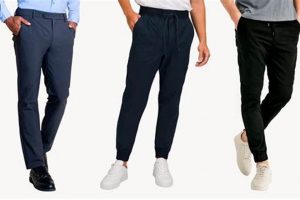
Tip 3: Select Quick-Drying Trousers or Pants: Trousers constructed from quick-drying and wrinkle-resistant fabrics offer convenience during travel. These garments are adaptable for both casual and more formal settings.
Tip 4: Employ a Layering System: Combining base layers, insulating mid-layers (such as fleece or a down jacket), and a waterproof outer layer provides flexibility for fluctuating weather conditions. This approach ensures comfort and adaptability without requiring excessive clothing items.
Tip 5: Pack Durable and Comfortable Footwear: Select walking shoes or boots that offer adequate support and cushioning for extended periods of walking. Ensure footwear is broken in prior to travel to minimize discomfort.
Tip 6: Consider Neutral Color Palettes: Selecting clothing in neutral colors (e.g., black, gray, navy, beige) allows for easy mixing and matching, creating multiple outfit combinations from a limited number of items. This simplifies packing and enhances versatility.
Tip 7: Assess Cultural Appropriateness: Research and adhere to local customs regarding dress codes, especially when visiting religious sites or formal occasions. Modest attire is generally recommended in many regions.
By adhering to these guidelines, travelers can create a functional and efficient travel wardrobe that minimizes luggage bulk and enhances comfort and adaptability throughout their European journey.
The concluding section will summarize the key considerations for selecting appropriate apparel and reinforce the importance of prioritizing functionality and adaptability for an optimal travel experience.
1. Durability

Durability constitutes a cornerstone of optimal apparel choices for travel within Europe. The demanding nature of travel, characterized by frequent packing, unpacking, washing, and exposure to diverse environmental conditions, necessitates garments capable of withstanding significant wear and tear. Inadequate durability leads to premature garment failure, requiring replacements during travel, which introduces inconvenience and increased expenses. The selection of robust materials and construction techniques directly impacts the longevity and overall value of travel clothing. For example, trousers constructed from ripstop nylon offer greater resistance to abrasion and tearing compared to those made from less durable fabrics. Similarly, reinforced stitching at stress points, such as pockets and seams, enhances the structural integrity of garments, extending their lifespan.
The importance of durability extends beyond simple cost-effectiveness. Garments that maintain their integrity throughout a journey contribute to a traveler’s comfort and confidence. Functional clothing that performs as intended, without developing tears, holes, or failing zippers, allows the traveler to focus on the experience rather than managing wardrobe malfunctions. Consider the scenario of hiking in the Alps; durable hiking boots are essential for providing adequate support and protection on challenging terrain, preventing injuries and ensuring a safe and enjoyable experience. Similarly, a durable waterproof jacket is vital for protection against unpredictable weather conditions, safeguarding against hypothermia and discomfort.
In summary, the relationship between durability and optimal European travel apparel is one of direct consequence. Durability ensures the longevity, functionality, and reliability of clothing, contributing significantly to a smoother, more comfortable, and ultimately more enjoyable travel experience. Prioritizing durable materials and construction techniques is an investment that yields tangible benefits throughout the duration of a trip, mitigating potential disruptions and enhancing overall satisfaction. Failure to account for durability introduces the risk of inconvenience, added expense, and reduced comfort, underscoring its critical role in effective travel preparation.
2. Versatility
Versatility is a critical attribute of effective apparel for European travel. Garments possessing this characteristic serve multiple purposes, adapting to diverse environments, social settings, and activities. This adaptability directly reduces the volume of clothing required, minimizing luggage weight and simplifying travel logistics. The relationship between versatility and the optimization of a European travel wardrobe is therefore one of direct consequence; a higher degree of garment versatility directly translates into a more efficient and streamlined travel experience.
Consider a pair of dark-wash, slim-fit jeans. This item can be paired with a t-shirt and sneakers for casual daytime exploration, or dressed up with a button-down shirt and dress shoes for a restaurant or cultural event. Similarly, a merino wool sweater functions as a warm layer in cool climates and can be worn as a standalone top in milder temperatures. A scarf can serve as a neck warmer, a head covering in religious sites, or even a makeshift blanket on a plane. The selection of garments capable of such multifaceted use is paramount to creating a compact yet comprehensive travel wardrobe. Furthermore, versatile items often exhibit characteristics such as wrinkle resistance and quick-drying properties, further enhancing their practicality in a travel context.
In conclusion, prioritizing versatility in clothing selection for European travel yields tangible benefits in terms of luggage management, adaptability to diverse situations, and overall travel convenience. The strategic choice of garments capable of serving multiple purposes allows travelers to navigate a range of environments and activities with a minimal and efficient wardrobe. Neglecting this aspect can lead to over-packing, increased baggage fees, and unnecessary complications throughout the journey, underscoring the indispensable role of versatility in achieving an optimal travel experience.
3. Packability

Packability is a paramount consideration in the selection of apparel for travel in Europe. The logistical constraints of air travel, combined with the potential for varied itineraries and accommodation types, necessitate a wardrobe that can be efficiently compressed and transported. The relationship between packability and optimal travel clothing is therefore direct and consequential.
- Material Composition and Compressibility
The inherent properties of textiles significantly influence their packability. Materials such as merino wool, nylon, and polyester blends exhibit superior compressibility compared to bulkier alternatives like cotton or linen. Garments constructed from these materials can be tightly rolled or folded, minimizing their volume within luggage. Selecting items based on their inherent compressibility is a primary strategy for maximizing packing efficiency.
- Weight Considerations
Packability is inextricably linked to weight. Lighter garments inherently occupy less space and contribute less to overall luggage weight, facilitating compliance with airline baggage restrictions and easing the burden of transport. The use of lightweight fabrics and minimalist designs is essential for achieving both packability and weight efficiency. For example, a down-filled jacket offers significant warmth while remaining remarkably lightweight and compressible.
- Wrinkle Resistance
The ability of a garment to resist wrinkling directly impacts its packability and overall utility. Wrinkle-prone fabrics require meticulous folding or rolling to minimize creasing, consuming time and effort. Materials with inherent wrinkle resistance, such as synthetic blends or treated fabrics, maintain a presentable appearance even after being compressed for extended periods. This attribute streamlines the packing process and reduces the need for ironing or steaming during travel.
- Garment Design and Construction
The design and construction of garments can either enhance or hinder packability. Items with minimalist designs, devoid of unnecessary embellishments or bulky features, tend to pack more efficiently. Similarly, garments constructed with streamlined seams and strategically placed pockets minimize bulk and facilitate compression. Choosing apparel with these design features contributes to overall packability and ease of transport.
These multifaceted aspects of packability collectively contribute to the optimization of travel clothing for European journeys. Selecting apparel that prioritizes compressible materials, lightweight construction, wrinkle resistance, and efficient design directly enhances the ease of packing and transporting essential items, thereby contributing to a more streamlined and enjoyable travel experience.
4. Comfort

Comfort is a critical, albeit often understated, determinant in the selection of appropriate apparel for travel within Europe. Discomfort, stemming from ill-fitting, poorly designed, or inappropriate clothing, can significantly detract from the overall travel experience, impeding physical mobility, hindering relaxation, and potentially exacerbating stress levels. The relationship between garment comfort and successful travel is therefore causational; appropriate levels of comfort enable travelers to fully engage with and appreciate their surroundings, while discomfort creates a barrier to enjoyment. Examples of uncomfortable clothing include footwear that causes blisters, trousers that restrict movement during active pursuits, or fabrics that trap heat and moisture in warm climates. The practical significance of understanding this relationship lies in the ability to proactively select garments that mitigate these issues.
Fabric selection plays a vital role in optimizing garment comfort. Natural fibers, such as merino wool and cotton, offer breathability and moisture-wicking properties, reducing the risk of overheating and chafing. However, their drying times are longer compared to synthetic alternatives. Conversely, synthetic fabrics, such as polyester and nylon, are often more durable and quick-drying, but can sometimes lack the inherent breathability of natural fibers. A balanced approach, incorporating a blend of natural and synthetic materials, can often provide the optimal combination of comfort and performance. Furthermore, garment construction and design features contribute significantly to overall comfort levels. Seam placement, gusseting, and articulated designs enhance freedom of movement and reduce friction. Features such as adjustable waistbands and ventilation panels allow for personalized fit and temperature regulation.
In summary, comfort is not merely a desirable attribute of travel clothing; it is a functional requirement for maximizing the enjoyment and efficiency of a European trip. By carefully considering fabric selection, garment design, and fit, travelers can mitigate potential sources of discomfort and ensure that their attire enhances, rather than detracts from, their overall experience. Challenges lie in balancing comfort considerations with other factors such as durability, packability, and style, but a well-informed approach to apparel selection can yield tangible benefits in terms of enhanced physical well-being and a more positive and immersive travel experience.
5. Climate Appropriateness

The selection of suitable attire for travel in Europe necessitates a thorough understanding of climate appropriateness. Diverse regions, encompassing Mediterranean coastlines to Alpine mountain ranges, present varied weather conditions that demand specialized clothing considerations to ensure comfort and safety.
- Regional Climate Variations
Europe exhibits a broad spectrum of climatic zones, ranging from temperate to continental and Mediterranean. Travelers must account for seasonal variations and regional microclimates when assembling their wardrobes. For instance, summers in Southern Europe are characterized by high temperatures and intense sunlight, necessitating lightweight and breathable fabrics. Conversely, winters in Northern Europe bring sub-freezing temperatures and heavy snowfall, requiring insulated and waterproof garments.
- Layering Strategies for Adaptability
Employing a layering system provides adaptability to fluctuating temperatures. A base layer of moisture-wicking material, an insulating mid-layer such as fleece or down, and a waterproof and windproof outer layer offer protection against a range of weather conditions. This approach enables travelers to adjust their clothing to maintain comfort in varying environments.
- Specific Garment Considerations
The choice of specific garments should align with anticipated weather patterns. Lightweight, quick-drying trousers or shorts are suitable for warm climates, while insulated and waterproof trousers are essential for cold and wet conditions. Similarly, a versatile jacket with a removable hood offers protection against rain and wind, while a lightweight sun hat provides shade and protection from UV radiation.
- Footwear Selection for Terrain and Weather
Footwear selection is paramount for comfort and safety. Sturdy walking shoes or hiking boots with adequate support and traction are necessary for navigating uneven terrain. Waterproof footwear is essential for wet conditions, while breathable materials prevent overheating in warm climates. Consider the specific activities planned, such as hiking or city exploration, when selecting appropriate footwear.
By carefully considering regional climate variations, employing strategic layering techniques, and selecting appropriate garments and footwear, travelers can construct a climate-appropriate wardrobe that ensures comfort, safety, and adaptability throughout their European journey. Such preparedness contributes significantly to a positive and enjoyable travel experience, mitigating potential discomfort and enhancing the ability to fully appreciate the diverse landscapes and cultural offerings.
6. Cultural Sensitivity

The selection of appropriate apparel for European travel extends beyond mere functionality and comfort, incorporating a critical element of cultural sensitivity. Clothing choices often convey unspoken messages, reflecting respect for local customs, traditions, and social norms. A lack of cultural awareness in attire can result in unintended offenses, social awkwardness, or even restricted access to certain sites. Therefore, the relationship between cultural sensitivity and optimal travel apparel is one of practical significance; appropriate attire facilitates positive interactions and demonstrates a commitment to respecting local cultures.
In many European countries, modest attire is expected, particularly when visiting religious sites such as churches, mosques, and synagogues. Revealing clothing, including shorts, sleeveless tops, and low-cut garments, is often considered inappropriate and may result in denied entry. For example, in Italy, specific dress codes are enforced at St. Peter’s Basilica and other religious landmarks, requiring visitors to cover their shoulders and knees. Similarly, in some regions of Eastern Europe, conservative dress is valued, and overly casual or revealing attire may be perceived as disrespectful. Attending formal events or dining in upscale restaurants may also require adherence to specific dress codes, such as formal wear or business casual attire. Furthermore, awareness of local customs regarding color symbolism is advisable, as certain colors may carry cultural connotations that are best avoided in specific contexts.
In conclusion, the integration of cultural sensitivity into the selection of travel apparel is essential for fostering positive cross-cultural interactions and ensuring respectful engagement with local communities. By researching and adhering to local customs regarding dress codes, travelers can mitigate potential misunderstandings and demonstrate a commitment to cultural awareness. This conscious approach to apparel selection enhances the overall travel experience, promoting a deeper understanding and appreciation of European cultures. Overlooking this aspect introduces the risk of unintended offenses and limitations on access, underscoring the crucial role of cultural sensitivity in creating a positive and enriching travel experience.
Frequently Asked Questions
The following questions address common inquiries regarding appropriate clothing choices for travel within Europe, offering guidance to optimize comfort, functionality, and cultural sensitivity.
Question 1: What fabrics are most suitable for varying European climates?
Merino wool, known for its moisture-wicking and temperature-regulating properties, proves versatile across a wide range of conditions. Synthetic blends offer durability and quick-drying capabilities, particularly useful in humid or wet environments. Linen and cotton, while breathable, are less ideal for cooler climates or situations where rapid drying is necessary.
Question 2: How does one effectively layer clothing for unpredictable European weather?
A layering system typically comprises a moisture-wicking base layer, an insulating mid-layer (fleece or down), and a waterproof outer shell. This approach allows for adjustment based on fluctuating temperatures and precipitation levels. Ensure each layer complements the others in terms of breathability and moisture management.
Question 3: What footwear is recommended for extensive walking and diverse terrains?
Comfortable and supportive walking shoes or lightweight hiking boots are essential. Prioritize footwear with adequate cushioning, arch support, and traction. Waterproofing or water resistance is advisable, particularly for travel during the shoulder seasons or in regions prone to rainfall. New footwear should be broken in prior to departure to prevent blisters.
Question 4: How can luggage weight be minimized without sacrificing essential items?
Careful planning and strategic selection are key. Opt for versatile garments that can be mixed and matched to create multiple outfits. Choose lightweight fabrics and packable items. Consider utilizing packing cubes to compress clothing and maximize space. Review the itinerary and anticipate specific needs to avoid overpacking.
Question 5: What are the cultural considerations for attire when visiting religious sites?
Modest attire is generally expected. Shoulders and knees should be covered when entering churches, mosques, and synagogues. Head coverings may be required for women in certain religious settings. Research specific dress code requirements in advance to avoid denial of entry.
Question 6: How does one ensure clothing remains presentable after prolonged packing and travel?
Choose wrinkle-resistant fabrics such as merino wool or synthetic blends. Roll clothing tightly instead of folding to minimize creases. Utilize packing cubes or compression bags to keep garments in place. Upon arrival, unpack clothing promptly and hang items to allow wrinkles to release.
In summary, the selection of appropriate travel apparel for Europe involves balancing functionality, comfort, and cultural sensitivity. Careful planning and strategic choices are essential for optimizing the travel experience.
The subsequent section will offer practical tips for maintaining and caring for travel clothing while abroad.
Conclusion
Effective apparel selection profoundly impacts the travel experience within Europe. The preceding analysis has detailed the core attributes characterizing suitable clothing: durability, versatility, packability, comfort, climate appropriateness, and cultural sensitivity. Attentive consideration of these factors is essential for constructing a functional and efficient travel wardrobe.
Strategic investment in clothing that aligns with these principles yields tangible benefits, enhancing overall comfort, minimizing logistical challenges, and facilitating respectful engagement with diverse cultures. Prioritizing these elements contributes significantly to a seamless and enriching travel experience, enabling individuals to fully immerse themselves in the varied landscapes and cultural offerings of Europe. Neglecting these considerations introduces the potential for discomfort, inconvenience, and missed opportunities. Therefore, the judicious selection of apparel represents a critical investment in the success and enjoyment of any European journey.