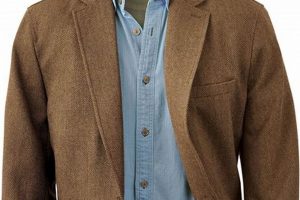
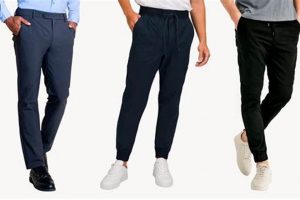
The selection of appropriate attire for female travelers focuses on garments that prioritize comfort, versatility, and practicality. These items are often designed to be lightweight, wrinkle-resistant, and quick-drying, enabling efficient packing and adaptability to varied climates and activities. As an example, consider a merino wool top, offering temperature regulation and odor resistance, paired with convertible pants that can transition from long trousers to shorts.
The significance of carefully chosen travel attire lies in enhanced travel experiences. Optimized clothing choices contribute to comfort during long journeys, adaptability to diverse environments, and reduced luggage weight and volume. Historically, travelers were limited by heavy, cumbersome clothing. Modern textile technology has revolutionized options, offering lightweight, durable, and functional alternatives that significantly improve the overall travel experience.
Subsequent sections will delve into specific criteria for selecting appropriate garments, exploring different fabric options, essential items for a versatile travel wardrobe, and strategies for packing efficiently to minimize space and maximize utility. The goal is to provide practical guidance for curating a travel wardrobe that meets the demands of diverse travel scenarios.
Garment Selection Guidance for Female Travelers
The following recommendations offer insights into selecting clothing specifically designed to optimize the travel experience for women. Focus is placed on functionality, durability, and adaptability to diverse travel conditions.
Tip 1: Prioritize Versatile Fabrics: Opt for materials such as merino wool or synthetic blends, which offer moisture-wicking properties, temperature regulation, and odor resistance. These fabrics minimize the need for frequent washing and maximize comfort in varying climates.
Tip 2: Emphasize Neutral Color Palettes: Choose a wardrobe based on neutral colors like navy, gray, black, and beige. This allows for easy mixing and matching of items, creating multiple outfits from a limited selection of clothing.
Tip 3: Consider Convertible Garments: Select items such as convertible pants or skirts that can be adjusted for different climates and activities. This reduces the number of separate garments required.
Tip 4: Seek Wrinkle-Resistant Materials: Look for fabrics treated to resist wrinkling or naturally wrinkle-resistant materials like linen blends. This ensures a presentable appearance even after extended periods of packing.
Tip 5: Evaluate Garment Weight and Packability: Prioritize lightweight items that can be easily compressed for packing. Heavy garments increase luggage weight and reduce available space.
Tip 6: Accessorize Strategically: Scarves, belts, and jewelry can transform basic outfits and add versatility to a limited wardrobe. Choose accessories that are lightweight and easily packed.
Tip 7: Test Garments Before Departure: Wear new clothing items before traveling to ensure comfort and proper fit. This allows for adjustments or returns if necessary.
Selecting appropriate attire using these guidelines results in a more comfortable, efficient, and enjoyable travel experience. Careful consideration of fabric, color, and garment design can significantly reduce luggage weight and enhance adaptability to diverse travel conditions.
The subsequent conclusion will consolidate the key principles outlined, emphasizing the long-term benefits of thoughtful travel wardrobe planning.
1. Fabric Weight

Fabric weight significantly impacts the overall utility and desirability of attire intended for female travelers. Lighter-weight materials contribute directly to reduced luggage weight, a crucial factor in air travel where baggage restrictions are increasingly stringent and excess weight incurs additional fees. For example, a traveler selecting a linen shirt over a denim one for warmer climates benefits from the former’s lighter weight and breathability, thereby optimizing packing efficiency and personal comfort. The correlation between minimal fabric weight and portability is fundamental to effective travel wardrobe planning.
The selection of lightweight fabrics also influences the comfort and wearability of clothing during extended periods of transit or activity. Heavy garments can restrict movement, increase perspiration, and lead to discomfort, particularly in warmer climates. Choosing lightweight alternatives, such as nylon or polyester blends, allows for greater freedom of movement and enhances breathability. This is practically demonstrated when a traveler selects a lightweight, quick-drying hiking pant over a heavy cotton version, enabling more comfortable and efficient mobility during outdoor excursions. Fabric weight, therefore, directly impacts both luggage constraints and personal comfort while traveling.
In summary, the consideration of fabric weight is paramount when curating a travel wardrobe for women. The balance between durability, comfort, and minimal weight ensures that selected garments contribute positively to the travel experience. By prioritizing lightweight materials, travelers can optimize luggage space, enhance personal comfort, and navigate diverse environments with greater ease. The challenge remains in finding fabrics that provide adequate performance characteristics durability, wrinkle-resistance without compromising weight minimization, a crucial consideration for any travel wardrobe.
2. Wrinkle Resistance

Wrinkle resistance is a critical characteristic when evaluating apparel for female travelers. Garments that maintain a presentable appearance despite being packed and worn for extended periods without ironing or steaming offer a distinct advantage. The capacity of clothing to resist wrinkling directly impacts the practicality and aesthetic appeal of a travel wardrobe.
- Material Composition and Weave
The inherent wrinkle resistance of a fabric is largely determined by its fiber composition and weave. Synthetic fibers like polyester and nylon, as well as certain natural fibers such as merino wool, possess a natural resistance to wrinkling due to their elastic properties. Tightly woven fabrics tend to wrinkle less than loosely woven ones. For example, a finely woven polyester blouse will maintain a smoother appearance compared to a loosely woven cotton one after being packed in a suitcase.
- Fabric Treatments and Finishes
Textile manufacturers often employ chemical treatments and finishing processes to enhance the wrinkle resistance of fabrics. These treatments modify the fiber structure, making it more resilient and less prone to creasing. Examples include wrinkle-resistant finishes applied to cotton or linen blends. These treatments can significantly improve the travel-friendliness of fabrics that would otherwise wrinkle easily.
- Care and Maintenance Requirements
The level of care required to maintain a garment’s wrinkle-free appearance is an important consideration for travelers. Fabrics that require extensive ironing or special cleaning processes are less desirable than those that can be easily washed and dried without significant wrinkling. The ease of care directly translates to convenience and practicality during travel, particularly when access to laundry facilities is limited.
- Aesthetic Impact and Versatility
Wrinkle resistance contributes significantly to the overall aesthetic appeal of travel clothing. Garments that retain a crisp, clean appearance are more versatile and appropriate for a wider range of situations, from casual sightseeing to more formal events. This versatility reduces the need to pack multiple outfits for different occasions. For instance, a wrinkle-resistant dress can be worn both for daytime excursions and evening dinners, minimizing wardrobe requirements.
The interplay of material, treatment, care, and aesthetics underscores the importance of wrinkle resistance in optimal travel clothing for women. By prioritizing garments with inherent or enhanced wrinkle resistance, travelers can minimize the need for ironing, reduce luggage weight, and maintain a presentable appearance throughout their journey. These aspects are crucial for the functional utility of clothing.
3. Versatility

Versatility, in the context of attire intended for female travelers, refers to the ability of a garment to adapt to a variety of situations, climates, and activities. This adaptability directly affects the efficiency and practicality of a travel wardrobe. Attire lacking versatility necessitates the inclusion of a larger quantity of items to address varying needs, thereby increasing luggage weight and diminishing convenience. For instance, a single dress that transitions seamlessly from daytime sightseeing to evening dining exemplifies versatility. Conversely, separate outfits dedicated to specific occasions demonstrate a lack thereof.
The selection of versatile pieces is essential for creating a functional and streamlined travel wardrobe. Neutral color palettes are a fundamental element; these colors permit mixing and matching different items to create a range of outfits. Similarly, convertible clothing, such as pants that zip off into shorts or a scarf that functions as a shawl, exemplifies adaptability. The practical significance lies in the ability to minimize the number of garments required while maintaining a sufficient range of options. This approach reduces both luggage volume and the burden of decision-making during travel.
In conclusion, versatility is a core determinant of optimal travel attire. The ability of clothing to function across multiple contexts reduces the need for excessive packing, simplifies wardrobe management, and enhances the overall travel experience. By prioritizing garments that offer broad applicability, female travelers can achieve greater efficiency and convenience. The challenge lies in identifying items that balance versatility with durability, comfort, and aesthetic appeal. The selection of the garments can make or break a travel wardrobe.
4. Packability
Packability, in the context of optimal travel attire for women, denotes the ease with which garments can be compressed and stored within luggage without incurring excessive wrinkling or consuming undue space. This attribute is paramount for female travelers seeking to minimize baggage weight and volume while maximizing wardrobe versatility.
- Fabric Compressibility
The inherent compressibility of a fabric directly influences its packability. Certain materials, such as microfiber and thin merino wool, can be tightly rolled or folded without significant wrinkling, allowing for efficient space utilization. Conversely, bulky fabrics like heavy denim or thick wool require more space and are prone to creasing. The choice of compressible materials is therefore crucial for efficient packing.
- Garment Construction and Design
The design and construction of a garment also affect its packability. Simple, streamlined designs with minimal embellishments or bulky seams tend to pack more efficiently than those with intricate details. Garments designed to be lightweight and easily foldable contribute significantly to minimizing space consumption within luggage. An example includes a packable down jacket that compresses into a small pouch.
- Rolling vs. Folding Techniques
Packing techniques impact the overall packability of clothing. Rolling garments, rather than folding them, often reduces wrinkling and allows for more efficient space utilization. The rolling technique minimizes sharp creases and maximizes the use of available space within a suitcase or backpack. Additionally, utilizing packing cubes can further compress garments and organize luggage effectively.
- Weight-to-Volume Ratio
The weight-to-volume ratio of a garment is a critical determinant of its suitability for travel. Lightweight fabrics that compress into a small volume offer the best combination for packability. Garments that are both heavy and bulky are less desirable for travel, as they contribute significantly to luggage weight and consume valuable space. A lightweight, packable rain jacket exemplifies a favorable weight-to-volume ratio.
The interplay of fabric compressibility, garment design, packing techniques, and weight-to-volume ratio underscores the significance of packability in selecting travel attire for women. Prioritizing garments that are easily compressed, wrinkle-resistant, and lightweight enables travelers to maximize luggage space, minimize baggage weight, and maintain a well-organized and versatile travel wardrobe.
5. Durability
Durability, in the context of selecting optimal travel attire for women, represents the capacity of garments to withstand the rigors of travel, including frequent wear, packing, unpacking, washing, and exposure to diverse environmental conditions. Garments lacking sufficient durability compromise the practicality and longevity of a travel wardrobe, leading to increased replacement costs and reduced overall satisfaction.
- Material Strength and Construction
The inherent strength of the fabric and the quality of garment construction are fundamental determinants of durability. Tightly woven fabrics composed of resilient fibers, such as nylon, polyester, or merino wool, exhibit greater resistance to tearing, abrasion, and wear. Reinforced seams, durable hardware (zippers, buttons), and meticulous stitching contribute to the overall structural integrity of a garment. For instance, a pair of travel pants constructed from ripstop nylon with reinforced knees is more likely to withstand demanding outdoor activities compared to a garment made from delicate, loosely woven cotton.
- Resistance to Environmental Factors
Durable travel clothing should exhibit resistance to common environmental factors encountered during travel, including sunlight, moisture, and temperature fluctuations. Fabrics that are treated with UV protection prevent fading and degradation from prolonged sun exposure. Water-resistant or waterproof coatings protect against rain and moisture, while breathable fabrics allow for temperature regulation in varying climates. A travel jacket constructed from water-resistant and UV-protective material would exemplify this attribute.
- Colorfastness and Stain Resistance
Colorfastness refers to the ability of a fabric to retain its original color despite repeated washing and exposure to sunlight. Stain resistance minimizes the likelihood of permanent staining from spills or environmental contaminants. Garments that exhibit both colorfastness and stain resistance maintain a more presentable appearance throughout extended travel periods. For example, a garment treated with a stain-resistant finish and dyed with colorfast dyes will resist discoloration and staining more effectively than one lacking these attributes.
- Abrasion Resistance and Pilling
Abrasion resistance is the ability of a fabric to withstand rubbing and friction without significant wear or damage. Pilling refers to the formation of small balls of fiber on the surface of a fabric due to abrasion. Durable travel clothing should exhibit high abrasion resistance and minimal pilling to maintain its appearance and structural integrity over time. A garment made from a tightly woven, abrasion-resistant fabric is less likely to show signs of wear and tear after repeated use compared to a fabric prone to abrasion and pilling.
In conclusion, the durability of travel attire is a multifaceted attribute encompassing material strength, resistance to environmental factors, colorfastness, stain resistance, and abrasion resistance. By prioritizing garments that exhibit these characteristics, female travelers can invest in a wardrobe that withstands the rigors of travel, maintains its appearance, and provides long-term value. These aspects directly impact the practical long-term benefits. Careful choices during initial selection improve longevity.
6. Climate Adaptability

Climate adaptability is a critical consideration in selecting optimal travel attire for women. The ability of clothing to perform effectively across a range of environmental conditions directly influences comfort, safety, and overall travel experience. Garments that lack climate adaptability may render the wearer uncomfortable, restrict activity, and potentially expose her to adverse weather elements.
- Moisture Management
Effective moisture management is essential for climate adaptability. Fabrics that wick moisture away from the skin, such as merino wool or synthetic blends, facilitate evaporative cooling in warm environments and prevent chilling in cold conditions. This is particularly important for activities involving physical exertion, where perspiration can lead to discomfort and potential health risks. For example, a moisture-wicking base layer worn during hiking can help regulate body temperature and prevent hypothermia in cooler climates. Garments lacking moisture management can lead to discomfort and skin irritation.
- Temperature Regulation
Clothing that provides adequate temperature regulation is vital for adapting to fluctuating climates. Layering systems, consisting of a base layer, insulating mid-layer, and weather-resistant outer layer, allow for adjustments to changing temperatures and conditions. Breathable fabrics permit ventilation and prevent overheating in warm environments, while insulating materials trap body heat in cold environments. A versatile travel jacket with a removable insulating layer provides adaptability to varied temperature ranges. Failure to regulate temperature can lead to hyperthermia or hypothermia.
- Wind Resistance
Wind resistance is a crucial factor in maintaining comfort and preventing heat loss in windy environments. Outerwear constructed from windproof materials, such as tightly woven nylon or polyester, shields the body from wind chill and maintains a stable core temperature. Windproof garments are particularly important for activities conducted in exposed areas, such as hiking or sightseeing in coastal regions. A windproof jacket can significantly enhance comfort in windy conditions. A lack of wind resistance can lead to significant heat loss.
- Protection from Sun and Rain
Climate-adaptive clothing should provide adequate protection from sun and rain. Fabrics with a high Ultraviolet Protection Factor (UPF) shield the skin from harmful UV radiation, reducing the risk of sunburn and skin damage. Water-resistant or waterproof outerwear protects against rain and moisture, keeping the wearer dry and comfortable. Garments combining both UPF protection and water resistance offer comprehensive climate adaptability. Sunburn and water damage are both possible without these protections.
- Layering Systems for Adaptability
The creation of a layering system is critical for optimizing travel attire’s ability to adapt to climate variables. A base layer manages moisture, an insulating mid-layer provides warmth, and a weather-resistant outer layer offers protection from wind and rain. Each layer should be selected for its individual performance characteristics and its compatibility with other layers. This system provides flexibility to adjust to varied environmental conditions.
The aforementioned facets of climate adaptability underscore their crucial role in selecting optimal travel attire for women. Garments that effectively manage moisture, regulate temperature, provide wind resistance, and offer protection from sun and rain contribute significantly to comfort, safety, and overall travel enjoyment. The thoughtful selection of climate-adaptive clothing enables travelers to navigate diverse environments with confidence and ease, minimizing the impact of weather-related challenges.
Frequently Asked Questions
The following section addresses common inquiries regarding the selection and utilization of clothing designed to enhance the travel experience for women.
Question 1: What constitutes the most appropriate fabric for travel clothing?
The suitability of a fabric for travel depends on several factors, including climate, activity level, and personal preference. Merino wool offers excellent temperature regulation, moisture-wicking properties, and odor resistance. Synthetic blends, such as polyester or nylon, provide durability, wrinkle resistance, and quick-drying capabilities. Cotton, while comfortable, is less ideal due to its slow drying time and tendency to wrinkle.
Question 2: How does one minimize wrinkling in packed clothing?
Minimizing wrinkles requires careful packing techniques and the selection of wrinkle-resistant fabrics. Rolling garments tightly, rather than folding them, can reduce creasing. Packing cubes help compress clothing and prevent movement during transit. Choosing fabrics with inherent wrinkle resistance or treated with wrinkle-resistant finishes is also beneficial.
Question 3: What are the essential items for a versatile travel wardrobe?
A versatile travel wardrobe typically includes neutral-colored tops and bottoms that can be mixed and matched to create multiple outfits. A lightweight jacket or sweater provides warmth in cooler climates. A scarf can serve as a shawl, head covering, or accessory. Comfortable walking shoes are essential for sightseeing. Convertible clothing, such as pants that zip off into shorts, offers added versatility.
Question 4: How can one effectively layer clothing for varied climates?
Effective layering involves selecting lightweight, moisture-wicking base layers, insulating mid-layers, and weather-resistant outer layers. The base layer should draw moisture away from the skin. The mid-layer, such as a fleece jacket or down vest, provides insulation. The outer layer, such as a waterproof and windproof jacket, protects against the elements. This system allows for adjustments to changing temperatures and conditions.
Question 5: What factors should influence shoe selection for travel?
Comfort, support, and durability are paramount in selecting travel shoes. Opt for shoes with good arch support and cushioning for extended walking. Consider the climate and terrain of the destination when choosing between sneakers, sandals, or boots. Waterproof or water-resistant shoes are advisable for wet environments. Break in new shoes before travel to prevent blisters.
Question 6: How does one maintain cleanliness and hygiene while traveling?
Maintaining cleanliness requires regular washing of clothing items, either by hand or using laundry facilities. Quick-drying fabrics are beneficial for handwashing. Packing a small amount of detergent or soap is advisable. Utilizing antibacterial wipes or hand sanitizer helps maintain hygiene when access to water is limited. Consider packing clothing that is odor-resistant for reduced washing needs.
The optimal travel wardrobe balances comfort, practicality, and versatility. Careful consideration of fabric, design, and packing techniques enhances the overall travel experience.
The subsequent section will provide a consolidated summary of the key points outlined throughout the preceding content.
Conclusion
The preceding analysis has explored critical factors influencing the selection of optimal attire for female travelers. Fabric properties, garment design, and packing techniques significantly impact comfort, practicality, and versatility. Considerations such as wrinkle resistance, packability, durability, and climate adaptability are paramount in curating a functional and efficient travel wardrobe. Prioritizing these elements allows for minimization of luggage weight and maximization of preparedness for diverse travel scenarios. Garments meeting these criteria enhance the overall travel experience, providing comfort and confidence throughout various journeys.
The principles outlined serve as a foundational guide for informed decision-making in travel wardrobe planning. As textile technology and design innovation continue to evolve, further advancements in travel-specific clothing are anticipated. By adhering to these core principles, travelers can ensure their wardrobe contributes positively to their journeys, regardless of destination or duration. Continued research and informed selection are essential for optimizing this vital aspect of travel preparation. Ultimately, carefully selected attire transforms travel from a logistical challenge into a more comfortable and enjoyable experience, therefore it is recommended to review the list before making a selection.
![Top-Rated Best Travel Sandals Womens [Comfort & Style] | Best Travel Tips for Adventurers: Explore the World on a Budget](https://detravellers.com/wp-content/uploads/2026/04/th-98-300x200.jpg "Top-Rated Best Travel Sandals Womens [Comfort & Style] Best Travel Tips for Adventurers: Explore the World on a Budget")