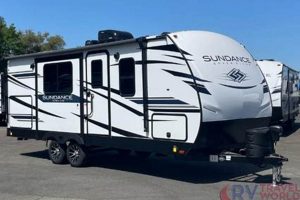
The practice involves installing a barrier around the base of a recreational vehicle. This enclosure typically extends from the bottom edge of the travel trailer to the ground, effectively creating a protected space underneath. Materials used for this purpose vary widely, including vinyl, wood, metal, or even specialized insulated fabrics. For example, individuals residing in locations with consistently cold temperatures may opt for insulated materials to mitigate heat loss from underneath the vehicle.
This addition offers several advantages. It aids in temperature regulation, helping to keep the interior warmer in cold weather and cooler in hot weather, thus reducing energy consumption. It also serves as a deterrent to pests and animals seeking shelter under the unit. Furthermore, it can improve the overall aesthetic appeal of the setup and provide a measure of protection against wind, snow, and debris. Historically, this practice has been prevalent among individuals who use their travel trailers as semi-permanent or permanent residences.
The subsequent sections will detail the various materials available for achieving this effect, installation techniques, and considerations for selecting the most appropriate option based on individual needs and environmental conditions. The focus will be on providing a practical guide to help readers make informed decisions.
Skirting a Travel Trailer
Effective implementation requires careful planning and attention to detail. The following tips offer guidance on selecting the appropriate materials, ensuring proper installation, and maximizing the benefits of this endeavor.
Tip 1: Material Selection is Critical: Consider the climate and intended duration of stay. Vinyl offers affordability and ease of installation, suitable for temporary setups. Wood provides a more robust and aesthetically pleasing option for longer-term applications. Insulated materials are highly recommended for regions with extreme temperatures.
Tip 2: Precise Measurement is Paramount: Accurate measurements of the perimeter of the travel trailer and the distance from the bottom edge to the ground are essential. This ensures a snug fit and prevents gaps that could compromise insulation and pest control.
Tip 3: Ensure Adequate Ventilation: Incorporate ventilation openings to prevent moisture buildup and potential mold growth underneath the trailer. Strategically placed vents can promote airflow without compromising insulation.
Tip 4: Secure and Durable Attachment: Use appropriate fasteners to securely attach the chosen material to the travel trailer. Consider using screws, rivets, or heavy-duty adhesive, depending on the material and the trailer’s construction. Regularly inspect and maintain the attachment points to prevent detachment.
Tip 5: Address Ground Contact: Treat the ground where the material will rest to prevent weeds and grass from growing through. A layer of gravel or landscape fabric can effectively suppress vegetation and maintain a clean and tidy appearance.
Tip 6: Consider Accessibility: Plan for easy access to utilities such as water hookups, sewer connections, and electrical outlets. Incorporate removable panels or strategically placed openings to facilitate maintenance and repairs.
Tip 7: Regular Inspection and Maintenance: Routinely inspect the installation for damage, gaps, or signs of wear. Promptly repair any issues to maintain its effectiveness and prevent more significant problems from developing.
These tips emphasize the importance of careful planning, precise execution, and consistent maintenance. Adhering to these guidelines will optimize the effectiveness and longevity of the effort.
The subsequent sections will delve into specific installation techniques and address common challenges encountered during the process.
1. Material Durability

The longevity and effectiveness of any installation around a travel trailer’s base hinge significantly on the durability of the chosen material. A robust material ensures resistance to environmental stressors, physical impacts, and the passage of time, directly influencing the lifespan and protective capabilities of the skirt.
- Resistance to Weathering
Exposure to sunlight, rain, snow, and temperature fluctuations can degrade materials over time. UV radiation can cause fading, cracking, and embrittlement in plastics. Repeated freeze-thaw cycles can damage porous materials like wood. Materials selected for this purpose must exhibit inherent resistance to these weathering effects to maintain structural integrity and aesthetic appeal. For example, certain grades of vinyl are specifically formulated with UV inhibitors and stabilizers to prolong their lifespan in outdoor environments.
- Impact Resistance
The lower portion of a travel trailer is vulnerable to impacts from debris, animals, and accidental contact. Materials with high impact resistance, such as metal or reinforced polymers, can withstand these forces without significant damage. This is particularly important in areas prone to strong winds or where animals may attempt to burrow or nest underneath the trailer. A material lacking adequate impact resistance may develop cracks, dents, or punctures, compromising its ability to provide a complete barrier.
- Resistance to Degradation
Beyond weathering and impact, materials are subject to degradation from chemical exposure and biological attack. Saltwater spray, cleaning agents, and even soil acidity can accelerate the breakdown of certain materials. Similarly, wood is susceptible to rot and insect infestation if not properly treated and maintained. The choice of material should consider these potential sources of degradation and prioritize options with inherent resistance or the ability to be treated for protection.
- Longevity and Maintenance
The anticipated lifespan and required maintenance of the chosen material directly impact the long-term cost and effort associated with owning a travel trailer. Materials with a long lifespan and minimal maintenance requirements, such as aluminum or certain synthetic composites, offer a lower total cost of ownership compared to materials that require frequent repairs or replacement. Consideration should be given to the availability of replacement parts and the ease of performing necessary maintenance tasks.
In summation, the selection of a material with appropriate durability characteristics is a critical factor in ensuring the effectiveness and longevity of any effort to seal a travel trailer. The material must withstand the rigors of environmental exposure, physical impacts, and potential degradation to provide lasting protection and maintain its aesthetic appeal. Failure to consider durability can result in premature failure and increased maintenance costs.
2. Climate Suitability

The effectiveness of any skirting installation is inextricably linked to the prevailing climate conditions. The suitability of chosen materials and construction methods directly influences the degree to which it can mitigate the effects of extreme temperatures, precipitation, and wind. For example, in regions characterized by sub-freezing temperatures, insulated skirting becomes a necessity to prevent frozen pipes and reduce heat loss from the undercarriage of the trailer. The consequences of neglecting climate considerations include increased energy consumption, potential damage to the trailer, and compromised comfort for occupants. Specifically, inadequate insulation can lead to significantly higher heating bills, while materials susceptible to moisture damage can deteriorate rapidly in humid climates, requiring frequent repairs or replacement. A deliberate assessment of the local climate is, therefore, a foundational step in planning a successful skirting project.
Considerations extend beyond temperature alone. Areas prone to heavy snowfall necessitate skirting designs that can withstand the weight of accumulated snow and prevent its encroachment under the trailer. Regions experiencing high winds require robust attachment mechanisms to prevent the skirting from being dislodged or damaged. Coastal environments demand materials resistant to salt corrosion. A comprehensive approach involves analyzing historical weather data, understanding microclimate variations around the trailer’s location, and selecting materials and construction techniques accordingly. For instance, a travel trailer situated in a desert environment might benefit from reflective materials to minimize heat gain, while one located in a flood-prone area should incorporate features to allow for water drainage and prevent hydrostatic pressure buildup.
In conclusion, climate suitability is not merely a desirable attribute but a critical determinant of the functionality and longevity of skirting. Neglecting this aspect can lead to costly repairs, reduced energy efficiency, and a compromised living environment. Prioritizing climate-appropriate materials, design, and installation practices will yield a more effective, durable, and sustainable solution. This requires a thorough understanding of regional weather patterns, local microclimates, and the specific properties of various skirting materials.
3. Proper Ventilation

The implementation of skirting around a travel trailer inherently creates an enclosed space beneath the unit. This enclosure, while offering benefits such as temperature regulation and pest deterrence, also presents the potential for moisture accumulation and reduced air circulation. Proper ventilation, therefore, becomes a critical component in mitigating these risks. Inadequate ventilation can lead to the buildup of humidity, fostering conditions conducive to mold and mildew growth, which can damage the trailer’s undercarriage and compromise indoor air quality. Real-world examples include instances where unventilated skirting has resulted in significant structural damage due to rot, necessitating costly repairs. The practical significance lies in preventing these adverse effects through the incorporation of strategic ventilation solutions.
Effective ventilation strategies involve creating openings within the skirting to allow for air exchange. These vents should be appropriately sized and positioned to promote cross-ventilation, facilitating the removal of moisture-laden air and the introduction of fresh air. The placement of vents should consider prevailing wind patterns to maximize airflow. In some cases, powered ventilation systems may be necessary to ensure adequate air circulation, particularly in humid climates or when the trailer is located in a sheltered area with limited natural airflow. Furthermore, it is crucial to consider the potential for pest intrusion when designing ventilation openings, incorporating screens or other barriers to prevent animals from entering the enclosed space.
In summary, proper ventilation is an indispensable aspect of skirting a travel trailer. It addresses the inherent risks associated with creating an enclosed space, preventing moisture buildup, mold growth, and structural damage. Challenges may arise in determining the optimal number, size, and placement of vents, requiring careful consideration of local climate conditions and trailer location. By prioritizing ventilation, the benefits of skirting can be realized without compromising the long-term integrity and habitability of the travel trailer.
4. Pest Deterrence

The installation of skirting around a travel trailer significantly impacts pest control. The resulting barrier aims to prevent various animals and insects from accessing the undercarriage, a space often offering shelter and potential entry points into the living area.
- Physical Barrier Formation
Skirting acts as a direct physical impediment to rodents, insects, and larger animals. The barrier prevents them from easily accessing the underside of the travel trailer, where they might otherwise nest or find pathways into the interior. For instance, without skirting, mice and rats can readily establish nests under the trailer during colder months, potentially causing damage to wiring and insulation. A well-sealed skirting system eliminates this accessibility.
- Elimination of Harborage
The space beneath a travel trailer can provide an ideal harborage for pests. Skirting eliminates this sheltered environment, reducing the attractiveness of the area for nesting and breeding. Examples include spiders, snakes, and insects that prefer dark, undisturbed spaces. By denying them this habitat, the overall pest pressure around the travel trailer is diminished.
- Material-Specific Deterrent Properties
Certain materials used for skirting offer additional pest deterrent properties. For instance, metal skirting is less attractive to rodents than some plastic options, as it is more difficult to gnaw through. Similarly, tightly woven mesh or solid materials prevent insects from entering. The selection of skirting material can therefore play a role in proactively managing potential pest infestations.
- Maintenance and Seal Integrity
The effectiveness of skirting as a pest deterrent is contingent upon proper installation and ongoing maintenance. Gaps or breaches in the skirting can provide entry points for pests, negating the intended barrier. Regular inspections and prompt repairs are essential to maintain the seal integrity and ensure continued pest prevention. A compromised section of skirting allows pests to bypass the barrier, undermining its primary function.
These facets highlight how skirting, when properly implemented and maintained, serves as a crucial component of pest management for travel trailers. The reduction of harborage, combined with the physical barrier, makes the area significantly less attractive to a range of pests, minimizing the risk of infestations and associated damage. However, ongoing vigilance is required to ensure the skirting remains intact and effective over time. Comparisons with other pest control methods show that skirting provides a proactive, preventative measure that complements other strategies such as traps and repellents.
5. Energy Efficiency
The installation of skirting around a travel trailer directly affects its energy efficiency. By creating an enclosed space beneath the unit, skirting mitigates heat loss during colder months and reduces heat gain during warmer months. This, in turn, lessens the demand on heating and cooling systems, leading to lower energy consumption and reduced utility costs. The effectiveness of skirting in enhancing energy efficiency is contingent upon several factors, including the type of material used, the quality of installation, and the prevailing climate conditions. For instance, insulated skirting provides a more significant energy savings compared to non-insulated options, particularly in regions with extreme temperatures. Conversely, poorly installed skirting with gaps and air leaks will offer minimal energy benefits, negating the intended purpose. The correlation between skirting and energy efficiency is demonstrable through real-world examples where travel trailer owners have reported noticeable reductions in their energy bills after installing skirting.
The practical significance of understanding this connection lies in enabling informed decision-making regarding the selection and implementation of skirting solutions. Travel trailer owners can prioritize energy efficiency by choosing materials with high insulation values, ensuring a tight seal around the perimeter of the trailer, and incorporating ventilation to prevent moisture buildup. Furthermore, an understanding of the energy-saving potential of skirting can justify the initial investment, as the long-term cost savings on energy bills can offset the upfront expenses. Case studies have illustrated that the payback period for skirting installation can range from a few years to several years, depending on the climate and energy consumption patterns. However, even in milder climates, skirting can contribute to improved comfort levels within the travel trailer by reducing drafts and temperature fluctuations.
In summary, the relationship between energy efficiency and skirting is a crucial consideration for travel trailer owners seeking to reduce energy consumption and lower utility costs. By creating a barrier that minimizes heat transfer, skirting can significantly improve the energy performance of a travel trailer. The key to maximizing these benefits lies in selecting appropriate materials, ensuring proper installation, and maintaining the integrity of the skirting over time. While challenges may arise in optimizing skirting for specific climate conditions and travel trailer configurations, the potential for energy savings makes it a worthwhile investment for many owners. The integration of energy-efficient skirting solutions aligns with broader goals of sustainability and resource conservation in recreational vehicle living.
6. Attachment Security
Attachment security is a paramount consideration in the successful implementation and long-term effectiveness of skirting a travel trailer. Secure attachment ensures the skirting remains in place, providing the intended benefits of temperature regulation, pest deterrence, and aesthetic improvement. Failure to adequately secure the skirting can lead to its detachment, compromising its functionality and potentially causing damage to the trailer or surrounding property.
- Wind Resistance and Aerodynamic Load
Travel trailers are often subjected to significant wind loads, particularly during transit or in exposed locations. The attachment system must be capable of withstanding these forces without failing. Insufficiently secured skirting can act as a sail, creating additional drag and potentially leading to detachment. Examples include situations where lightweight vinyl skirting, improperly attached, has been torn away from trailers during high winds, requiring costly repairs and replacement. Appropriate fasteners and reinforcement techniques are crucial to mitigate this risk.
- Material Compatibility and Fastener Selection
The choice of fasteners must be compatible with both the skirting material and the trailer’s exterior. Incompatible materials can lead to corrosion, weakening of the connection, and eventual failure. For example, using steel screws with aluminum siding can cause galvanic corrosion, compromising the attachment strength. Selecting appropriate fasteners, such as stainless steel or coated screws, and using proper installation techniques are essential to ensure long-term attachment security.
- Environmental Degradation and Maintenance
Exposure to the elements can degrade attachment components over time. UV radiation, moisture, and temperature fluctuations can weaken fasteners and cause materials to deteriorate. Regular inspection and maintenance are necessary to identify and address any signs of degradation. For instance, rusted screws should be replaced, and loose connections should be tightened to prevent further damage and ensure the skirting remains securely attached. Neglecting maintenance can lead to a gradual weakening of the attachment system, eventually resulting in failure.
- Structural Integrity of the Trailer
The attachment system should not compromise the structural integrity of the travel trailer. Fasteners should be appropriately sized and placed to avoid overloading any single point on the trailer’s frame or exterior. Improperly installed fasteners can create stress concentrations, potentially leading to cracks or other structural damage. For example, using excessively long screws can penetrate the trailer’s interior walls, causing leaks and other problems. Careful planning and adherence to manufacturer’s recommendations are essential to ensure the attachment system is both secure and structurally sound.
The facets discussed highlight the multifaceted nature of attachment security and its critical role in the overall performance of skirting a travel trailer. Failure to address these considerations can negate the intended benefits of the skirting and potentially lead to costly repairs and safety hazards. A comprehensive approach that considers wind resistance, material compatibility, environmental degradation, and structural integrity is essential to ensure a secure and lasting attachment.
7. Aesthetic Integration

The visual appearance of a travel trailer is often enhanced through the addition of skirting. This practice, beyond its functional benefits, significantly contributes to the overall aesthetic appeal of the setup. Poorly chosen or implemented skirting can detract from the visual presentation, while thoughtfully selected and installed materials can create a cohesive and attractive appearance. This integration involves aligning the skirting’s style, color, and texture with the existing aesthetics of the travel trailer and its surroundings. The effect is a more polished and professional look, transforming the travel trailer from a mobile unit into a more integrated component of its environment. For example, skirting that mimics the appearance of natural stone can seamlessly blend a travel trailer with a landscape setting, enhancing its visual harmony.
Consideration of aesthetic integration extends beyond mere visual appeal. It encompasses the perception of value and care associated with the travel trailer. A well-skirted unit projects an image of meticulous maintenance and attention to detail, enhancing its perceived worth. This can be particularly relevant in settings where travel trailers are used as semi-permanent or permanent residences, where a cohesive and well-maintained appearance contributes to the overall property value. Practical applications include matching the skirting color to the travel trailer’s exterior paint, using materials that complement existing landscaping features, and ensuring a clean and uniform installation. These factors contribute to a harmonious visual experience, enhancing the overall aesthetic value of the setup.
In summary, aesthetic integration is a critical, though often overlooked, aspect of skirting a travel trailer. It moves beyond mere functionality to address the visual impact of the installation. Challenges in achieving seamless integration can include variations in material availability, cost constraints, and the need to adapt to diverse environmental settings. However, prioritizing aesthetic considerations alongside functional requirements results in a more visually appealing and valuable travel trailer setup. This integration contributes to a positive visual experience, reflecting care, attention to detail, and an overall enhancement of the travel trailer’s perceived worth.
Frequently Asked Questions about Skirting a Travel Trailer
The following addresses common inquiries regarding the installation and benefits associated with the application of skirting to a travel trailer.
Question 1: What is the primary function of skirting on a travel trailer?
The primary function is to create a barrier around the base of the travel trailer, effectively enclosing the undercarriage. This enclosure helps regulate temperature, deter pests, and improve the overall aesthetic of the setup.
Question 2: What materials are commonly used for travel trailer skirting?
Common materials include vinyl, wood, metal, and insulated fabric. The selection of material depends on factors such as budget, climate, desired durability, and aesthetic preferences.
Question 3: Is ventilation necessary when skirting a travel trailer?
Yes, ventilation is crucial to prevent moisture buildup and mold growth under the trailer. Adequate ventilation can be achieved through the incorporation of strategically placed vents within the skirting.
Question 4: How does skirting contribute to energy efficiency?
Skirting reduces heat loss during colder months and minimizes heat gain during warmer months. This improves energy efficiency by lessening the demand on heating and cooling systems.
Question 5: How can skirting deter pests from entering the space under a travel trailer?
Skirting acts as a physical barrier, preventing rodents, insects, and other animals from accessing the undercarriage. Proper sealing and maintenance of the skirting are essential for effective pest deterrence.
Question 6: What are the key considerations for ensuring secure attachment of skirting to a travel trailer?
Key considerations include selecting appropriate fasteners, ensuring material compatibility, accounting for wind resistance, and performing regular maintenance to address any signs of degradation or loosening.
In summary, skirting offers various benefits, including temperature regulation, pest control, and aesthetic enhancement. Careful planning and proper installation are necessary to maximize these advantages.
The subsequent section will address common installation techniques and potential challenges encountered during the skirting process.
Skirting a Travel Trailer
The preceding discussion has explored the multifaceted aspects of skirting a travel trailer, examining its practical benefits, material considerations, and installation complexities. Effective implementation hinges on careful planning, a thorough understanding of environmental factors, and adherence to sound construction principles. Key elements such as material durability, climate suitability, proper ventilation, and secure attachment must be addressed to ensure the long-term effectiveness of the installation.
While offering advantages in temperature regulation, pest deterrence, and aesthetic enhancement, skirting also presents potential challenges related to moisture management and structural integrity. Therefore, a discerning approach is warranted, balancing the potential benefits against the associated risks and costs. Continued research and development in materials and installation techniques are essential to optimize the performance and sustainability of skirting solutions for travel trailers, ensuring their enduring value in diverse environmental contexts.