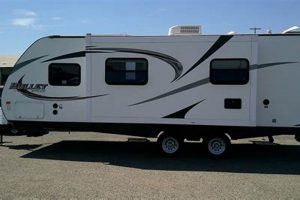
These recreational vehicles combine the functionality of a cargo trailer with the amenities of a living space. Characterized by a rear ramp door, they facilitate the transport of motorcycles, ATVs, and other recreational equipment, while providing living quarters for travel. For example, such a vehicle might be used to transport a side-by-side to a remote trail, simultaneously offering sleeping, cooking, and bathroom facilities for the duration of the trip.
The appeal of these units lies in their dual-purpose nature, offering significant cost savings compared to purchasing separate cargo and living solutions. Their development reflects a response to the growing demand for flexible recreational transportation options, simplifying logistics and enabling enthusiasts to combine hobbies with travel. The resale market presents an opportunity to acquire these multifaceted vehicles at potentially lower price points, broadening accessibility.
The subsequent sections will delve into essential considerations for evaluating such a unit, including assessing structural integrity, inspecting mechanical systems, and understanding market valuation, all aimed at providing a framework for informed decision-making. These factors help determine the overall value and suitability of a specific unit.
Considerations When Acquiring a Pre-Owned Recreational Vehicle
A careful evaluation process is crucial when considering the acquisition of a pre-owned recreational vehicle designed for hauling cargo and providing living accommodations. The following points outline key considerations to ensure a sound investment.
Tip 1: Inspect the Ramp Door Mechanism: Thoroughly examine the ramp door for signs of wear, damage, or misalignment. Test its operation, ensuring smooth opening and closing, and verify the integrity of the hinges and locking mechanisms. A compromised ramp door can present safety hazards and security risks.
Tip 2: Evaluate Frame and Suspension: Conduct a meticulous inspection of the frame for rust, cracks, or evidence of prior repairs. Assess the condition of the suspension components, including axles, springs, and shocks. A compromised frame or suspension can lead to handling instability and structural failure.
Tip 3: Assess Living Area Appliances: Test all appliances within the living area, including the refrigerator, stove, water heater, and air conditioner. Verify proper functionality and identify any signs of malfunction or disrepair. Malfunctioning appliances can lead to significant repair costs and inconvenience.
Tip 4: Examine Plumbing and Electrical Systems: Inspect the plumbing system for leaks or damage, and ensure proper operation of all faucets and fixtures. Evaluate the electrical system, checking for frayed wires, loose connections, and proper grounding. Faulty plumbing or electrical systems can pose safety hazards and require extensive repairs.
Tip 5: Verify Cargo Area Condition: Assess the cargo area for signs of damage, such as gouges, dents, or staining. Inspect the floor for structural integrity and ensure proper tie-down points are present and functional. A damaged cargo area can compromise the safety of transported equipment.
Tip 6: Review Maintenance Records: Request and thoroughly review the vehicle’s maintenance records to understand its service history and identify any recurring issues. A well-maintained unit is more likely to provide reliable performance and minimize future repair costs.
These considerations are essential for making an informed decision and mitigating potential risks associated with the acquisition of a pre-owned recreational vehicle of this type. Careful attention to detail during the inspection process can significantly reduce the likelihood of encountering unforeseen problems.
The next section will discuss financing options and legal considerations relevant to purchasing one of these vehicles.
1. Structural Integrity

The structural integrity of a used toy hauler travel trailer is paramount to its safe and reliable operation. This category of recreational vehicle, designed to transport heavy cargo such as motorcycles or ATVs, experiences unique stress loads during transit. A compromised structure can manifest in various forms, including frame cracks, weakened welds, and water intrusion leading to wood rot. For example, repeated heavy loading and unloading can stress the rear frame, particularly around the ramp door, leading to metal fatigue. Failure to identify and address these issues can result in catastrophic structural failure, jeopardizing both the cargo and the occupants.
Assessing structural integrity requires a thorough inspection of the frame, roof, sidewalls, and floor. Evidence of past repairs, especially welding, should be carefully examined. Water stains inside the trailer can indicate leaks, potentially leading to hidden structural damage. Additionally, the suspension system plays a crucial role in supporting the structure, and worn components can exacerbate stress on the frame. Practical significance lies in preventing accidents and ensuring long-term usability. A structurally sound unit will maintain its value and provide safe transport for both cargo and passengers.
In summary, the structural integrity of a used toy hauler travel trailer directly impacts its safety, reliability, and lifespan. Prioritizing a comprehensive structural inspection before purchase is essential for mitigating potential risks and ensuring a worthwhile investment. Neglecting this aspect can result in costly repairs or, worse, dangerous situations during travel. The emphasis on structural soundness aligns with the overall goal of providing information necessary for informed decision-making in the pre-owned recreational vehicle market.
2. Ramp Functionality

The operational effectiveness of the ramp is a critical element in the overall utility and value of a used toy hauler travel trailer. It directly impacts the ease and safety of loading and unloading recreational vehicles and equipment, a primary function of these units.
- Ramp Door Weight Capacity
The weight capacity of the ramp door must be sufficient to handle the intended cargo. Exceeding the specified weight limit can lead to structural damage, compromising the ramp’s integrity and potentially causing accidents during loading or unloading. Manufacturers typically provide clear weight ratings, which should be verified and never exceeded. For example, a ramp rated for 1500 lbs should not be used to load a vehicle weighing 1600 lbs. This specification will be labelled near the ramp door.
- Ramp Door Condition and Hinges
The physical condition of the ramp door, including the hinges and supporting structure, requires careful inspection. Look for signs of rust, cracks, or warping, which can weaken the ramp and affect its ability to support heavy loads. Damaged hinges can cause misalignment, making the ramp difficult to operate and increasing the risk of failure. The hinges should be regularly inspected and greased.
- Ramp Door Surface and Traction
The surface of the ramp door should provide adequate traction to prevent slippage during loading and unloading, especially in wet or muddy conditions. A worn or slippery surface can pose a significant safety hazard. Check for adequate grip; aftermarket traction products like traction tape or mats can be a simple and effective solution if the existing surface is compromised. This is more important on the ramp door surface instead of the surface touching the ground, which is not the focus.
- Ramp Door Deployment Mechanism
The deployment mechanism, whether manual or powered, should operate smoothly and reliably. Manual ramps should be easy to lift and lower, while powered ramps should function without hesitation or unusual noises. Malfunctions in the deployment mechanism can create frustration and delay, and in the case of powered ramps, can be expensive to repair. If the ramp needs a little help, this can be an indicator of a bigger problem.
These facets collectively determine the practicality and safety of a pre-owned toy hauler. Compromises in ramp functionality can negate the primary benefit of this type of recreational vehicle, impacting its value and usability for potential buyers. Thorough inspection and operational testing of the ramp are thus essential steps in the evaluation process.
3. Appliance Condition

The functionality and condition of installed appliances represent a significant determinant of value and habitability within a pre-owned recreational vehicle designed for cargo transport and living. Given that these vehicles often serve as temporary residences, the operational status of appliances directly impacts user comfort and convenience.
- Refrigeration Systems
The refrigeration system, typically a propane/electric absorption refrigerator, is essential for food preservation during travel. Inoperable or inefficient refrigeration can lead to food spoilage and necessitate costly repairs or replacement. Example: a faulty cooling unit in a Dometic refrigerator will require replacement, impacting both cost and usability of the unit. The presence of a working fridge is crucial for longer road trips.
- Cooking Appliances
Cooking appliances, including stovetops and ovens, provide the means for preparing meals. Malfunctioning burners, damaged igniters, or oven temperature inconsistencies can hinder meal preparation and reduce the vehicle’s self-sufficiency. Example: A propane leak in the stovetop can present a safety hazard and necessitate professional repair or replacement. It is better to check for propane leakages with certified mechanic.
- Water Heating Systems
Water heaters, whether tank or tankless, supply hot water for showers and washing. Inefficient heating, leaks, or corrosion within the water heater can disrupt access to hot water and potentially damage surrounding structures. Example: A rusted-out water heater tank can cause significant water damage to the floor and walls of the vehicle. This often causes molds to form.
- Air Conditioning and Heating Systems
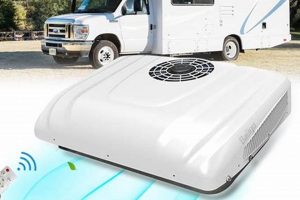
Air conditioning and heating systems maintain a comfortable interior climate regardless of external weather conditions. Non-functional or inefficient climate control can render the vehicle uninhabitable in extreme temperatures. Example: A malfunctioning air conditioner compressor will prevent cooling and require professional diagnosis and repair. Check to ensure no weird sounds coming out from the air conditioning systems. This also applies to heating systems.
Collectively, the state of installed appliances within a pre-owned recreational vehicle of this type directly correlates with its overall utility and livability. A comprehensive assessment of appliance functionality is therefore a necessary step in determining the vehicle’s value and suitability for prospective buyers.
4. Mechanical systems

The mechanical systems of a used toy hauler travel trailer are critical for safe operation and longevity. These systems facilitate mobility, stability, and essential functionalities. Their condition directly influences the vehicle’s reliability and maintenance requirements.
- Braking System
The braking system, typically electric brakes on each axle, ensures controlled deceleration and stopping. Worn brake pads, malfunctioning magnets, or faulty wiring can compromise braking performance, posing a significant safety risk. Regular inspection and maintenance, including adjustment and replacement of worn components, are essential for reliable braking. For example, failure to properly adjust the brakes can lead to uneven wear and reduced stopping power.
- Axles and Suspension
The axles and suspension system support the vehicle’s weight and absorb road shocks. Damaged axles, worn springs, or faulty shock absorbers can affect handling stability and increase stress on the frame. Signs of damage or wear, such as bent axles or cracked springs, require immediate attention. A properly functioning suspension system contributes to a smoother ride and reduces the risk of structural damage. If the used toy hauler travel trailer does not look like it is in a level position or tilt to one side, this can be an indicator of potential problems.
- Wheel Bearings
Wheel bearings allow the wheels to rotate smoothly and efficiently. Worn or improperly lubricated wheel bearings can generate excessive heat and friction, potentially leading to bearing failure and wheel lockup. Regular inspection and lubrication are crucial for preventing bearing failure and ensuring safe operation. Overpacking the bearing can also cause wheel bearing problems. A mechanic should inspect for potential signs of problems.
- Tires
Tires provide traction and support the vehicle’s weight. Worn tires, improper inflation, or tire damage can increase the risk of blowouts and compromise handling stability. Regular inspection of tire pressure, tread depth, and overall condition is essential for safe operation. The date of manufacturing should be inspected to ensure tire is in within an acceptable range. Replacement is necessary when tires reach the end of their service life, regardless of tread depth. This is very important for the used toy hauler travel trailer due to the weight.
These mechanical systems are integral to the safe and reliable operation of a used toy hauler travel trailer. Neglecting maintenance or failing to address mechanical issues can lead to costly repairs and compromise safety. A thorough inspection of these systems is a critical step in evaluating the overall condition and value of a pre-owned unit. Therefore, hiring a third party mechanic to ensure it is safe is a great idea.
5. Cargo capacity

The cargo capacity of a pre-owned recreational vehicle designed for hauling equipment and providing living accommodations is a primary consideration for prospective buyers. It dictates the type and quantity of recreational vehicles or equipment the unit can safely transport, thereby directly impacting its suitability for intended use.
- Gross Vehicle Weight Rating (GVWR)
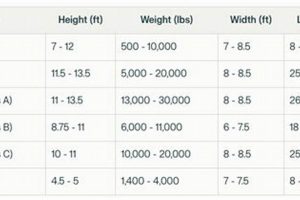
GVWR represents the maximum permissible weight of the vehicle, including its own weight, cargo, passengers, and fluids. Exceeding the GVWR can compromise structural integrity, braking performance, and handling stability. For example, a unit with a GVWR of 10,000 lbs cannot safely carry more than 10,000 lbs total. This is a major factor to consider if the used toy hauler travel trailer suits the needs.
- Cargo Carrying Capacity (CCC)
CCC is the maximum allowable weight of cargo that can be added to the unit. This figure is calculated by subtracting the vehicle’s unloaded weight (UVW) from its GVWR. Knowing the CCC is crucial for determining whether the unit can accommodate the intended cargo load. As an example, a used toy hauler may have a lower CCC because of previous modifications or add-ons. Always confirm if this used toy hauler travel trailer had modification or add-ons.
- Axle Weight Ratings
Each axle has a weight rating that specifies the maximum load it can safely bear. Exceeding an axle’s weight rating can lead to axle failure, tire blowouts, and loss of control. The weight distribution within the cargo area must be carefully managed to ensure that no axle is overloaded. If you are not sure about this for your used toy hauler travel trailer, ask the experts.
- Tie-Down Points and Security
The cargo area should be equipped with sufficient tie-down points to secure the transported equipment. The strength and placement of these tie-down points are critical for preventing cargo from shifting during transit. Improperly secured cargo can cause damage to the vehicle and pose a safety hazard. Ensure that these tie-down points are secured to the frame of the used toy hauler travel trailer.
The advertised cargo capacity of a pre-owned recreational vehicle of this type should be critically evaluated in light of these factors. Understanding GVWR, CCC, axle weight ratings, and the adequacy of tie-down points is essential for making an informed purchase decision and ensuring safe and responsible operation of the vehicle. Always check if the advertised cargo capacity of the used toy hauler travel trailer.
6. Title verification
The verification of ownership documentation represents a critical step in the acquisition of any pre-owned vehicle, particularly a specialized unit such as a recreational vehicle designed for hauling cargo and providing living accommodations. Proper title verification mitigates the risk of acquiring a vehicle with undisclosed liens, outstanding debts, or questionable ownership history, safeguarding the buyer’s investment.
- Lien Status
A title search reveals whether any liens are currently attached to the vehicle. Liens represent outstanding debts owed by the previous owner, and the lienholder possesses a legal claim to the vehicle until the debt is satisfied. Acquiring a vehicle with an active lien places the buyer at risk of repossession. For example, a bank that financed the used toy hauler travel trailer’s original purchase retains a right to seize the vehicle if the previous owner defaults on their loan. This is regardless if the new owner pays for the used toy hauler travel trailer in full.
- Ownership History
The title provides a record of previous owners, which can indicate potential issues with the vehicle’s history. Frequent ownership changes may suggest underlying problems or undisclosed damage. A clean title typically reflects a well-maintained and problem-free vehicle. This is also important for any mechanical problems from previous owners and whether it has been addressed.
- Vehicle Identification Number (VIN) Verification
The VIN is a unique identifier assigned to each vehicle. Verifying the VIN on the title against the VIN on the vehicle itself ensures that the title corresponds to the actual unit being purchased. Discrepancies between the VIN on the title and the vehicle may indicate fraud or the illegal alteration of the vehicle. Used toy hauler travel trailers may have a hidden VIN somewhere on the frame.
- Stolen Vehicle Check
A title search can also reveal whether the vehicle has been reported stolen. Purchasing a stolen vehicle can result in its seizure by law enforcement and the loss of the buyer’s investment. Title verification acts as a safeguard against inadvertently acquiring stolen property. Most title companies can do this type of check to ensure it is not stolen.
In summary, thorough title verification is an indispensable step in the due diligence process when acquiring a pre-owned recreational vehicle of this type. By confirming lien status, reviewing ownership history, verifying the VIN, and checking for stolen vehicle reports, buyers can significantly reduce the risk of encountering legal or financial complications and ensure a legitimate transfer of ownership. All steps should be taken seriously for buying a used toy hauler travel trailer.
7. Market valuation
Determining the appropriate market value of a pre-owned recreational vehicle designed for cargo transport and living accommodations is a multifaceted process. Accurate valuation requires a comprehensive assessment of several factors that influence buyer demand and perceived worth.
- Age and Condition
The age of the unit directly impacts its market value, with newer models typically commanding higher prices due to lower accumulated wear and tear. The physical condition, both internal and external, significantly influences value. Damage, neglect, or lack of maintenance can substantially reduce the selling price. For instance, a 2018 model in excellent condition may fetch a higher price than a 2015 model with visible damage and deferred maintenance. This principle applies specifically to used toy hauler travel trailer units.
- Features and Amenities
The presence of desirable features and amenities, such as upgraded appliances, entertainment systems, or enhanced suspension, can positively impact market value. Units equipped with premium options often appeal to a broader range of buyers willing to pay a premium for added comfort and convenience. For example, a unit with a built-in generator and solar panels may be more attractive to buyers seeking off-grid capabilities. Similarly, the lack of amenities on a used toy hauler travel trailer unit will negatively affect its value.
- Market Demand and Seasonality
Market demand for recreational vehicles fluctuates based on economic conditions, fuel prices, and seasonal trends. Increased demand during peak travel seasons, such as summer, can drive up prices, while periods of economic downturn may lead to decreased demand and lower values. Regional variations in demand also exist, with certain areas exhibiting higher interest in specific types of recreational vehicles. For example, used toy hauler travel trailer units may demand different prices in different state.
- Comparable Sales Data
Analyzing recent sales data for similar units in the same geographic area provides valuable insights into current market values. Comparing the features, condition, and asking prices of comparable units helps to establish a reasonable price range. Online marketplaces and specialized valuation guides offer access to comparable sales data, aiding in determining a fair market value. Consider any factors impacting the used toy hauler travel trailer unit being examined.
These components collectively contribute to the market valuation of a pre-owned recreational vehicle designed for cargo transport and living. Understanding the influence of age, condition, features, market demand, and comparable sales data allows both buyers and sellers to engage in informed transactions, ensuring that the purchase price accurately reflects the unit’s worth and potential. This is important because a well valued used toy hauler travel trailer will be more beneficial.
Frequently Asked Questions
The following questions address common inquiries and concerns regarding the acquisition and ownership of a pre-owned recreational vehicle designed for cargo transport and accommodation.
Question 1: What are the primary advantages of purchasing a used toy hauler travel trailer versus a new model?
The primary advantage typically lies in the lower acquisition cost, reflecting depreciation from the original purchase price. Pre-owned units may also offer immediate availability, bypassing potential manufacturing delays associated with new orders. Furthermore, previous owners may have already addressed initial setup issues or implemented desirable modifications.
Question 2: How can a potential buyer thoroughly inspect a used toy hauler travel trailer for structural damage?
A comprehensive inspection includes careful examination of the frame for rust, cracks, or signs of repair. The roof and sidewalls should be inspected for water damage, indicated by stains or soft spots. Particular attention should be paid to the ramp door and its supporting structure. A professional inspection by a qualified RV technician is highly recommended.
Question 3: What are the key considerations when assessing the appliance functionality in a pre-owned unit?
All appliances, including the refrigerator, stove, water heater, and air conditioner, should be tested for proper operation. Inspect for leaks, unusual noises, and consistent performance. Review maintenance records to identify any prior repairs or recurring issues. Understanding the age and service history of each appliance is crucial.
Question 4: What steps should be taken to verify the title of a used toy hauler travel trailer and ensure a clear transfer of ownership?
A title search should be conducted to identify any existing liens or encumbrances. The Vehicle Identification Number (VIN) on the title must match the VIN on the vehicle. Contacting the relevant Department of Motor Vehicles (DMV) to confirm the title’s validity and ownership history is essential.
Question 5: How does cargo capacity affect the suitability of a used toy hauler travel trailer for specific recreational needs?
The Gross Vehicle Weight Rating (GVWR) and Cargo Carrying Capacity (CCC) dictate the maximum weight of cargo and passengers the unit can safely transport. Exceeding these limits can compromise handling, braking, and structural integrity. Potential buyers must accurately estimate the weight of their intended cargo to ensure it falls within the vehicle’s capacity.
Question 6: What resources are available to determine the fair market value of a used toy hauler travel trailer?
Online resources such as NADAguides and RVUSA provide valuation tools and comparable sales data. Local RV dealerships and appraisal services can also offer professional assessments. Factors such as age, condition, features, and regional market conditions influence the ultimate value.
Careful consideration of these questions and diligent research are paramount to a successful and informed purchase. A thorough evaluation minimizes risks and maximizes the long-term utility of the recreational vehicle.
The following section will provide information regarding financing options and insurance requirements.
Conclusion
This exposition detailed crucial facets of acquiring a used toy hauler travel trailer. The necessity of evaluating structural integrity, ramp functionality, appliance condition, mechanical systems, cargo capacity, title verification, and market valuation was emphasized. Each element contributes significantly to the long-term utility and safety of these specialized recreational vehicles.
Prospective purchasers are urged to conduct thorough due diligence, considering the information provided to mitigate potential risks. The responsible acquisition and maintenance of a used toy hauler travel trailer ensures both safe transport of recreational equipment and comfortable living accommodations, maximizing the investment’s value for years to come.