Devices designed to provide climate control within recreational vehicles are essential components for comfort during travel and camping. These self-contained systems typically utilize a compressor, condenser, expansion valve, and evaporator to cool the air circulated within the enclosed space of the trailer. A common example includes rooftop-mounted models powered by either generator or shore power.
The integration of effective cooling mechanisms significantly enhances the user experience, particularly in warm climates, promoting rest and overall well-being. Historically, such systems have evolved from basic evaporative coolers to sophisticated, energy-efficient appliances. This technological advancement allows for extended stays in diverse environments, broadening the appeal and usability of recreational vehicles.
Subsequent sections will delve into the various types, installation procedures, maintenance requirements, and selection criteria for achieving optimal cooling performance within a travel trailer environment. Understanding these factors is crucial for ensuring both comfort and the longevity of the cooling appliance.
Optimizing Climate Control in Recreational Vehicles
Effective utilization and maintenance of cooling systems are paramount for ensuring comfort and system longevity. The following guidelines offer insights into maximizing performance and minimizing potential issues.
Tip 1: Ensure Proper Ventilation: Adequate airflow is critical. Maintain clear pathways around the unit’s exterior components and within the trailer’s interior to prevent overheating and promote efficient cooling.
Tip 2: Regularly Inspect and Clean Filters: Dirty filters impede airflow, reducing cooling capacity and increasing energy consumption. Routine inspection and cleaning, typically monthly, are essential for optimal operation.
Tip 3: Utilize Shade When Possible: Parking in shaded areas or utilizing awning extensions reduces the solar heat load on the trailer, lessening the burden on the cooling appliance and improving its efficiency.
Tip 4: Consider a Soft Start Capacitor: Installing a soft start capacitor reduces the initial power surge required to start the unit, enabling operation on smaller generators or in situations with limited power availability. This can prevent tripped breakers and potential damage.
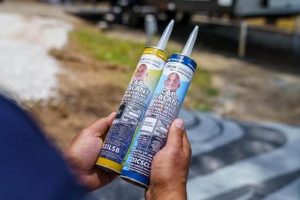
Tip 5: Seal Air Leaks: Gaps around windows, doors, and other openings allow cooled air to escape, forcing the cooling system to work harder. Addressing these leaks with appropriate sealant enhances efficiency and reduces energy costs.
Tip 6: Perform Annual Maintenance: Professional servicing, including coil cleaning and refrigerant level checks, ensures continued efficient operation and can identify potential issues before they escalate into costly repairs.
Tip 7: Select the Appropriate Size Unit: Over- or under-sized cooling systems are inefficient. Choosing a unit that is appropriately sized for the trailer’s square footage and insulation level is crucial for effective climate control.
Adhering to these practices will result in improved performance, extended lifespan, and reduced operational costs. Prioritizing proactive care contributes significantly to a more comfortable and enjoyable recreational vehicle experience.
The subsequent section provides detailed recommendations on selecting appropriate models based on specific needs and budget considerations.
1. Cooling Capacity

Cooling capacity, a critical specification of recreational vehicle air conditioning systems, dictates the unit’s ability to reduce ambient temperature within the trailer. Measured in British Thermal Units (BTUs), this value directly correlates with the system’s performance in various environmental conditions. Understanding the relationship between trailer size, insulation, and BTU rating is essential for selecting an appropriate cooling appliance.
- Trailer Size and Volume
The interior volume of a recreational vehicle directly influences the required cooling capacity. Larger trailers necessitate higher BTU ratings to effectively reduce the temperature. A unit with insufficient capacity will struggle to maintain a comfortable climate, particularly during periods of high ambient temperature. For example, a small pop-up camper may only require 5,000 BTU, while a larger travel trailer exceeding 30 feet may necessitate 13,500 BTU or higher.
- Insulation Quality
The insulation properties of the trailer’s walls, roof, and floor significantly impact heat gain. Better insulation reduces heat transfer, thereby decreasing the required cooling capacity. Conversely, poorly insulated trailers require more powerful systems to compensate for increased heat infiltration. Older models often exhibit less effective insulation compared to newer, more energy-efficient designs, impacting climate control performance.
- Environmental Factors
External environmental conditions, such as direct sunlight, humidity, and ambient temperature, impose additional loads on the cooling system. High-altitude environments, characterized by thinner air, can reduce cooling efficiency. In regions with consistently high temperatures, selecting a unit with a higher BTU rating than typically recommended for the trailer size can improve comfort and system longevity. Direct sunlight exposure significantly raises internal temperatures, necessitating greater cooling output.
- Occupancy and Heat Load
The number of occupants and the presence of heat-generating appliances contribute to the overall heat load within the trailer. Each occupant emits body heat, and appliances such as refrigerators, stoves, and electronic devices further increase the internal temperature. Accounting for these factors when selecting a system ensures adequate cooling capacity to maintain a comfortable environment, even during periods of full occupancy and appliance usage.
Selecting the appropriate cooling capacity is a multifaceted decision influenced by various factors, emphasizing the need to carefully evaluate trailer characteristics and intended usage scenarios. Proper selection leads to enhanced comfort, improved energy efficiency, and extended lifespan of the climate control appliance.
2. Energy Efficiency

Energy efficiency is a critical consideration in the operation of recreational vehicle air conditioning systems, directly impacting operational costs, generator requirements, and environmental impact. Optimizing energy consumption in these systems is essential for sustainable and economical travel trailer usage.
- Energy Efficiency Ratio (EER)
EER is a primary metric for evaluating energy efficiency. It represents the ratio of cooling output (BTUs) to power input (watts). A higher EER indicates greater efficiency, meaning the unit provides more cooling per unit of energy consumed. Choosing systems with elevated EER ratings translates to reduced energy expenses and lower strain on power sources, particularly when operating on generators or limited shore power.
- Compressor Technology
The compressor is a central component affecting the system’s energy demand. Traditional compressors operate at a fixed speed, consuming substantial power during startup and continuous operation. Newer models incorporate variable-speed compressors, which adjust cooling output to match the required load. This modulation reduces energy waste by minimizing the compressor’s run time and power consumption during periods of lower cooling demand. Inverter technology enables precise control over the compressor’s speed, enhancing efficiency and reducing noise.
- Insulation and Thermal Management
The effectiveness of the trailer’s insulation significantly impacts the workload on the cooling appliance. Adequate insulation minimizes heat transfer into the trailer, reducing the cooling system’s operational duration and energy consumption. Improving insulation through the use of reflective materials, sealing air leaks, and installing insulated window coverings contributes to substantial energy savings. Thermal management strategies are critical for maximizing system performance and minimizing energy waste.
- Power Management Systems
Integrated power management systems optimize energy distribution within the recreational vehicle, prioritizing essential loads and managing power consumption. These systems prevent overloading generators or shore power connections, ensuring stable and efficient operation of the cooling system and other appliances. Some systems offer load shedding capabilities, temporarily reducing power to non-essential devices to accommodate the cooling appliance’s peak demand. Intelligent power management promotes sustainable and reliable energy usage.
The pursuit of enhanced energy efficiency in recreational vehicle air conditioning systems is a multifaceted endeavor, encompassing technological advancements, design considerations, and user practices. Prioritizing energy-efficient models, optimizing insulation, and implementing smart power management strategies contributes to reduced operational costs, extended generator lifespan, and a smaller environmental footprint, ultimately enhancing the sustainability of recreational travel.
3. Installation Requirements

Proper installation of climate control appliances within recreational vehicles is paramount for ensuring optimal performance, system longevity, and occupant safety. Deviations from specified installation procedures can lead to reduced cooling efficiency, premature component failure, and potential hazards related to electrical or structural integrity.
- Roof Reinforcement and Sealing
The roof of a travel trailer must possess sufficient structural integrity to support the weight and operational vibrations of the air conditioning unit. Reinforcement may be necessary in older or lightweight models. Additionally, meticulous sealing around the unit’s mounting point is crucial to prevent water intrusion, which can cause significant damage to the trailer’s interior and structural components. Failure to properly seal the unit can result in costly repairs and compromise the integrity of the roof.
- Electrical Wiring and Connections
Adherence to electrical codes and manufacturer specifications is essential for safe and reliable operation. Correct gauge wiring must be used to handle the unit’s amperage draw, and all connections must be secure and properly insulated to prevent short circuits or electrical fires. Improper wiring can lead to overheating, equipment malfunction, and potentially hazardous situations for occupants. Professional electrical expertise is often recommended to ensure compliance and safety.
- Ducting and Airflow Optimization
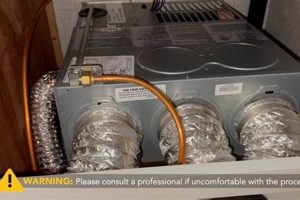
For ducted systems, proper installation of ductwork is critical for efficient air distribution throughout the trailer. Kinks, obstructions, or improperly sealed duct connections can restrict airflow, reducing cooling effectiveness and increasing energy consumption. Optimizing duct design and ensuring proper insulation minimizes heat loss or gain, maximizing the system’s overall performance and comfort level.
- Drainage System Setup
The condensate drain line must be properly installed to effectively remove moisture generated during the cooling process. Obstructions or improper routing of the drain line can lead to water accumulation, potentially causing mold growth, water damage, and corrosion of surrounding components. Regular inspection and maintenance of the drainage system are necessary to prevent these issues and ensure proper system functionality.
Adherence to these key installation requirements is indispensable for realizing the full potential of climate control appliances in recreational vehicles. Professional installation services can provide assurance of compliance with safety standards and optimal system performance, mitigating the risks associated with improper installation practices. Diligent attention to these details contributes to a comfortable, safe, and reliable travel trailer experience.
4. Maintenance Procedures

Adherence to established maintenance protocols directly influences the operational efficiency and longevity of climate control systems within recreational vehicles. Neglecting routine servicing precipitates performance degradation, escalating energy consumption, and increasing the likelihood of premature system failure. The correlation between consistent maintenance and sustained performance is a fundamental aspect of responsible ownership. For example, a clogged air filter impedes airflow, compelling the unit to work harder, thus increasing energy usage and potentially damaging the compressor. Routine filter replacement, therefore, is a critical preventative measure.
Effective maintenance extends beyond basic tasks such as filter cleaning. Periodic inspection of electrical connections is essential to identify and rectify loose or corroded wiring, preventing electrical hazards and ensuring consistent power delivery. Coil cleaning removes accumulated debris that inhibits heat transfer, optimizing cooling capacity and reducing energy expenditure. Furthermore, refrigerant level monitoring ensures that the system operates within specified parameters, preventing compressor damage and maintaining cooling efficiency. A case in point is a travel trailer owner who, after neglecting coil cleaning for several seasons, experienced a significant reduction in cooling performance coupled with a spike in energy consumption; professional servicing rectified the issue, restoring the system to optimal operational status.
In summary, the diligent execution of recommended maintenance procedures is not merely a suggestion but a prerequisite for maximizing the lifespan and efficiency of climate control systems in recreational vehicles. The challenges associated with neglect invariably manifest as increased operational costs, reduced comfort, and potential system failure. A proactive approach to maintenance, encompassing filter replacement, coil cleaning, electrical inspections, and refrigerant level checks, safeguards the investment and ensures sustained comfort throughout the service life of the unit.
5. Noise Level
The acoustic output of climate control appliances is a salient consideration for occupants of recreational vehicles. Excessive noise emanating from these systems can disrupt sleep, impede conversation, and diminish the overall comfort of the living space. Therefore, understanding the sources and mitigation strategies for noise is crucial for ensuring a satisfactory user experience.
- Compressor Operation and Vibration
The compressor is a primary source of noise in cooling appliances. Its operation generates mechanical vibrations, which can be amplified by the unit’s housing and transmitted throughout the trailer’s structure. Compressors with loose mountings or worn components contribute significantly to increased noise levels. Implementing vibration dampening measures, such as rubber mounts and sound-absorbing materials, can mitigate these effects. Some manufacturers employ rotary compressors, which generally produce less noise than traditional reciprocating models. Proper maintenance, including lubrication and tightening of fasteners, minimizes compressor-related noise.
- Fan Blade Design and Motor Noise
The design of the fan blades and the motor that drives them directly influence the system’s acoustic signature. Inefficient blade designs can generate turbulent airflow, resulting in increased noise. Similarly, worn or unbalanced fan motors produce vibrations and humming sounds. Selecting units with aerodynamically optimized fan blades and high-quality motors minimizes noise generation. Regular cleaning of the fan blades ensures balanced operation and reduces turbulence. Some models incorporate variable-speed fans, allowing users to adjust the airflow and noise level to suit their preferences.
- Airflow and Duct Noise
The movement of air through the system’s ductwork can generate noise, particularly in systems with restricted airflow or poorly designed duct configurations. Sharp bends, narrow passages, and improperly sealed connections create turbulence, resulting in whistling or rushing sounds. Optimizing duct design, ensuring smooth transitions, and properly sealing connections minimizes airflow-related noise. The use of insulated ductwork further reduces noise transmission and improves overall efficiency. Careful attention to duct layout during installation significantly impacts the system’s acoustic performance.
- Unit Placement and Mounting
The location and method of mounting the appliance affect the transmission of noise into the living space. Mounting the unit directly to structural members of the trailer can amplify vibrations and increase noise levels. Utilizing vibration-isolating mounts and strategically positioning the unit away from sleeping areas minimizes noise transmission. Proper leveling ensures balanced operation and reduces stress on the unit’s components, further contributing to noise reduction. Thoughtful unit placement during installation is a key factor in achieving a quieter environment.
Addressing noise concerns requires a comprehensive approach encompassing component selection, design optimization, and installation best practices. Understanding the various sources of noise and implementing appropriate mitigation strategies enables occupants of recreational vehicles to enjoy a more peaceful and comfortable environment, enhancing the overall travel experience. The selection of “travel trailer a/c units” based on noise level is therefore a critical consideration.
6. Lifespan Expectancy

The expected operational duration of climate control appliances is a crucial determinant in evaluating the long-term value and cost-effectiveness of travel trailer systems. Lifespan expectancy, influenced by a constellation of factors, directly impacts the total cost of ownership and user satisfaction. Prolonged operational life minimizes replacement frequency, contributing to both economic and environmental sustainability.
- Component Quality and Material Durability
The inherent quality of constituent components, such as the compressor, fan motors, and heat exchangers, significantly affects the unit’s longevity. High-grade materials and robust construction withstand operational stresses, extending the system’s service life. For instance, compressors manufactured with durable alloys and precision engineering exhibit greater resistance to wear and tear, thereby prolonging operational lifespan. Conversely, substandard components are prone to premature failure, diminishing the overall lifespan expectancy of the unit.
- Environmental Operating Conditions
Exposure to harsh environmental conditions, including extreme temperatures, humidity, and corrosive elements, accelerates the degradation of system components. Regular operation in coastal regions, characterized by high salinity, promotes corrosion of metallic parts, reducing their lifespan. Similarly, prolonged exposure to ultraviolet radiation weakens plastic components, rendering them brittle and susceptible to cracking. Mitigating these effects through protective measures, such as weatherproof covers and corrosion-resistant coatings, can extend the unit’s lifespan.
- Maintenance Practices and Service Intervals
Adherence to prescribed maintenance schedules and proper servicing techniques directly impacts system longevity. Neglecting routine filter cleaning, coil maintenance, and refrigerant level checks precipitates performance degradation and component stress, shortening the unit’s lifespan. Conversely, diligent maintenance practices, including regular inspections and timely repairs, preserve system efficiency and prolong operational life. Systems subjected to proactive maintenance regimes consistently exhibit extended lifespans compared to those that are neglected.
- Operational Load and Usage Patterns
The frequency and intensity of usage affect the wear and tear on system components, influencing lifespan expectancy. Continuous operation at maximum cooling capacity places significant stress on the compressor and other components, potentially shortening their lifespan. Intermittent usage, coupled with periods of inactivity, reduces the cumulative stress on the system, promoting longevity. Furthermore, avoiding excessive cycling (frequent on/off switching) minimizes wear on the compressor’s internal mechanisms, contributing to an extended operational lifespan.
These factors collectively shape the lifespan expectancy of climate control appliances in recreational vehicles. Proactive management of these variables, through judicious component selection, environmental protection, diligent maintenance, and optimized usage patterns, contributes to maximizing the operational lifespan of “travel trailer a/c units”, delivering enhanced value and sustained comfort over the long term.
7. Unit Weight
The mass of climate control systems is a critical factor in recreational vehicle design and performance. The integration of these appliances influences several aspects of a travel trailer, necessitating careful consideration of the weight implications.
- Impact on Towing Capacity
The overall mass of a travel trailer directly affects the towing capacity required of the tow vehicle. Adding a heavy climate control system increases the total weight, potentially exceeding the tow vehicle’s rated capacity. Exceeding this limit compromises safety and can lead to mechanical failures. Ensuring the weight of the unit is within the tow vehicle’s specifications is paramount.
- Effect on Fuel Efficiency
Increased weight negatively impacts fuel efficiency. A heavier travel trailer demands more energy to propel, resulting in higher fuel consumption. Selecting lighter climate control systems contributes to improved fuel economy, reducing operating costs and environmental impact. Minimizing unnecessary weight is a key factor in achieving optimal fuel efficiency.
- Influence on Vehicle Stability
The distribution of weight within a travel trailer affects stability and handling characteristics. A heavy system mounted high on the roof raises the center of gravity, increasing the risk of sway and instability, especially in windy conditions. Distributing weight strategically and selecting lighter components promotes stability and enhances handling safety.
- Structural Considerations
The roof structure of a travel trailer must be capable of supporting the weight of the climate control appliance. Adding a heavy unit places stress on the roof, potentially leading to structural damage over time. Reinforcement may be necessary, adding further weight. Selecting lighter systems reduces the strain on the roof and minimizes the need for structural modifications.
Unit weight is an integral aspect of selecting “travel trailer a/c units.” Consideration must be given to its impact on towing capacity, fuel efficiency, vehicle stability, and structural integrity. A lighter system often presents a more favorable solution, provided performance characteristics are not compromised. Careful assessment of these factors ensures safe and efficient travel.
Frequently Asked Questions
The following questions address common concerns and misconceptions regarding climate control systems in recreational vehicles, providing concise and informative responses.
Question 1: What is the optimal BTU rating for a travel trailer climate control system?
The appropriate BTU rating depends on the trailer’s size, insulation, and typical usage environment. A general guideline suggests 5,000 BTU for small pop-up campers, increasing to 13,500 BTU or higher for larger travel trailers exceeding 30 feet. Consultation with a qualified technician is recommended for precise determination.
Question 2: How often should the air filter be replaced or cleaned in a travel trailer climate control appliance?
The air filter should be inspected monthly and cleaned or replaced as needed. Increased usage in dusty environments necessitates more frequent maintenance. A clogged filter reduces cooling efficiency and can damage the unit’s compressor.
Question 3: Can a standard household electrical outlet power a travel trailer air conditioner?
Most travel trailer climate control systems require a dedicated 30-amp or 50-amp electrical service. Standard household outlets typically provide only 15 or 20 amps, which is insufficient to power these appliances without risking circuit overload and potential fire hazards.
Question 4: What are the primary causes of reduced cooling efficiency in these systems?
Common causes include dirty air filters, obstructed airflow, refrigerant leaks, and condenser coil blockage. Regular maintenance and professional servicing can mitigate these issues and restore optimal cooling performance.
Question 5: Is it possible to operate a travel trailer cooling appliance using a portable generator?
Operation via portable generator is feasible, provided the generator’s output capacity meets or exceeds the unit’s power requirements. A soft start capacitor may be necessary to reduce the initial power surge during startup, enabling operation on smaller generators.
Question 6: What measures can be taken to reduce the noise generated by a travel trailer climate control system?
Noise reduction strategies include using vibration-isolating mounts, ensuring proper ductwork installation, and selecting models with noise-dampening features. Regular maintenance, such as fan blade cleaning and lubrication, also minimizes noise generation.
Understanding these common questions and their answers is essential for ensuring the efficient and safe operation of “travel trailer a/c units.” Addressing these concerns proactively contributes to a comfortable and enjoyable recreational vehicle experience.
The following section provides concluding remarks on the importance of effective climate control in recreational travel.
Conclusion
This exposition has examined various facets of “travel trailer a/c units,” encompassing performance factors, maintenance requirements, and selection criteria. The integration of effective cooling appliances is a critical determinant of comfort and habitability within recreational vehicles. Understanding the intricacies of BTU ratings, energy efficiency, installation procedures, and noise mitigation strategies is essential for informed decision-making.
The information presented should serve as a resource for optimizing climate control in recreational travel. Careful consideration of these elements will contribute to extended system lifespan, enhanced energy efficiency, and a more enjoyable travel experience. Prioritizing informed selection and diligent maintenance remains paramount in ensuring the long-term performance and reliability of these essential appliances.