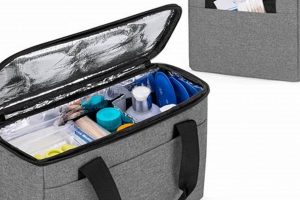
Devices designed to facilitate urinary drainage for individuals assigned male at birth while traveling are a category of medical appliances. These portable systems typically consist of a collection bag connected to a sheath or external catheter. The user applies the sheath, which adheres to the penis, and connects it to the urine bag, enabling discrete and convenient urine collection. This allows for mobility and manages urinary incontinence or retention when access to restroom facilities is limited.
The primary significance of these systems lies in their ability to enhance the quality of life for men managing urinary conditions. Travel, whether for business or leisure, can pose considerable challenges for those with urinary incontinence or retention issues. These devices allow greater freedom and reduce anxiety associated with unpredictable restroom access. Historically, individuals facing such challenges were significantly limited in their travel options. The development of portable urinary collection systems provides a degree of normalcy and control over their medical condition, enabling broader participation in social and professional activities.
The subsequent discussion will address the various types of these systems available, proper usage techniques, hygiene considerations, and potential complications. Furthermore, resources for obtaining appropriate medical advice and product recommendations will be outlined, ensuring individuals can make informed decisions about managing their specific needs while traveling.
Practical Guidance for Portable Urinary Collection Systems
The following recommendations aim to provide helpful advice concerning the effective and safe utilization of external urinary collection devices for men, especially when traveling. Adherence to these suggestions may improve user experience and reduce the likelihood of complications.
Tip 1: System Selection: Choosing the appropriate device is paramount. Factors to consider include bag capacity, catheter material (latex vs. silicone), and ease of application. Consider a smaller, more discreet bag for daytime use and a larger capacity bag for overnight.
Tip 2: Proper Application: Thoroughly cleanse and dry the genital area before applying the sheath or external catheter. Ensure a snug but not constricting fit to prevent leakage and skin irritation. Clipping any hair around the penis area may help facilitate the proper fitting of the sheath.
Tip 3: Secure Attachment: Secure the collection bag to the leg using appropriate straps. Ensure the bag is positioned below the bladder level to facilitate drainage and prevent backflow. Regular adjustments of the straps might be needed.
Tip 4: Hydration Management: Maintaining adequate hydration is crucial for urinary health. Consult with a healthcare professional to determine an appropriate fluid intake regimen.
Tip 5: Regular Emptying: Empty the collection bag frequently to prevent overfilling and potential leakage. Establish a routine emptying schedule based on individual fluid intake and urinary output.
Tip 6: Hygiene Practices: Maintain meticulous hygiene. Clean the sheath and surrounding skin with mild soap and water daily to prevent infection and skin breakdown. Use disinfectant wipes or sprays on the bag, especially on travel.
Tip 7: Leakage Prevention: Regularly inspect the system for leaks. Ensure all connections are secure. Consider using adhesive sprays or barrier films to improve sheath adhesion and prevent leakage.
Tip 8: Skin Care: Monitor the skin for signs of irritation or breakdown. Apply a barrier cream or ointment to protect the skin from prolonged exposure to urine. Avoid prolonged exposure to dampness.
These tips offer practical strategies for managing urinary drainage needs effectively while traveling. Proper system selection, application, hygiene, and monitoring are crucial for a comfortable and complication-free experience. Remember to consult a physician for personalized advice related to the device and condition.
Following discussion will transition to common errors and solutions for using external urinary collection devices for men while traveling.
1. Discreet Collection

Discreet collection is a fundamental requirement in the design and utilization of male urinary collection systems for travel. The effectiveness of these systems hinges on their ability to provide a private and inconspicuous method for managing urinary needs. The causal relationship is evident: visible or cumbersome devices can lead to social anxiety and restricted activity, directly counteracting the intended purpose of facilitating travel. The absence of discreet functionality renders the device largely ineffective in its role as a travel aid. For example, an individual attending a conference would be severely limited if the collection system were noticeably visible or generated noise, undermining the individual’s ability to fully participate. The practical significance of this understanding lies in its influence on product design, material selection, and overall functionality.
Product design must prioritize features that minimize visibility. This includes using low-profile bag designs, neutral colors, and secure attachment mechanisms that prevent shifting or displacement. Material selection plays a crucial role in reducing noise and maintaining a discreet appearance. For instance, bags made from quiet, non-rustling materials prevent audible detection during movement. Furthermore, the system’s ability to be easily concealed beneath clothing is paramount. A bulky or poorly designed device can negate its intended purpose, causing the user to avoid social situations and curtail their travel plans. The design is tailored to fit a range of body shapes and sizes discreetly.
In summary, discreet collection is not merely an aesthetic consideration but a functional necessity for these devices. Without it, the intended benefit of enabling unrestricted travel is compromised. Understanding this connection is crucial for both manufacturers and users. Manufacturers must prioritize discreet design elements, and users must select systems that adequately address their individual needs for privacy and social comfort. Failure to do so can lead to reduced quality of life and limited participation in activities that enhance well-being and professional advancement during travel.
2. Effective Leakage Prevention
Effective leakage prevention constitutes a critical performance parameter of any urinary collection system designed for male travelers. The relationship between leakage prevention and user experience is direct and unambiguous: ineffective seals, inadequate bag capacity, or faulty drainage mechanisms compromise the system’s functionality, resulting in inconvenience, embarrassment, and potential health risks. The absence of robust leakage prevention mechanisms effectively negates the device’s primary purpose providing a convenient and reliable method for managing urinary incontinence or retention during travel. An example illustrates this point: a business professional traveling to a series of meetings experiences a leakage event. This incident disrupts the professional’s focus, necessitates immediate remediation, and undermines confidence, thereby impairing the individual’s ability to perform their duties effectively. The practical significance of this understanding resides in its impact on device design, material selection, and usage protocols.
System design must incorporate features that actively mitigate the risk of leakage. This includes utilizing high-quality materials for both the external catheter and the collection bag, ensuring secure and reliable connections, and implementing effective anti-reflux valves to prevent backflow. Proper sizing and application of the external catheter are paramount, as an ill-fitting device is prone to leakage. Patient education regarding correct application techniques, emptying schedules, and troubleshooting procedures is also crucial. For instance, instructional videos demonstrating the proper application and maintenance of the device can significantly reduce the incidence of leakage events. Similarly, providing clear guidelines on optimal bag capacity and emptying frequency ensures the system operates within its intended parameters. Regular monitoring for signs of wear and tear, such as cracks or weakened seals, is also essential for proactive leakage prevention. Consider the use of adhesive sprays or barrier films to improve sheath adhesion.
In summary, effective leakage prevention is not merely a desirable attribute, but a fundamental requirement for any urinary collection system intended for use by male travelers. Leakage events directly undermine the system’s utility and can lead to significant personal and professional consequences. By prioritizing robust design, employing high-quality materials, and providing comprehensive user education, manufacturers and healthcare professionals can significantly enhance the reliability and effectiveness of these devices. Continuous improvement in leakage prevention technologies is essential to optimize the user experience and promote greater confidence and independence for individuals managing urinary conditions while traveling.
3. Skin Integrity Maintenance

Maintaining skin integrity is paramount for individuals utilizing urinary collection systems during travel. The prolonged contact of skin with urine, coupled with the occlusive nature of the collection device, creates a microenvironment conducive to skin breakdown and infection. Prioritizing skin health mitigates discomfort, reduces the risk of complications, and promotes overall well-being. The subsequent discussion outlines key facets of skin integrity maintenance in the context of portable urinary collection systems.
- Optimal Hygiene Practices
Regular and thorough cleansing of the genital area is essential. The application site should be washed gently with mild, pH-balanced soap and water at least once daily, and preferably more frequently, depending on individual needs and activity level. Inadequate hygiene allows for the accumulation of bacteria and ammonia, leading to skin irritation, maceration, and increased susceptibility to fungal or bacterial infections. For example, failing to cleanse the area after accidental leakage could lead to dermatitis. Furthermore, harsh soaps and abrasive scrubbing should be avoided, as they can disrupt the skin’s natural barrier function.
- Appropriate Barrier Products
The application of barrier creams or ointments forms a protective layer between the skin and the urinary collection device. These products, often containing zinc oxide or petrolatum, minimize friction, prevent moisture buildup, and protect against the irritating effects of urine. The use of a moisture barrier cream on clean, dry skin prior to application of the external catheter is an effective preventative measure. Conversely, neglecting this step increases the risk of skin breakdown and subsequent discomfort.
- Correct Device Fit and Material
An ill-fitting or improperly sized external catheter can cause pressure, friction, and chafing, increasing the likelihood of skin irritation and breakdown. Selecting a device that conforms comfortably to the individual’s anatomy, while allowing for adequate ventilation, is crucial. For individuals with latex allergies, silicone-based catheters represent a suitable alternative. For example, a catheter that is too tight may cause tissue damage over time. Improperly fitted catheter also can cause backflow that can cause harm for user.
- Regular Skin Monitoring
Consistent visual inspection of the skin beneath and around the urinary collection device is necessary to identify early signs of irritation, redness, blisters, or infection. Early detection allows for prompt intervention and prevents the progression of minor skin issues into more serious complications. For example, the user should be checking their skin at least once a day. Neglecting this aspect can lead to the development of pressure ulcers or cellulitis, requiring medical intervention and disrupting travel plans.
These facets of skin integrity maintenance are intrinsically linked to the successful utilization of portable urinary collection systems. When each of these is properly considered and put in practice, they will provide safer and effective use of Travel Urine Bag Male. Implementing these strategies mitigates the risks of skin-related complications, promoting a more comfortable and trouble-free travel experience for individuals managing urinary conditions.
4. Capacity Considerations

Capacity considerations are integral to the effective and practical utilization of male urinary collection systems during travel. The correlation between bag capacity and the user’s ability to navigate travel-related activities unimpeded is direct. Insufficient capacity necessitates frequent emptying, potentially disrupting travel itineraries and compromising discretion. Conversely, excessive capacity, while reducing the frequency of emptying, may result in a cumbersome and noticeable device, detracting from user comfort and mobility. Therefore, selecting a bag with appropriate capacity is a critical decision that directly impacts the user’s travel experience.
The determination of optimal capacity requires careful consideration of several factors, including the individual’s average urinary output, the duration of travel, and the accessibility of restroom facilities. For instance, an individual undertaking a long-haul flight with limited opportunities for emptying the collection bag will require a higher capacity device than someone traveling by car with frequent access to restrooms. Furthermore, variations in fluid intake due to climate or activity levels must be factored into the capacity assessment. Real-world scenarios highlight the practical implications of capacity considerations. A business traveler attending a day-long conference with infrequent breaks would benefit from a larger capacity bag to avoid interrupting meetings for frequent emptying. Conversely, an individual participating in a short sightseeing tour with readily available restroom facilities may find a smaller, more discreet bag adequate. The significance lies in its influence on maintaining user convenience and confidence during travel.
In summary, appropriate capacity selection is not merely a logistical detail but a critical factor contributing to the overall success of utilizing portable urinary collection systems. Careful consideration of individual needs, travel conditions, and accessibility to emptying facilities allows users to optimize the functionality and convenience of the device, ensuring a more comfortable and confident travel experience. Overlooking capacity considerations can lead to unnecessary disruptions, discomfort, and potential compromise of discretion. Therefore, prioritizing informed capacity selection is essential for maximizing the benefits of these systems.
5. Hygiene Accessibility

Hygiene accessibility represents a fundamental component in the successful and safe utilization of portable urinary collection devices for men, especially when traveling. This accessibility directly impacts the risk of infection, skin irritation, and overall comfort. The connection between a lack of hygiene accessibility and adverse health outcomes is causal: the inability to adequately cleanse the collection area increases the likelihood of bacterial proliferation and subsequent complications. The absence of readily available cleaning supplies and appropriate disposal options renders even the most sophisticated collection system potentially harmful. For example, an individual on a prolonged bus journey with limited restroom access faces considerable challenges in maintaining adequate hygiene, thereby increasing their susceptibility to urinary tract infections and skin breakdown.
Practical applications of this understanding are diverse and critical. Device manufacturers should prioritize designs that facilitate easy cleaning and disinfection. This includes using materials that are resistant to bacterial growth and providing clear instructions on proper hygiene protocols. Users must proactively plan for hygiene contingencies, carrying sufficient supplies of antibacterial wipes, hand sanitizer, and disposable bags for waste disposal. Furthermore, awareness of local sanitation conditions and the availability of restroom facilities is essential for informed travel planning. For example, packing a small toiletry kit containing individually wrapped antiseptic wipes and a travel-sized hand sanitizer can mitigate the challenges of limited restroom access. Another helpful tip can be the use of a no-rinse cleanser and antibacterial sprays.
In summary, hygiene accessibility is not a peripheral consideration, but an integral aspect of responsible and effective utilization of portable urinary collection devices. Neglecting hygiene considerations can negate the benefits of the device and lead to significant health consequences. Emphasizing proactive planning, readily available cleaning supplies, and informed device selection promotes a safer and more comfortable travel experience for individuals managing urinary conditions. By addressing the challenges of hygiene accessibility, the overall utility and reliability of these systems are significantly enhanced.
6. Convenient Disposal
The practical utility of portable urinary collection systems for men is intrinsically linked to the availability of convenient disposal methods. The ability to discreetly and hygienically dispose of collected urine is a critical component of the user experience, directly impacting the freedom and confidence with which individuals can travel and engage in daily activities.
- Leak-Proof Design
The integrity of the disposal process hinges on the bag’s ability to prevent leakage during emptying. Durable materials and secure drainage ports are essential for minimizing the risk of spills and maintaining hygiene. For instance, a reinforced drainage valve that allows for controlled and drip-free emptying contributes significantly to a cleaner and more discreet disposal process. The absence of such features increases the potential for contamination and embarrassment.
- Discreet Emptying Mechanisms
The design of the emptying mechanism should facilitate discreet operation in public restrooms or other potentially sensitive environments. Easily accessible and operable valves or spouts allow for quick and efficient emptying without attracting undue attention. Examples include one-handed operation and valves that minimize noise during emptying. A well-designed emptying mechanism enhances the user’s ability to manage their urinary needs with minimal disruption.
- Waste Management Compatibility
The collection bag’s design should be compatible with standard waste disposal systems. A shape and size that easily fits into public restroom waste receptacles is crucial. Additionally, the use of opaque materials conceals the contents of the bag, enhancing privacy. Proper integration with existing waste management infrastructure ensures a seamless and unobtrusive disposal process.
- Portable Disposal Aids
For situations where immediate disposal is not feasible, portable disposal aids can significantly enhance convenience. These may include sealable bags or containers designed to temporarily store the used collection bag until appropriate disposal facilities are available. Such aids are particularly valuable during long journeys or in areas with limited restroom access. They provide a safe and hygienic means of managing waste when immediate disposal is not possible.
The elements of leak-proof design, discreet emptying mechanisms, waste management compatibility, and portable disposal aids collectively contribute to convenient disposal, a vital component in the effective management of urinary needs while traveling. When those facets are correctly handled, the overall utility and acceptance of these systems are significantly enhanced, facilitating greater independence and mobility for male users.
7. Travel-Specific Design

The term ‘travel-specific design’, when applied to male urinary collection systems, denotes adaptations and modifications engineered to optimize performance and user experience within the constraints and demands of travel. These design considerations extend beyond basic functionality, encompassing portability, discretion, ease of use, and hygiene maintenance in environments often lacking ideal facilities.
- Compact Portability
Travel necessitates minimizing bulk and weight. Travel-specific design prioritizes compact dimensions and lightweight materials to facilitate storage and transportation within luggage or carry-on bags. Folding or collapsible bag designs, along with streamlined catheter configurations, exemplify this approach. The absence of compact portability can impede mobility and restrict travel options. A user attending a multi-city business trip would find a bulky, non-collapsible system significantly more cumbersome than a compact alternative.
- Enhanced Discretion
Maintaining privacy is paramount during travel. Design features promoting discretion include low-profile bag designs, opaque materials to conceal contents, and quiet drainage mechanisms. Bag positioning and securement systems that minimize visibility under clothing are also critical. A user attending a social event would benefit from a system designed for minimal visual or auditory detectability.
- Simplified Operation
Ease of use is essential, particularly in unfamiliar or constrained environments. Travel-specific designs often incorporate simplified application and drainage mechanisms. Quick-connect catheter fittings, easily accessible drainage valves, and intuitive usage instructions enhance usability. A user in a cramped airplane restroom would appreciate a system that can be easily managed with minimal dexterity.
- Durability and Reliability
The rigors of travel demand robust and reliable components. Travel-specific designs often utilize durable materials and reinforced construction to withstand the stresses of transportation and frequent use. Leak-proof seals, robust drainage valves, and puncture-resistant bag materials contribute to overall system reliability. A user embarking on a long-term backpacking trip would require a system designed to withstand prolonged use and varied environmental conditions.
These facets of travel-specific design collectively enhance the suitability and practicality of male urinary collection systems for travel. Prioritizing portability, discretion, ease of use, and reliability ensures a more comfortable and confident travel experience for individuals managing urinary conditions. Failure to address these specific design considerations can significantly compromise the functionality and user satisfaction of these devices.
Frequently Asked Questions
The following addresses common inquiries concerning portable urinary collection systems for men, specifically in the context of travel. These questions and answers aim to provide clear and factual information to enhance understanding and promote informed decision-making.
Question 1: What types of urinary collection systems are suitable for travel?
External (condom) catheters connected to a collection bag are generally recommended for travel due to their non-invasive nature and ease of use. The selection of a specific system should be guided by individual needs, urinary output, and travel duration.
Question 2: How is discreetness maintained when using a travel urine bag?
Discreetness is achieved through low-profile bag designs, opaque bag materials, and secure positioning under clothing. Selecting a system with minimal visible bulk and quiet operation is essential.
Question 3: What hygiene practices are necessary when using a travel urine bag?
Regular cleansing of the genital area with mild soap and water is crucial. Antiseptic wipes and hand sanitizer should be readily available for use when restroom access is limited. Frequent emptying of the bag prevents overflow and reduces odor.
Question 4: How often should a travel urine bag be emptied?
Emptying frequency depends on individual urinary output and bag capacity. As a general guideline, the bag should be emptied when it is approximately half full to prevent leakage and maintain comfort.
Question 5: What are the potential risks associated with using a travel urine bag?
Potential risks include skin irritation, urinary tract infection, and leakage. Proper hygiene, correct application, and regular monitoring for signs of complications are essential for minimizing these risks.
Question 6: Are there any travel restrictions related to carrying a urine collection bag?
While there are generally no explicit restrictions, it is advisable to carry a doctor’s note explaining the medical necessity of the device. Informing airport security personnel about the device can facilitate smoother passage through security checkpoints.
In summary, portable urinary collection systems offer a means of managing urinary conditions during travel. Careful planning, proper hygiene, and informed system selection are crucial for a comfortable and trouble-free experience.
The following will transition to advice and tips on traveling with “travel urine bag male”.
Conclusion
The preceding exploration of “travel urine bag male” has elucidated the complexities and critical considerations surrounding their effective utilization. From the necessity of discreet collection and leakage prevention to the imperative of skin integrity maintenance and appropriate capacity planning, each element contributes to the user’s overall experience and well-being. The importance of hygiene accessibility and convenient disposal options further underscores the comprehensive approach required for responsible use.
The information presented serves as a foundation for informed decision-making. Individuals managing urinary conditions are encouraged to consult with healthcare professionals to determine the most suitable devices and practices for their specific needs. Continued advancements in design and materials offer the prospect of improved comfort, convenience, and discretion, ultimately enhancing the quality of life for those who rely on these systems to maintain their mobility and independence.