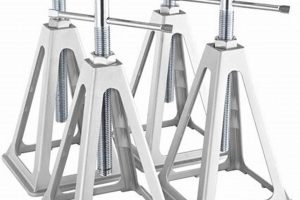
Components crucial for the operation and maintenance of cooling systems within recreational vehicles are the focus of this discussion. These components encompass a range of items, from the compressor responsible for refrigerant circulation to the evaporator coil that cools the air, and the condenser coil that dissipates heat. As an example, a thermostat is a part that regulates the temperature inside the trailer by controlling the air conditioning unit’s operation.
The proper functioning of these elements is essential for maintaining a comfortable interior environment within a recreational vehicle, particularly during periods of high ambient temperature. Historical advancements in air conditioning technology have led to more efficient and reliable cooling solutions for these mobile living spaces, enhancing the overall travel experience and preventing heat-related discomfort or equipment damage. Maintaining these systems ensures longevity and optimal performance, contributing to cost savings over time by avoiding premature replacements.
The following sections will delve into the specific types of components commonly found in recreational vehicle air conditioning units, including their individual functions, maintenance requirements, and common issues that may arise, as well as guidance on troubleshooting and repair.
Maintenance Recommendations
Optimizing the lifespan and performance of cooling systems within recreational vehicles requires diligent maintenance and proactive care. The following recommendations offer guidance on ensuring the sustained functionality of these essential systems.
Tip 1: Filter Inspection and Replacement: Regularly inspect air filters and replace them as needed. Dirty filters restrict airflow, reducing cooling efficiency and potentially damaging the unit’s components. A schedule of monthly inspections and replacement every three months, or more frequently in dusty environments, is advised.
Tip 2: Coil Cleaning: Periodically clean the evaporator and condenser coils. Dust and debris accumulation on these coils inhibits heat transfer, diminishing cooling capacity. Gentle brushing or the use of a fin comb, along with a specialized coil cleaner, can restore optimal performance.
Tip 3: Ductwork Inspection: Examine ductwork for leaks or disconnections. Air leakage reduces cooling efficiency and increases energy consumption. Sealing any breaches with appropriate duct tape or sealant will improve overall performance.
Tip 4: Refrigerant Level Monitoring: While refrigerant levels should ideally remain stable, periodically check for signs of leakage, such as reduced cooling or ice buildup on the evaporator coil. A qualified technician should address any suspected refrigerant leaks.
Tip 5: Condensate Drain Maintenance: Ensure the condensate drain is clear and free of obstructions. A clogged drain can lead to water damage and mold growth. Regular flushing with a mild bleach solution can prevent blockages.
Tip 6: Professional Servicing: Schedule annual professional servicing. A qualified technician can perform a comprehensive inspection, identify potential issues, and ensure the system is operating at peak efficiency.
Tip 7: Secure and Protect: When not in use, protect the air conditioning unit from the elements with a fitted cover. This will help prevent damage from sun exposure, rain, and debris.
Adherence to these maintenance recommendations will contribute to the longevity and reliable operation of air conditioning units within recreational vehicles, ensuring a comfortable and enjoyable travel experience.
The succeeding section will provide troubleshooting steps for addressing common issues encountered with these systems.
1. Compressor Functionality

The compressor is a critical component within air conditioning systems for travel trailers, serving as the driving force behind the entire cooling process. Its primary function is to compress the refrigerant gas, raising both its pressure and temperature. This high-pressure, high-temperature refrigerant then circulates through the condenser coil, where heat is dissipated to the external environment. The connection between compressor functionality and the overall effectiveness of “travel trailer ac parts” is direct and indispensable. Without a properly functioning compressor, the refrigerant cannot undergo the necessary phase changes required for heat removal, resulting in a complete loss of cooling capacity. For example, a compressor with worn pistons or valves will struggle to achieve the required compression ratio, leading to inefficient cooling or complete system failure. Understanding this connection is practically significant, as diagnosing compressor-related issues is often the first step in troubleshooting air conditioning problems in recreational vehicles.
Further, the type of compressor employed impacts the overall performance and energy efficiency of the air conditioning unit. Some systems utilize rotary compressors, known for their compact size and quiet operation, while others rely on reciprocating compressors, which offer higher compression ratios but may be louder and more prone to vibration. The choice of compressor type is a critical design consideration, influencing factors such as cooling capacity, power consumption, and physical dimensions. Replacing a faulty compressor requires careful selection of a compatible unit, considering factors such as the refrigerant type, cooling capacity requirements, and physical mounting dimensions. Choosing an incorrect compressor can lead to system incompatibility or reduced performance.
In summary, compressor functionality is paramount to the operation of “travel trailer ac parts.” Its role in refrigerant compression directly dictates the cooling capacity and efficiency of the system. Challenges such as compressor wear, refrigerant leaks, or electrical failures can significantly impact performance. A thorough understanding of compressor operation and maintenance is essential for ensuring optimal cooling performance and prolonging the lifespan of the entire air conditioning system within a recreational vehicle, linking directly to the broader theme of responsible RV maintenance and comfort.
2. Evaporator Coil Role

The evaporator coil is a pivotal component within a travel trailer’s air conditioning system. Its primary function involves absorbing heat from the air inside the trailer, thereby cooling the interior. This process begins as the refrigerant, which has been cooled and depressurized, enters the evaporator coil. As air from inside the trailer is blown across the coil’s surface, heat is transferred from the air to the refrigerant, causing the refrigerant to vaporize. This phase change absorbs a significant amount of heat, resulting in a noticeable drop in air temperature. The cooled air is then circulated back into the trailer, providing a comfortable environment. The evaporator coil’s performance directly influences the effectiveness of “travel trailer ac parts;” a compromised coil will diminish cooling capacity, leading to discomfort and potentially overworking other system components. For example, a coil coated in dust and debris will impede heat transfer, requiring the system to run longer and consume more energy to achieve the desired temperature.
Proper maintenance of the evaporator coil is therefore essential for optimal system performance. Regular cleaning is recommended to remove accumulated dust, dirt, and other contaminants that can inhibit heat exchange. This can typically be achieved using a fin comb and a specialized coil cleaner, ensuring gentle handling to avoid damaging the delicate fins. Furthermore, air filters play a crucial role in protecting the evaporator coil from debris. Regular filter replacement is a proactive measure to prevent coil contamination and maintain efficient airflow. Another practical application involves monitoring the condensate drain associated with the evaporator coil. This drain removes moisture that condenses on the coil’s surface. A clogged drain can lead to water damage, mold growth, and reduced cooling efficiency. Periodic flushing with a mild bleach solution can prevent blockages and maintain proper drainage.
In summary, the evaporator coil’s role in absorbing heat from the interior air is fundamental to the functioning of “travel trailer ac parts.” Its efficient operation is contingent upon regular maintenance, including coil cleaning, filter replacement, and condensate drain maintenance. Neglecting these aspects can significantly reduce cooling capacity, increase energy consumption, and potentially lead to system failure. Understanding the connection between the evaporator coil and overall system performance is crucial for proactive maintenance and ensuring a comfortable and enjoyable travel experience within a recreational vehicle. Challenges such as coil damage or refrigerant leaks necessitate professional intervention. Addressing evaporator coil issues promptly contributes to the longevity and efficiency of the entire air conditioning system.
3. Condenser Coil Operation

The condenser coil is an essential component within the air conditioning system of a travel trailer, responsible for dissipating heat absorbed from the interior air. This heat rejection is a critical step in the refrigeration cycle, enabling the system to continuously cool the trailer’s interior. The efficient operation of the condenser coil directly impacts the overall performance of “travel trailer ac parts,” influencing cooling capacity and energy efficiency.
- Heat Dissipation Mechanism
The condenser coil facilitates heat transfer from the refrigerant to the outside air. High-pressure, high-temperature refrigerant enters the coil, and as air flows across its fins, heat is released. This process causes the refrigerant to condense into a high-pressure liquid. For example, a condenser coil blocked with debris will impede airflow, reducing its ability to dissipate heat effectively. This results in higher system pressures, increased energy consumption, and diminished cooling capacity.
- Airflow Management
Adequate airflow across the condenser coil is paramount for efficient heat rejection. The design and placement of the coil within the air conditioning unit are crucial for maximizing airflow. Furthermore, obstructions, such as vegetation or debris, can significantly reduce airflow and impair performance. Maintaining clear airflow pathways around the condenser coil is therefore a fundamental maintenance practice. A practical example is regularly clearing leaves and debris from the exterior of the air conditioning unit, ensuring unrestricted airflow across the coil.
- Refrigerant Phase Change
The condenser coil is the location where the refrigerant transitions from a gaseous to a liquid state. This phase change releases a significant amount of heat, which is then dissipated to the surrounding environment. If the coil is not functioning optimally, the refrigerant may not fully condense, reducing the system’s overall efficiency. For example, a damaged or leaking condenser coil can lead to refrigerant loss, resulting in reduced cooling capacity and potential damage to other system components.
- Impact on System Efficiency
The condenser coil’s performance directly affects the overall energy efficiency of the air conditioning system. An efficient condenser coil allows the system to operate at lower pressures and temperatures, reducing energy consumption and prolonging the lifespan of other components. Conversely, a poorly functioning condenser coil increases energy consumption and can lead to premature failure of the compressor. Maintaining the condenser coil in good working order is thus critical for optimizing the energy efficiency and reliability of “travel trailer ac parts.”
In conclusion, the condenser coil’s operation is integral to the effective functioning of “travel trailer ac parts.” Its ability to efficiently dissipate heat and facilitate refrigerant phase change directly impacts cooling capacity, energy efficiency, and system longevity. Proper maintenance, including ensuring adequate airflow and preventing refrigerant leaks, is crucial for optimizing the performance and reliability of the air conditioning system within a travel trailer.
4. Refrigerant Circulation

Refrigerant circulation is a fundamental process within the operation of air conditioning systems in travel trailers. This cyclical movement of refrigerant enables the transfer of heat from the interior of the trailer to the exterior environment, facilitating cooling. The effectiveness of “travel trailer ac parts” hinges upon the unimpeded and efficient flow of refrigerant through the system’s various components. Disruptions to this circulation can severely compromise cooling performance, potentially leading to system failure. For example, a refrigerant leak reduces the amount of working fluid, diminishing the system’s ability to absorb and reject heat. Similarly, restrictions within the refrigerant lines, caused by kinks or blockages, impede flow and reduce cooling efficiency. The importance of proper refrigerant circulation extends to the longevity of the system; overworked components, such as the compressor, are prone to premature failure when refrigerant flow is restricted.
The mechanics of refrigerant circulation involve a series of phase changes and pressure differentials. The compressor initiates the process by increasing the pressure and temperature of the refrigerant. This high-pressure, high-temperature refrigerant then flows to the condenser coil, where it dissipates heat to the outside air and condenses into a liquid. The liquid refrigerant then passes through an expansion valve or orifice, where its pressure and temperature are reduced. This low-pressure, low-temperature refrigerant enters the evaporator coil, where it absorbs heat from the interior air and vaporizes. The resulting low-pressure, low-temperature vapor returns to the compressor, completing the cycle. Consistent and correct refrigerant charge is crucial; an undercharged system will lack cooling capacity, while an overcharged system can lead to excessive pressures and potential damage. System performance issues can be detected through temperature and pressure readings at various points within the refrigerant circuit, offering valuable insights into the health and functionality of “travel trailer ac parts.”
In summary, the efficient circulation of refrigerant is paramount to the effective functioning of air conditioning systems in travel trailers. Factors that impede refrigerant flow, such as leaks or restrictions, significantly reduce cooling performance and can lead to system damage. Maintaining the correct refrigerant charge and ensuring unobstructed flow are critical for optimizing system efficiency and longevity. A practical understanding of refrigerant circulation and its role in “travel trailer ac parts” allows for informed maintenance practices and timely identification of potential problems, contributing to a more comfortable and reliable travel experience.
5. Air Filter Maintenance

Air filter maintenance within travel trailer air conditioning systems constitutes a crucial aspect of overall system performance and longevity. Neglecting this facet directly impacts the efficiency and operational lifespan of “travel trailer ac parts”. Regular attention to air filter condition mitigates potential issues and ensures optimal cooling capacity.
- Preventing Coil Contamination
Air filters are the primary defense against the accumulation of dust, pollen, and other particulate matter on the evaporator coil. Contamination of the coil reduces its ability to transfer heat, diminishing cooling efficiency. As an example, a severely clogged air filter will allow debris to bypass and accumulate on the coil, necessitating costly and time-consuming cleaning or even coil replacement. Proactive filter maintenance mitigates this risk, preserving the functionality of “travel trailer ac parts”.
- Maintaining Airflow Efficiency
A clean air filter ensures unrestricted airflow through the air conditioning system. Restricted airflow, caused by a dirty filter, places undue stress on the blower motor and compressor. This increased strain leads to higher energy consumption and potential component failure. For instance, a blower motor struggling against a clogged filter will draw more current, potentially overheating and failing prematurely. Regular filter replacement promotes efficient airflow and extends the lifespan of critical “travel trailer ac parts”.
- Improving Indoor Air Quality
Air filters not only protect the internal components of the air conditioning system but also contribute to improved indoor air quality within the travel trailer. By trapping airborne particles, filters reduce allergens and irritants circulating in the living space. As a consequence, occupants experience a more comfortable and healthier environment. Regular filter changes are particularly important for individuals with allergies or respiratory sensitivities, directly impacting the overall quality of the travel experience facilitated by “travel trailer ac parts”.
- Extending System Lifespan
Consistent air filter maintenance significantly extends the operational lifespan of the entire air conditioning system. By preventing component contamination and maintaining efficient airflow, stress on individual “travel trailer ac parts” is minimized. This proactive approach reduces the likelihood of costly repairs and premature system failure. As a tangible benefit, travel trailer owners who diligently maintain their air filters can expect a longer service life from their air conditioning units, translating to long-term cost savings and reduced inconvenience.
The aspects of coil contamination, airflow efficiency, air quality, and system lifespan form an intricate relationship with routine air filter maintenance, emphasizing its direct correlation to the performance and longevity of “travel trailer ac parts.” Prioritizing consistent filter inspections and replacements is a fundamental practice for responsible travel trailer ownership.
6. Electrical Component Integrity

Electrical component integrity is paramount to the reliable operation of air conditioning systems in travel trailers. These systems rely on a complex network of electrical connections and components to function correctly. A compromised electrical system jeopardizes the performance and safety of “travel trailer ac parts.”
- Power Supply Stability
The air conditioning unit requires a stable and consistent power supply to operate efficiently. Fluctuations in voltage or amperage can damage sensitive components, such as the compressor motor or control board. Surge protectors and voltage regulators are often employed to mitigate these risks. An unstable power source can lead to reduced cooling capacity, increased energy consumption, and potential component failure, directly impacting “travel trailer ac parts.”
- Wiring Condition and Connections
The integrity of wiring and electrical connections is crucial for ensuring proper current flow. Corroded, loose, or damaged wiring can create resistance, leading to overheating and potential fire hazards. Regular inspection of wiring and connections is essential for identifying and addressing potential issues. Faulty wiring compromises the performance of “travel trailer ac parts” and poses a significant safety risk.
- Control System Functionality
The control system, encompassing the thermostat, sensors, and control board, regulates the operation of the air conditioning unit. Malfunctions within the control system can lead to erratic cooling, temperature control issues, and system shutdown. A properly functioning control system is essential for optimizing the performance and efficiency of “travel trailer ac parts.”
- Motor and Fan Operation
The compressor motor and fan motors are integral to the air conditioning system’s function. The compressor motor drives the refrigerant cycle, while the fan motors circulate air across the evaporator and condenser coils. Electrical faults within these motors can lead to reduced cooling capacity, increased noise, and system failure. Reliable motor operation is critical for the overall performance of “travel trailer ac parts.”
The aforementioned aspects of power supply stability, wiring condition, control system functionality, and motor operation directly influence the reliability and performance of air conditioning systems in travel trailers. Maintaining the electrical integrity of these systems is essential for ensuring efficient cooling, preventing safety hazards, and prolonging the lifespan of “travel trailer ac parts.” Regular inspections and proactive maintenance are vital for addressing potential electrical issues and optimizing system performance.
Frequently Asked Questions Regarding Travel Trailer AC Parts
This section addresses common inquiries concerning the components and maintenance of air conditioning systems in recreational vehicles.
Question 1: What are the essential components of a travel trailer air conditioning system?
The primary components include the compressor, condenser coil, evaporator coil, expansion valve (or orifice tube), refrigerant, and blower fan. The compressor circulates the refrigerant, the condenser coil dissipates heat, the evaporator coil absorbs heat, and the expansion valve regulates refrigerant flow.
Question 2: How frequently should air filters be replaced in a travel trailer air conditioner?
Air filters should be inspected monthly and replaced every three months, or more frequently in dusty environments. Clogged air filters reduce cooling efficiency and can damage the unit.
Question 3: What are the signs of a refrigerant leak in a travel trailer air conditioner?
Signs of a refrigerant leak include reduced cooling capacity, ice buildup on the evaporator coil, and a hissing sound emanating from the unit. A professional HVAC technician should address refrigerant leaks promptly.
Question 4: How can the exterior condenser coil be cleaned to maintain optimal performance?
The condenser coil can be cleaned using a fin comb to straighten bent fins and a specialized coil cleaner to remove dirt and debris. Ensure the power is disconnected before cleaning, and avoid excessive pressure that could damage the coil.
Question 5: What are common causes of a travel trailer air conditioner failing to cool effectively?
Common causes include a dirty air filter, low refrigerant charge, a malfunctioning compressor, a clogged condenser coil, or a faulty blower motor. Diagnosing the specific issue requires a systematic approach.
Question 6: Is it possible to replace individual components of a travel trailer air conditioner, or is complete unit replacement always necessary?
Individual components, such as the compressor, fan motor, or control board, can often be replaced, provided they are compatible with the existing unit. However, in cases of extensive damage or obsolescence, complete unit replacement may be the more practical option.
Understanding the components and common issues associated with travel trailer air conditioning systems is crucial for maintaining a comfortable and reliable travel experience.
The subsequent section will provide resources for sourcing replacement parts and professional repair services.
Conclusion
The preceding discussion has explored the intricacies of “travel trailer ac parts”, emphasizing their individual roles and collective importance in maintaining a functional and efficient cooling system. Each component, from the compressor to the air filter, contributes to the overall performance and longevity of the air conditioning unit. Recognizing the significance of each part and adhering to recommended maintenance practices are crucial for responsible travel trailer ownership.
Effective management of air conditioning systems within recreational vehicles necessitates proactive maintenance and timely intervention when issues arise. The proper functioning of “travel trailer ac parts” ensures a comfortable and safe travel experience. It is incumbent upon owners and service technicians to prioritize the health and integrity of these components, securing the benefits of reliable climate control during travel and leisure. Continued diligence in maintenance and repair will undoubtedly extend the life and improve the efficiency of these essential systems.