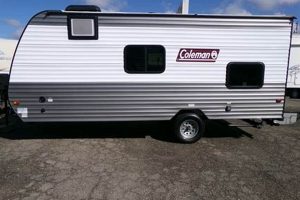
The unpleasant odor emanating from a recreational vehicle’s lavatory is a common concern for owners. This issue arises from the waste management system, which typically involves a holding tank where sewage accumulates until disposal. Various factors contribute to the development of such odors, including the breakdown of organic material, inadequate ventilation, and the presence of bacteria.
Addressing malodorous conditions is vital for maintaining a comfortable and sanitary living space within the confined environment of a recreational vehicle. Eliminating these smells enhances the overall travel experience, prevents potential health issues associated with poor sanitation, and preserves the resale value of the vehicle. Historically, primitive waste disposal methods in early recreational vehicles exacerbated the problem, leading to the development of more sophisticated tank treatments and ventilation systems.
The following sections will explore the primary causes of these odors, detailing preventative maintenance strategies, appropriate cleaning procedures, and effective solutions for odor elimination. Understanding these elements is essential for ensuring a pleasant and hygienic travel experience.
Addressing Recreational Vehicle Lavatory Odors
Maintaining a fresh and odor-free lavatory in a recreational vehicle requires consistent preventative measures and proactive maintenance. The following tips outline effective strategies for minimizing unpleasant smells and ensuring a sanitary environment.
Tip 1: Utilize Appropriate Tank Treatments: Employ specialized tank treatments designed for recreational vehicle waste systems. These treatments contain enzymes and bacteria that assist in breaking down organic waste, reducing odor-causing compounds. Follow the manufacturer’s instructions regarding dosage and frequency of application.
Tip 2: Ensure Adequate Ventilation: Proper ventilation is crucial for minimizing odor buildup. Utilize the lavatory’s vent fan during and after use to exhaust fumes. Consider installing an upgraded vent fan with increased airflow capacity for improved odor control.
Tip 3: Regularly Clean the Toilet Bowl: Clean the toilet bowl frequently using a non-abrasive cleaner specifically formulated for recreational vehicle toilets. A clean bowl reduces the potential for residual odors to develop and spread.
Tip 4: Implement the GEO Method: The GEO method, which involves using water softener, laundry detergent, and water, can aid in cleaning and deodorizing the holding tank. This method helps to loosen waste buildup and reduce lingering odors.
Tip 5: Avoid Excessive Water Usage: While flushing is necessary, excessive water usage can fill the holding tank too quickly, potentially leading to incomplete waste breakdown and increased odor production. Conserve water when possible without compromising hygiene.
Tip 6: Inspect and Maintain Seals: Regularly inspect the toilet’s seals and connections for leaks or damage. Damaged seals can allow odors to escape into the living area. Replace any worn or damaged seals promptly.
Tip 7: Rinse the Holding Tank Thoroughly: After emptying the holding tank, rinse it thoroughly using a tank rinsing system or a dedicated hose. This removes residual waste and prevents the buildup of odor-causing material.
Implementing these strategies contributes significantly to reducing and preventing recreational vehicle lavatory odors. Consistent adherence to these practices will foster a more pleasant and hygienic travel experience.
The subsequent sections will delve into troubleshooting common odor problems and addressing more persistent odor issues.
1. Anaerobic Decomposition

Anaerobic decomposition is a primary contributor to the production of malodorous gases within a recreational vehicle’s waste holding tank. This process occurs when organic waste, such as human excrement and toilet paper, breaks down in the absence of oxygen. The microorganisms responsible for this decomposition metabolize the waste, generating byproducts including methane, hydrogen sulfide, ammonia, and other volatile organic compounds. These compounds are the chief constituents of the unpleasant odor commonly associated with recreational vehicle lavatories.
The design of a typical recreational vehicle waste system often promotes anaerobic conditions. The enclosed, relatively airtight holding tank limits oxygen availability, favoring the proliferation of anaerobic bacteria. Furthermore, infrequent tank emptying can exacerbate the problem, as waste accumulates and the oxygen supply is further depleted. A practical example is observed when a travel trailer is stored for extended periods without proper tank maintenance. The stagnant waste within the tank undergoes prolonged anaerobic decomposition, resulting in a highly concentrated and intensely unpleasant odor upon subsequent use.
Understanding the connection between anaerobic decomposition and recreational vehicle lavatory odor is crucial for implementing effective mitigation strategies. Controlling anaerobic activity through adequate ventilation, frequent tank emptying, and the use of appropriate chemical treatments that promote aerobic decomposition or suppress anaerobic activity can significantly reduce the production of odor-causing gases. Addressing this fundamental biological process is key to maintaining a sanitary and comfortable environment within the recreational vehicle.
2. Holding Tank Capacity

Holding tank capacity directly influences the potential for odor generation in recreational vehicle lavatories. A smaller tank necessitates more frequent emptying, reducing the time waste sits and decomposes anaerobically. Conversely, a larger tank allows for greater waste accumulation, potentially exacerbating odor issues if not properly managed. The rate of waste decomposition, influenced by temperature and moisture levels, determines the concentration of odor-producing gases within the tank. A larger tank with accumulated waste provides a greater volume for gas production.
Consider two scenarios: a compact travel trailer with a limited holding tank capacity and a larger fifth-wheel with a significantly larger tank. The compact trailer requires more frequent waste disposal, which, if executed properly, limits the duration of anaerobic decomposition. In contrast, the larger tank in the fifth-wheel might allow for several days or even weeks of waste accumulation, particularly during stationary camping. Without adequate ventilation or chemical treatment, the concentration of odor-causing gases in the larger tank can become substantial, resulting in a noticeable and unpleasant smell when the toilet is flushed or the tank is emptied.
Understanding the relationship between holding tank capacity and odor generation is vital for proactive management. Selecting a tank size appropriate for usage patterns, implementing consistent tank treatment protocols, and ensuring adequate ventilation are crucial steps. While a larger tank offers convenience, it demands diligent management to prevent the escalation of odor problems. Conversely, smaller tanks require more frequent maintenance but inherently limit the potential for significant odor buildup, provided they are emptied regularly. The key lies in aligning tank capacity with usage habits and implementing appropriate maintenance practices to mitigate potential odor issues.
3. Ventilation Effectiveness
Ventilation effectiveness is a critical factor in mitigating the odors associated with recreational vehicle lavatories. The efficacy of a ventilation system directly influences the removal of odor-causing gases produced by waste decomposition, thereby maintaining air quality within the enclosed living space.
- Airflow Rate and Capacity
The airflow rate, measured in cubic feet per minute (CFM), dictates the speed at which air is exchanged within the lavatory. A higher CFM value indicates a greater capacity for removing airborne contaminants, including odor-causing gases. Insufficient airflow allows these gases to accumulate, leading to a noticeable and persistent smell. For instance, a vent fan rated at a low CFM might struggle to effectively exhaust odors generated after toilet usage, particularly in warmer climates where decomposition rates are accelerated.
- Vent Placement and Design
The strategic placement of vents significantly impacts ventilation effectiveness. Ideally, vents should be positioned to facilitate the efficient removal of odors from their source. A roof vent alone may not effectively extract odors from the lower regions of the lavatory. The design of the vent, including the presence of a powered fan and the size of the opening, also influences its performance. A poorly designed or obstructed vent hinders airflow, diminishing its ability to remove odors.
- Pressure Differential and Airflow Dynamics
The creation of a negative pressure environment within the lavatory encourages the flow of air from the living space into the lavatory and then out through the vent. This pressure differential is essential for preventing odors from migrating into other areas of the recreational vehicle. If the pressure differential is insufficient, due to leaky seals or inadequate vent capacity, odors may escape, compromising air quality throughout the vehicle.
- Maintenance and Obstruction
Regular maintenance of the ventilation system is crucial for sustained effectiveness. Dust, debris, and other obstructions can impede airflow, reducing the system’s capacity to remove odors. A clogged vent, for example, significantly diminishes its ability to exhaust gases, leading to odor buildup. Routine inspection and cleaning of the vent and its associated components are necessary to ensure optimal performance.
The multifaceted nature of ventilation effectiveness underscores its importance in controlling odors within recreational vehicle lavatories. Optimized airflow rates, strategic vent placement, appropriate pressure differentials, and consistent maintenance are all essential for mitigating the unpleasant effects of waste decomposition. Failure to address these aspects can result in persistent and pervasive odors, negatively impacting the overall living experience.
4. Chemical Treatment Usage

The utilization of chemical treatments within recreational vehicle waste systems is a common practice aimed at controlling and mitigating the development of unpleasant odors. However, the efficacy of chemical treatments is dependent on several factors, and improper usage can paradoxically contribute to, rather than alleviate, malodorous conditions.
- Type of Chemical Treatment
Various types of chemical treatments are available, each with a distinct mechanism of action. Enzyme-based treatments accelerate the breakdown of organic waste. Chemical treatments with formaldehyde or bronopol act as biocides, inhibiting bacterial growth. Oxidizing treatments, like those containing nitrates, introduce oxygen to promote aerobic decomposition. The selection of an inappropriate treatment type for a given situation can lead to incomplete waste breakdown or the proliferation of resistant bacteria, ultimately exacerbating odor problems. For instance, relying solely on a formaldehyde-based treatment in a system primarily experiencing grease buildup may prove ineffective and lead to increased odors due to the incomplete digestion of fats.
- Dosage and Frequency
Adhering to the manufacturer’s recommended dosage and frequency of application is crucial for optimal results. Under-dosing may result in insufficient bacterial control or inadequate waste decomposition, allowing odors to persist. Conversely, over-dosing can disrupt the microbial balance within the tank, potentially killing beneficial bacteria and hindering the natural decomposition process, which can also increase odors. Consistent application, as specified, ensures a sustained level of chemical activity necessary for effective odor control.
- Compatibility with Waste System Components
Certain chemical treatments can be incompatible with specific waste system components, such as rubber seals or plastic tanks. The use of harsh chemicals can degrade these components over time, leading to leaks and the escape of odor-causing gases. It is essential to select treatments specifically formulated for recreational vehicle waste systems and to verify their compatibility with all components to avoid damage and maintain system integrity. Using an incompatible treatment may cause seals to crack, resulting in a persistent sewer-like smell within the RV.
- Interaction with Environmental Factors
Environmental factors, such as temperature and water hardness, can influence the effectiveness of chemical treatments. High temperatures can accelerate the rate of waste decomposition, potentially overwhelming the capacity of the treatment to control odor production. Hard water can interfere with the chemical reactions required for waste breakdown, reducing the treatment’s efficacy. Adjusting the type and dosage of chemical treatment based on these environmental factors can optimize its performance. For example, in hot climates, increasing the frequency of treatment or using a more potent formula may be necessary to maintain adequate odor control.
In summary, while chemical treatments are valuable tools for managing odors in recreational vehicle lavatories, their effectiveness hinges on proper selection, dosage, compatibility, and consideration of environmental factors. Misuse or inappropriate application can lead to diminished performance and, paradoxically, contribute to increased odor production. A comprehensive understanding of these factors is essential for maximizing the benefits of chemical treatments and maintaining a sanitary environment within the recreational vehicle.
5. Seal Integrity
Compromised seal integrity is a significant contributor to the presence of undesirable odors in travel trailer lavatories. The various seals within the waste management system, including those around the toilet bowl, the holding tank connections, and the vent pipe, are designed to create an airtight barrier, preventing the escape of noxious gases. When these seals degrade, crack, or become improperly seated, they allow odor-causing compounds, primarily those generated by anaerobic decomposition in the holding tank, to permeate the living space. This direct breach of the waste system’s containment directly introduces foul smells into the interior of the trailer. An example is the toilet bowl seal, which, if cracked or dried out, permits sewer gases to escape with each flush or even passively over time. Similarly, damaged seals on the holding tank connections can release odors, particularly during travel when the jostling motion can exacerbate leaks.
The impact of failing seal integrity extends beyond mere inconvenience; it can also pose potential health concerns. Prolonged exposure to sewer gases, which contain methane, hydrogen sulfide, and ammonia, can lead to symptoms such as headaches, nausea, and respiratory irritation. Furthermore, the presence of leaks, even minor ones, can attract pests such as insects, which can further degrade sanitation. Addressing seal integrity proactively involves regular inspection of all seals for signs of wear and tear, applying sealant or lubricants as needed, and replacing compromised seals promptly. This preventive approach is essential for maintaining a hygienic and comfortable environment within the travel trailer.
In summary, maintaining the integrity of seals within a travel trailer’s waste management system is crucial for preventing the escape of odor-causing gases and ensuring a sanitary living space. Regular inspection, proactive maintenance, and timely replacement of damaged seals are vital components of a comprehensive odor control strategy. Failure to address seal integrity can result in persistent and unpleasant odors, potential health concerns, and the attraction of pests, all of which negatively impact the travel experience. The challenges lie in the often-inaccessible location of some seals and the need for specialized tools and knowledge for proper replacement, highlighting the importance of routine professional maintenance.
6. Flushing Habits
Flushing habits exert a direct influence on the presence and intensity of odors emanating from a travel trailer’s toilet. Insufficient flushing after each use leads to the accumulation of solid waste and paper within the bowl and the immediate vicinity of the discharge valve. This concentrated buildup provides a breeding ground for anaerobic bacteria, accelerating the decomposition process and intensifying the production of malodorous gases, such as hydrogen sulfide and ammonia. Inadequate water also fails to effectively transport waste into the holding tank, leaving residue that clings to the bowl and plumbing, further contributing to odor development. Conversely, excessive flushing, while seemingly beneficial, rapidly fills the holding tank, reducing its capacity and necessitating more frequent emptying, which can introduce new opportunities for odor leakage. The goal is the Goldilocks situation where the quantity of water is enough, but not too much.
Optimal flushing involves using a sufficient volume of water to ensure complete waste removal from the bowl and effective transport into the holding tank, without overfilling the tank prematurely. The type of toilet also influences the impact of flushing habits. Gravity-flush toilets typically require more water per flush than macerating toilets, which finely grind waste before discharging it. Individuals must understand their toilet type and adjust their flushing practices accordingly. Furthermore, the use of RV-specific toilet paper is crucial, as it breaks down more easily than standard toilet paper, reducing the risk of clogs and promoting more efficient waste decomposition. Ignoring these factors, such as using standard toilet paper and flushing infrequently, will result in a greater probability of unpleasant smells and plumbing issues. The correct type of toilet paper will help to dissolve the paper waste faster.
In conclusion, flushing habits constitute a critical component of odor management in travel trailer lavatories. Maintaining a balance between adequate waste removal and efficient water usage is essential for minimizing odor generation and preventing system malfunctions. The awareness and implementation of correct flushing techniques, combined with the appropriate selection of toilet paper and an understanding of the toilet type, significantly reduces odors and overall system health. The practical significance of this understanding lies in fostering a more comfortable and hygienic travel experience while preserving the longevity and proper function of the waste management system.
Frequently Asked Questions
This section addresses common queries regarding the causes, prevention, and elimination of odors associated with recreational vehicle lavatories.
Question 1: What is the primary cause of “travel trailer toilet smell?”
The primary cause is anaerobic decomposition of waste in the holding tank, producing gases like methane and hydrogen sulfide.
Question 2: How often should a recreational vehicle holding tank be emptied to prevent odors?
The holding tank should be emptied when it reaches approximately two-thirds full, or at least once a week, even if not full, to minimize waste buildup.
Question 3: Are chemical treatments necessary for odor control in recreational vehicle toilets?
Chemical treatments are often beneficial, as they assist in breaking down waste and controlling odor. However, selecting the appropriate type and following dosage instructions is critical for effectiveness.
Question 4: What role does ventilation play in minimizing “travel trailer toilet smell?”
Proper ventilation is essential for removing odor-causing gases from the lavatory and preventing their accumulation within the recreational vehicle. Ensuring the vent fan is functional and unobstructed is crucial.
Question 5: Can the type of toilet paper used contribute to odors in a recreational vehicle toilet?
Yes, standard toilet paper can clog the system and hinder waste decomposition, increasing odors. RV-specific toilet paper, designed to break down quickly, is recommended.
Question 6: How can leaks in the toilet or holding tank contribute to recreational vehicle odors?
Leaks allow odor-causing gases to escape from the waste system into the living space, resulting in a persistent and unpleasant smell. Regular inspection and maintenance of seals and connections are essential.
Effective odor control in recreational vehicle lavatories requires a multi-faceted approach that addresses waste decomposition, ventilation, chemical treatment, and system maintenance.
The subsequent sections provide detailed instructions for troubleshooting specific odor problems.
Conclusion
The preceding analysis underscores the complex nature of “travel trailer toilet smell.” Successful mitigation requires a comprehensive understanding of the contributing factors, including anaerobic decomposition, holding tank capacity, ventilation effectiveness, chemical treatment usage, seal integrity, and flushing habits. Addressing each of these elements through preventative maintenance, appropriate product selection, and diligent monitoring is critical to achieving a consistently odor-free environment.
The pursuit of odor control in recreational vehicle lavatories is not merely a matter of comfort; it is an essential aspect of maintaining hygiene and protecting the health of occupants. Continued research and development in waste management technologies, coupled with increased awareness among recreational vehicle owners, offer the potential for further advancements in odor prevention and elimination. Consistent application of the principles outlined in this exploration will contribute significantly to improved sanitation and an enhanced travel experience.