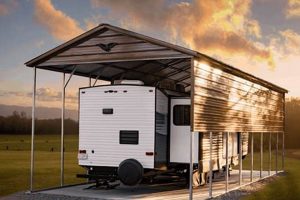
A recreational vehicle equipped with photovoltaic panels to harness solar energy represents a sustainable approach to mobile living. This setup typically includes solar panels, a charge controller, batteries for energy storage, and an inverter to convert direct current (DC) to alternating current (AC) for powering standard appliances.
Adopting this energy source for mobile dwellings offers several advantages, including reduced reliance on traditional campground electrical hookups, diminished noise pollution from generators, and a smaller carbon footprint. Historically, the integration of renewable energy into recreational vehicles has evolved from rudimentary setups to sophisticated systems capable of powering entire households on wheels.
The subsequent sections will delve into the practical aspects of implementing these systems, exploring optimal panel configurations, battery selection criteria, and the long-term economic benefits associated with this energy-efficient approach to travel.
Solar Travel Trailer
Effective integration of solar technology within a recreational vehicle requires careful planning and execution. The following guidelines provide insights for maximizing energy efficiency and system longevity.
Tip 1: Conduct a Thorough Energy Audit: Before installing any components, meticulously assess energy consumption patterns. Identify and prioritize essential appliances to ensure the system meets critical power demands.
Tip 2: Select High-Efficiency Solar Panels: Opt for monocrystalline solar panels, known for their superior energy conversion rates, particularly in limited space conditions. Consider panel dimensions and weight restrictions of the vehicle’s roof.
Tip 3: Size the Battery Bank Appropriately: Calculate battery capacity based on anticipated energy usage and desired autonomy. Lithium-ion batteries offer advantages in terms of weight, lifespan, and depth of discharge compared to traditional lead-acid options.
Tip 4: Employ a Maximum Power Point Tracking (MPPT) Charge Controller: MPPT controllers optimize energy transfer from panels to batteries, increasing system efficiency by as much as 30% compared to Pulse Width Modulation (PWM) controllers.
Tip 5: Optimize Panel Orientation and Tilt: Adjust panel angles seasonally to maximize sunlight exposure. Portable panels offer flexibility for placement in unobstructed areas, supplementing roof-mounted installations.
Tip 6: Implement Energy Conservation Measures: Utilize energy-efficient appliances and lighting (LEDs). Minimize phantom loads by disconnecting electronic devices when not in use.
Tip 7: Regularly Inspect and Maintain the System: Conduct routine checks of wiring, connections, and battery health. Clean solar panels periodically to remove dirt and debris that can reduce energy output.
These strategies contribute to a reliable and sustainable power source for recreational travel, reducing reliance on external power grids and enhancing the overall experience.
The subsequent section will address the financial considerations and long-term cost savings associated with adopting this energy-independent approach to mobile living.
1. Panel Efficiency

Panel efficiency is a crucial determinant of the overall effectiveness of a solar travel trailer system. It directly impacts the amount of solar energy converted into usable electricity within a given surface area. Higher panel efficiency translates to greater power generation for a trailer of fixed roof dimensions. For instance, a 20% efficient panel will generate significantly more power than a 15% efficient panel of the same size under identical sunlight conditions. This difference is particularly important in the confined space of a trailer roof, where maximizing power output is essential.
The choice of panel technology monocrystalline, polycrystalline, or thin-film heavily influences efficiency. Monocrystalline panels generally exhibit the highest efficiency rates, often exceeding 20%, making them a preferred choice for solar travel trailers where space is a premium. Conversely, less efficient panels necessitate a larger array to achieve the same power output, which may be impractical due to space and weight limitations. Selecting high-efficiency panels allows for a smaller, lighter system capable of meeting the trailer’s energy demands, thereby improving fuel efficiency and handling characteristics.
In summary, panel efficiency is a primary consideration in the design and implementation of solar power for recreational vehicles. Investing in higher efficiency panels, although potentially more expensive initially, can yield significant long-term benefits by maximizing energy production, minimizing space requirements, and reducing the overall system weight. This optimization leads to greater energy independence and enhanced usability of the solar travel trailer.
2. Battery Capacity
Battery capacity is a critical parameter in determining the functional autonomy of a solar travel trailer. It dictates the amount of energy stored for use during periods of low solar irradiance or nighttime operation, thereby influencing the overall reliance on external power sources.
- Usable Capacity vs. Total Capacity
The advertised capacity of a battery is often distinct from its usable capacity. For lead-acid batteries, discharging beyond 50% significantly reduces lifespan. Lithium-ion batteries, conversely, allow for deeper discharge cycles, potentially up to 80% or more, providing a larger usable capacity relative to their total rated capacity. Selecting a battery technology that aligns with anticipated usage patterns is essential.
- Amp-Hour (Ah) Rating and Energy Storage
Battery capacity is typically measured in amp-hours (Ah). To determine the energy storage capability in watt-hours (Wh), multiply the Ah rating by the battery’s voltage. For example, a 100Ah 12V battery provides 1200Wh of energy storage. Accurate calculation of energy needs, coupled with informed battery selection, is crucial for ensuring sufficient power availability in a solar travel trailer.
- Battery Bank Configuration
Multiple batteries can be configured in series or parallel to increase voltage or capacity, respectively. Series connections increase the voltage while maintaining the Ah rating, whereas parallel connections increase the Ah rating while maintaining the voltage. Proper configuration is vital for compatibility with the inverter and overall system design. Incorrect wiring can lead to system inefficiencies or damage.
- Impact of Temperature on Battery Performance
Temperature significantly impacts battery performance, particularly for lead-acid batteries. Cold temperatures reduce capacity, while high temperatures accelerate degradation. Lithium-ion batteries exhibit greater temperature tolerance but still require management. Insulating the battery compartment and, in some cases, incorporating a heating system can mitigate temperature-related performance losses.
Understanding these facets of battery capacity directly influences the practicality and effectiveness of a solar power system in a recreational vehicle. Choosing the appropriate battery technology, accurately sizing the battery bank, and considering environmental factors are all essential steps in maximizing energy independence and optimizing the performance of the solar travel trailer.
3. Charge Controller

The charge controller serves as a critical component within a solar-powered recreational vehicle system, regulating the flow of electrical energy from the solar panels to the batteries. Its primary function is to prevent overcharging, which can significantly reduce battery lifespan and pose safety risks. The selection and configuration of this device directly impact the efficiency and longevity of the entire solar energy system.
- Voltage Regulation and Overcharge Protection
The charge controller maintains a stable voltage level for the battery bank, preventing damage from excessive voltage input from the solar panels. For instance, a 12V battery system requires a specific voltage range; the controller ensures that the incoming voltage remains within these limits, even when solar panels produce higher voltages. Without this regulation, batteries would be susceptible to irreversible damage and potential thermal runaway. This protection is crucial in solar travel trailers where voltage fluctuations are common due to varying sunlight conditions.
- Pulse Width Modulation (PWM) vs. Maximum Power Point Tracking (MPPT)
Two primary types of charge controllers are PWM and MPPT. PWM controllers operate by gradually reducing the current flow to the battery as it approaches full charge. MPPT controllers, on the other hand, optimize the power output from the solar panels by continuously adjusting the voltage and current to maximize energy transfer. MPPT controllers are more efficient, especially in situations with partial shading or varying temperatures, making them a better choice for solar travel trailers seeking to maximize energy harvest. For example, an MPPT controller can improve energy yield by up to 30% compared to a PWM controller in suboptimal conditions.
- Battery Temperature Compensation
Temperature significantly affects battery performance and lifespan. Charge controllers with temperature compensation adjust the charging voltage based on the battery temperature. This prevents overcharging in hot environments and undercharging in cold environments. In a solar travel trailer, where temperature fluctuations are common, temperature compensation ensures optimal battery charging and extends battery life. A controller might lower the charging voltage in hot weather to prevent damage and raise it in cold weather to ensure a full charge.
- Load Control and System Monitoring
Some charge controllers incorporate load control features, allowing them to manage the power output to connected devices. This can prevent excessive battery discharge by automatically disconnecting loads when the battery voltage drops below a set threshold. System monitoring capabilities provide real-time information on battery voltage, charging current, and system status. This data is valuable for troubleshooting and optimizing system performance. In a solar travel trailer, load control can automatically disconnect non-essential appliances to preserve power for critical devices like refrigerators or lighting.
The charge controller, therefore, is an indispensable element in the design and operation of a functional recreational vehicle with a solar-powered setup. Its ability to regulate voltage, maximize power transfer, compensate for temperature variations, and provide load control contributes significantly to the efficiency, reliability, and longevity of the entire energy system. Optimizing the selection and configuration of the charge controller is essential for achieving true energy independence in a recreational travel context.
4. Energy Consumption

Energy consumption within a recreational vehicle is a critical factor in determining the feasibility and effectiveness of integrating solar power systems. Understanding and managing energy demand is essential for ensuring that a solar travel trailer can operate sustainably and reliably without constant reliance on external power sources. The following explores key facets of energy consumption in this context.
- Appliance Efficiency and Usage Patterns
The types and usage patterns of appliances significantly impact overall energy consumption. Refrigerators, air conditioners, and water heaters are typically the largest energy consumers. Selecting energy-efficient models (e.g., Energy Star certified refrigerators) and adjusting usage habits (e.g., minimizing air conditioner use, using energy-efficient LED lighting) can substantially reduce demand. Real-world examples include replacing an older, inefficient refrigerator with a modern, energy-saving model, resulting in a measurable decrease in daily energy draw. Similarly, using a propane-powered water heater instead of an electric one can drastically reduce electricity demand.
- Phantom Loads and Idle Consumption
Many electronic devices continue to draw power even when turned off, contributing to so-called “phantom loads.” These idle power draws can accumulate significantly over time. Unplugging devices when not in use, using power strips with on/off switches, or investing in smart power management systems can mitigate phantom loads. An example includes disconnecting chargers for phones and laptops when not actively charging, which can reduce energy waste considerably.
- Climate Control and Insulation
Heating and cooling needs constitute a significant portion of energy consumption, particularly in extreme climates. Adequate insulation helps maintain a comfortable interior temperature, reducing the need for heating or air conditioning. Reflective window coverings can also minimize solar heat gain in warmer climates. For example, a well-insulated recreational vehicle requires significantly less energy for heating in cold weather, allowing for more efficient use of stored solar energy.
- Water Pumping and Sanitation
Water pumps for sinks, showers, and toilets also contribute to energy consumption. Selecting low-flow fixtures can reduce water usage and, consequently, the energy needed to pump water. Efficient water management practices, such as taking shorter showers, can further minimize energy demand. An example includes installing a low-flow showerhead and a composting toilet, reducing both water consumption and the energy needed for water pumping and waste management.
These facets of energy consumption are directly intertwined with the design and implementation of a solar-powered recreational vehicle system. Accurately assessing and managing energy demand is crucial for sizing the solar panel array, battery bank, and charge controller. Optimizing appliance efficiency, minimizing phantom loads, enhancing insulation, and adopting water conservation measures are essential steps in ensuring that a solar travel trailer can operate sustainably and provide a comfortable, energy-independent experience.
5. Weight Distribution

The integration of solar panels and associated components onto a recreational vehicle significantly alters its weight profile, directly impacting handling characteristics and overall safety. Uneven distribution resulting from these additions can lead to instability, compromised braking performance, and increased tire wear. An improperly balanced vehicle is more susceptible to swaying, particularly at highway speeds or during adverse weather conditions. For instance, placing a heavy battery bank on one side of the trailer without corresponding weight on the opposite side can induce a noticeable lean, affecting directional stability. This underscores the imperative of meticulous weight management when incorporating solar technology.
Effective weight distribution necessitates a comprehensive assessment of the vehicle’s load capacity and a strategic placement of all components. Ideally, heavy items such as batteries should be positioned low and centered over the axles to minimize the effect on the center of gravity. Equal weight distribution from side to side is crucial to prevent listing or swaying. This often requires relocating existing equipment or adding ballast to counterbalance the weight of the solar components. An example would involve distributing the weight of several smaller batteries across both sides of the vehicle instead of concentrating it in a single location. Furthermore, regular weighing of the vehicle at a certified scale can verify compliance with weight limits and ensure balanced loading.
Neglecting weight distribution during solar system installation can have serious consequences, ranging from uncomfortable driving experiences to hazardous safety risks. Therefore, a meticulous approach to planning and execution is essential. This includes consulting with professionals experienced in recreational vehicle modifications, adhering to manufacturer guidelines, and conducting thorough testing under various driving conditions to validate stability and handling. Proper weight distribution is not merely a detail; it is a fundamental aspect of ensuring the safe and efficient operation of a solar travel trailer.
6. System Maintenance

The sustained functionality and longevity of a solar travel trailer are directly contingent upon diligent system maintenance. Solar panels, batteries, charge controllers, and inverters, though designed for durability, are subject to degradation from environmental factors and operational stress. Neglecting regular inspections and upkeep precipitates inefficiencies, reduced energy output, and premature component failure. For instance, accumulated dirt and debris on solar panels can diminish sunlight absorption, decreasing energy production by as much as 20-30%. Similarly, corroded battery terminals impede current flow, leading to reduced charging efficiency and eventual battery damage. A comprehensive maintenance regime is, therefore, not merely advisable but essential for optimizing performance and mitigating costly repairs.
Practical maintenance procedures encompass several key areas. Solar panel cleaning should be conducted periodically, ideally using a soft brush and mild detergent, to remove accumulated dirt, dust, and bird droppings. Battery terminals require regular inspection for corrosion, which can be addressed by cleaning with a baking soda solution and applying a protective coating. Charge controllers and inverters necessitate visual inspections for loose connections, damaged wiring, and proper ventilation to prevent overheating. Furthermore, monitoring battery voltage and state of charge provides valuable insights into battery health and overall system performance. Detailed records of maintenance activities, including dates, observations, and corrective actions, are instrumental in tracking system performance and identifying potential issues before they escalate. Routine maintenance is often overlooked but contributes inmensely to long term value.
In summary, system maintenance is an indispensable component of owning and operating a solar travel trailer. It directly impacts energy efficiency, system reliability, and the lifespan of critical components. While the initial investment in a solar power system represents a significant expenditure, neglecting maintenance can negate these benefits and lead to substantial financial losses in the long run. Embracing a proactive maintenance schedule ensures optimal performance, reduces the risk of unexpected breakdowns, and maximizes the return on investment in solar technology for recreational vehicles. The consistent, proactive, and regular maintenaince will ensure an effective solar travel trailer experience.
Frequently Asked Questions About Solar Travel Trailers
The following addresses common inquiries regarding the integration and operation of solar power systems within recreational vehicles.
Question 1: What is the typical lifespan of solar panels used on a travel trailer?
Most solar panels designed for recreational vehicle applications have a performance warranty of approximately 25 years. This does not imply complete failure after this period, but rather a gradual decline in energy production, typically reaching around 80% of their original output.
Question 2: How does cloud cover affect the performance of a solar travel trailer’s power system?
Cloud cover reduces the amount of sunlight reaching the panels, thereby decreasing energy generation. The extent of the reduction depends on the density and duration of cloud cover. MPPT charge controllers mitigate this effect to some degree, but prolonged periods of overcast weather necessitate reliance on battery storage or alternative power sources.
Question 3: What type of batteries are best suited for a solar travel trailer?
Lithium-ion batteries are increasingly favored due to their high energy density, deep discharge capability, and extended lifespan compared to traditional lead-acid batteries. While lithium-ion options have a higher upfront cost, their long-term performance and reduced maintenance requirements often provide a better overall value.
Question 4: Can a solar travel trailer system power an air conditioner?
Whether a system can power an air conditioner depends on the air conditioner’s power consumption, the size of the solar panel array, and the capacity of the battery bank. High-efficiency air conditioners and larger solar systems are more likely to successfully power these devices, but careful energy management is often necessary.
Question 5: How much does it cost to install a solar power system on a travel trailer?
The cost varies significantly based on system size, component quality, and professional installation fees. A basic system may cost several thousand dollars, while a more comprehensive setup capable of powering most appliances can exceed that cost. A careful evaluation of energy needs and budget constraints is essential.
Question 6: Are there any specific maintenance requirements for a solar travel trailer system?
Regular maintenance includes cleaning the solar panels, inspecting battery terminals for corrosion, and monitoring battery voltage. Periodically checking wiring connections and ensuring adequate ventilation for charge controllers and inverters is also recommended. These practices optimize system performance and prevent premature component failure.
The successful implementation of solar power in recreational vehicles requires careful planning, component selection, and diligent maintenance.
The subsequent section will address case studies and practical examples of solar travel trailer applications.
Conclusion
The preceding exploration has illuminated the multifaceted aspects of the solar travel trailer, emphasizing critical components, optimization strategies, and maintenance considerations. From panel efficiency to battery capacity and weight distribution, each element plays a pivotal role in achieving sustainable and reliable mobile power. Successfully integrating renewable energy necessitates careful planning, meticulous execution, and a thorough understanding of energy consumption patterns. The information provided should equip readers with the fundamental knowledge required to make informed decisions regarding the adoption and utilization of solar technology in recreational vehicles.
The continued advancement of solar panel technology and battery storage solutions suggests a promising future for mobile energy independence. As the demand for sustainable travel options grows, the solar travel trailer represents a compelling alternative to conventional power sources, reducing environmental impact and enhancing the overall recreational experience. Future investment should be focused on improvement in the energy conversion to increase efficiency.