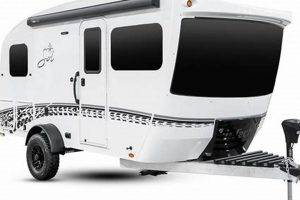
Accommodations designed to welcome both travelers and their animal companions represent a growing segment of the recreational vehicle (RV) rental market. These specialized options provide individuals the opportunity to explore various destinations without leaving their pets behind, addressing a common concern for animal owners planning vacations. For example, a family wishing to visit national parks might seek out this specific type of RV to ensure their dog can accompany them on their adventures.
The availability of such rentals offers several advantages. It eliminates the need for pet boarding, reducing stress for both the animal and owner. It also promotes a more inclusive travel experience, enabling owners to share memorable moments with their pets. Historically, finding travel options that readily accommodated animals was challenging, leading to limited vacation choices for pet owners. The rise of these specialized RV rentals signifies a positive shift towards more inclusive and accessible travel practices.
This article will explore essential considerations when selecting a suitable RV for travel with pets, covering aspects such as size and layout, safety features, location considerations, and the associated costs and booking procedures. Information on pre-trip preparations and onboard pet care will also be provided, aiming to offer practical guidance for a seamless travel experience.
Tips for Securing Suitable Accommodations
Selecting an appropriate RV rental involves careful consideration to ensure the comfort and safety of all travelers, especially animal companions. Prior planning and diligent research are crucial.
Tip 1: Verify Pet Policies: Prior to booking, confirm the specific animal policies with the rental company. Some companies may have breed or size restrictions, or limit the number of animals permitted.
Tip 2: Assess Interior Space: Ensure the RV offers sufficient space for the animal to move freely and comfortably, separate from the main living areas when necessary. Consider models with dedicated sleeping or feeding areas.
Tip 3: Evaluate Climate Control: Confirm that the RV’s climate control system (heating and cooling) functions effectively to maintain a comfortable temperature for the animal, particularly during extreme weather conditions.
Tip 4: Inspect Safety Features: Identify secure areas within the RV where the animal can be safely contained during travel, minimizing the risk of injury during sudden stops or turns. Portable kennels or secure harnesses may be necessary.
Tip 5: Investigate Nearby Amenities: Research the availability of pet-friendly amenities in the surrounding area, such as dog parks, walking trails, and veterinary services, to ensure convenient access during the trip.
Tip 6: Review Cleaning Procedures: Understand the rental company’s cleaning procedures and fees related to animal occupancy. Be prepared to thoroughly clean the RV upon return to avoid additional charges.
Tip 7: Consider Floor Materials: Opt for RVs with durable, easily cleanable floor materials to withstand potential accidents or shedding. Avoid delicate or carpeted surfaces that may be difficult to maintain.
Adhering to these guidelines facilitates a more comfortable and enjoyable travel experience for both owners and their animal companions, mitigating potential issues that may arise during the rental period.
The following sections will delve into pre-trip preparations and onboard pet care to further enhance the overall journey.
1. Pet Breed Restrictions

Pet breed restrictions represent a significant consideration within the realm of accommodations intended to be welcoming to animal companions. These limitations, imposed by rental companies, influence the accessibility and feasibility of utilizing this service for a segment of pet owners. Understanding the rationale and implications of these restrictions is crucial for both rental providers and potential customers.
- Insurance Liability
Insurance liability frequently underpins breed restrictions. Some insurance providers may impose higher premiums or deny coverage altogether for RV rentals accommodating breeds perceived as aggressive or prone to causing injury. Rental companies, in turn, mitigate financial risk by excluding these breeds from their permitted animal list. This precaution, while potentially discriminatory, is often a pragmatic response to the demands of the insurance industry.
- Damage Potential
The potential for damage to the RV’s interior serves as another justification for breed restrictions. Certain breeds, particularly larger or more energetic ones, may be perceived as having a higher likelihood of causing scratches, tears, or other forms of damage to upholstery, flooring, or fixtures. Rental companies may institute breed restrictions to minimize the risk of incurring repair costs and maintaining the condition of their rental units.
- Customer Safety
Concerns regarding customer safety also contribute to the implementation of breed restrictions. Rental companies have a responsibility to ensure the well-being of all renters. While most animals pose no threat, perceptions surrounding the potential for aggression in specific breeds can lead to restrictions designed to minimize the risk of bites or other incidents involving animal-inflicted injuries to other renters or individuals encountered during the rental period.
- Legal Compliance
In some regions, local ordinances or regulations may mandate breed-specific legislation, imposing restrictions on the ownership or housing of certain breeds. Rental companies operating in these areas must comply with these laws, which can translate into breed restrictions for RV rentals. Failure to adhere to local regulations can result in fines or other legal repercussions for the rental company.
Breed restrictions within accommodations marketed as welcoming to animal companions present a complex interplay of financial, practical, and legal considerations. While intended to mitigate risks and ensure responsible operations, these restrictions can limit accessibility for owners of restricted breeds. Prior research and transparent communication with rental companies are essential for navigating these limitations and securing suitable RV options.
2. Size Specifications

The size of a recreational vehicle (RV) intended for use as a pet-friendly rental directly impacts the safety, comfort, and overall experience for both the human occupants and their animal companions. Specific dimensions and layout configurations influence the suitability of the RV for various animal breeds and numbers.
- Interior Space Allocation
The amount of available floor space dictates the animal’s ability to move freely and comfortably within the RV. Larger breeds necessitate more open areas to prevent confinement stress. Sufficient space also allows for the separation of feeding and sleeping areas from general living zones, promoting hygiene and minimizing disturbance. Examples include dedicated kennel spaces or designated pet-free zones within the RV. Inadequate space can lead to behavioral issues and reduced animal welfare.
- Storage Capacity Considerations
Animal-related supplies, such as food, water, bedding, and waste disposal materials, require dedicated storage space. The RV’s storage capacity must accommodate these items without compromising the living space for human occupants. RVs with ample storage compartments, both interior and exterior, facilitate organized storage and prevent clutter. Insufficient storage can lead to unsanitary conditions and inconvenience.
- Accessibility Features
The size and configuration of entryways and access points influence the ease with which an animal can enter and exit the RV. Larger breeds or animals with mobility limitations may require ramps or wider doorways. Adequate accessibility features promote the animal’s independence and reduce the risk of injury during entry and exit. Limited accessibility can restrict the animal’s freedom and require significant assistance from the owners.
- Weight Capacity and Towing Requirements
Larger RVs capable of accommodating animals and their supplies often possess increased weight and towing requirements. Renters must ensure their towing vehicle is adequately equipped to handle the RV’s weight. Exceeding the towing capacity can compromise safety and damage both the RV and the towing vehicle. Proper weight distribution and adherence to towing guidelines are essential for safe and responsible operation.
The integration of appropriate size specifications into the selection of a pet-friendly RV rental is crucial for ensuring a positive and safe travel experience. Addressing the spatial, storage, accessibility, and weight considerations outlined above enhances the animal’s well-being and contributes to the overall satisfaction of the rental experience. Failure to account for these factors can lead to discomfort, safety hazards, and potentially negative consequences for both the animal and the human occupants.
3. Climate Control

Effective climate control within accommodations offered as pet-friendly RV rentals constitutes a critical factor influencing animal health and well-being. The internal temperature of a travel trailer can fluctuate dramatically based on external environmental conditions, posing a significant risk to animals incapable of effectively regulating their own body temperature. This is particularly relevant during periods of extreme heat or cold, where the lack of adequate temperature regulation can rapidly lead to heatstroke, hypothermia, or even death. Consequently, the reliable operation of heating and cooling systems is not merely a convenience but a necessity for ensuring the safety of animal occupants.
The provision of climate control in RV rentals extends beyond simply having functional heating and air conditioning units. It encompasses the responsible operation and maintenance of these systems to guarantee consistent performance. This includes regular filter changes, inspections for leaks or malfunctions, and clear instructions for renters on how to operate the systems effectively and safely. Furthermore, it necessitates considering the specific needs of different animal breeds. Brachycephalic breeds, for instance, are more susceptible to respiratory distress in high temperatures and require particularly vigilant temperature monitoring. The absence of such proactive measures can expose animals to unnecessary risk and potentially lead to severe health complications.
In summation, climate control systems represent a fundamental component of responsible pet-friendly RV rentals. They directly impact the health and safety of animal occupants, demanding careful consideration and proactive management. Rental providers must prioritize the consistent operation and maintenance of these systems, while renters must be educated on their proper use and the potential risks associated with temperature extremes. The provision of effective climate control is not only a matter of ethical responsibility but also a crucial element in ensuring a positive and safe travel experience for both pets and their owners.
4. Safety Measures

Safety measures are integral to the responsible provision and utilization of pet-friendly travel trailer rentals. Their implementation mitigates potential hazards, ensuring the well-being of both animal companions and human occupants. The absence of adequate safety protocols can result in injuries, escapes, or health complications for pets, alongside potential property damage to the rental unit. For example, unsecured animals during transit can be thrown about the RV interior during sudden stops, leading to physical trauma. Similarly, lack of proper ventilation can create dangerous conditions, especially in extreme temperatures, causing heatstroke or suffocation. Therefore, the incorporation of robust safety measures is not merely an amenity but a fundamental requirement for ethical operation.
Specific safety measures within pet-friendly travel trailer rentals encompass a range of considerations. Secure restraint systems, such as harnesses or travel crates, prevent unrestrained movement during vehicle operation. These systems minimize the risk of injury during transit and prevent distractions for the driver. Furthermore, the provision of non-toxic cleaning supplies is crucial to eliminate potential exposure to harmful chemicals for animals that may lick or ingest substances on surfaces. Regular maintenance of safety equipment, including smoke detectors and carbon monoxide detectors, is equally important to alert occupants to potential hazards. Another practical example is the installation of window screens or barriers to prevent animals from escaping through open windows or vents.
In conclusion, the deliberate integration of safety measures is paramount to the success and ethical operation of pet-friendly travel trailer rentals. Neglecting these provisions can create hazardous conditions for animals and human occupants alike. Emphasizing secure restraint systems, non-toxic cleaning supplies, maintained safety equipment, and escape prevention mechanisms contributes to a safer, more enjoyable travel experience. Ongoing assessment and refinement of safety protocols are essential to address emerging concerns and maintain a high standard of care within this sector of the rental market. The implementation of these practices reflects a commitment to animal welfare and responsible service provision.
5. Cleaning Protocols

Rigorous cleaning protocols are paramount within the context of pet-friendly travel trailer rentals. The presence of animal occupants necessitates enhanced sanitation standards to mitigate allergens, control odors, and prevent the transmission of zoonotic diseases. Failure to adhere to meticulous cleaning practices can compromise the health and safety of subsequent renters, diminishing the overall appeal and viability of the rental service.
- Allergen Mitigation
Animal dander, saliva, and urine can trigger allergic reactions in sensitive individuals. Comprehensive cleaning protocols must include thorough vacuuming of all surfaces, including upholstery, carpets, and window coverings, using HEPA-filtered vacuums to capture microscopic allergens. Sanitizing hard surfaces with appropriate cleaning agents further reduces allergen levels. Neglecting allergen mitigation can severely impact the comfort and health of allergy-prone renters.
- Odor Control
Lingering pet odors can create an unpleasant rental experience and indicate inadequate sanitation. Effective odor control requires specialized cleaning agents designed to neutralize organic compounds responsible for pet-related smells. Air fresheners alone are insufficient; deep cleaning and disinfection are necessary to eliminate the source of the odor. Persistent odors can deter future bookings and damage the reputation of the rental provider.
- Disinfection and Sanitation
Pets can carry and transmit various pathogens, posing a risk to human occupants. Cleaning protocols must incorporate disinfection of all frequently touched surfaces, such as countertops, door handles, and bathroom fixtures, using EPA-approved disinfectants effective against common animal-borne diseases. Thorough sanitation of pet-specific areas, such as feeding stations and litter box locations, is also critical. Inadequate disinfection can lead to the spread of illness among renters.
- Damage Assessment and Repair
Animals can cause both visible and hidden damage to rental units. Cleaning protocols should include a comprehensive damage assessment to identify scratches, stains, or other signs of wear and tear. Repair or replacement of damaged items is essential to maintain the condition of the RV and prevent further deterioration. Failure to address damage can lead to escalating repair costs and decreased rental value.
In conclusion, stringent cleaning protocols are not merely an optional addendum but an indispensable component of responsible pet-friendly travel trailer rentals. The multifaceted approach encompassing allergen mitigation, odor control, disinfection, and damage assessment directly impacts renter satisfaction, health, and the long-term viability of the rental service. A demonstrable commitment to meticulous cleaning practices is essential for establishing trust and maintaining a positive reputation within this niche market.
6. Location Amenities

The availability and quality of location amenities represent a critical determinant of success for pet-friendly travel trailer rentals. These amenities encompass the services, facilities, and resources situated within proximity to the rental location or intended travel destinations, directly impacting the convenience, safety, and overall satisfaction of pet owners utilizing such rentals. Their presence mitigates challenges associated with traveling with animals, while their absence can detract significantly from the experience. For instance, a campsite lacking designated waste disposal stations for pet refuse necessitates that renters transport waste over distances, posing hygiene concerns and logistical inconveniences.
The practical application of this understanding manifests in several key areas. Rental companies must prioritize locations that offer or have nearby access to dog parks, veterinary clinics, pet supply stores, and walking trails. A travel trailer rental situated near a national park known for its pet-friendly hiking trails will inherently be more appealing than one situated in a purely urban environment with limited green spaces. Furthermore, the presence of pet-friendly restaurants or cafes in the vicinity enhances the overall travel experience, allowing pet owners to integrate their animals into their leisure activities. The lack of such amenities often results in increased stress for both the animals and their owners, diminishing the enjoyment of the trip and potentially leading to negative reviews for the rental service.
In summary, the strategic integration of location amenities represents a crucial component of a successful pet-friendly travel trailer rental offering. These amenities directly influence the practicality, convenience, and enjoyment of the rental experience for pet owners. Challenges arise when amenities are scarce, poorly maintained, or located at a considerable distance from rental locations or intended travel destinations. By carefully considering the availability and quality of location amenities, rental companies can enhance the value proposition of their services and cultivate a positive reputation within the competitive pet-friendly travel market.
7. Cost Analysis

Cost analysis plays a pivotal role in the feasibility and accessibility of accommodations designed to welcome animal companions. Renters must assess the aggregate financial implications of this specific type of travel option. The expenses extend beyond the base rental fee to encompass pet-related fees, potential cleaning costs, and the cost of necessary supplies, such as pet food and waste disposal bags. For example, rental companies may levy a non-refundable pet fee to cover additional cleaning or wear and tear. Understanding these costs is crucial for budgeting and determining whether the option is financially viable compared to alternatives such as boarding the animal or selecting non-pet-friendly accommodations.
A comprehensive cost analysis also considers indirect expenses. Transporting an animal may increase fuel consumption due to added weight. Specific locations may impose additional fees for animal access, such as park entrance fees or charges for utilizing pet-designated areas. Emergency veterinary care, while unforeseen, represents a potential financial risk. Owners might need to purchase specialized equipment, such as travel crates or harnesses, further adding to the overall expense. Evaluating these factors allows for a more accurate assessment of the total financial commitment.
In conclusion, cost analysis is an indispensable element when considering accommodations that welcome animal companions. Overlooking these expenses can lead to budgetary strain and undermine the overall enjoyment of the travel experience. By meticulously assessing direct and indirect costs, potential renters can make informed decisions that align with their financial resources and ensure a more predictable and manageable budget. This proactive approach fosters responsible financial planning and contributes to a positive travel experience.
Frequently Asked Questions
This section addresses common inquiries regarding the rental of recreational vehicles (RVs) designed to accommodate animal companions. It provides factual information to clarify rental policies, procedures, and expectations.
Question 1: What constitutes a “pet friendly” travel trailer rental?
A “pet friendly” travel trailer rental is defined as a recreational vehicle offered by a rental company that explicitly permits renters to travel with domestic animals. These rentals often feature specific amenities or modifications intended to enhance the safety and comfort of animal occupants. However, the term does not imply the absence of all restrictions or additional fees pertaining to animal occupancy.
Question 2: Are there breed or size restrictions for animals in pet friendly travel trailer rentals?
Yes, many rental companies impose breed or size restrictions for animals permitted in their RV rentals. These restrictions are often dictated by insurance policies, safety concerns, or the physical limitations of the RV itself. Renters are advised to confirm breed and size limitations with the rental company prior to booking to avoid potential complications.
Question 3: What additional fees are associated with pet friendly travel trailer rentals?
Pet friendly travel trailer rentals may incur additional fees, including non-refundable pet fees intended to cover additional cleaning or wear and tear. Some companies may also charge extra for specific amenities, such as pet bedding or feeding bowls. Renters should carefully review the rental agreement to understand all applicable fees before finalizing the booking.
Question 4: What are the cleaning expectations for renters traveling with animals?
Renters traveling with animals are typically expected to maintain a clean and sanitary environment within the RV. This includes removing animal waste, vacuuming pet hair, and cleaning up any messes caused by the animal. Failure to adequately clean the RV may result in additional cleaning charges upon return of the vehicle.
Question 5: What safety precautions should renters take when traveling with animals in an RV?
Renters should ensure animals are safely secured during transit using harnesses, travel crates, or other appropriate restraint devices. Adequate ventilation and temperature control are also essential to prevent heatstroke or hypothermia. Animals should never be left unattended inside the RV for extended periods, particularly during extreme weather conditions.
Question 6: What documentation is required for animals traveling in pet friendly travel trailer rentals?
Rental companies may require documentation verifying the animal’s vaccination status and overall health. Some companies may also request proof of pet insurance or require renters to sign a waiver assuming liability for any damages or injuries caused by the animal. Renters should consult with the rental company to determine specific documentation requirements.
The information presented in this FAQ section serves as a general guide. Specific policies and procedures may vary among rental companies. Thorough research and direct communication with rental providers are essential for ensuring a smooth and compliant rental experience.
The subsequent sections will explore specific legal and contractual obligations pertaining to pet-friendly RV rentals, including liability considerations and dispute resolution mechanisms.
Conclusion
The preceding analysis elucidates the multifaceted considerations inherent in pet friendly travel trailer rentals. From assessing breed restrictions and size specifications to implementing robust cleaning protocols and ensuring adequate safety measures, the successful provision and utilization of these rentals necessitate meticulous planning and adherence to industry best practices. Financial implications, encompassing both direct and indirect costs, warrant thorough evaluation prior to commitment. A failure to address these aspects adequately can compromise the safety, comfort, and overall satisfaction of renters and their animal companions.
The continued growth and evolution of the pet friendly travel trailer rentals market depend upon the prioritization of animal welfare and responsible service provision. Prospective renters are encouraged to engage in diligent research and direct communication with rental providers to ensure compliance with all applicable policies and regulations. The industry, in turn, must strive for transparency and accountability, fostering a climate of trust and ensuring a positive travel experience for all participants. The future of this sector hinges on a commitment to ethical practices and the ongoing refinement of standards that prioritize the well-being of both humans and animals.
![Best Travel Trailer Toy Hauler Floor Plans: [Year] Guide! | Best Travel Tips for Adventurers: Explore the World on a Budget](https://detravellers.com/wp-content/uploads/2026/05/th-140-300x200.jpg "Best Travel Trailer Toy Hauler Floor Plans: [Year] Guide! Best Travel Tips for Adventurers: Explore the World on a Budget")


![RV Travel Trailer Blinds: Best Blinds for Trailers [2024] | Best Travel Tips for Adventurers: Explore the World on a Budget](https://detravellers.com/wp-content/uploads/2026/05/th-128-300x200.jpg "RV Travel Trailer Blinds: Best Blinds for Trailers [2024] Best Travel Tips for Adventurers: Explore the World on a Budget")