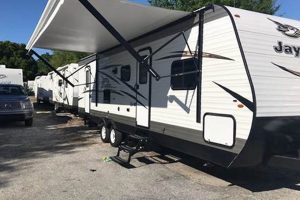
Effective rodent exclusion from recreational vehicles involves implementing preventative measures to seal entry points and discourage nesting. This multifaceted approach focuses on physically blocking access, eliminating food sources, and maintaining an environment unattractive to pests. For example, sealing gaps around pipes and regularly cleaning the interior are fundamental steps.
Maintaining a rodent-free environment within a travel trailer is crucial for hygiene, preventing property damage, and ensuring a healthy living space. Historically, controlling pests in mobile dwellings has been a persistent challenge, requiring constant vigilance and adaptation to new and improved methods. The benefits of effective prevention include reduced risk of disease transmission, preservation of the trailer’s structure, and peace of mind for occupants.
The subsequent sections will detail specific techniques for achieving comprehensive rodent control. These include identifying and sealing potential entry points, implementing deterrent strategies, maintaining proper sanitation practices, and employing appropriate trapping methods if necessary. Each strategy offers a different layer of protection to ensure a pest-free travel experience.
Rodent Exclusion Strategies for Recreational Vehicles
The following recommendations offer guidance for maintaining a rodent-free travel trailer, minimizing potential damage and health risks.
Tip 1: Seal Entry Points: Conduct a thorough inspection of the trailer’s exterior and interior. Pay close attention to gaps around pipes, wiring, and other entry points. Use caulk, steel wool, or expanding foam to seal any openings, effectively blocking rodent access.
Tip 2: Underbelly Protection: The underbelly of a travel trailer is often vulnerable. Consider installing a mesh screen or metal sheeting to protect exposed areas and deter rodents from entering through the underside.
Tip 3: Eliminate Food Sources: Store all food items in airtight containers. Regularly clean up crumbs and spills. Avoid leaving pet food or water bowls accessible, especially overnight.
Tip 4: Use Rodent Repellents: Employ commercially available rodent repellents, such as peppermint oil or ultrasonic devices. Place these repellents strategically throughout the trailer, focusing on areas prone to rodent activity.
Tip 5: Monitor for Signs of Infestation: Regularly inspect the trailer for signs of rodent activity, including droppings, gnaw marks, or nesting materials. Early detection allows for prompt action and prevents a full-blown infestation.
Tip 6: Maintain a Clean Environment: A clean trailer is less attractive to rodents. Regularly vacuum, sweep, and disinfect surfaces to eliminate food odors and potential nesting sites.
Tip 7: Trim Vegetation Around the Trailer: Keep grass and shrubbery trimmed around the perimeter of the trailer. This reduces potential hiding places for rodents and minimizes their ability to access the trailer unseen.
Implementing these strategies consistently can significantly reduce the likelihood of rodent infestations in travel trailers, preserving the integrity of the vehicle and ensuring a more hygienic environment.
The subsequent conclusion will summarize the key steps and emphasize the importance of ongoing vigilance in maintaining a rodent-free recreational vehicle.
1. Seal Entry Points

Effective rodent exclusion in travel trailers hinges critically on the meticulous sealing of all potential entry points. This proactive measure forms the first line of defense against infestations, preventing rodents from accessing the interior and establishing a presence.
- Identification of Vulnerable Areas
Rodents can exploit even the smallest openings to gain entry. Therefore, a thorough inspection is paramount. This includes examining areas where pipes and wiring penetrate walls and floors, seams in the trailer’s construction, and any gaps around windows and doors. Overlooked spaces frequently provide access for rodents.
- Selection of Appropriate Sealing Materials
The choice of sealing material depends on the size and nature of the opening. Caulk is suitable for smaller cracks and crevices, while steel wool can effectively block larger gaps. Expanding foam provides an airtight seal but should be used with caution to avoid damage to surrounding structures. The material must be durable and resistant to rodent gnawing.
- Application Techniques for Effective Sealing
Proper application is as important as material selection. Ensure the surfaces are clean and dry before applying sealant. Fill gaps completely, avoiding air pockets. For steel wool, pack it tightly into the opening to create a physical barrier. Regularly inspect sealed areas for signs of damage or deterioration, and promptly repair or replace as needed.
- Long-Term Maintenance and Monitoring
Sealing entry points is not a one-time task. Travel trailers are subject to vibrations and environmental changes that can compromise seals over time. Regular inspections are essential to identify and address any new or reopened gaps. Consistent maintenance ensures the long-term effectiveness of the sealing efforts.
By systematically identifying, sealing, and maintaining potential entry points, the likelihood of rodent infestation in a travel trailer is significantly reduced. This proactive approach, when combined with other preventative measures, offers a robust strategy for maintaining a rodent-free environment within the vehicle, preserving its integrity and safeguarding the health of its occupants.
2. Underbelly Protection
The underbelly of a travel trailer presents a significant vulnerability in efforts to exclude rodents. Its often-exposed location and numerous access points, such as openings for plumbing, wiring, and structural supports, provide relatively easy entry for mice and other pests. Without adequate protection, the underbelly serves as a direct pathway into the trailer’s interior, negating other preventative measures taken at higher points. This is particularly relevant in environments where rodents are prevalent. For instance, trailers parked in campgrounds or near wooded areas are at increased risk if the underbelly is left unaddressed.
Implementing effective underbelly protection typically involves physical barriers. Options include the installation of durable mesh screens, metal sheeting, or specialized underbelly covers designed to prevent rodent access. These barriers must be properly secured and regularly inspected for damage or gaps, as rodents are adept at exploiting even minor weaknesses. The practical application of this strategy significantly reduces the likelihood of rodents establishing nests within the trailer’s insulation or accessing interior spaces through unseen openings. Cases where unprotected trailers experienced rapid rodent infestations highlight the importance of this preventative measure.
In summary, underbelly protection represents a crucial component of a comprehensive rodent exclusion strategy for travel trailers. While sealing upper-level entry points is essential, neglecting the underbelly undermines these efforts and leaves the trailer susceptible to infestation. Addressing this vulnerability with appropriate barriers, consistent maintenance, and regular inspections is paramount for maintaining a pest-free environment. Challenges may include the initial cost of materials or the complexity of installation, but the long-term benefits of preventing rodent damage and health risks outweigh these concerns.
3. Eliminate Food

The removal of available food sources constitutes a foundational strategy in rodent control for travel trailers. Eliminating food reduces the trailer’s attractiveness to mice, disrupting their ability to establish a sustainable presence and minimizing the likelihood of infestation.
- Proper Food Storage
Securing all food items in airtight containers is paramount. This includes dry goods, cereals, and pet food. Glass or durable plastic containers are preferable, as rodents can gnaw through cardboard or thin plastic. For example, leaving a bag of dog food open, even for a short period, can attract mice seeking sustenance, leading to an infestation. Effective storage practices deny rodents a readily available food supply.
- Regular Cleaning Practices
Promptly cleaning up spills and crumbs is essential. Rodents are attracted to even trace amounts of food residue. Countertops, floors, and under appliances require frequent attention. For instance, neglected crumbs under a table can provide sufficient sustenance for a small rodent population to thrive, increasing their likelihood of nesting within the trailer. Adhering to rigorous cleaning protocols minimizes food availability.
- Waste Management
Proper waste disposal is crucial. Garbage containers should have tightly fitting lids to prevent rodents from accessing discarded food. Regularly emptying trash receptacles, especially before extended periods of non-use, minimizes potential food sources. Leaving uncovered trash containing food scraps invites rodent activity, potentially leading to a full-scale infestation within the travel trailer. Effective waste management supports rodent control efforts.
- Eliminating Pet Food Access
Pet food, if left unattended, is a significant attractant for rodents. Avoid leaving pet food bowls out overnight. Store pet food in secure containers and clean up any spilled food immediately. Allowing unrestricted access to pet food provides a readily available and appealing food source for rodents, negating other preventative measures. Controlled pet feeding practices limit rodent attraction.
In summary, the diligent elimination of food sources represents a fundamental component of rodent control in travel trailers. The combination of secure food storage, consistent cleaning practices, responsible waste management, and controlled pet feeding strategies significantly reduces the trailer’s attractiveness to rodents, diminishing the likelihood of infestation and preserving a hygienic environment. Consistent adherence to these principles is essential for the success of any rodent control strategy.
4. Repellents

The use of repellents serves as a supplementary tactic in maintaining a rodent-free travel trailer. While not a standalone solution, repellents, when implemented correctly, can discourage rodents from entering or nesting within the vehicle. The effectiveness of repellents stems from their ability to create an environment that is unappealing or even noxious to rodents, thereby reducing the likelihood of infestation. Repellents function as a deterrent; for example, peppermint oil, a common natural repellent, emits a strong odor that rodents find offensive, prompting them to seek alternative locations.
Various types of repellents are available, each with varying degrees of effectiveness and application methods. Natural repellents, such as peppermint oil, cayenne pepper, and mothballs, offer a non-toxic alternative to chemical-based options. These are typically applied by placing soaked cotton balls or sachets containing the repellent in strategic locations throughout the trailer, such as under sinks, in storage compartments, and near potential entry points. Ultrasonic devices, which emit high-frequency sounds that are irritating to rodents, are another repellent option. However, their efficacy is debated, as rodents may eventually habituate to the noise. Chemical repellents, available in spray or granular form, contain substances that are toxic to rodents or emit a strong, unpleasant odor. These should be used with caution and in accordance with label instructions to avoid harm to humans or pets.
The implementation of repellents is most effective when integrated with other preventative measures. Sealing entry points, eliminating food sources, and maintaining a clean environment reduce the overall attractiveness of the travel trailer to rodents, while repellents serve as an additional deterrent. It is essential to regularly replenish or replace repellents, as their effectiveness diminishes over time. Challenges associated with repellent use include determining the most effective type for a given situation and ensuring proper application to maximize its impact. However, when used in conjunction with a comprehensive rodent control strategy, repellents contribute to a more secure and pest-free travel trailer environment.
5. Regular Monitoring

Continuous assessment of a travel trailer’s condition is a critical component of effective rodent control. Regular monitoring serves as an early warning system, enabling timely intervention to prevent or mitigate infestations, thus enhancing the overall success of maintaining a rodent-free environment.
- Inspection Frequency and Scope
Routine inspections, ideally conducted bi-weekly or monthly, should encompass both the interior and exterior of the travel trailer. The scope of these inspections includes checking for signs of rodent activity, such as droppings, gnaw marks, nesting materials, and unusual odors. External assessments should focus on identifying potential entry points, such as gaps in the underbelly, around pipes, and where wiring enters the trailer. This proactive approach allows for early detection and prevents minor issues from escalating into significant infestations.
- Identifying Signs of Infestation
Recognizing the subtle indicators of rodent presence is crucial for effective monitoring. Fresh droppings, typically found in dark, secluded areas such as cabinets or under appliances, are a definitive sign of recent activity. Gnaw marks on wooden structures, wiring, or food packaging indicate that rodents are actively seeking food or nesting materials. Nesting materials, often composed of shredded paper, fabric, or insulation, signify that rodents have established a breeding site within the trailer. Ignoring these signs allows a rodent population to expand unchecked, leading to extensive damage and potential health risks.
- Utilizing Traps and Baits as Monitoring Tools
Even in the absence of obvious signs, deploying traps or baits strategically can serve as a monitoring tool. Non-toxic bait stations or snap traps placed in areas prone to rodent activity can confirm their presence before an infestation becomes widespread. The effectiveness of this method relies on consistent monitoring of the traps and baits; if evidence of rodent activity is detected, immediate action should be taken to address the infestation. Furthermore, regular relocation of traps and baits is necessary to prevent rodents from becoming accustomed to their presence.
- Documentation and Remedial Action
Maintaining a log of inspection findings, including dates, locations, and any signs of rodent activity, is essential for tracking trends and evaluating the effectiveness of preventative measures. Any evidence of rodent presence should trigger immediate remedial action, such as sealing entry points, removing food sources, and implementing targeted trapping strategies. Thorough documentation allows for informed decision-making and ensures that appropriate measures are taken to address the root cause of the infestation. Failure to document and act promptly can result in recurrent infestations and increased damage to the travel trailer.
In conclusion, regular monitoring, encompassing frequent inspections, vigilant identification of signs, strategic use of monitoring tools, and meticulous documentation, is indispensable for sustaining a rodent-free travel trailer. This proactive approach not only prevents infestations but also minimizes the potential for property damage and health hazards associated with rodent presence. The consistent application of these monitoring practices reinforces the effectiveness of other preventative measures, ensuring a safer and more hygienic environment within the travel trailer.
6. Cleanliness
Maintaining a high standard of cleanliness within a travel trailer is intrinsically linked to effective rodent control. The presence of food debris, nesting materials, and unsanitary conditions provides an attractive environment for rodents, encouraging them to seek shelter and sustenance within the vehicle. Conversely, a clean and well-maintained travel trailer is far less appealing to rodents, significantly reducing the likelihood of infestation.
- Elimination of Food Sources
Rodents are primarily attracted to food. Food particles, crumbs, and improperly stored foodstuffs constitute a readily available food source that encourages rodents to enter a travel trailer. Regular cleaning of countertops, floors, and storage areas removes these attractants, reducing the incentive for rodents to seek entry. For example, neglecting to clean spilled food or leaving open containers of pet food creates a powerful attractant for mice, overriding other preventative measures.
- Reduction of Nesting Materials
Rodents require nesting materials to establish breeding sites. Clutter, unused paper products, and accumulations of dust and debris provide ideal materials for nest construction. Regular decluttering and thorough cleaning eliminate these potential nesting resources, discouraging rodents from establishing a permanent presence. The accumulation of newspapers or clothing in storage compartments, for instance, offers an easily accessible source of nesting material, fostering rodent habitation.
- Odor Control
Rodents are highly sensitive to odors, and strong or persistent food odors can attract them from considerable distances. Cleaning and disinfecting surfaces with appropriate cleaning agents eliminates lingering food odors and other scents that might draw rodents to the travel trailer. The failure to properly clean cooking areas after use, for example, can leave residual food odors that act as a beacon for rodents seeking a food source.
- Maintenance of Sanitary Conditions
Unsanitary conditions attract a variety of pests, including rodents. Regularly cleaning and disinfecting surfaces, particularly in food preparation and storage areas, creates an environment that is less hospitable to rodents. Accumulations of dirt and grime provide a breeding ground for bacteria and attract insects, which, in turn, can attract rodents seeking a source of food or harborage. Upholding sanitary conditions reinforces the effectiveness of other rodent control measures.
In summary, cleanliness is not merely an aesthetic consideration but a critical component of effective rodent control in travel trailers. By eliminating food sources, reducing nesting materials, controlling odors, and maintaining sanitary conditions, the likelihood of rodent infestation is significantly diminished. This proactive approach, combined with other preventative measures such as sealing entry points and using repellents, provides a robust strategy for maintaining a rodent-free environment within the vehicle.
Frequently Asked Questions
The following questions address common concerns and practical aspects of maintaining a rodent-free travel trailer.
Question 1: Are travel trailers inherently prone to rodent infestations?
Travel trailers, due to their construction materials and frequent exposure to diverse environments, present multiple entry points for rodents, making them susceptible to infestations if preventive measures are not implemented.
Question 2: What are the most common entry points for rodents in a travel trailer?
Common entry points include gaps around pipes and wiring, openings in the underbelly, spaces around windows and doors, and any unsealed cracks or crevices in the trailer’s exterior.
Question 3: How effective are ultrasonic rodent repellent devices?
The effectiveness of ultrasonic devices is debated. Some studies suggest they may deter rodents initially, but rodents may habituate to the sound over time, diminishing their long-term efficacy.
Question 4: What are the health risks associated with rodent infestations in a travel trailer?
Rodent infestations pose several health risks, including the transmission of diseases through urine, droppings, or bites. Exposure to rodent allergens can also trigger allergic reactions or asthma symptoms.
Question 5: Is professional pest control necessary for rodent infestations in travel trailers?
Professional pest control services may be necessary for severe or persistent infestations. Professionals have access to specialized equipment and knowledge to effectively eliminate rodents and prevent recurrence.
Question 6: How can one prevent rodents from entering a travel trailer during long-term storage?
Before long-term storage, thoroughly clean the trailer, remove all food items, seal entry points, place rodent repellents inside, and consider covering the trailer with a rodent-proof tarp.
Effective rodent control in recreational vehicles requires a multifaceted approach, encompassing prevention, monitoring, and, if necessary, professional intervention.
The subsequent conclusion will summarize the comprehensive strategy for preventing rodent infestations in travel trailers.
Conclusion
The preceding discussion has comprehensively addressed how to keep mice out of a travel trailer. The key tenets of effective rodent control emphasize preventative measures, including rigorous sealing of entry points, diligent underbelly protection, elimination of all potential food sources, strategic deployment of repellents, and consistent monitoring for signs of infestation. Maintaining impeccable cleanliness within the trailer further reinforces the efficacy of these combined strategies.
Sustained vigilance and unwavering adherence to these guidelines are paramount for preserving a rodent-free environment within recreational vehicles. The ongoing commitment to these practices not only safeguards the structural integrity of the trailer but also protects the health and well-being of its occupants. The effort invested in proactive rodent control is an investment in the longevity and habitability of the travel trailer.


![Best Travel Trailer Toy Hauler Floor Plans: [Year] Guide! | Best Travel Tips for Adventurers: Explore the World on a Budget](https://detravellers.com/wp-content/uploads/2026/05/th-140-300x200.jpg "Best Travel Trailer Toy Hauler Floor Plans: [Year] Guide! Best Travel Tips for Adventurers: Explore the World on a Budget")