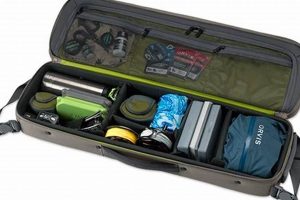
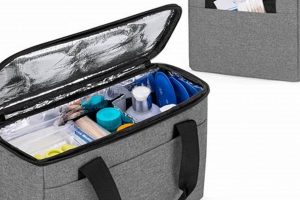
A specialized container designed to maintain a consistent temperature for temperature-sensitive medications during transport. These bags typically utilize insulated materials and sometimes include ice packs or cooling elements to prevent medicines from exposure to extreme heat or cold. An individual requiring insulin for a weekend trip, for example, might use such a bag to ensure the medication remains viable.
Maintaining the efficacy of pharmaceuticals during travel is critical for patient health. Temperature fluctuations can degrade medications, rendering them ineffective or even harmful. These protective carriers are essential for individuals with chronic conditions or those traveling to regions with extreme climates, offering a portable solution to safeguard medication integrity. Historically, travelers relied on less reliable methods, highlighting the significant advancement these dedicated carriers represent.
The following discussion will explore the key features to consider when selecting appropriate medication transport solutions, examining different types of available options, and providing guidance on how to properly use and maintain these critical devices for optimal medication protection.
Optimizing Use
The effectiveness of temperature-sensitive medications during transport hinges on proper usage and maintenance. Several key considerations can maximize the protective capabilities of specialized carriers.
Tip 1: Pre-Condition the Carrier. Before placing medications inside, cool the container. If using ice packs, ensure they are adequately frozen. This initial step helps establish and maintain the desired temperature range.
Tip 2: Monitor Internal Temperature. Employ a reliable thermometer inside the carrier to verify that the temperature remains within the medication’s specified storage requirements. Consistent monitoring allows for timely adjustments.
Tip 3: Utilize Appropriate Coolants. Select coolant packs specifically designed for medical purposes. Avoid using standard ice packs that can freeze medications. Gel packs formulated for temperature regulation offer more consistent cooling.
Tip 4: Protect from Direct Sunlight. Even with insulation, direct exposure to sunlight can significantly raise the internal temperature. Shield the carrier from direct sunlight whenever possible, particularly in hot environments.
Tip 5: Minimize Opening Frequency. Frequent opening of the carrier disrupts the internal temperature. Access medications only when necessary, and close the carrier immediately afterward to preserve the regulated environment.
Tip 6: Adhere to Medication Storage Instructions. Always consult the medication’s packaging or a pharmacist for specific temperature storage guidelines. Carriers are designed to maintain temperatures, not correct for prior exposure to adverse conditions.
Tip 7: Inspect for Damage. Regularly inspect the carrier for any signs of wear and tear, such as cracks, tears, or compromised insulation. Replace the carrier if any damage is detected, as its protective capabilities may be compromised.
Prioritizing these actions optimizes the protective function of these specialized carriers, ensuring medication integrity throughout the journey. The subsequent section will discuss various travel scenarios and the most appropriate carrier types for each.
1. Temperature maintenance

Temperature maintenance is a critical function of specialized medication carriers designed for travel. Maintaining the recommended temperature range of pharmaceuticals is essential to prevent degradation, ensuring efficacy and patient safety. The design and performance of these carriers directly influence their ability to uphold stable temperatures during transit.
- Insulation Materials and Techniques
The type and thickness of insulation materials are primary determinants of a carrier’s ability to regulate temperature. Materials such as closed-cell foam, vacuum insulation panels, and reflective barriers minimize heat transfer. The effectiveness of these materials depends on their thermal resistance and how they are integrated into the carrier’s construction. Variations in insulation quality will directly influence the duration for which medications can be kept within the specified temperature range.
- Coolant Integration and Management
Many medication carriers utilize coolant packs to actively maintain low temperatures. The selection and management of these coolants are crucial. Phase-change materials, for example, offer consistent cooling at a specific temperature. Proper pre-conditioning (freezing or chilling) of the coolants and their strategic placement within the carrier are necessary to optimize their cooling performance and prevent direct contact with medications that might be freeze-sensitive.
- Environmental Buffering and Protection
A carrier’s external design should provide a buffer against extreme environmental conditions. Features such as light-colored outer shells to reflect sunlight, waterproof materials to prevent moisture penetration, and robust construction to withstand physical impacts contribute to temperature stability. Protection from direct sunlight is particularly important in hot climates to minimize heat absorption.
- Internal Airflow and Temperature Distribution
The internal design of a carrier should promote even temperature distribution. Adequate airflow prevents localized hot or cold spots that could compromise medication stability. Some advanced carriers incorporate small fans or strategically placed dividers to facilitate air circulation and maintain a uniform temperature throughout the storage compartment.
The interconnectedness of these facets dictates the overall temperature maintenance capability of a specialized medication carrier. Effective insulation, judicious coolant integration, robust environmental protection, and optimized airflow collectively contribute to a stable and reliable environment for temperature-sensitive medications during travel, irrespective of external temperature fluctuations.
2. Portability

Portability is an inherent and critical design consideration for specialized medication carriers, ensuring that individuals can safely and conveniently transport temperature-sensitive medications. This feature is paramount for patients with chronic conditions requiring medication adherence while traveling or away from home.
- Size and Form Factor
The overall dimensions and shape of the carrier directly impact its ease of transport. Compact designs, resembling small bags or cases, allow for convenient storage in carry-on luggage, backpacks, or purses. Larger, bulkier carriers may be less practical for frequent travel or daily use. The form factor should balance storage capacity with ease of handling and maneuverability.
- Weight and Material Composition
The weight of the carrier, both empty and when filled with medications and coolants, influences its portability. Lightweight materials, such as durable nylon or specialized plastics, minimize the overall burden. Excessive weight can hinder mobility and increase discomfort during travel, particularly for longer distances or when carrying multiple items.
- Carrying Mechanisms and Ergonomics
The inclusion of handles, straps, or other carrying mechanisms enhances portability. Ergonomically designed handles with comfortable grips distribute weight evenly, reducing strain on the hand and wrist. Adjustable shoulder straps allow for hands-free carrying, providing greater freedom of movement. Some carriers may also feature integrated attachment systems for securing them to luggage or other travel gear.
- Compliance with Travel Regulations
The design should comply with airline and transportation security regulations. Clear labeling of the contents, particularly medications requiring special handling, can facilitate passage through security checkpoints. Compliance with size restrictions for carry-on items is essential to avoid delays or confiscation. Portability, therefore, extends beyond physical attributes to include regulatory adherence.
These considerations collectively define the portability of specialized medication carriers. A well-designed carrier balances size, weight, ergonomics, and regulatory compliance, ensuring that patients can confidently and conveniently transport their temperature-sensitive medications without compromising efficacy or security. The subsequent focus shifts to medication protection, another core attribute of these specialized carriers.
3. Medication protection

Medication protection is a core attribute of specialized medication carriers, intrinsically linked to the preservation of pharmaceutical efficacy during transit. These carriers are designed to shield medications from environmental stressors, ensuring that their chemical composition and therapeutic properties remain uncompromised. The impact of physical and environmental factors necessitates robust protective measures. Exposure to excessive heat, cold, moisture, or physical impact can degrade medications, rendering them ineffective or even harmful. A carrier’s ability to mitigate these risks directly influences its value in maintaining medication integrity.
Medication protection encompasses multiple design elements and functional characteristics. Rigid external structures, for example, provide physical shielding against crushing or impact damage. Waterproof or water-resistant materials prevent moisture ingress, which can dissolve or alter medication formulations. Internal padding or dividers secure individual vials or containers, minimizing friction and potential breakage. The incorporation of tamper-evident closures further safeguards against unauthorized access and potential adulteration. Consider a scenario involving insulin, a medication particularly susceptible to temperature variations and physical shock. A properly designed carrier will maintain its temperature while also protecting it from being crushed during travel.
The importance of medication protection stems from its direct impact on patient health and treatment outcomes. By mitigating the risks associated with environmental and physical stressors, these specialized carriers contribute to medication adherence and efficacy. Challenges remain in balancing robust protection with portability and convenience. Future advancements may focus on incorporating smart sensors to monitor medication integrity in real-time, providing patients with enhanced assurance during travel. The ultimate goal is to safeguard the therapeutic value of medications, ensuring that patients receive the intended benefit, regardless of location or travel conditions.
4. Insulation efficacy

Insulation efficacy is a core determinant of the performance of specialized carriers. This efficacy defines a carrier’s capacity to impede heat transfer, maintaining a stable internal temperature critical for preserving pharmaceutical integrity during transport.
- Material Thermal Conductivity
The thermal conductivity of insulation materials dictates heat transfer rate. Lower conductivity implies superior insulation. Vacuum insulation panels outperform traditional foam, offering enhanced temperature regulation. A carrier employing high thermal resistance materials prolongs medication viability under fluctuating ambient conditions.
- Insulation Thickness and Density
Insulation layer thickness correlates positively with insulation efficacy. Denser materials further enhance performance. Doubling the layer thickness can proportionally extend the duration for which medications remain within specified temperature ranges. This becomes crucial during extended travel or in regions with extreme climates.
- Sealing and Closure Integrity
Air gaps or imperfect seals compromise insulation. Effective sealing prevents convective heat transfer, maintaining a consistent internal environment. High-quality zippers and closures minimize air exchange, contributing to sustained insulation performance. Seal integrity is vital in maintaining the temperature inside the bag.
- Coolant Integration and Interface
The interface between insulation and coolant materials impacts efficacy. Optimal coolant placement maximizes cooling effect. Insulated barriers preventing direct medication contact with coolants avert freezing risks. Efficient coolant integration optimizes temperature regulation within the confined space.
These interconnected facets collectively dictate the insulation efficacy of a specialized carrier. By optimizing materials, thickness, sealing, and coolant integration, these carriers provide a reliable means of safeguarding temperature-sensitive medications, ensuring patient safety and therapeutic outcomes during travel. Inadequate insulation compromises medication integrity, potentially jeopardizing patient health.
5. Safe transport

Safe transport, in the context of specialized medication carriers, extends beyond simple mobility to encompass security, regulatory compliance, and the preservation of medication integrity throughout the journey. It represents a holistic approach to ensuring that medications reach their destination without compromise, safeguarding patient health and treatment efficacy.
- Compliance with Transportation Regulations
Adherence to airline, train, and other transport regulations is paramount for safe passage. This involves clear labeling of medications, proper documentation (such as prescriptions or doctor’s notes), and compliance with size and weight restrictions for carry-on items. Failure to comply can result in delays, confiscation, or legal repercussions, jeopardizing the timely delivery of essential medications.
- Tamper-Evident Security Features
Incorporating tamper-evident closures or seals on carriers provides a visual indication of unauthorized access. These features deter potential tampering or theft, ensuring that the medication’s integrity is maintained from origin to destination. A broken seal serves as a warning, prompting further inspection and verification of the medication’s condition.
- Discreet Design and Handling
Maintaining a low profile can minimize attention and prevent unwanted scrutiny. A discreet carrier design avoids drawing unnecessary attention to the contents, reducing the risk of theft or mishandling. When handling the carrier in public spaces, maintaining vigilance and avoiding conspicuous displays of medications contributes to overall security.
- Protection Against Environmental Hazards
Safe transport also entails safeguarding medications from environmental hazards encountered during travel. This includes protection from extreme temperatures, humidity, and physical shocks. A robust carrier construction, coupled with appropriate insulation and coolant systems, mitigates these risks, ensuring that medications remain within their specified storage conditions throughout the journey.
These elements, integrated into the design and usage protocols of specialized medication carriers, contribute to a secure and reliable system for transporting temperature-sensitive pharmaceuticals. By prioritizing compliance, security, discretion, and environmental protection, these carriers facilitate safe transport, ensuring that patients receive their medications in optimal condition, regardless of travel challenges.
6. Content Security

Content security, in the context of specialized carriers, refers to the measures implemented to protect the enclosed medications from unauthorized access, tampering, or theft. The need for content security is paramount, given the sensitive nature and potential value of the pharmaceuticals being transported. The integrity of the medication, and by extension, the patient’s well-being, directly relies on effective security protocols.
- Tamper-Evident Closures
Tamper-evident mechanisms, such as seals or specialized zippers, provide visual indicators of unauthorized access. If a seal is broken or a zipper is compromised, it alerts the user to potential tampering, allowing for closer inspection of the medication. The pharmaceutical industry widely employs similar techniques to ensure product authenticity and safety.
- Lockable Mechanisms
The inclusion of lockable zippers or integrated locking systems offers a higher level of content security. These mechanisms require a key or combination to open, deterring casual theft or unauthorized access. While not impenetrable, lockable features add a layer of protection, particularly useful in public settings or during air travel where the carrier may be unattended.
- Opaque Materials and Discreet Design
The use of opaque materials in the construction of the carrier prevents visual inspection of the contents. A discreet design avoids drawing attention to the fact that medications are being transported, reducing the likelihood of theft. For instance, a carrier that blends seamlessly with other luggage or appears as a generic carrying case is less likely to attract unwanted attention.
- Reinforced Construction and Tamper-Resistant Materials
Reinforced seams, durable zippers, and puncture-resistant materials enhance the overall security of the carrier. These features make it more difficult to forcibly open or tamper with the contents. The selection of tamper-resistant materials adds an extra layer of protection against both opportunistic and deliberate attempts to compromise the medication’s integrity.
The incorporation of these security features contributes to a more robust system for safeguarding medications during transport. Content security, therefore, is not merely an ancillary consideration but an integral aspect of the overall functionality of these specialized carriers, ensuring that medications reach their intended recipients without compromise or risk of harm.
Frequently Asked Questions
This section addresses common inquiries regarding the selection, use, and maintenance of specialized carriers for temperature-sensitive medications during travel. Understanding these aspects is crucial for ensuring medication efficacy and patient safety.
Question 1: What criteria determine the appropriate carrier size for medication transport?
The appropriate carrier size depends on the volume and dimensions of the medications to be transported, as well as the anticipated duration of travel. Select a carrier that accommodates all necessary medications without overcrowding, allowing for adequate airflow and coolant placement. Overcrowding can compromise temperature regulation. Consider the overall size and weight limitations imposed by airlines or other transportation modes.
Question 2: How frequently should coolant packs be replaced or recharged during extended travel?
The replacement or recharging frequency of coolant packs depends on the ambient temperature and the insulation efficacy of the carrier. Monitor the internal temperature of the carrier regularly. Replace or recharge coolant packs when the temperature approaches the upper limit of the medication’s specified storage range. In hot environments, this may require more frequent replacement.
Question 3: Are specialized carriers necessary for all medications during travel?
Specialized carriers are primarily necessary for medications that require specific temperature storage conditions, as indicated by the manufacturer. Medications that are stable at room temperature and are not susceptible to degradation from heat or cold may not require specialized transport. Consult with a pharmacist to determine the appropriate transport method for each medication.
Question 4: How should the internal temperature of a medication carrier be monitored?
A reliable thermometer should be used to monitor the internal temperature. Digital thermometers with external probes provide continuous temperature readings without requiring frequent opening of the carrier. Place the thermometer sensor near the medications to obtain an accurate temperature assessment. Regularly record the temperature readings to track temperature fluctuations and ensure medication stability.
Question 5: What measures should be taken if the temperature inside the carrier exceeds the recommended range?
If the temperature exceeds the recommended range, take immediate action to restore the temperature to the appropriate level. This may involve replacing or recharging coolant packs, relocating the carrier to a cooler environment, or transferring the medications to a refrigerated storage facility, if available. Consult with a pharmacist or physician regarding the potential impact on medication efficacy.
Question 6: How should a medication carrier be cleaned and maintained?
Clean the carrier regularly with a mild disinfectant solution. Avoid using harsh chemicals that could damage the insulation or contaminate the medications. Ensure that the carrier is thoroughly dried before storing medications inside. Inspect the carrier for any signs of wear and tear, such as cracks, tears, or damaged zippers. Replace the carrier if any damage is detected, as this could compromise its protective capabilities.
Proper use and maintenance of medication transport carriers are essential for safeguarding medication integrity. Consulting with healthcare professionals regarding specific storage requirements and best practices is strongly recommended.
The following section will address advancements in medication transport technology and the future of temperature-controlled pharmaceutical logistics.
Insulated Medicine Bag for Travel
The preceding analysis has elucidated the critical features and functionalities inherent in specialized medication carriers. Insulation efficacy, portability, medication protection, content security, and safe transport are interdependent elements contributing to a secure and reliable system. Temperature maintenance, facilitated by advanced insulation and coolant technologies, stands as a core requirement. The selection of appropriate carriers must consider individual medication requirements, travel conditions, and regulatory compliance.
Continued research and development are essential to enhance the capabilities of these devices. Further advancements in materials science, sensor technology, and connectivity could lead to more intelligent and adaptive medication transport solutions. Prioritizing patient safety and medication integrity remains paramount. Healthcare providers and individuals should remain vigilant in adopting and adhering to best practices for medication transport, ensuring the effectiveness and safety of pharmaceuticals throughout their journey.