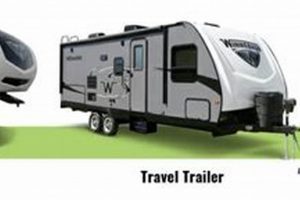
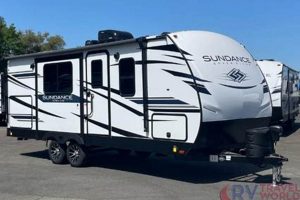
These devices are designed to bring a recreational vehicle to a horizontal plane. For example, chocks or blocks placed under the wheels of a trailer on uneven ground ensure stability and prevent appliances from malfunctioning due to being off-kilter.
Achieving a level position is crucial for comfort, proper operation of onboard systems like refrigerators, and preventing stress on the trailer’s frame. Historically, improvised methods such as using rocks or wood were common; however, modern dedicated solutions offer increased precision and ease of use.
The following sections will delve into the types of leveling equipment available, factors to consider when selecting the appropriate system, and best practices for utilization.
Leveling System Best Practices
Proper utilization of leveling systems ensures stability, safety, and optimal functionality within the recreational vehicle. Adherence to these practices minimizes potential issues and extends the lifespan of the equipment.
Tip 1: Choose the Appropriate Type. Consider the weight and size of the trailer when selecting a leveling system. Under-rated systems can fail, while over-sized systems may be unnecessary.
Tip 2: Assess the Site. Before deploying any leveling equipment, evaluate the terrain. Note any significant slopes, soft spots, or obstructions that may affect the leveling process.
Tip 3: Use a Level. Employ a bubble level or digital level to accurately determine the degree of unevenness. This will inform the extent of adjustment needed on each side of the trailer.
Tip 4: Position Leveling Equipment Correctly. Place chocks or blocks directly in front of or behind the tires, ensuring complete contact. Avoid placing the equipment on unstable surfaces.
Tip 5: Raise the Low Side Gradually. Incrementally raise the low side of the trailer until the bubble level indicates a level position. Avoid abrupt movements that can destabilize the trailer.
Tip 6: Re-check Level. After the initial leveling is complete, it is essential to re-check the level in multiple locations inside the travel trailer.
Tip 7: Secure the System. Once level, engage any locking mechanisms or safety features of the leveling system. This prevents slippage and maintains stability.
Implementing these techniques enhances the safety and convenience of travel trailer usage, contributing to a more enjoyable and worry-free experience.
The subsequent section will address common issues encountered during the leveling process and provide troubleshooting solutions.
1. Types

Diverse solutions are available to achieve a level stance. Understanding the various categories is essential for selecting the most suitable system for a given travel trailer and usage scenario.
- Leveling Blocks
These are typically stackable, interlocking blocks made of durable plastic. They are placed under the tires to raise the low side of the trailer. Their simplicity and affordability make them a popular choice for occasional users.
- Leveling Ramps
These ramps are designed to allow the user to drive the trailer tire onto them, gradually raising the low side. They often feature textured surfaces for improved traction and can be a faster leveling solution compared to blocks.
- Scissor Jacks
Scissor jacks are mechanical devices that are placed under the frame of the travel trailer. They are manually cranked to lift and stabilize the trailer. They provide greater stability compared to ramps or blocks, especially on softer ground.
- Automatic Leveling Systems
These systems use hydraulic or electric jacks to automatically level the travel trailer with the push of a button. They offer convenience and precision but are a more expensive option typically found on larger trailers.
The selection of a particular type depends on factors such as the size and weight of the trailer, the frequency of use, the terrain conditions, and the budget of the owner. Each type presents a distinct balance of cost, convenience, and stability.
2. Materials

Material selection significantly impacts the performance, durability, and longevity of stabilization equipment. The materials used dictate load-bearing capacity, resistance to environmental factors, and overall reliability.
- High-Density Polyethylene (HDPE)
HDPE is a common material for leveling blocks and ramps due to its high strength-to-weight ratio, resistance to water and chemicals, and relative affordability. For example, interlocking blocks constructed from HDPE can withstand considerable weight while remaining easy to handle and store. The implications are reduced weight and increased weather resistance, which can be key if the levelers will be used frequently in wet conditions.
- Steel
Steel is frequently employed in the construction of scissor jacks and components of automatic leveling systems where high strength and rigidity are paramount. Steel jacks, for instance, provide a robust lifting mechanism capable of supporting significant loads. The downside of steel is susceptibility to corrosion if not properly coated or treated, which can lead to structural weakening over time.
- Aluminum
Aluminum alloys are often used in higher-end leveling components due to their combination of strength and corrosion resistance. Aluminum jacks, for example, offer a lighter alternative to steel, while still providing adequate support. However, aluminum is typically more expensive than steel and may be more susceptible to damage from sharp impacts. It would be suitable in coastal regions where corrosion is a concern.
- Rubber
Rubber is often incorporated into leveling systems as a non-slip surface or as a component in shock absorption. For example, rubber pads on the base of leveling jacks can improve stability and prevent slippage on smooth surfaces. The use of rubber can extend the longevity of leveling equipment by minimizing vibrations during operation.
These materials demonstrate a trade-off between cost, weight, strength, and environmental resistance. Careful consideration of these factors is essential when selecting a leveling solution that meets the specific requirements of the travel trailer and the intended usage conditions.
3. Capacity
Load-bearing capability is a critical parameter in leveling systems. Mismatched specifications can lead to equipment failure and potentially dangerous situations. Therefore, aligning the load capacity of the chosen solution with the weight of the recreational vehicle is essential.
- Gross Vehicle Weight Rating (GVWR) Alignment
The GVWR represents the maximum permissible weight of the fully loaded travel trailer. The combined capacity of the leveling devices must equal or exceed the GVWR to ensure adequate support under all conditions. For instance, a travel trailer with a GVWR of 7,000 pounds requires levelers with a minimum combined capacity of 7,000 pounds. Failure to adhere to this guideline can result in structural damage to the leveling equipment and the trailer itself.
- Static Load vs. Dynamic Load Considerations
Leveling systems are primarily designed to support static loads, which are constant and unchanging. However, minor dynamic forces may occur due to wind or movement within the trailer. Leveling device capacity should account for a buffer to accommodate these occasional dynamic loads. A safety margin of 10-20% above the GVWR is often recommended. For example, if the GVWR is 5000 lbs, then the leveler system selected has to be able to withstand 5500 – 6000 lbs.
- Individual Leveler Capacity Distribution
The total capacity is distributed across multiple leveling points. Each individual leveling device must possess sufficient capacity to support its share of the trailer’s weight. Uneven weight distribution within the trailer can concentrate loads on specific leveling points. Regular weight checks and adjustments to cargo placement may be necessary to ensure even distribution and prevent overloading any single leveling device. For instance, it is important to ensure that the gray water tank and black water tank are not biased on one side of the trailer to allow for correct capacity distribution.
- Material Degradation and Capacity Reduction
Over time, the capacity of leveling devices may decrease due to material fatigue, corrosion, or physical damage. Regular inspections for signs of wear and tear are necessary to identify potential capacity reductions. Replacement of worn or damaged components is crucial to maintaining the integrity of the leveling system. Examples can include rust on metal pieces or plastic stress fractures in plastic levelers.
In summary, capacity in travel trailer stabilization is a multifaceted concern. Accurate assessment of trailer weight, consideration of dynamic forces, awareness of load distribution, and proactive maintenance are essential to safe and effective use. Understanding the relationship of weight and leveler capacity will ensure long life and prevent hazardous events.
4. Accuracy

Precision in leveling is paramount for operational integrity and user comfort within a recreational vehicle. Precise horizontal alignment ensures proper functioning of appliances and prevents undue stress on the trailer’s frame. Inaccuracy undermines the benefits of a leveling system.
- Appliance Performance
Refrigerators, particularly absorption models, rely on gravity to circulate coolant. Inaccurate leveling can impede this process, leading to reduced cooling efficiency or complete failure. A deviation of just a few degrees can be sufficient to compromise performance. This becomes even more critical in hot climates, where refrigerators are already operating at maximum capacity. Accurate leveling ensures food stays fresh and avoids costly repairs.
- Structural Integrity
Uneven weight distribution caused by inaccurate leveling can induce stress on specific areas of the trailer’s frame and suspension. Over time, this can lead to warping, cracking, or other structural damage. For example, prolonged stress on a single support point can weaken welds and compromise the overall stability of the trailer. Precision in leveling minimizes these risks and prolongs the lifespan of the recreational vehicle.
- Comfort and Convenience
Even subtle inclines can create noticeable discomfort for occupants. Sleeping on a sloped surface, for example, can lead to restless nights and physical strain. Inaccurate leveling can also cause doors to swing open or closed, drawers to slide unexpectedly, and liquids to spill. These seemingly minor inconveniences can detract from the overall enjoyment of the travel trailer experience. Ensuring precise horizontal alignment enhances comfort and convenience for all occupants. This also helps to prevent injury and accidents.
- Plumbing System
Inaccurate levelling will have a negative effect on the plumbing system in a travel trailer. When a travel trailer is not level, liquids, waste water and solids will not drain properly through the tanks and outlets which can cause clogs, build-up of material in the tanks and pipes, and/or can put stress on the pipes and connections as the travel trailer structure warps. All of these conditions can lead to plumbing failures.
Achieving precise leveling requires careful attention to detail and the use of appropriate tools, such as bubble levels or digital leveling devices. A commitment to accuracy is essential for maximizing the benefits of stability solutions, ensuring both the longevity of the trailer and the comfort of its occupants.
5. Durability
Longevity of stabilization solutions is paramount for cost-effectiveness and safety. Robust construction and resistance to environmental factors are key attributes. Compromised integrity jeopardizes the effectiveness and lifespan of these systems.
- Material Fatigue Resistance
Repeated loading and unloading cycles induce stress on components. Materials with high fatigue resistance, such as specific steel alloys or reinforced polymers, are essential for withstanding these stresses without cracking or deformation. Frequent travelers, for instance, subject their leveling equipment to continuous use, accelerating fatigue. Systems constructed with durable materials retain structural integrity over extended periods, ensuring reliable performance.
- Corrosion Protection
Exposure to moisture, road salt, and other corrosive agents can degrade components. Protective coatings, such as galvanization or powder coating, mitigate corrosion and extend the lifespan of steel components. Coastal environments, in particular, accelerate corrosion. Leveling solutions with effective corrosion protection maintain their structural integrity, even under harsh conditions. This reduces the need for frequent replacements.
- Impact Resistance
Leveling equipment may be subjected to impacts from rocks, debris, or accidental mishandling. Materials with high impact resistance, such as hardened plastics or reinforced composites, prevent cracking or shattering. Off-road campsites, where uneven terrain is common, increase the risk of impacts. Systems designed with impact-resistant materials withstand accidental damage, maintaining functionality and safety.
- UV Resistance
Prolonged exposure to ultraviolet (UV) radiation can degrade certain plastics and rubber compounds, leading to embrittlement and cracking. UV-resistant materials maintain their flexibility and strength, even after years of exposure to sunlight. Leveling solutions with UV protection resist degradation, preventing premature failure and ensuring long-term reliability.
These elements collectively define the robustness of travel trailer leveling solutions. Selection based on high-quality components and protective treatments ensures prolonged service life and safe operation, optimizing the return on investment and minimizing maintenance requirements.
6. Installation

Proper deployment of stabilization equipment is crucial for safe and effective operation. Incorrect procedures can compromise the system’s integrity and lead to hazardous conditions. Therefore, adherence to recommended installation guidelines is paramount.
- Pre-Installation Site Assessment
Prior to deploying any leveling devices, a thorough evaluation of the campsite is essential. Identifying potential obstacles, such as rocks or tree roots, and assessing the degree of slope are critical steps. Failure to adequately prepare the site can result in unstable placement and ineffective leveling. For example, attempting to install blocks on soft ground without adequate support can cause them to sink, negating their leveling effect. A comprehensive site assessment minimizes these risks and ensures a solid foundation for stabilization.
- Correct Placement and Alignment
Positioning the stabilization components in the designated locations, as specified by the manufacturer, is vital. Incorrect placement can compromise the system’s load-bearing capacity and create uneven weight distribution. For instance, placing leveling blocks too far forward or backward on the tire can create excessive stress on the suspension. Adhering to recommended placement guidelines ensures that the stabilization system operates within its design parameters and provides optimal support.
- Secure Fastening and Locking Mechanisms
Many leveling systems incorporate fasteners or locking mechanisms to secure the components in place. Properly engaging these mechanisms prevents slippage and maintains stability. For example, scissor jacks typically feature locking pins that prevent the jack from collapsing under load. Failure to fully engage these locking mechanisms can result in sudden failure and potential injury. Ensuring all fasteners and locking mechanisms are securely engaged is critical for preventing accidents and maintaining a stable platform.
- Post-Installation Verification and Adjustment
After the initial stabilization is complete, it is necessary to verify the accuracy of the leveling and make any necessary adjustments. This typically involves using a bubble level or digital level to check the horizontal alignment of the travel trailer. If the trailer is not level, adjustments can be made by adding or removing shims or by repositioning the leveling devices. Post-installation verification ensures that the trailer is properly stabilized and provides a comfortable and safe living environment.
The installation phase fundamentally dictates the long-term effectiveness and safety of stabilization solutions. Diligent execution of proper procedures and meticulous attention to detail are paramount for maximizing the benefits of leveling systems and ensuring a secure and enjoyable travel trailer experience.
7. Maintenance

Regular upkeep directly impacts the performance and lifespan of stabilization equipment. A neglected system is susceptible to premature failure, compromising safety and convenience. This includes cleaning, lubrication, and inspection for damage. Consider scissor jacks; without periodic lubrication of the threads, they become difficult to crank, increasing strain on the user and potentially leading to thread stripping. Corrosion is accelerated by dirt and debris, weakening the metal components. Such issues can be easily prevented with a consistent maintenance schedule.
Specific maintenance tasks vary depending on the type of leveling device. For leveling blocks and ramps, cleaning is crucial. Removing mud, gravel, and other debris prevents abrasion and maintains a secure grip. Automatic leveling systems demand more complex maintenance, potentially involving hydraulic fluid checks and electrical connection inspections. Skipping these can lead to system malfunctions, which require costly repairs. Proper maintenance procedures not only prolong the device’s use but also maintain its functionality and safety.
Neglecting maintenance significantly increases the risk of accidents and equipment failure. Regular maintenance will save money and prevent inconvenient breakdowns. Consistent attention to cleaning, lubrication, and inspections ensures longevity, reliability, and safety.
Frequently Asked Questions
The following provides answers to commonly asked questions regarding devices for achieving a level position in recreational vehicles. Understanding these answers can aid in selection, proper usage, and maintenance.
Question 1: What are the primary benefits?
These devices provide several important benefits, including appliance functionality, prevention of frame stress, and enhanced occupant comfort. Leveling contributes to optimal operation of refrigerators and other appliances requiring a level surface. Frame stress is minimized by evenly distributing weight. Occupant comfort is enhanced by eliminating sloped surfaces.
Question 2: How does one select the appropriate type?
Selection requires consideration of several factors, including travel trailer weight, the typical terrain encountered, and desired ease of use. A heavier travel trailer will require solutions with a higher load capacity. Uneven terrain may necessitate adjustable systems. Simpler systems, such as blocks, offer ease of use, while automatic systems provide convenience.
Question 3: Is professional installation required?
Professional installation is generally not required for basic systems, such as blocks or ramps. However, automatic leveling systems may benefit from professional installation to ensure proper electrical and hydraulic connections. Incorrect installation can result in system malfunction or damage to the travel trailer.
Question 4: What maintenance is necessary?
Maintenance requirements vary by type. Blocks and ramps require periodic cleaning to remove debris. Scissor jacks require lubrication of the threads. Automatic systems may require hydraulic fluid checks and inspection of electrical connections. Regular maintenance extends the lifespan of the system and ensures reliable performance.
Question 5: Can these devices be used on any surface?
They can be deployed on most surfaces; however, precautions are necessary on soft or unstable ground. Using shims or wider support pads can prevent sinking or shifting. Assessing the ground conditions prior to deployment is essential for safe and effective leveling.
Question 6: What are the potential safety hazards?
Potential hazards include instability resulting from improper installation, overloading the system beyond its rated capacity, and failure to engage locking mechanisms. Always adhere to manufacturer’s instructions and perform regular inspections to mitigate these risks.
In summary, understanding the nuances of these devices contributes to a safer and more enjoyable recreational vehicle experience. Prioritizing safety and maintenance are crucial.
The following section will provide sources, references and further reading on these devices.
Conclusion
The preceding analysis has detailed the critical aspects of stability solutions for recreational vehicles. From selecting the appropriate type to understanding load capacity, material properties, and maintenance requirements, a comprehensive approach ensures safe and effective operation. Furthermore, correct installation and regular maintenance of “travel trailer levelers” prevent damage and improve reliability.
Therefore, it is incumbent upon travel trailer owners to prioritize thorough knowledge of their stabilization systems. Informed decisions and diligent practices contribute to both the longevity of the equipment and the safety of all occupants, reinforcing the value of this essential component of the recreational vehicle experience.