A lightweight recreational vehicle designed for towing behind a passenger vehicle, often characterized by its aerodynamic shape and emphasis on fuel efficiency, provides a compact and mobile living space. These units typically include basic amenities such as sleeping quarters, a kitchenette, and a small bathroom. An example of such a unit would be a smaller trailer, suitable for weekend getaways, that emphasizes ease of towing and storage.
The importance of these units lies in their accessibility and affordability, providing an entry point into the RV lifestyle for a wider range of individuals and families. Benefits include reduced fuel consumption compared to larger recreational vehicles, simplified maneuverability, and lower maintenance costs. Historically, smaller trailers have filled a niche for travelers seeking a blend of comfort and convenience without the bulk and expense of larger options.
The subsequent sections will delve into various aspects of these travel companions, including specific models, construction materials, floor plans, and considerations for prospective buyers. This exploration aims to provide a thorough understanding of what to consider when choosing the right mobile living solution for individual needs and preferences.
Considerations for Selecting a Compact Recreational Vehicle
Choosing a suitable, lightweight, towable recreational unit requires careful evaluation of various factors. The following guidelines aim to assist potential buyers in making informed decisions.
Tip 1: Assess Towing Capacity. Vehicle towing capacity is paramount. Consult the vehicle’s owner’s manual and verify the gross vehicle weight rating (GVWR) of the chosen model does not exceed the vehicle’s limit. Overloading can cause mechanical damage and compromise safety.
Tip 2: Evaluate Floor Plan and Space. Floor plan suitability is critical for comfort. Assess the layout to ensure adequate sleeping space, storage, and functionality for planned travel needs. Consider layouts with convertible furniture to maximize usable space.
Tip 3: Examine Construction Materials. Construction material impacts durability and weight. Aluminum frames and fiberglass exteriors generally offer a balance of strength and lightweight construction, contributing to better fuel economy and ease of towing.
Tip 4: Inspect Appliances and Systems. Functionality of appliances and systems is essential. Verify the operational status of the air conditioner, refrigerator, water heater, and plumbing systems. Ensure propane tanks are properly installed and functioning.
Tip 5: Check for Insulation and Weatherproofing. Insulation and weatherproofing contribute to comfort in various climates. Inspect seals around windows and doors and inquire about the insulation R-value to understand thermal performance in extreme temperatures.
Tip 6: Review Warranty and Service. Warranty coverage and available service are important. Understand the terms of the manufacturer’s warranty and identify local service centers for potential repairs or maintenance.
Tip 7: Consider Storage Solutions. Adequate storage is vital for extended travel. Evaluate the available interior and exterior storage compartments to ensure sufficient space for personal belongings and equipment.
Adhering to these considerations will help ensure a suitable unit is selected, aligning with towing capabilities, travel needs, and budget.
The following sections will provide a comparative analysis of popular models, detailing their features, specifications, and user reviews to further assist in the decision-making process.
1. Lightweight Towing

Lightweight towing represents a critical aspect in the recreational vehicle industry, particularly concerning the suitability and appeal of compact, towable units. Its influence extends to fuel economy, vehicle compatibility, and overall user experience.
- Fuel Efficiency Enhancement
Reduced weight directly translates to improved fuel economy. A lighter unit demands less energy from the tow vehicle, resulting in lower fuel consumption per mile. This efficiency becomes increasingly important during extended travel, reducing overall operational costs.
- Expanded Vehicle Compatibility
Lower weight broadens the range of vehicles capable of safely towing a recreational unit. Passenger cars and smaller SUVs, which may be unsuitable for heavier trailers, can often accommodate lighter models, expanding accessibility to the RV lifestyle.
- Increased Maneuverability
Lighter trailers are easier to maneuver, both on the open road and in tight spaces such as campgrounds or urban environments. This enhanced maneuverability reduces driver fatigue and improves overall driving safety.
- Reduced Wear and Tear
Towing a lighter trailer imposes less stress on the tow vehicle’s engine, transmission, and braking system. This reduced stress translates to lower maintenance costs and potentially longer vehicle lifespan.
These interconnected facets illustrate the pivotal role of lightweight towing in defining the characteristics and advantages of a recreational vehicle. By emphasizing reduced weight, manufacturers can offer more fuel-efficient, versatile, and user-friendly options for a broader segment of the consumer market.
2. Fuel Efficiency

Fuel efficiency serves as a pivotal attribute influencing the operational cost and environmental impact of a compact, towable recreational unit. The relationship between this unit and fuel efficiency operates on the principle of minimizing drag and weight to reduce the energy required for propulsion. A lighter, more aerodynamically designed unit necessitates less power from the tow vehicle, resulting in diminished fuel consumption. For example, a unit constructed with lightweight materials such as aluminum and composites, coupled with a streamlined profile, can achieve a measurable improvement in miles per gallon compared to heavier, less aerodynamic alternatives. This efficiency becomes particularly significant during long-distance travel, where accumulated fuel savings can be substantial.
The importance of fuel efficiency extends beyond mere economic considerations. Reduced fuel consumption leads to lower greenhouse gas emissions, aligning with growing environmental concerns. Manufacturers are increasingly incorporating design elements and materials optimized for fuel efficiency to meet consumer demand for sustainable travel options. This includes features such as low-profile designs, integrated solar panels for auxiliary power, and improved insulation to reduce reliance on energy-intensive heating and cooling systems. The practical significance of understanding this relationship allows consumers to make informed purchasing decisions, prioritizing models that offer a balance of comfort, functionality, and minimal environmental footprint.
In conclusion, fuel efficiency is not merely a desirable characteristic; it represents a fundamental design parameter influencing the overall value proposition. Challenges remain in further reducing weight without compromising structural integrity and durability. However, ongoing advancements in materials science and aerodynamic design promise to unlock further gains in fuel efficiency, reinforcing the role of the compact, towable unit as a viable and responsible option for recreational travel. The pursuit of enhanced fuel efficiency remains inextricably linked to the continued evolution of these recreational accommodations.
3. Compact Design
Compact design is a core principle in the engineering and marketing of smaller recreational towable units. It dictates not only the physical dimensions but also influences the functionality, storage solutions, and overall usability of the living space. Its importance stems from its direct impact on towability, storage options, and accessibility to a wider range of users.
- Optimized Space Utilization
Compact design necessitates efficient use of available space. This often involves multi-functional furniture, such as convertible dinettes and folding beds, allowing a single area to serve multiple purposes. Examples include dinettes that convert into sleeping areas and integrated storage solutions under seating or in overhead compartments. This optimized utilization is crucial for maximizing comfort and functionality within limited dimensions.
- Lightweight Construction Materials
To maintain towability, compact design often incorporates lightweight materials, such as aluminum frames, fiberglass siding, and composite interior panels. These materials reduce overall weight, improving fuel economy and expanding the range of vehicles capable of safely towing the unit. For instance, the use of aluminum framing instead of steel can significantly reduce weight without sacrificing structural integrity.
- Streamlined Aerodynamics
Aerodynamic design plays a crucial role in mitigating wind resistance during travel, further improving fuel efficiency. Compact units often feature rounded profiles and streamlined shapes to reduce drag. Examples include tapered front caps and integrated awnings that minimize air resistance. This focus on aerodynamics contributes to a smoother and more economical towing experience.
- Integrated Storage Solutions
Limited space demands creative storage solutions. Compact units typically incorporate built-in storage compartments, including under-bed storage, overhead cabinets, and exterior compartments for essential equipment. Examples include integrated shelving systems, pull-out pantries, and exterior storage for camping gear. These solutions maximize storage capacity without compromising usable living space.
These facets of compact design collectively contribute to the appeal and practicality of smaller towable recreational vehicles. By prioritizing efficient space utilization, lightweight construction, aerodynamic profiles, and integrated storage, manufacturers cater to a market segment seeking mobile living solutions that are both functional and economical. Compact design is, therefore, not merely an aesthetic consideration but a fundamental engineering principle driving the evolution of recreational vehicle solutions.
4. Basic Amenities

Basic amenities within a compact, towable recreational unit represent essential features necessary for habitable and functional mobile living. These amenities, while scaled down in size and complexity compared to larger recreational vehicles, fulfill fundamental needs for comfort, sanitation, and sustenance.
- Sleeping Quarters
Sleeping quarters typically consist of a bed or convertible seating area designed to provide a sleeping surface. These accommodations may range from a simple mattress on a platform to a convertible dinette that transforms into a bed. The size and configuration of the sleeping area often dictate the maximum occupancy of the unit, directly impacting its suitability for different travel groups.
- Food Preparation Area
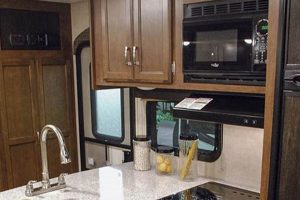
A basic food preparation area, often referred to as a kitchenette, generally includes a small sink, a cooktop (typically propane-powered), and a compact refrigerator. These components enable basic meal preparation and food storage while on the move. Some units may include a microwave oven, further enhancing their culinary capabilities. The size and layout of the kitchenette are critical considerations for individuals who plan to cook frequently while traveling.
- Sanitation Facilities
Sanitation facilities typically comprise a toilet and a shower. In the smallest units, these may be combined into a single wet bath compartment to conserve space. The toilet usually consists of a self-contained unit with a holding tank for waste, while the shower may feature a hand-held showerhead and a drain in the floor. The availability of these facilities contributes significantly to the self-sufficiency and convenience of the unit.
- Climate Control Systems
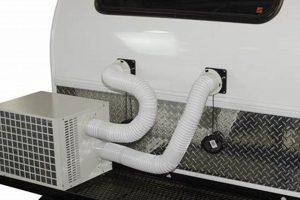
Climate control systems, such as an air conditioner and a heater, are essential for maintaining comfortable living conditions in varying weather conditions. These systems may be powered by electricity or propane, depending on the unit’s design. The efficiency and effectiveness of these systems are critical considerations for individuals who plan to travel in extreme climates.
These amenities collectively define the baseline functionality and habitability. While the specific features and configurations may vary across different models, these core elements address fundamental needs, enabling comfortable and self-sufficient mobile living. The inclusion and quality of these amenities significantly influence the overall user experience, making them paramount in the selection process.
5. Affordable Price
Affordable price serves as a critical factor driving market accessibility and consumer demand for compact, towable recreational units. The economic advantage stems from lower initial purchase costs compared to larger recreational vehicles and potentially reduced operating expenses. This affordability is often achieved through streamlined designs, minimized features, and the use of cost-effective materials. A direct consequence is broader market penetration, enabling individuals and families with limited budgets to participate in the RV lifestyle. As an illustration, base models may forgo luxury amenities, focusing instead on core functionality to maintain a lower price point.
The impact of affordable price extends beyond initial purchase. Lower price points can translate to reduced insurance premiums, registration fees, and maintenance costs. This holistic economic benefit makes the smaller recreational units particularly attractive to first-time RV buyers and those seeking cost-effective travel options. For example, families planning shorter trips or weekend getaways may find that the economic advantages outweigh the space limitations when selecting this type of vehicle. Furthermore, financing options may be more readily available due to the lower loan amounts required.
In summary, affordable price is not merely a superficial characteristic, but a fundamental attribute shaping market dynamics and consumer preferences. While challenges exist in balancing cost-effectiveness with quality and durability, the demand for affordable recreational units continues to drive innovation in design and manufacturing. Understanding the economic implications of this recreational travel option allows prospective buyers to make informed decisions aligned with their financial constraints and lifestyle aspirations.
6. Ease of Storage
Ease of storage is a significant attribute intrinsically linked to the utility and appeal of compact, towable recreational units. The reduced footprint directly facilitates storage in standard residential driveways, garages, or designated storage facilities, mitigating the challenges associated with larger recreational vehicles. This attribute reduces storage fees and allows for convenient access for maintenance or impromptu trips. For instance, a smaller trailer can often be stored on a standard parking pad, eliminating the need for costly off-site storage solutions. The design characteristics such as compact dimensions and foldable components directly cause this advantage.
The importance of ease of storage also extends to the longevity and condition of the unit. Storing the recreational unit under cover, whether in a garage or under a carport, protects it from the elements, thereby reducing wear and tear, preventing sun damage, and minimizing the risk of water intrusion. This preventative measure translates to lower maintenance costs and a potentially higher resale value. As an example, storing the unit indoors during winter months can prevent damage to plumbing systems from freezing temperatures. Similarly, covering the recreational unit during periods of non-use shields it from UV radiation, preserving the exterior finish and preventing interior fading.
In conclusion, ease of storage is not merely a convenience but a practical advantage that enhances the ownership experience of a smaller towable recreational unit. Addressing storage concerns contributes to long-term cost savings, extends the lifespan of the recreational unit, and allows for more spontaneous travel opportunities. The accessibility and convenience afforded by easy storage significantly enhance the overall utility and value, making it a key consideration for potential buyers seeking a recreational vehicle that integrates seamlessly into their lifestyle. The design and engineering efforts to ensure this “ease of storage” are therefore critical to the market success and customer satisfaction.
Frequently Asked Questions
The following questions address common inquiries and misconceptions regarding smaller, towable recreational accommodations, providing factual and objective answers.
Question 1: What is the typical weight range for smaller, towable recreational vehicles?
Typical weights vary depending on size, construction materials, and features. Weights can range from approximately 1,500 pounds to 5,000 pounds, unloaded, making them suitable for towing by a variety of passenger vehicles.
Question 2: What are the primary advantages of selecting a compact recreational accommodation over a larger model?
Primary advantages include lower purchase price, improved fuel efficiency during towing, enhanced maneuverability, simplified storage, and reduced maintenance costs compared to larger recreational vehicles.
Question 3: What are the typical amenities found in a smaller, towable recreational accommodation?
Typical amenities include a sleeping area (bed or convertible dinette), a basic kitchenette (sink, cooktop, refrigerator), and sanitation facilities (toilet and shower, often combined in a wet bath). Climate control systems (air conditioner and heater) are also commonly included.
Question 4: What type of vehicle is required to safely tow a compact recreational accommodation?
The appropriate vehicle depends on the recreational vehicle’s GVWR (Gross Vehicle Weight Rating). Consult the vehicle’s owner’s manual to ensure the towing capacity meets or exceeds the recreational vehicle’s GVWR. Consider factors such as braking capacity and hitch type.
Question 5: What should be considered when evaluating the floor plan of a smaller recreational accommodation?
Evaluate sleeping capacity, storage space, cooking area functionality, and bathroom accessibility. Consider how the layout accommodates the needs of the intended number of occupants and the type of travel planned.
Question 6: What are the common construction materials utilized in smaller towable recreational vehicle?
Common construction materials include aluminum framing, fiberglass or aluminum siding, and composite interior panels. These materials offer a balance of strength, weight, and weather resistance.
These responses offer a condensed overview of commonly asked questions. Prospective buyers should conduct thorough research and inspection prior to making a purchase.
The subsequent section will explore specific models, highlighting their features, specifications, and potential suitability for different user needs.
Sonic Travel Trailer
This exploration has detailed various facets of the sonic travel trailer, ranging from its essential design principles emphasizing lightweight construction and fuel efficiency to its affordability and ease of storage. Crucial considerations for prospective buyers were highlighted, including the evaluation of towing capacity, floor plan suitability, construction materials, and the functionality of essential amenities. The advantages of the sonic travel trailerreduced operational costs, increased maneuverability, and broader vehicle compatibilityunderscore its appeal to a wide range of travelers.
The future trajectory of the sonic travel trailer market hinges on continued innovation in materials science and design optimization. Further advancements in lightweight construction and aerodynamic efficiency will enhance fuel economy and overall performance. A commitment to these improvements ensures that the sonic travel trailer remains a viable and practical choice for those seeking efficient and accessible mobile living solutions, providing long-term value and enabling unique travel experiences.