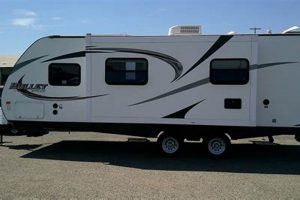
The process of preparing a recreational vehicle for cold weather conditions involves safeguarding its systems and components from potential damage caused by freezing temperatures. This typically includes draining water lines, adding antifreeze to plumbing, protecting exterior elements, and addressing battery storage.
Proper preparation is crucial to prevent costly repairs associated with burst pipes, cracked seals, and compromised appliances during periods of freezing weather. Adhering to a preventative maintenance schedule safeguards the investment and ensures the vehicle remains operational for future use. Furthermore, this protects against degradation that could impact resale value.
The following sections will detail specific procedures for preparing a recreational vehicle for cold weather, covering water system drainage, antifreeze application, exterior protection, and battery management techniques.
Essential Cold Weather Preparation Guidance
The following recommendations address critical aspects of preparing a recreational vehicle to withstand freezing temperatures, mitigating potential damage and ensuring its longevity.
Tip 1: Water System Evacuation: Complete drainage of the freshwater system is paramount. Open all faucets, including low-point drains, and allow the system to completely empty. This minimizes the risk of pipe rupture due to ice expansion.
Tip 2: Antifreeze Application: Introduce RV-specific antifreeze into the plumbing system. Bypass the water heater and pump the antifreeze through all faucets and fixtures until it flows pink. This protects the lines and components from freezing.
Tip 3: Holding Tank Management: Thoroughly drain and rinse all holding tanks (black and gray water). Add a small amount of RV antifreeze to each tank to prevent residual water from freezing and causing damage to valves and seals.
Tip 4: Battery Maintenance: Disconnect and remove the battery. Store it in a cool, dry place, and maintain a charge using a trickle charger throughout the off-season. This prevents sulfation and extends battery life.
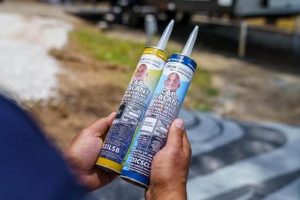
Tip 5: Exterior Sealing: Inspect all exterior seams and seals around windows, doors, and vents. Apply sealant as needed to prevent water intrusion, which can lead to freezing and expansion within the walls.
Tip 6: Tire Protection: Cover tires to shield them from UV radiation, which can cause cracking and premature degradation. Consider raising the vehicle slightly to reduce weight on the tires, or park it on boards.
Tip 7: Appliance Protection: Consult the manufacturer’s instructions for proper preparation of appliances such as refrigerators and water heaters. Many require specific steps to prevent damage during cold weather storage.
Adhering to these guidelines will significantly reduce the likelihood of cold-weather damage, ensuring the recreational vehicle remains in optimal condition for future travels.
The subsequent section will delve into advanced techniques and considerations for long-term cold weather storage.
1. Water drainage

Water drainage is a critical and fundamental component of effectively preparing a recreational vehicle for cold weather conditions. The presence of standing water within the plumbing systemincluding pipes, faucets, toilets, and water heaterpresents a significant risk of freezing. When water freezes, it expands, exerting substantial pressure on the surrounding materials. This pressure can lead to burst pipes, cracked fixtures, and damage to the water heater itself, resulting in costly repairs. For instance, a failure to completely drain the water heater before periods of sub-freezing temperatures often results in irreparable damage to the tank and associated components.
The process of water drainage within a recreational vehicle should encompass several key steps to ensure complete removal. This includes opening all faucets and low-point drains to allow gravity to evacuate the majority of the water. Bypassing the water heater and draining it separately is also essential, as residual water can remain in the tank even after the main system has been drained. Utilizing compressed air to force any remaining water out of the lines can further enhance the effectiveness of the drainage process. Failure to adequately perform these steps can compromise the entire process.
In conclusion, water drainage is not merely a recommended step but a non-negotiable requirement for protecting a recreational vehicle from the damaging effects of freezing temperatures. The practical significance of thorough drainage lies in its ability to prevent potentially extensive and expensive repairs, preserving the vehicle’s functionality and value. The challenge lies in ensuring complete evacuation of all water-holding components, requiring a systematic and meticulous approach. Effective drainage is intrinsically linked to successful cold weather preparation, preventing freeze damage.
2. Antifreeze application

The introduction of antifreeze into the plumbing system of a recreational vehicle constitutes a critical measure during cold weather preparation. Its primary role is to displace any remaining water within the pipes and fixtures, thereby preventing the expansion and subsequent damage that occurs when water freezes.
- Type Selection
The selection of the correct antifreeze type is paramount. Only RV-specific antifreeze, typically propylene glycol-based, should be used. Automotive antifreeze is toxic and can contaminate the freshwater system, rendering it unusable. Using the appropriate antifreeze guarantees the safety of the water system for future use.
- Bypass Implementation
Bypassing the water heater prior to antifreeze application is essential. The large volume of the water heater would require a significant amount of antifreeze to fill, making it an inefficient and costly endeavor. Installing a bypass valve simplifies this process and conserves antifreeze.
- Application Procedure
The proper application involves using the RV’s water pump to circulate antifreeze throughout the plumbing system. Each faucet, shower, and toilet should be run until a steady stream of antifreeze is observed, indicating that all water has been displaced. This systematic approach ensures comprehensive protection.
- Concentration Management
While RV antifreeze is designed to prevent freezing, its effectiveness is dependent on the concentration. In extremely cold climates, a higher concentration may be necessary to provide adequate protection. Understanding the temperature rating of the antifreeze and the expected weather conditions is crucial for maintaining plumbing integrity.
Antifreeze application, when executed correctly with the appropriate materials and techniques, provides a reliable safeguard against freeze damage in recreational vehicle plumbing systems. This proactive measure significantly reduces the risk of costly repairs and ensures the continued functionality of the vehicle’s water system.
3. Battery Disconnect

Battery disconnect is a crucial element in preparing a recreational vehicle for cold weather storage. Leaving a battery connected during prolonged periods of inactivity results in a slow, continuous drain. This drain can lead to complete discharge, potentially causing sulfation and significantly reducing the battery’s lifespan and ability to hold a charge in subsequent seasons. A discharged battery is also susceptible to freezing, which can crack the casing and render the battery unusable. For example, neglecting to disconnect the battery in a travel trailer stored over the winter in a region with sub-freezing temperatures often results in the need for a complete battery replacement in the spring.
The disconnection process involves detaching the negative cable first, followed by the positive cable, to prevent accidental short circuits. Once disconnected, the battery should be removed from the vehicle and stored in a cool, dry location. Ideally, the battery should be placed on a trickle charger or battery maintainer throughout the winter to prevent self-discharge and maintain optimal charge levels. This practice counteracts the natural tendency for batteries to slowly lose charge over time, thus prolonging their service life. Some RV owners choose to leave the battery connected to a battery maintainer within the RV, but this requires ensuring proper ventilation and monitoring to prevent potential safety hazards.
In summary, battery disconnect is not merely a precautionary step, but a necessity for safeguarding the investment in the RV’s battery system during cold weather storage. Failure to disconnect the battery can lead to permanent damage and the expense of replacement. The practice of disconnecting, storing properly, and maintaining a charge throughout the off-season directly contributes to the longevity and reliability of the battery, ensuring it is ready for use when the RV is brought back into service. Neglecting this element can lead to battery degradation.
4. Sealant inspection

Sealant inspection forms an integral part of preparing a recreational vehicle for cold weather conditions. The exterior of a travel trailer contains numerous seams, joints, and penetrations where different materials meet. Over time, exposure to sunlight, temperature fluctuations, and physical stress can cause the sealant around these areas to crack, peel, or otherwise degrade. Compromised sealant allows moisture to infiltrate the RV’s walls, roof, and underbelly. This moisture, upon freezing, expands, exacerbating existing damage and creating new pathways for water intrusion. For example, failure to inspect and reseal a cracked seam around a window can lead to water seeping into the wall cavity, freezing, and causing the window frame to warp and the surrounding wall to delaminate.
The process of sealant inspection involves a meticulous examination of all exterior seams and joints, including those around windows, doors, vents, roof components, and storage compartments. Any areas exhibiting cracks, gaps, or peeling should be addressed promptly. The old sealant must be removed carefully to ensure proper adhesion of the new sealant. Selecting a sealant specifically designed for RV applications is critical, as these products are formulated to withstand the rigors of outdoor exposure and temperature variations. Silicone-based sealants are often used, but it’s essential to choose a product compatible with the materials being sealed. Recaulking with the appropriate sealant after proper inspection is essential for winterizing.
In conclusion, sealant inspection is not simply a cosmetic concern; it is a proactive maintenance measure that directly mitigates the risk of water damage associated with freezing temperatures. By identifying and addressing compromised sealant before the onset of winter, RV owners can prevent costly repairs and prolong the life of their vehicle. Neglecting sealant inspection is shortsighted and can result in significantly greater expenses and inconvenience. Effective sealant maintenance is inherently linked to successful cold weather preparation.
5. Tire Protection

Tire protection, frequently overlooked, represents a critical aspect of preparing a recreational vehicle for cold weather storage. Prolonged periods of inactivity, combined with exposure to environmental elements, can significantly degrade tire integrity, leading to premature failure and compromising future usability.
- UV Radiation Mitigation
Ultraviolet radiation from sunlight causes the rubber compounds in tires to break down, resulting in cracking and sidewall weakening. Covering the tires with protective covers shields them from direct sunlight, significantly slowing this degradation process. For example, tires left uncovered for an extended winter season often exhibit visible cracking, necessitating replacement before the next travel season.
- Weight Distribution Optimization
The constant weight of the RV pressing on a single point of the tire for an extended duration can create flat spots. Placing the tires on boards or raising the RV slightly reduces the stress on the tires, minimizing the risk of deformation. This preventative measure is particularly important for RVs stored on unpaved surfaces, where uneven weight distribution exacerbates the problem.
- Pressure Monitoring and Maintenance
Temperature fluctuations during winter months cause tire pressure to decrease. Underinflated tires are more susceptible to damage and sidewall stress. Regularly checking and maintaining the correct tire pressure, as specified by the manufacturer, ensures optimal load-bearing capacity and reduces the likelihood of tire failure.
- Environmental Barrier Implementation
Direct contact with frozen ground can accelerate tire deterioration. Placing a barrier, such as plywood or rubber mats, between the tires and the ground isolates the tire from direct moisture and temperature extremes. This practice is particularly valuable in regions with prolonged freezing temperatures, mitigating risks associated with ground moisture and ice formation.
These facets collectively contribute to effective tire protection, a crucial element of recreational vehicle preparation for cold weather storage. Implementing these strategies extends tire lifespan, reduces the risk of tire failure, and ensures the RV is ready for safe travel when brought back into service, underscoring the necessity of proactive measures to safeguard tire integrity during the off-season.
6. Appliance safeguarding

Appliance safeguarding constitutes a critical element in effectively preparing a recreational vehicle for cold weather. These systems, often complex and sensitive to temperature fluctuations, require specific attention to prevent damage resulting from freezing temperatures, moisture intrusion, or prolonged disuse.
- Water Heater Drainage and Bypass
Water heaters are highly susceptible to freeze damage. Complete drainage is essential to prevent the expansion of ice from rupturing the tank or damaging internal components. Bypassing the water heater before introducing antifreeze into the plumbing system prevents unnecessary antifreeze consumption and ensures complete protection of the water lines.
- Refrigerator Preparation and Storage
Refrigerators, particularly those with water lines for ice makers, must be thoroughly drained and dried. Leaving water in these lines can lead to freezing and subsequent cracks or leaks. Propping the refrigerator door open during storage prevents mildew growth and maintains air circulation within the appliance.
- Furnace Inspection and Protection
RV furnaces are vital for maintaining comfortable temperatures during use, but require protection during storage. Inspecting the furnace for debris or obstructions ensures proper airflow and efficient operation. Covering the furnace vents prevents insects and rodents from entering and nesting within the unit, which can cause significant damage and pose a fire hazard.
- Stove and Oven Maintenance
Stoves and ovens require minimal preparation but should be cleaned thoroughly to remove food residue that can attract pests. Covering the stove top protects it from dust and debris during storage. Ensuring the gas supply is completely shut off prevents leaks and potential safety hazards.
These targeted appliance safeguarding measures collectively ensure that the vital systems within a recreational vehicle remain functional and protected throughout the cold weather season. Neglecting these steps can lead to costly repairs and diminish the overall usability and value of the RV, highlighting the critical importance of appliance safeguarding when preparing a travel trailer for periods of non-use in cold environments. It is important to consult specific owner’s manuals.
Frequently Asked Questions
The following addresses prevalent inquiries and misconceptions regarding the proper methods for preparing a recreational vehicle to withstand cold weather conditions.
Question 1: Is draining the water system sufficient, or is antifreeze application necessary?
Draining the water system alone is insufficient. While it removes a significant portion of the water, residual moisture remains in low points and crevices. Antifreeze application displaces this remaining water, providing comprehensive protection against freezing and subsequent damage.
Question 2: Can automotive antifreeze be substituted for RV-specific antifreeze?
No. Automotive antifreeze is highly toxic and can contaminate the freshwater system, rendering it unusable and potentially hazardous. RV-specific antifreeze is non-toxic and formulated for potable water systems.
Question 3: What is the risk of neglecting battery disconnect during cold weather storage?
Neglecting battery disconnect results in a slow, continuous drain, leading to complete discharge, sulfation, and potential freezing. These conditions can severely reduce battery lifespan and necessitate costly replacement.
Question 4: How frequently should sealant inspection and maintenance be performed?
Sealant inspection should be performed annually, ideally before the onset of cold weather. Areas exhibiting cracks, gaps, or peeling should be addressed immediately to prevent water intrusion and subsequent freeze damage.
Question 5: Is covering tires during storage merely a cosmetic consideration?
Covering tires during storage is not merely cosmetic. It protects them from ultraviolet radiation, which causes the rubber compounds to break down, leading to cracking and sidewall weakening.
Question 6: What is the significance of following manufacturer recommendations for appliance preparation?
Manufacturer recommendations for appliance preparation are crucial as they address specific vulnerabilities and requirements of each appliance model. Adhering to these guidelines prevents damage to sensitive components and ensures optimal performance upon reactivation.
Proper cold weather preparation requires diligence and adherence to established best practices. Failure to address these critical areas can result in costly repairs and diminished vehicle functionality.
The subsequent section will provide a comprehensive checklist for ensuring thorough preparation before periods of freezing temperatures.
The Imperative of Winterizing RV Travel Trailer
This article has comprehensively explored the essential procedures involved in protecting recreational vehicles from cold weather damage. Key elements highlighted include thorough water system drainage, proper antifreeze application, battery disconnection and maintenance, sealant inspection and repair, tire protection strategies, and appliance safeguarding measures. Adherence to these practices mitigates the risk of costly repairs resulting from freezing temperatures.
Given the significant financial investment represented by a recreational vehicle, proactive cold weather preparation is paramount. Implementing these safeguards ensures the longevity and continued functionality of the vehicle, safeguarding its value and ensuring future usability. Neglecting these critical steps is a gamble with potentially substantial financial consequences.