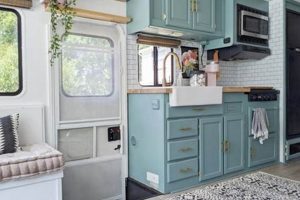
Addressing moisture intrusion and subsequent deterioration within recreational towable units is a critical aspect of RV maintenance. This encompasses identifying affected areas, removing compromised materials, and implementing appropriate reconstruction or sealing techniques to prevent further harm. One example includes replacing rotted wood framing near a leaky window and resealing the exterior to avoid future water penetration.
Proactive intervention provides numerous advantages, including preserving the structural integrity of the unit, preventing the growth of mold and mildew, and maintaining the resale value. The practice has evolved significantly over time, with advances in sealant technology and diagnostic tools allowing for more effective and long-lasting remediation. Neglecting this can lead to extensive and costly structural failures.
The following sections will delve into common causes of moisture intrusion, methods for detecting hidden problems, and a detailed overview of the repair processes involved, including material selection and preventative measures. This will equip owners with the knowledge needed to either address these issues themselves or communicate effectively with qualified professionals.
Essential Considerations for Recreational Towable Unit Water Intrusion Remediation
Effective management of water damage is paramount to prolonging the life and usability of a recreational towable unit. The following tips provide guidance on identifying, addressing, and preventing moisture-related issues.
Tip 1: Conduct Regular Inspections: Routinely examine the roof, windows, vents, and seams for any signs of cracking, peeling sealant, or visible water stains. Early detection minimizes the extent of potential damage.
Tip 2: Address Leaks Immediately: Even minor leaks should be addressed without delay. Water intrusion can quickly spread and cause significant structural problems, necessitating extensive remediation.
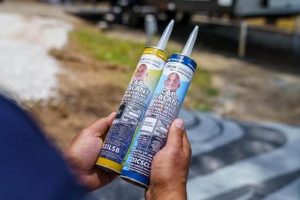
Tip 3: Utilize Appropriate Sealants: Employ sealants specifically designed for RV applications. These products offer enhanced flexibility and adhesion to withstand the rigors of travel and weather exposure. Self-leveling sealant is best for horizontal surfaces and non-sag sealant for vertical surfaces.
Tip 4: Ensure Proper Ventilation: Adequate ventilation minimizes condensation buildup, which can contribute to interior moisture problems. Consider using vent covers and dehumidifiers in humid climates.
Tip 5: Replace Damaged Materials Thoroughly: When undertaking repairs, replace all affected materials, including insulation, plywood, and framing. Failure to do so can result in recurring problems and mold growth.
Tip 6: Document the Repair Process: Maintain detailed records of all repairs, including photographs, receipts, and sealant types used. This documentation can be valuable for insurance claims or future maintenance.
Tip 7: Consider Professional Assistance: If the extent of the damage is significant or the individual lacks experience, seeking assistance from a qualified RV technician is advisable. Professional remediation ensures proper techniques and lasting results.
Implementing these recommendations aids in minimizing the risks associated with moisture-related degradation, thus preserving the integrity and value of the towable unit.
The next section will explore specific repair techniques, material selection, and long-term preventative maintenance strategies.
1. Inspection

Thorough inspection is the foundational element of effective recreational towable unit water damage mitigation. It allows for early detection of vulnerabilities and the assessment of existing deterioration, thus enabling targeted repair strategies.
- Visual Examination of Exterior Surfaces
Careful scrutiny of the roof, sidewalls, windows, doors, and storage compartments reveals common entry points for moisture. Cracked sealant, bulging siding, or staining are readily visible indicators. Regular inspection intervals, particularly before and after periods of heavy rain or storage, can proactively identify problems before they escalate.
- Interior Assessment for Water Stains and Odors
Interior examination should focus on areas beneath windows, around vents, and in corners. Water stains on walls or ceilings, peeling wallpaper, or a musty odor are symptomatic of water intrusion. Investigating behind panels and under flooring may be necessary to uncover hidden damage.
- Moisture Meter Utilization
A moisture meter provides quantitative data on moisture levels in walls, floors, and ceilings. Elevated readings indicate the presence of moisture, even in areas where visual signs are not immediately apparent. This tool assists in delineating the extent of water saturation and identifying areas requiring further investigation or remediation.
- Structural Integrity Evaluation
Inspection also involves assessing the structural soundness of the frame, flooring, and wall supports. Soft or spongy areas indicate rot and compromised structural integrity. A comprehensive inspection includes probing suspect areas with a screwdriver or other tool to determine the extent of the damage.
These facets of inspection, when diligently applied, provide the essential information needed to diagnose recreational towable unit water-related problems and guide appropriate remediation measures. A proactive and detailed inspection strategy is therefore critical in preventing extensive and costly damage, ensuring the longevity of the unit.
2. Leak Identification

The identification of ingress points is a fundamental step in effective recreational towable unit water damage remediation. Precise and timely detection is essential to prevent further structural compromise and mitigate the potential for extensive and costly repairs.
- Pressurized Water Testing
This technique involves applying controlled water pressure to exterior surfaces, such as windows and seams, while observing the interior for signs of water penetration. This method effectively simulates rainfall conditions and can reveal subtle leaks that are not immediately apparent during visual inspection. The accuracy of this test directly impacts the success of targeted sealing applications during recreational towable unit water damage repair.
- Infrared Thermography
Infrared cameras detect temperature differentials caused by moisture accumulation within walls and ceilings. Water has a different thermal signature compared to dry materials, allowing for the identification of areas where moisture is present, even if hidden from view. This non-destructive method enables pinpointing the precise location of leaks, facilitating minimally invasive recreational towable unit water damage repair.
- Visual Inspection of Sealants and Flashings
A detailed examination of sealants around windows, vents, and seams, as well as the condition of flashings, can reveal potential entry points for water. Cracked, deteriorated, or improperly installed sealants and flashings are common sources of leaks. Careful visual assessment is a straightforward yet critical component in preventing further water intrusion during recreational towable unit water damage repair.
- Observation of Water Staining Patterns
The patterns of water stains on interior walls, ceilings, and floors can provide valuable clues regarding the location and source of a leak. Tracking the direction and extent of staining can lead to the identification of breaches in the exterior envelope, guiding repair efforts. Understanding these patterns is an essential skill for effectively addressing water damage in recreational towable units.
The integration of these leak identification methods, combined with a systematic approach, ensures the comprehensive assessment of water intrusion within recreational towable units. Accurate identification of ingress points allows for targeted repair strategies, minimizing the extent of required remediation and preventing recurring damage. Failure to properly identify and address these leaks can lead to structural compromise, mold growth, and a significant reduction in the unit’s overall lifespan, emphasizing the importance of this step in water damage repair.
3. Material Removal
The systematic removal of compromised materials constitutes an indispensable phase within the execution of recreational towable unit water damage remediation. This process directly addresses structural decay, prevents further propagation of damage, and establishes a foundation for effective repair.
- Identification of Affected Areas
Prior to removal, precise delineation of affected regions is crucial. This involves visual inspection, moisture meter readings, and, in some cases, exploratory disassembly to determine the full extent of water saturation and associated decay. For instance, discoloration, swelling, or a spongy texture in wood components indicate compromised integrity. Thorough identification prevents the overlooking of hidden damage, ensuring a complete and lasting remediation process.
- Safe and Methodical Demolition
The physical removal of water-damaged materials requires a methodical approach to minimize disruption to surrounding structures and prevent the release of mold spores. This often entails the careful dismantling of interior paneling, insulation, and framing members. In situations involving extensive mold growth, adherence to established safety protocols, including the use of personal protective equipment (PPE) and containment measures, is essential. The proper disposal of contaminated materials further prevents the spread of mold and other harmful substances.
- Assessment of Substructural Elements
Following the removal of primary surface materials, a thorough assessment of underlying structural elements is necessary. This includes inspecting the condition of framing members, electrical wiring, and plumbing lines for signs of corrosion, rot, or other water-related damage. Replacement or repair of these substructural components is critical to ensuring the long-term integrity of the unit and preventing future water intrusion issues. For example, corroded electrical wiring may require replacement to mitigate the risk of electrical hazards.
- Proper Disposal of Contaminated Waste
Contaminated materials, such as mold-infested insulation or water-damaged wood, must be disposed of in accordance with local regulations. This may involve bagging the waste in sealed containers and transporting it to an approved disposal facility. Improper disposal can pose environmental and health risks. Adhering to established waste management protocols is a critical component of responsible and effective water damage remediation.
Material removal, when executed with precision and adherence to established safety standards, is a critical determinant in the long-term success of recreational towable unit water damage repair. By eliminating compromised materials and addressing underlying structural issues, this phase sets the stage for durable and effective repairs, safeguarding the unit’s value and ensuring the safety of its occupants.
4. Structural Repair
Structural repair constitutes a crucial element within the broader scope of recreational towable unit water damage remediation. Water intrusion, if left unaddressed, invariably leads to the degradation of structural components, including framing, flooring, and wall supports. The connection between water damage and structural integrity is one of direct cause and effect. Prolonged exposure to moisture weakens wood, fosters rot, and promotes corrosion in metallic elements. Thus, addressing the underlying structural damage is not merely cosmetic; it is fundamental to restoring the unit’s safety and usability.
The importance of structural repair as a component of recreational towable unit water damage remediation is exemplified by scenarios involving roof leaks. A persistent roof leak can saturate the roof framing, leading to sagging, delamination, and ultimately, roof collapse. Corrective action in such cases necessitates removing the damaged roofing material, replacing compromised framing members, and reinforcing the roof structure to prevent recurrence. Another practical example involves damage to floor joists due to plumbing leaks. Rotted floor joists compromise the stability of the flooring and can create hazardous conditions. Effective remediation requires replacing the weakened joists and ensuring proper support for the subfloor. These examples highlight the inextricable link between water damage and structural integrity and emphasize the necessity of comprehensive repair strategies.
The practical significance of understanding this connection lies in the ability to implement effective and lasting repairs. Addressing only the visible signs of water damage, such as replacing stained paneling, without addressing the underlying structural issues, is a temporary solution. The problem will inevitably recur, leading to further damage and increased repair costs. A comprehensive approach, integrating both water damage remediation and structural repair, ensures the long-term stability and value of the recreational towable unit. Challenges in structural repair often involve accessing concealed damage and accurately assessing the extent of the degradation. Despite these challenges, a thorough and methodical approach to structural repair is essential for ensuring the safety and longevity of the unit, thereby linking directly to the overall goal of effective water damage remediation.
5. Sealing Application

Sealing application represents a critical juncture in recreational towable unit water damage remediation. Following material removal and structural repairs, the proper sealing of joints, seams, and penetrations prevents future water intrusion, safeguarding the unit from recurring damage. The efficacy of the sealing application directly influences the longevity and structural integrity of the unit.
- Selection of Appropriate Sealant Materials
Choosing the correct sealant is paramount. Different sealant types possess varying properties, including adhesion, flexibility, and resistance to UV exposure. Self-leveling sealants are suitable for horizontal surfaces, while non-sag sealants are preferred for vertical applications. For example, using a silicone-based sealant on a roof seam that experiences significant expansion and contraction could result in cracking and subsequent leakage. The appropriate sealant, designed for RV applications, provides a durable, weather-resistant barrier.
- Surface Preparation Prior to Application
Proper surface preparation ensures optimal sealant adhesion. This typically involves cleaning the surfaces to be sealed, removing any existing sealant residue, and ensuring that the surfaces are dry. Contaminants, such as dirt or grease, can compromise the bond between the sealant and the substrate. For instance, applying sealant over a dirty or oily surface around a window frame will likely result in premature sealant failure and water ingress. Thorough surface preparation enhances the effectiveness of the sealing application, contributing to a watertight seal.
- Application Techniques for Sealing Longevity
Correct application techniques maximize the lifespan of the sealant. This includes applying sealant in a consistent and uniform manner, ensuring complete coverage of the joint or seam. Overapplication or underapplication can both compromise the integrity of the seal. For instance, leaving gaps in the sealant bead around a vent or applying an insufficient amount of sealant can create pathways for water intrusion. Adhering to recommended application guidelines and tooling the sealant properly are essential for achieving a durable and watertight seal.
- Inspection and Maintenance of Sealed Areas
Regular inspection and maintenance of sealed areas prolong the effectiveness of the sealing application. This involves visually inspecting the sealant for signs of cracking, peeling, or deterioration. Addressing any issues promptly, such as reapplying sealant to areas showing wear, prevents water from penetrating the seal. Neglecting to maintain sealed areas around windows or doors can lead to progressive water damage and costly repairs. Proactive inspection and maintenance ensure the continued effectiveness of the sealing application.
These facets of sealing application are intrinsically linked to the long-term success of recreational towable unit water damage repair. A comprehensive approach, encompassing appropriate material selection, thorough surface preparation, proper application techniques, and diligent maintenance, ensures a durable and watertight seal, protecting the unit from future water intrusion and preserving its structural integrity.
6. Prevention Measures

Proactive strategies designed to minimize moisture intrusion represent a cornerstone in preserving the integrity of recreational towable units and mitigating the need for extensive water damage remediation. Consistent preventative actions significantly reduce the likelihood of water-related deterioration, safeguarding structural components and extending the unit’s lifespan.
- Regular Roof Inspections and Maintenance
Frequent examination of the roof surface, sealant around vents and skylights, and the overall roof membrane integrity is essential. Any observed cracks, gaps, or deteriorated sealant should be addressed promptly with appropriate RV-specific sealant. For example, neglecting a small crack in the roof sealant can allow water to penetrate the underlying structure, leading to significant rot and necessitating costly roof repairs. Routine inspections, ideally conducted bi-annually or after periods of heavy weather, are critical for proactive maintenance.
- Proper Sealing and Re-Sealing of Exterior Openings
Windows, doors, storage compartments, and any other exterior penetrations are vulnerable points for water ingress. Regularly inspecting the sealant around these openings and re-sealing as needed is crucial. Using appropriate RV-grade sealants designed for flexibility and weather resistance is essential. A common scenario involves water leaking through improperly sealed windows, causing damage to interior walls and flooring. Proactive re-sealing every few years can prevent this type of damage from occurring.
- Appropriate Storage Practices
When the recreational towable unit is not in use, proper storage practices can significantly reduce the risk of water damage. Covering the unit with a breathable RV cover protects it from the elements, preventing water from pooling on the roof and seeping into seams and openings. Additionally, storing the unit in a covered area, such as a garage or carport, provides even greater protection. Neglecting to cover the unit during prolonged storage can expose it to rain, snow, and UV radiation, accelerating the deterioration of sealants and increasing the risk of leaks.
- Humidity Control and Ventilation
Managing interior humidity levels is important, particularly in climates with high humidity. Using a dehumidifier during storage or periods of inactivity can prevent condensation buildup, which can lead to mold growth and water damage. Ensuring adequate ventilation, by opening vents and windows periodically, also helps to reduce humidity levels. Insufficient ventilation allows moisture to accumulate, creating an environment conducive to mold and mildew growth, potentially causing damage to interior surfaces and compromising air quality. Proactive humidity control mitigates these risks.
Implementing these proactive measures represents a sound strategy for minimizing the potential for water damage and reducing the necessity for extensive and expensive recreational towable unit water damage repair. Consistent maintenance and preventative actions significantly prolong the lifespan of the unit, preserve its structural integrity, and ensure a safe and enjoyable recreational experience.
Frequently Asked Questions
The following questions address common concerns and misconceptions regarding moisture intrusion and subsequent repairs in recreational towable units. The information provided aims to clarify key aspects of identification, remediation, and prevention.
Question 1: What are the most common indicators of water damage in a recreational towable unit?
Common indicators include visible water stains on walls or ceilings, a musty or moldy odor, soft or spongy spots on flooring or walls, peeling wallpaper or bubbling paint, and discoloration around windows, vents, or seams. These signs suggest potential moisture intrusion requiring further investigation.
Question 2: Can recreational towable unit water damage repair be effectively performed by a non-professional?
Minor repairs, such as resealing small cracks or replacing damaged trim, may be feasible for individuals with basic skills. However, extensive damage affecting structural components or involving mold remediation is best addressed by qualified professionals with specialized equipment and expertise.
Question 3: What is the typical cost associated with recreational towable unit water damage repair?
Repair costs vary significantly depending on the extent of the damage, the affected areas, and the labor rates in the region. Minor repairs may range from a few hundred dollars, while extensive structural repairs can cost several thousand dollars. Obtaining multiple estimates from qualified professionals is recommended.
Question 4: How can water damage be effectively prevented in a recreational towable unit?
Prevention strategies include regular roof inspections and maintenance, resealing exterior openings as needed, using a breathable RV cover during storage, and ensuring adequate ventilation to minimize condensation buildup. Proactive measures are critical for mitigating the risk of water intrusion.
Question 5: Does recreational towable unit insurance typically cover water damage repairs?
Coverage varies depending on the specific insurance policy and the cause of the water damage. Policies often cover damage resulting from sudden or accidental events, such as storm damage or plumbing leaks. However, damage resulting from negligence, lack of maintenance, or gradual deterioration may not be covered. Reviewing the policy details is essential.
Question 6: What are the potential long-term consequences of neglecting recreational towable unit water damage?
Neglecting water damage can lead to significant structural deterioration, extensive mold growth, compromised air quality, reduced resale value, and potential health hazards for occupants. Addressing water damage promptly is crucial for preventing these adverse outcomes.
The preceding information underscores the importance of diligent maintenance and timely intervention in addressing water-related issues within recreational towable units. Proactive measures and informed decision-making are key to preserving the unit’s integrity and value.
The next section will delve into resources available for owners facing recreational towable unit water damage repair.
Conclusion
The preceding discussion has underscored the multifaceted nature of recreational towable unit water damage repair. Key considerations encompass accurate identification of moisture intrusion points, the systematic removal of affected materials, thorough structural remediation, the strategic application of sealants, and the implementation of proactive preventative measures. Addressing each of these components with diligence is paramount to ensuring the long-term structural integrity and habitability of the unit.
Given the potential for significant financial investment and the critical importance of maintaining a safe and sound recreational environment, recreational towable unit water damage repair should be approached with careful planning and, when necessary, professional consultation. Neglecting these issues can lead to far more extensive and costly problems, jeopardizing the unit’s value and the well-being of its occupants. Prioritize preventative maintenance and address any signs of water intrusion promptly to safeguard the longevity of the recreational towable unit.