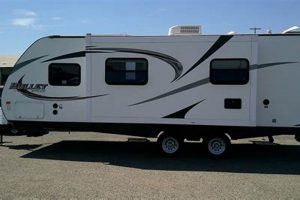
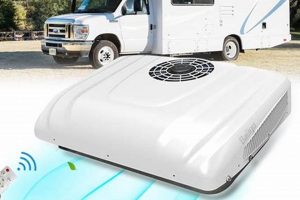
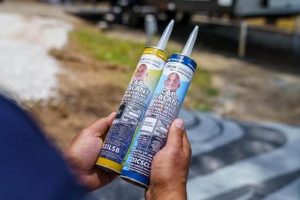
Necessary items for a recreational vehicle designed for towing behind a car or truck, encompassing equipment and supplies vital for safe and comfortable habitation while traveling. Examples include, but are not limited to, leveling blocks, a water hose, electrical adapters, and waste disposal components.
The selection of provisions ensures both the functionality and livability of these mobile dwellings. Access to potable water, electricity, and sanitation are fundamental. Historically, reliance on rudimentary solutions gradually shifted towards advanced, self-contained systems, enhancing user independence and minimizing environmental impact.
The subsequent sections will address specific categories of these necessary provisions, covering areas such as safety equipment, kitchen supplies, maintenance tools, and comfort enhancements. The objective is to provide a structured overview, facilitating informed decision-making for prospective and current recreational vehicle owners.
Travel Trailer Essentials
The following recommendations are crucial for ensuring a secure and enjoyable travel trailer experience. Adherence to these guidelines will contribute to both safety and convenience.
Tip 1: Weight Distribution is Paramount. Proper weight distribution within the travel trailer minimizes sway and enhances towing stability. Place heavier items closer to the axle and avoid excessive weight at the rear.
Tip 2: Tire Maintenance is Critical. Regularly inspect tire pressure and tread depth. Ensure tires are rated appropriately for the trailer’s maximum weight. Consider tire pressure monitoring systems for real-time alerts.
Tip 3: Water System Sanitization is Essential. Periodically sanitize the freshwater system to prevent bacterial growth. Use a bleach solution or commercially available sanitizing product according to manufacturer instructions.
Tip 4: Electrical System Compatibility is Necessary. Verify the compatibility of the trailer’s electrical system with campground power outlets. Utilize appropriate adapters and surge protectors to safeguard against voltage fluctuations.
Tip 5: Waste Management Requires Diligence. Employ proper techniques for black and gray water tank management. Avoid overloading tanks and use appropriate chemicals to control odor and promote breakdown of waste.
Tip 6: Safety Devices are Non-Negotiable. Equip the travel trailer with functional smoke detectors, carbon monoxide detectors, and fire extinguishers. Regularly inspect and maintain these devices.
Tip 7: Leveling is Fundamental. Accurate leveling of the trailer is critical for appliance functionality and overall comfort. Use leveling blocks or automatic leveling systems to achieve a stable and even platform.
Prioritizing these considerations will contribute significantly to a safer, more comfortable, and ultimately more enjoyable travel trailer experience. Neglecting these recommendations can lead to equipment malfunctions, safety hazards, and unnecessary inconveniences.
The subsequent sections will explore additional aspects of travel trailer ownership, including maintenance procedures and long-term storage considerations.
1. Leveling

The process of ensuring a travel trailer rests on a horizontal plane is a fundamental aspect of establishing a functional and comfortable living space. Proper leveling is not merely an aesthetic preference; it is integral to the correct operation of various onboard systems and the overall stability of the structure.
- Appliance Functionality
Many travel trailer appliances, such as refrigerators and some types of stoves, are designed to operate within a specific range of inclination. Deviation from level can compromise their performance, leading to inefficiencies, malfunctions, or even permanent damage. An unlevel refrigerator, for instance, may experience compromised cooling efficiency, potentially spoiling food.
- Structural Integrity and Stability
An unlevel travel trailer places undue stress on the frame and supporting structures. Over time, this can lead to warping, weakening of joints, and potential damage to doors, windows, and other components. Furthermore, an unlevel trailer is inherently less stable, increasing the risk of shifting or tipping, especially in adverse weather conditions.
- Comfort and Habitability
Living in an unlevel space is inherently uncomfortable. Uneven floors can cause disorientation and fatigue, and can make tasks such as cooking, sleeping, and walking more challenging. The experience detracts significantly from the overall enjoyment of the travel trailer lifestyle.
- Drainage Efficiency
Effective drainage relies on gravity. When a travel trailer is not level, sinks and showers may not drain properly. This not only leads to inconvenience but can also create stagnant water, promoting the growth of mold and mildew, and potentially damaging the interior.
The connection between leveling and a successful travel trailer experience is undeniable. Accurate and consistent leveling contributes directly to the longevity of appliances, the structural soundness of the trailer, and the overall comfort and safety of its occupants. Consequently, reliable leveling equipment and a thorough understanding of the leveling process are indispensable parts of owning and operating a travel trailer.
2. Electrical Adapters

Compatibility with varied power sources is a fundamental requirement for maintaining functionality in travel trailers. Electrical adapters form a critical subset of travel trailer provisions, enabling connection to diverse electrical infrastructures encountered at campgrounds and other locations.
- Voltage and Amperage Matching
Campgrounds provide a range of electrical service options, typically 20-amp, 30-amp, or 50-amp. Travel trailers are equipped with electrical systems designed for specific amperage. Adapters facilitate connection between the trailer and the available power source, ensuring compatibility and preventing overloads that could damage equipment. For instance, a 30-amp trailer connected to a 50-amp service requires an adapter to match the connections; conversely, a 50-amp trailer may require an adapter to operate on a limited 30-amp service, albeit with reduced power availability.
- Plug Configuration Standardization
Electrical plugs vary in configuration based on amperage and voltage requirements. Adapters standardize these configurations, allowing users to connect their trailer’s power cord to the outlet provided at the campsite. Without the correct adapter, a physical connection is impossible, rendering the trailer’s electrical system unusable. Common adapter types include 30-amp to 15-amp (household outlet), 50-amp to 30-amp, and various international adapters for use outside North America.
- Safety and Surge Protection
While primarily used for connectivity, some electrical adapters incorporate surge protection. These models safeguard the trailer’s electrical components from voltage spikes and power surges, which can occur due to faulty wiring or electrical storms. A surge-protected adapter acts as a buffer, absorbing excess voltage and preventing it from reaching sensitive electronic equipment within the trailer. This preventative measure extends the lifespan of appliances and reduces the risk of electrical fires.
- Shore Power Management
Electrical adapters enable the use of “shore power,” the external electrical supply that powers the trailer’s appliances and systems. Access to shore power reduces reliance on generators, offering a quieter and often more convenient alternative. Proper management of shore power involves selecting the appropriate adapter, understanding the limitations of the available amperage, and avoiding simultaneous use of multiple high-draw appliances that could overload the system.
The availability and correct application of electrical adapters directly correlate with the usability and comfort of a travel trailer. Without these essential components, access to electrical power is severely restricted, compromising the ability to operate essential appliances and diminishing the overall utility of the mobile living space. The prudent selection and employment of appropriate adapters are therefore crucial for a successful and enjoyable travel trailer experience.
3. Water Sanitation

Potable water is a fundamental requirement for habitation, rendering water sanitation a non-negotiable aspect of travel trailer provisions. The inherent risk of contamination within a closed water system necessitates proactive measures to ensure safety and prevent illness. Without appropriate treatment, water stored in travel trailer tanks can harbor bacteria, algae, and other microorganisms, rendering it unfit for consumption or hygiene. Real-world examples abound: improperly sanitized tanks have led to outbreaks of gastrointestinal illnesses among travel trailer occupants, underscoring the critical importance of this aspect. Sanitation protocols, including regular disinfection and filtration, directly impact the health and well-being of individuals relying on the onboard water supply.
Effective water sanitation protocols involve a multi-faceted approach. First, regular flushing and cleaning of the freshwater tank are essential to remove sediment and residual contaminants. Second, the use of appropriate sanitizing agents, such as chlorine bleach or commercially available RV water tank sanitizers, is necessary to eliminate harmful microorganisms. Dosage and contact time must adhere strictly to manufacturer instructions to ensure efficacy without causing damage to the system. Third, the installation and maintenance of water filters are crucial for removing sediment, chlorine, and other undesirable substances, improving taste and overall water quality. Finally, avoiding known contaminated sources during filling is vital for preventing initial introduction of harmful bacteria.
In summation, water sanitation constitutes a crucial, interconnected element of travel trailer operation. It is a responsibility that requires diligent attention to detail and adherence to established best practices. The challenge lies in maintaining consistent sanitation routines over the long term, especially during periods of infrequent use. Neglecting these protocols compromises the safety and habitability of the travel trailer, while proactive implementation ensures a safe and comfortable travel experience. This emphasis directly links water sanitation to the essential criteria that define a well-equipped and responsibly maintained travel trailer.
4. Waste Disposal

Effective waste disposal is a non-negotiable element within the framework of necessary provisions for a travel trailer. The responsible management of both blackwater (sewage) and greywater (used sink and shower water) is critical for environmental protection, public health, and the continued viability of recreational vehicle travel. Improper waste disposal practices can result in significant environmental damage, health hazards, and the imposition of fines and restrictions on access to campgrounds and other facilities.
- Blackwater Tank Management
Blackwater tanks require specific chemicals to facilitate waste breakdown and odor control. Regular emptying at designated dump stations is essential. Overfilling the tank can lead to leaks and unsanitary conditions. Many jurisdictions mandate the use of biodegradable toilet paper to prevent clogging and promote efficient tank operation. Improperly managed blackwater can contaminate water sources and pose serious health risks.
- Greywater Handling
While often perceived as less hazardous, greywater also requires responsible management. Direct discharge onto the ground is typically prohibited, as it can attract insects, create unpleasant odors, and potentially contaminate soil and groundwater. Many campgrounds require greywater to be collected in a portable tank or directed into a designated sewer connection. Understanding local regulations is critical.
- Hose and Connection Integrity
The hoses and connectors used for waste disposal must be in good condition to prevent leaks and spills. Regular inspection and replacement of worn or damaged components are necessary. Using properly fitting connectors and securing them tightly is essential to avoid accidental discharges during the emptying process. Failure to maintain hose integrity can result in messy and unsanitary situations, as well as potential environmental contamination.
- Dump Station Etiquette and Procedures
Proper etiquette at dump stations is essential for maintaining a positive experience for all users. This includes waiting one’s turn, rinsing the dump station thoroughly after use, and avoiding spills. Understanding the correct procedures for connecting and disconnecting hoses, as well as using the available rinsing facilities, helps prevent messes and ensures the dump station remains clean and sanitary for subsequent users. Adherence to these practices minimizes the potential for unpleasant encounters and contributes to a shared responsibility for maintaining campground amenities.
The effective management of waste streams in a travel trailer is directly correlated with responsible environmental stewardship and the overall quality of the recreational experience. Neglecting these fundamental practices can lead to environmental degradation, health risks, and restrictions on access to facilities. Proactive adherence to established waste disposal protocols safeguards both the environment and the privileges associated with travel trailer ownership, further emphasizing the significance of competent waste management in the realm of recreational vehicle activities.
5. Tire Maintenance

Tire maintenance constitutes a critical, often underestimated, aspect of travel trailer ownership. The operational safety and longevity of a travel trailer are inextricably linked to the condition and upkeep of its tires. Neglecting tire maintenance can lead to catastrophic failures, compromising vehicle control and potentially resulting in accidents. As such, proactive tire maintenance is not merely a recommendation but a fundamental necessity.
- Inflation Pressure Monitoring
Maintaining correct inflation pressure is paramount for optimal tire performance and safety. Underinflation leads to increased rolling resistance, overheating, and premature wear, while overinflation reduces the contact patch and diminishes traction. Regular pressure checks using a calibrated gauge, ideally before each trip, are essential. Tire pressure should be adjusted according to the manufacturer’s specifications, typically found on the tire sidewall or in the travel trailer’s owner’s manual. For instance, operating a tire at 20% below its recommended pressure can reduce its lifespan by up to 30%.
- Tread Depth Inspection
Sufficient tread depth is crucial for maintaining adequate traction, particularly in wet or slippery conditions. Worn tires with shallow tread depth exhibit reduced grip, increasing the risk of hydroplaning and loss of control. Tread depth should be measured periodically using a tread depth gauge. Most jurisdictions specify a minimum legal tread depth, typically 2/32 of an inch (1.6 mm). Tires that reach or fall below this limit must be replaced immediately. Ignoring this guideline can lead to compromised handling and potential legal consequences.
- Visual Examination for Damage
Regular visual inspections are vital for identifying signs of damage, such as cuts, bulges, sidewall cracks, or embedded objects. These indicators suggest potential structural weaknesses that can lead to tire failure. Any tire exhibiting such damage should be removed from service and replaced promptly. For example, a bulge in the sidewall indicates internal damage to the tire’s cords and represents an imminent risk of blowout. Proactive replacement mitigates this risk.
- Wheel Alignment and Balancing
Proper wheel alignment ensures that the tires roll straight and evenly, minimizing uneven wear and optimizing fuel efficiency. Misalignment can result from impacts, worn suspension components, or other factors. Wheel balancing distributes weight evenly around the tire and wheel assembly, reducing vibrations and preventing premature wear of tires and suspension components. Periodic alignment and balancing, typically performed during routine maintenance, contribute significantly to tire longevity and overall vehicle handling. Neglecting these procedures can lead to accelerated tire wear and increased fuel consumption.
The various facets of tire maintenance, from pressure monitoring to visual inspections and alignment, collectively underscore the critical role tires play in ensuring the safe and reliable operation of a travel trailer. Neglecting these aspects increases the risk of tire failure, compromising vehicle control and potentially leading to hazardous situations. Therefore, tire maintenance represents a non-discretionary component within the broader context of necessary travel trailer upkeep.
6. Safety Equipment

Safety equipment constitutes a core component of necessary provisions for a travel trailer, functioning as a primary line of defense against potential hazards inherent in mobile living. The connection is one of direct cause and effect: the absence of adequate safety equipment directly elevates the risk of injury, property damage, or even loss of life. The inclusion of smoke detectors, carbon monoxide detectors, fire extinguishers, and first-aid kits addresses specific threats, mitigating potential harm to occupants and protecting the investment in the travel trailer itself. Real-life examples include instances where functioning smoke detectors alerted sleeping occupants to an electrical fire, allowing for a safe evacuation, or where a readily available fire extinguisher contained a small kitchen fire before it escalated into a major conflagration. These situations underscore the practical significance of integrating these elements into the list of travel trailer necessities. The role of safety equipment extends beyond mere regulatory compliance; it embodies a proactive approach to risk management.
Furthermore, the effectiveness of safety equipment is contingent upon proper installation, maintenance, and user education. A smoke detector with a dead battery is effectively useless, as is a fire extinguisher that has not been inspected and recharged. Occupants must be familiar with the location and operation of all safety devices, and regular drills can enhance preparedness in emergency situations. The selection of appropriate safety equipment also requires careful consideration. For example, a travel trailer operating in cold climates should be equipped with freeze protection measures for water lines and tanks to prevent burst pipes, which can cause significant water damage and render the trailer uninhabitable. Additionally, situational awareness plays a critical role, as awareness enhances early hazard identification, allowing occupants to act appropriately to mitigate risk. Therefore, choosing the right equipment depends on the intended use of the travel trailer and the environment in which it will be operated.
In summary, safety equipment is inextricably linked to the notion of necessary travel trailer provisions. Its inclusion directly reduces the potential for adverse outcomes, safeguarding occupants and property. However, the mere presence of safety equipment is insufficient; proper maintenance, user training, and situational awareness are equally essential. The challenge lies in fostering a culture of safety within the travel trailer community, promoting the responsible selection, deployment, and maintenance of life-saving devices. This commitment strengthens the overall security and enjoyment associated with travel trailer ownership, aligning with the core principles of responsible recreational vehicle use.
7. Weight Distribution
Weight distribution represents a critical, often underestimated, component within the broader scope of travel trailer provisions. The proper allocation of weight within the trailer and the management of hitch weight exert a direct influence on towing stability, vehicle handling, and overall safety. Imbalances can lead to dangerous sway, reduced braking effectiveness, and compromised control, emphasizing the importance of understanding and implementing effective weight distribution practices.
- Hitch Weight Management
Hitch weight, the downward force exerted by the trailer tongue on the tow vehicle’s hitch, directly impacts stability. Exceeding the tow vehicle’s maximum hitch weight rating can overload the rear axle, reducing steering control and braking performance. Conversely, insufficient hitch weight can contribute to trailer sway. A general rule of thumb is to maintain a hitch weight between 10% and 15% of the trailer’s total weight. Accurate measurement using a tongue weight scale is essential for verifying compliance with these limits. Deviation from recommended hitch weight can lead to unpredictable handling and increased accident risk. Real-world examples reveal scenarios where improperly loaded trailers experienced severe sway, resulting in loss of control and collisions.
- Axle Load Balancing
The distribution of weight across the trailer’s axles is crucial for preventing uneven tire wear and maintaining stability. Placing excessively heavy items behind the axle can create a pendulum effect, amplifying sway. Conversely, overloading the front of the trailer can overload the hitch and reduce steering control. Ideally, weight should be distributed evenly over the axles, with heavier items positioned closer to the axle centerline. Regularly inspecting tire wear patterns can provide insights into axle load imbalances, allowing for adjustments to weight distribution.
- Weight Distribution Hitches
Weight distribution hitches are designed to redistribute weight from the rear axle of the tow vehicle to the front axle, leveling the vehicle and improving handling. These hitches utilize spring bars to apply tension, effectively transferring weight forward. Weight distribution hitches are particularly beneficial when towing heavier trailers or when the tow vehicle has a relatively short wheelbase. Proper adjustment of the hitch is essential for optimal performance. An improperly adjusted weight distribution hitch can exacerbate handling problems. Examples include situations where inadequate spring bar tension failed to prevent rear-end sag, resulting in diminished steering response.
- Cargo Placement Strategies
Strategic cargo placement within the travel trailer plays a significant role in overall weight distribution. Heavy items, such as water tanks and batteries, should be positioned low and close to the axle centerline to minimize their impact on stability. Lighter items can be placed higher and towards the front or rear of the trailer. Avoid storing heavy items in overhead compartments, as this raises the center of gravity and increases the risk of sway. Securing cargo properly is also essential to prevent shifting during transit, which can alter weight distribution dynamically. Ignoring cargo placement guidelines can result in unpredictable trailer behavior and reduced safety margins.
The preceding facets illustrate the interconnectedness of weight distribution principles within the framework of travel trailer provisions. Effective management of hitch weight, axle load balancing, and cargo placement, coupled with the potential utilization of weight distribution hitches, directly influence towing stability and overall safety. Neglecting these considerations compromises vehicle handling and increases the risk of accidents, thereby emphasizing the critical role of weight distribution as a fundamental element of responsible travel trailer ownership.
Frequently Asked Questions
The following addresses common inquiries regarding essential equipment and considerations for safe and effective travel trailer operation. The information provided aims to clarify uncertainties and promote responsible practices.
Question 1: What constitutes the absolute minimum required “travel trailer essentials” for a weekend trip?
At a minimum, a functional potable water system, a method for safe waste disposal, operational running lights, and correctly inflated tires are required. Furthermore, a charged battery and correctly connected safety chains are crucial for safe travel.
Question 2: How frequently should “travel trailer essentials” such as tires be inspected and replaced?
Tires should be inspected prior to each trip for proper inflation, tread depth, and sidewall damage. Replacement is necessary when tread depth reaches minimum legal limits or if any signs of damage are evident, irrespective of mileage. A tires age is also a factor, with replacement recommended every 5-7 years even with adequate tread.
Question 3: What are the potential consequences of neglecting “travel trailer essentials” related to electrical systems?
Neglecting electrical system essentials can lead to equipment damage, electrical fires, and potential electrocution hazards. Utilizing incorrect adapters, overloading circuits, or failing to inspect wiring can all contribute to these risks.
Question 4: Are there specific “travel trailer essentials” that vary based on climate or seasonal conditions?
Yes. Cold weather necessitates freeze protection for water systems, while hot weather requires attention to tire pressure and cooling system functionality. Seasonal equipment storage also demands appropriate steps to prevent damage from moisture or pests.
Question 5: What are the common misconceptions regarding “travel trailer essentials” and their relative importance?
A common misconception is prioritizing comfort items over safety equipment. While convenience is desirable, functioning smoke detectors, carbon monoxide detectors, and a well-stocked first-aid kit are fundamentally more critical.
Question 6: How does the selection of “travel trailer essentials” differ based on the size and type of travel trailer?
Larger trailers necessitate proportionally larger capacity waste holding tanks, more robust leveling systems, and potentially heavier-duty tires. Smaller trailers may require more compact or multi-functional items to conserve space.
Prioritizing safety, functionality, and environmental responsibility is crucial when considering the purchase and maintenance of travel trailer necessities. Understanding these principles will lead to a safer and more enjoyable experience.
The following section will address best practices for pre-trip inspections and planning.
Travel Trailer Essentials
The preceding exposition detailed the multifaceted array of provisions critical to the safe and effective operation of a recreational vehicle. These are not optional additions; they are fundamental requirements. From waste management to tire maintenance, each element contributes directly to minimizing risk and maximizing the utility of a travel trailer.
Diligent adherence to the principles outlined is paramount for responsible travel trailer ownership. The knowledge presented here serves as a foundation upon which informed decisions can be made. Prioritizing safety and preparedness will not only protect lives and property but also ensure the long-term sustainability of the travel trailer lifestyle. The responsibility for safety ultimately rests with each individual owner, and vigilance is paramount.