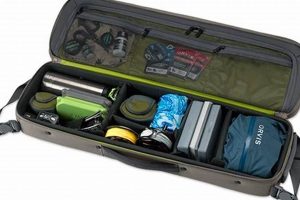
These are luggage items fabricated using tanned animal hide, frequently bovine, offering a blend of durability and aesthetic appeal. Examples range from small carry-ons to large suitcases designed for extended journeys. The material choice imparts a characteristic texture and can vary in grade, finish, and color.
Their desirability stems from resilience to wear and tear, often surpassing synthetic alternatives. This inherent strength provides protection for belongings during transit. Furthermore, the material develops a unique patina over time, adding to its visual character and perceived value. Historically, such crafted goods have symbolized status and refinement, a perception that persists to the present day.
The subsequent sections will delve into the various types available, detailing construction methods, care recommendations, and factors to consider when selecting a suitable piece for specific travel needs.
Selection and Maintenance Guidelines
The following guidelines offer insights into choosing and preserving luggage made from this material, ensuring longevity and optimal performance.
Tip 1: Evaluate Leather Grade: Different grades impact durability and appearance. Full-grain represents the highest quality, exhibiting natural imperfections. Top-grain is more uniform, with a corrected surface. Consider usage and budget when selecting.
Tip 2: Inspect Stitching and Hardware: Robust stitching and durable hardware (zippers, buckles, handles) are crucial for withstanding travel stresses. Examine these components carefully for quality craftsmanship.
Tip 3: Consider Bag Construction: Reinforced corners and edges enhance protection against abrasion and impact. A well-structured frame provides stability and prevents sagging.
Tip 4: Implement Regular Cleaning: Dust and dirt accumulation can damage the material over time. Use a soft, damp cloth to wipe down the exterior regularly. Avoid harsh chemicals or abrasive cleaners.
Tip 5: Apply Leather Conditioner: Conditioning replenishes natural oils, preventing drying and cracking. Select a conditioner specifically formulated for the type of leather used in the bag’s construction and follow manufacturer instructions.
Tip 6: Store Properly: When not in use, store the item in a dust bag in a cool, dry environment away from direct sunlight. Stuffing it with acid-free paper helps maintain its shape.
Tip 7: Address Stains Promptly: Treat stains as quickly as possible. Consult a professional for stubborn marks. Avoid using water alone, as it may worsen certain types of stains.
Adhering to these guidelines will significantly extend the lifespan and maintain the aesthetic appeal of these travel companions.
The next section will provide information on common problems and troubleshooting advice.
1. Durability

Durability is a primary consideration when selecting luggage, particularly when crafted from animal hide. The material’s inherent strength and resistance to wear significantly influence the bag’s ability to withstand the rigors of travel, protecting contents and ensuring longevity.
- Tear Resistance
The tightly interwoven fibers of tanned animal hide provide substantial resistance to tearing and puncture. This characteristic is crucial in preventing damage from rough handling during transit, safeguarding personal items from exposure and loss. For example, full-grain bovine hide exhibits superior tear resistance compared to synthetic alternatives, making it suitable for demanding travel environments.
- Abrasion Resistance
The surface of high-quality luggage displays considerable resistance to abrasion, minimizing scuffs and scratches from contact with rough surfaces. This prevents degradation of the material’s aesthetic appeal and maintains its structural integrity. A bag frequently subjected to airport conveyor belts benefits from this property, retaining its appearance over numerous journeys.
- Resistance to Environmental Factors
Tanned animal hide can be treated to enhance resistance to environmental factors, such as water damage and temperature fluctuations. This protection is essential for preserving the contents of the bag in diverse climates and conditions. Waxed or oiled finishes improve water resistance, protecting belongings from moisture during inclement weather or accidental spills.
- Stitching and Hardware Integrity
Durable construction techniques, including reinforced stitching and robust hardware, are integral to overall longevity. These elements must withstand constant stress and strain without failure. Heavy-duty zippers, solid rivets, and tightly sewn seams contribute significantly to a bag’s ability to endure the demands of frequent travel.
The facets of tear, abrasion, and environmental resistance, coupled with the integrity of stitching and hardware, collectively define the durability of luggage, which is essential for protection and longevity. Choosing luggage constructed with these considerations ensures a reliable travel companion. Bags crafted from superior raw materials and assembled with sturdy construction techniques contribute to a long lifespan.
2. Craftsmanship

Craftsmanship, in the context of luggage made from animal hide, encompasses the skill and dedication applied in transforming raw materials into functional and aesthetically pleasing articles. It transcends mere production, reflecting a commitment to quality and durability.
- Material Selection and Preparation
The initial step involves selecting appropriate hides, considering factors like thickness, grain, and absence of imperfections. Skilled artisans meticulously inspect each piece, choosing portions that meet exacting standards. Preparation includes tanning processes that influence the leather’s suppleness, durability, and resistance to environmental factors. For instance, vegetable-tanned leather, known for its robustness and aging characteristics, demands a longer, more labor-intensive process compared to chrome tanning.
- Cutting and Pattern Making
Precise cutting of leather components is essential for achieving a well-constructed bag. Pattern making requires careful consideration of the bag’s design, ensuring that each piece fits together seamlessly. Experienced craftsmen use traditional tools, such as knives and punches, alongside modern equipment to achieve accurate cuts and consistent shapes. An example includes the creation of gussets and reinforcements that enhance a bag’s structural integrity, requiring meticulous pattern design and cutting techniques.
- Stitching and Assembly
Stitching is a critical aspect of craftsmanship, securing individual pieces together to form the final product. Skilled artisans employ various stitching techniques, including hand-stitching and machine-stitching, each offering distinct advantages. Hand-stitching, known for its strength and aesthetic appeal, involves carefully threading each stitch through pre-punched holes, creating a durable and visually pleasing seam. Properly executed stitching ensures the bag can withstand the stresses of travel without tearing or separating. For example, saddle stitching, a type of hand-stitching, is often used in high-end leather goods for its exceptional strength and longevity.
- Finishing and Detailing
The final stages of craftsmanship involve finishing and detailing, which enhance both the appearance and functionality of the bag. This includes smoothing edges, applying protective coatings, and attaching hardware such as zippers, buckles, and handles. Skilled artisans pay close attention to detail, ensuring that each element is securely attached and functions smoothly. For example, the application of edge paint or burnishing enhances the bag’s aesthetics and protects the raw edges of the leather from wear and tear. Furthermore, careful attention is given to the placement and alignment of hardware, ensuring that it complements the bag’s design and contributes to its overall functionality.
In conclusion, craftsmanship is a multifaceted process that encompasses material selection, cutting, stitching, and finishing. Skilled artisans, through their expertise and attention to detail, transform raw hides into durable and aesthetically pleasing luggage, embodying a commitment to quality and longevity. A bag exhibiting exceptional craftsmanship becomes a reliable travel companion, reflecting the care and dedication invested in its creation.
3. Aesthetics

The aesthetic appeal of luggage crafted from tanned animal hide contributes significantly to its perceived value and desirability. This goes beyond mere visual appeal; it encompasses the tactile qualities, the aroma, and the overall impression of luxury and sophistication. The material’s inherent characteristicsthe grain pattern, the subtle variations in color, and the way it ages over timeall contribute to a unique and evolving aesthetic that distinguishes it from synthetic alternatives. For example, a well-worn leather suitcase, bearing the marks of numerous journeys, can evoke a sense of history and adventure, adding to its perceived value. The smooth texture and earthy scent are tangible reminders of its natural origins, providing a sensory experience absent in mass-produced alternatives.
The selection of specific leathers and the methods used in their treatment directly influence the final aesthetic. Vegetable-tanned hides, for instance, develop a rich patina over time, enhancing their visual character. The application of dyes, oils, and waxes can further modify the appearance, allowing manufacturers to achieve a wide range of styles, from classic and understated to bold and contemporary. The design of the bag itself, including its shape, hardware, and stitching, also plays a crucial role in its overall aesthetic. A minimalist design, characterized by clean lines and subtle detailing, can convey a sense of understated elegance, while a more ornate design, featuring intricate stitching and decorative hardware, may appeal to those seeking a more distinctive and eye-catching look. The practical application of understanding these aesthetic elements lies in selecting luggage that aligns with personal style preferences and reflects the desired image.
Ultimately, the aesthetics of luggage represent a blend of natural material characteristics and deliberate design choices. While subjective, these elements contribute significantly to the user’s overall satisfaction and perceived value. One challenge remains balancing the pursuit of aesthetic appeal with the need for durability and functionality, as purely aesthetic considerations may sometimes compromise practical performance. In conclusion, the aesthetic of leather travel bags is an integral component, impacting its value and its role within the overall travel experience.
4. Protection
Luggage fabricated from animal hide offers a degree of protection for belongings that is derived from the material’s inherent properties and the construction techniques employed. The density and tensile strength of tanned leather provide a barrier against physical impacts, reducing the risk of damage to items within. For instance, delicate instruments or fragile artifacts transported within a leather bag are less susceptible to breakage compared to transport within a less robust container. The level of protection is also intrinsically linked to the thickness and quality of the leather used, as well as the inclusion of features such as reinforced corners and padded interiors. Improperly treated or thin leather will offer minimal protection against the rigors of travel. Bags designed to carry sensitive electronic equipment like laptops or tablets will often feature padded compartments.
Beyond physical protection, some types of tanned animal hide offer a degree of resistance to environmental factors that could damage contents. Water-resistant treatments applied to the material can prevent moisture ingress, safeguarding sensitive items from water damage during rain or accidental spills. Furthermore, the inherent insulating properties of the material can help buffer against extreme temperature fluctuations, which is particularly important when transporting temperature-sensitive goods such as certain medications or photographic film. A real-world example can be seen in how musicians transport valuable violins in leather cases. They need physical protection and protection from environmental elements.
The degree of protection afforded by luggage is a critical factor determining its suitability for specific travel needs. Understanding the interplay between material properties, construction methods, and intended use is essential for selecting an item that adequately safeguards belongings during transport. While tanned animal hide provides notable protective benefits, its effectiveness depends on a combination of factors, including material quality, design features, and proper maintenance, creating a reliable and long-lasting method of protecting items. One crucial element that needs to be considered when assessing protection is the bag’s construction to ensure it is robust to protect against the damage of the goods from transportation elements.
5. Maintenance

The longevity and aesthetic appeal of luggage constructed from tanned animal hide are inextricably linked to proper maintenance practices. Neglecting routine care leads to accelerated degradation of the material, compromising its structural integrity and diminishing its visual characteristics. This necessitates a proactive approach to cleaning, conditioning, and storage to mitigate the effects of environmental factors and usage-related wear. For example, regular cleaning with a damp cloth removes surface dirt and prevents the accumulation of grime that can abrade the material’s surface over time. Failure to address minor scuffs and stains promptly can result in permanent blemishes, diminishing the overall appearance of the bag.
The application of leather conditioners plays a crucial role in preserving the material’s suppleness and preventing cracking or drying. These conditioners replenish natural oils lost through exposure to sunlight and temperature fluctuations, maintaining the material’s flexibility and preventing premature aging. Frequency of conditioning depends on the climate and usage patterns, but generally, application every few months is advisable. Further, proper storage practices are vital to preventing damage during periods of non-use. Storing the item in a cool, dry environment, away from direct sunlight, and using a dust bag to protect it from scratches and abrasions, can significantly extend its lifespan. An example here is in a humid environment, a leather travel bag can develop mold and mildew. Storing in a cool, dry environment mitigates this risk.
In summary, diligent maintenance practices are essential for preserving the investment in luggage. Neglecting such care leads to irreversible damage and diminished aesthetic appeal, shortening the lifespan of the travel item. Proactive cleaning, conditioning, and proper storage represent a pragmatic approach to maximizing the utility and value. This interplay emphasizes maintenance as an integral component, that contributes significantly to its value. Therefore, considering maintenance is a crucial aspect for the owner.
6. Investment

The acquisition of luggage crafted from tanned animal hide represents a financial commitment that extends beyond the initial purchase price. The long-term value proposition necessitates a consideration of durability, functionality, and aesthetic longevity, framing the purchase as an investment rather than a mere expenditure.
- Initial Outlay vs. Lifespan
Luggage typically incurs a higher initial cost compared to synthetic alternatives. However, the superior durability of properly cared for products translates to a longer usable lifespan. This reduced replacement frequency can offset the initial cost differential, resulting in a lower long-term expenditure. For example, a high-quality piece may last a decade or more with proper care, while a cheaper alternative may require replacement within a few years, ultimately proving more expensive.
- Resale Value and Appreciation
Well-maintained luggage can retain a significant portion of its original value, offering potential for resale if desired. Certain vintage or limited-edition pieces may even appreciate in value over time, transforming the purchase into a tangible asset. This differs markedly from mass-produced alternatives, which typically depreciate rapidly and possess limited resale potential. An example of this is vintage trunks or satchels that become collectors’ items due to their design and the fact that they’re hand crafted.
- Cost of Repair and Maintenance
While durable, tanned animal hide luggage may require occasional repair or maintenance to address wear and tear. The cost of these services can vary depending on the extent of the damage and the skill of the repair professional. However, investing in timely repairs can prevent more extensive damage and prolong the lifespan of the item, safeguarding the initial investment. This might involve re-stitching seams, replacing hardware, or applying leather conditioners. Routine maintenance prevents the need for costlier, extensive repairs.
- Functional Value and Travel Experience
The superior functionality of luggage, encompassing factors like ease of use, organizational features, and protective qualities, contributes to an enhanced travel experience. This intangible benefit can be considered a return on investment, as it reduces stress and enhances overall travel satisfaction. A well-designed bag can streamline packing and unpacking, protect belongings from damage, and facilitate efficient navigation through airports and other travel environments.
In conclusion, the financial commitment associated with acquiring luggage is best viewed as an investment in a durable, functional, and aesthetically pleasing travel companion. By considering the interplay between initial cost, lifespan, resale value, maintenance expenses, and functional value, one can make an informed decision that maximizes the long-term return on this purchase. An element of the return is the experience and peace of mind associated with the product.
Frequently Asked Questions about Travel Bags Leather
The following questions and answers address common inquiries regarding the selection, care, and value associated with luggage constructed from tanned animal hide.
Question 1: What constitutes “full-grain” leather and how does it differ from other grades?
Full-grain designates the highest quality leather, sourced from the uppermost layer of the hide. It retains the natural grain pattern and exhibits greater durability compared to “top-grain” or “genuine leather,” which undergo sanding or splitting processes that compromise their strength and aesthetic integrity.
Question 2: How often should luggage be conditioned to maintain its quality?
The frequency of conditioning depends on usage and environmental conditions. Typically, conditioning every three to six months is recommended to replenish natural oils and prevent drying. More frequent conditioning may be necessary in arid climates or after prolonged exposure to sunlight.
Question 3: What cleaning agents are suitable for removing stains from luggage?
Mild soap and water are generally effective for removing minor surface stains. However, specialized leather cleaners are recommended for more stubborn stains. Avoid harsh chemicals or abrasive cleaners, as these can damage the material’s surface.
Question 4: How should luggage be stored to prevent damage when not in use?
Store in a cool, dry environment away from direct sunlight. Utilizing a dust bag helps protect against scratches and abrasions. Stuffing the bag with acid-free paper maintains its shape and prevents collapsing.
Question 5: What are the key indicators of quality craftsmanship?
Indicators of quality craftsmanship include tight, even stitching, durable hardware (zippers, buckles, handles), reinforced stress points, and meticulous attention to detail in finishing and edge treatment.
Question 6: Does the type of tanning process (vegetable vs. chrome) affect the durability and longevity?
Yes, the tanning process significantly impacts durability. Vegetable-tanned leather, while requiring a longer processing time, typically exhibits greater strength and develops a unique patina over time. Chrome-tanned leather is faster to produce but may be less durable and does not age in the same manner.
In summary, careful consideration of leather grade, regular maintenance, proper storage, and awareness of quality craftsmanship are essential for maximizing the lifespan and value of this travel accessory.
The next section will address potential issues and troubleshooting techniques.
Conclusion
The preceding analysis has explored numerous facets relevant to travel bags leather, encompassing durability, craftsmanship, aesthetics, protection, maintenance, and investment considerations. These elements collectively influence the selection, longevity, and value associated with these travel companions. Understanding the interplay between material properties, construction techniques, and usage patterns is essential for making informed decisions.
The information presented is intended to equip individuals with the knowledge necessary to evaluate the suitability of travel bags leather for specific needs and preferences. Responsible consumption entails a careful assessment of quality, maintenance requirements, and environmental impact, ensuring a balance between practical utility and ethical considerations. Future advancements in tanning processes and sustainable sourcing practices will further shape the trajectory of the industry.
![Ultimate Bridal Gown Travel Garment Bag [Guide] Safe Trip! | Best Travel Tips for Adventurers: Explore the World on a Budget](https://detravellers.com/wp-content/uploads/2026/04/th-102-300x200.jpg "Ultimate Bridal Gown Travel Garment Bag [Guide] Safe Trip! Best Travel Tips for Adventurers: Explore the World on a Budget")

![Best Womens Travel Bag Leather [Guide & Styles] | Best Travel Tips for Adventurers: Explore the World on a Budget](https://detravellers.com/wp-content/uploads/2026/04/th-91-300x200.jpg "Best Womens Travel Bag Leather [Guide & Styles] Best Travel Tips for Adventurers: Explore the World on a Budget")