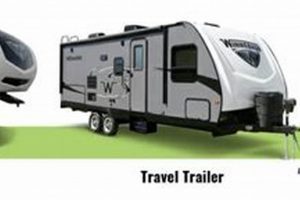
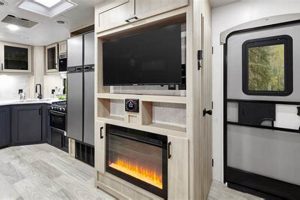
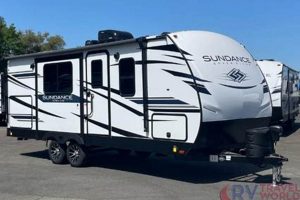
A recreational vehicle design incorporates expandable sections on opposing sides to maximize interior living space. This configuration typically features two slide-out compartments positioned across from one another when the vehicle is stationary, effectively widening the central area. As an example, a unit may have a kitchen area slide-out on one side and a seating area slide-out on the other.
The primary advantage lies in the enhanced spaciousness, improving comfort and usability, particularly for extended stays or larger groups. Historically, this design represents an evolution in recreational vehicle engineering, addressing the need for more livable interiors within the constraints of highway-legal dimensions. This innovation significantly enhances the overall user experience.
The subsequent sections will delve into the specific mechanical aspects, floor plan considerations, weight distribution challenges, and maintenance requirements related to units equipped with these opposing expandable sections. Furthermore, the article will discuss the impact of this design on vehicle cost, resale value, and overall market trends.
Maximizing Utility of Expandable Recreational Vehicles
The following guidelines offer insights into optimizing the functionality and longevity of recreational vehicles equipped with opposing expandable sections.
Tip 1: Site Leveling. Prior to extending the expandable sections, ensure the vehicle is properly leveled. An unlevel base can induce stress on the slide-out mechanisms, potentially leading to misalignment and operational failure. Use leveling blocks or an automatic leveling system according to manufacturer specifications.
Tip 2: Obstruction Clearance. Before activating the slide-out mechanism, meticulously inspect the surrounding area for any obstructions, such as trees, rocks, or utility hookups. Failure to do so may result in damage to the expandable section’s exterior or internal components.
Tip 3: Weight Distribution. Be mindful of weight distribution within the expandable sections. Excessive weight on one side can strain the slide-out mechanism. Distribute cargo evenly across the floor to maintain balance and prevent undue stress.
Tip 4: Regular Lubrication. The slide-out mechanisms require regular lubrication to ensure smooth operation. Use a manufacturer-recommended lubricant and apply it to all moving parts, including rails, gears, and rollers, at intervals specified in the vehicle’s owner’s manual.
Tip 5: Weather Protection. When parking the vehicle for extended periods, consider using slide-out awnings to protect the expandable sections from sun exposure and water damage. These awnings can help prolong the life of the seals and prevent fading of the exterior surfaces.
Tip 6: Periodic Inspection. Conduct regular visual inspections of the expandable sections, paying close attention to the seals, rollers, and slide-out mechanisms. Address any signs of wear or damage promptly to prevent further complications.
Adhering to these guidelines promotes optimal operation and extends the service life of recreational vehicles featuring opposing expandable sections, minimizing potential maintenance costs and maximizing user enjoyment.
The subsequent section will address common issues encountered with these types of recreational vehicles and recommended troubleshooting procedures.
1. Spaciousness

The strategic deployment of opposing expandable sections in recreational vehicles directly addresses the need for increased interior volume. This design approach creates a more open and livable environment within the confined dimensions of a travel trailer. The effect is a transformation from a relatively narrow and restrictive space to one that facilitates comfortable movement and accommodation for multiple occupants. Real-world examples include travel trailers with opposing slide-outs in the living and dining areas, effectively creating a central living space comparable to that found in larger, non-expandable RVs. The practical significance of this increased spaciousness lies in its enhancement of the overall travel experience, making extended trips more comfortable and enjoyable.
The significance of spaciousness is further amplified when considering the functional aspects of recreational vehicle use. A more spacious interior allows for greater ease of movement within the vehicle, facilitating tasks such as cooking, dining, and relaxing. It also allows occupants to store more belongings within the vehicle without compromising comfort, effectively enhancing the self-sufficiency of the travel trailer. For instance, a travel trailer equipped with opposing slides can offer separate living and dining areas, allowing for simultaneous activities without overcrowding, especially beneficial for families traveling with children or for those who work remotely while traveling.
In summary, the relationship between opposing slide-outs and spaciousness is a central design consideration in modern travel trailers. The increased interior volume not only improves the comfort and livability of the vehicle but also enhances its functionality for various travel scenarios. While the incorporation of these features presents engineering challenges related to weight distribution and structural integrity, the resulting improvement in spaciousness is a primary factor driving consumer demand and adoption. This design represents a significant advancement in recreational vehicle engineering, directly addressing the need for comfortable and functional living spaces in a compact, towable package.
2. Weight Distribution

Weight distribution is a paramount consideration in the design and operation of recreational vehicles, particularly those incorporating opposing expandable sections. The presence of these slide-outs significantly influences the vehicle’s center of gravity and overall stability, demanding careful engineering and user awareness to ensure safe towing and operation.
- Axle Load Balance
Expandable sections can induce uneven loading on the axles, potentially exceeding the manufacturer’s specified weight limits. This imbalance can compromise handling characteristics and increase the risk of tire failure. Corrective measures include strategically positioning heavy items within the vehicle to offset the weight of the extended slide-outs, or employing weight distribution hitches to redistribute the load to the tow vehicle.
- Lateral Stability
When opposing slides are extended, the vehicle’s width increases, shifting the center of gravity laterally. This alteration can reduce stability, particularly in windy conditions or during abrupt maneuvers. Operators should exercise increased caution when towing and consider the prevailing weather conditions to mitigate the risk of instability.
- Tongue Weight Management
Improper weight distribution can negatively impact the tongue weight, which is the downward force exerted on the hitch ball of the tow vehicle. Insufficient tongue weight can lead to trailer sway, while excessive tongue weight can overload the rear axle of the tow vehicle. Careful planning of cargo placement is essential to maintain the recommended tongue weight range, typically 10-15% of the trailer’s gross weight.
- Frame Stress
The vehicle frame must be engineered to withstand the stresses induced by the extended slide-outs, particularly when the vehicle is parked on uneven terrain. Insufficient frame strength can lead to structural damage and compromise the integrity of the slide-out mechanisms. Regular inspections of the frame are crucial to detect and address any signs of stress or fatigue.
The preceding considerations highlight the crucial role of weight distribution in the safe and effective operation of recreational vehicles equipped with opposing expandable sections. Neglecting these factors can lead to compromised handling, increased risk of accidents, and potential damage to the vehicle’s structure and components. Adhering to manufacturer guidelines and practicing responsible loading techniques are essential for ensuring a safe and enjoyable travel experience.
3. Mechanical Complexity

The integration of expandable sections into recreational vehicles inherently introduces mechanical complexity, necessitating a sophisticated understanding of interconnected systems to ensure reliable operation. The following points outline key aspects of this increased complexity as it pertains to units with opposing slide-outs.
- Slide-Out Mechanisms
The mechanisms responsible for extending and retracting the expandable sections involve a combination of electric motors, gears, and structural rails. These systems require precise alignment and lubrication to function correctly. Malfunctions can stem from motor failure, gear damage, or binding within the rails, necessitating specialized repair procedures. For instance, a seized gear in the slide-out mechanism of a kitchen expansion could render the entire area unusable until repaired.
- Hydraulic Systems
Some units utilize hydraulic systems to actuate the slide-outs, adding another layer of complexity. These systems consist of hydraulic pumps, cylinders, and fluid lines, requiring periodic maintenance to prevent leaks and ensure consistent performance. A loss of hydraulic pressure due to a ruptured line can disable multiple slide-out sections simultaneously.
- Electrical Integration
The slide-out mechanisms are integrated into the vehicle’s electrical system, relying on wiring harnesses, control panels, and safety switches. Electrical faults, such as short circuits or blown fuses, can disrupt the operation of the slide-outs and other connected appliances. Diagnostic procedures often involve tracing wiring diagrams and testing components with specialized equipment.
- Structural Reinforcement
The vehicle’s frame must be reinforced to accommodate the stress induced by the extended slide-outs. This reinforcement involves welding additional supports and using high-strength materials. Frame damage due to overloading or improper leveling can compromise the structural integrity of the slide-out mechanisms and the overall vehicle.
The multifaceted nature of mechanical complexity in recreational vehicles with opposing slide-outs underscores the importance of regular maintenance, skilled repairs, and adherence to manufacturer guidelines. The interplay of mechanical, hydraulic, and electrical systems requires a comprehensive understanding to ensure reliable operation and prevent costly repairs. These components must be carefully monitored and maintained to prevent damage and ensure the safety and usability of the living space.
4. Seal Integrity
Seal integrity is a critical factor in maintaining the structural integrity and usability of recreational vehicles with opposing expandable sections. The seals serve as a barrier against environmental elements, and their failure can lead to significant damage and decreased comfort.
- Water Intrusion Prevention
The primary function of seals is to prevent water from entering the interior of the recreational vehicle. Water intrusion can lead to mold growth, wood rot, and corrosion of metal components. For example, compromised seals around the edges of the expandable sections can allow rainwater to seep in during storms, causing damage to flooring, walls, and furniture.
- Thermal Insulation Preservation
Seals contribute to the thermal insulation of the recreational vehicle by preventing air leaks. Damaged or deteriorated seals can compromise the effectiveness of the insulation, leading to increased energy consumption for heating and cooling, and reduced comfort for occupants. Illustratively, gaps in the seals can allow cold air to enter during winter months, requiring the heating system to work harder to maintain a comfortable temperature.
- Pest and Debris Exclusion
Intact seals prevent pests, such as insects and rodents, from entering the recreational vehicle. Furthermore, they exclude dirt, dust, and other debris that can accumulate in the interior and cause maintenance issues. A practical example is preventing insects from entering the interior by sealing around the expandable section, where it meets the main body of the trailer.
- Structural Stability Maintenance
Although not a primary structural component, seals contribute to the overall stability of the expandable sections by preventing moisture from penetrating the underlying structure. Moisture damage can weaken the frame and support systems, leading to misalignment and operational difficulties. For instance, rot developing due to water ingress degrades the structural support beneath the floor in the extended section, compromising stability.
The long-term performance of recreational vehicles with opposing expandable sections is directly contingent on the integrity of their seals. Regular inspections and proactive maintenance are essential to prevent seal degradation and minimize the risk of costly repairs. These preventative measures are crucial for maintaining the value and usability of the recreational vehicle.
5. Leveling Requirement

The requirement for precise leveling is significantly amplified in recreational vehicles equipped with opposing expandable sections. Failure to adequately level the vehicle before extending these sections can induce undue stress on the frame, slide-out mechanisms, and sealing surfaces, leading to operational difficulties and potential structural damage.
- Frame Stress Mitigation
An unlevel vehicle frame experiences torsional stress when opposing slide-outs are extended, as each slide-out mechanism attempts to compensate for the uneven base. This stress can lead to frame warping, weld failures, and compromised structural integrity. Leveling the vehicle prior to extension distributes the weight evenly across the frame, minimizing these stresses and prolonging the vehicle’s lifespan.
- Slide-Out Mechanism Strain Reduction
Slide-out mechanisms are designed to operate within specific load parameters. An unlevel condition places excessive strain on one or more of these mechanisms, potentially causing gear damage, motor failure, or rail misalignment. Ensuring a level base allows the mechanisms to operate smoothly and efficiently, reducing the risk of malfunctions. For example, a significantly unlevel surface can cause one slide-out motor to work considerably harder than its counterpart, resulting in premature failure.
- Seal Integrity Preservation
The seals between the slide-out sections and the main body of the recreational vehicle are designed to create a watertight barrier when the vehicle is level. An unlevel condition can distort the alignment of these seals, creating gaps that allow water intrusion, air leaks, and pest entry. Leveling the vehicle ensures that the seals maintain consistent contact, preserving their integrity and preventing environmental damage. This is demonstrated by a unit on an incline, causing the upper slide to be stretched, distorting the seal and letting water in.
- Door and Window Operability
An unlevel vehicle can cause doors and windows to bind or become difficult to operate due to frame distortion. This is particularly noticeable in units with opposing slide-outs, as the weight of the extended sections exacerbates the frame misalignment. Leveling the vehicle ensures that doors and windows operate smoothly, enhancing user convenience and preventing damage to hinges and latches.
In conclusion, the leveling requirement is not merely a matter of convenience but a critical operational prerequisite for recreational vehicles with opposing expandable sections. Adherence to proper leveling procedures mitigates stress on structural components, safeguards slide-out mechanisms, preserves seal integrity, and ensures the operability of doors and windows, ultimately contributing to the longevity and reliability of the vehicle.
6. Cost Implications

The inclusion of opposing expandable sections within a recreational vehicle directly influences its cost structure. The implementation of these features necessitates more complex engineering, more robust structural support, and sophisticated slide-out mechanisms. This translates into a higher initial purchase price compared to models without such expansions. For example, a travel trailer with opposing slide-outs in the living and kitchen areas typically commands a premium of 15-25% over a comparable model with a static floor plan. The practical significance lies in understanding that the enhanced living space comes at a tangible financial cost.
Operational costs are also affected. The more complex systems associated with slide-outs, including electric motors, hydraulic pumps (in some cases), and intricate sealing systems, increase the likelihood of maintenance and repair expenses. Furthermore, the added weight of the slide-outs can impact fuel efficiency during towing, contributing to higher operating costs over the lifespan of the vehicle. Consider a scenario where a slide-out motor fails, requiring professional repair and potentially rendering a portion of the living space unusable until the issue is resolved. Such events introduce unforeseen expenses into the ownership experience.
In summary, the decision to purchase a travel trailer with opposing slide-outs requires a careful evaluation of the associated cost implications. While the increased living space offers undeniable benefits in terms of comfort and functionality, it also necessitates a higher initial investment and the potential for increased maintenance and operational expenses. Understanding these financial factors is crucial for making an informed purchasing decision and budgeting effectively for the long-term ownership of the recreational vehicle.
Frequently Asked Questions
The following section addresses common inquiries concerning recreational vehicles equipped with opposing expandable sections. These answers aim to provide clear, concise information to assist in understanding the key aspects of this design.
Question 1: What are the primary benefits of recreational vehicles featuring opposing expandable sections?
The primary benefit is the substantial increase in interior living space achieved when the sections are extended. This design allows for a more comfortable and functional environment, especially during extended stays or when accommodating multiple occupants. Furthermore, this configuration maximizes usable space within the constraints of highway-legal dimensions.
Question 2: What are the main challenges associated with owning a recreational vehicle with opposing expandable sections?
Challenges primarily revolve around weight distribution, mechanical complexity, and the requirement for precise leveling. Uneven weight distribution can impact towing stability and stress the slide-out mechanisms. The increased mechanical complexity necessitates regular maintenance. Inadequate leveling can cause structural stress and seal damage.
Question 3: How does the presence of opposing expandable sections affect fuel economy?
The added weight and increased frontal area of recreational vehicles with opposing expandable sections can negatively impact fuel economy during towing. The magnitude of this effect depends on several factors, including the size and weight of the unit, the tow vehicle’s capabilities, and driving conditions.
Question 4: What specific maintenance is required for the slide-out mechanisms?
Maintenance typically involves regular lubrication of moving parts, inspection of seals, and monitoring for any signs of wear or misalignment. The manufacturer’s recommendations should be followed meticulously. Prompt attention to minor issues can prevent more significant and costly repairs.
Question 5: What measures should be taken to protect the expandable sections from weather damage?
Protecting the expandable sections involves using slide-out awnings to shield them from sun exposure and rain. Regular inspection and maintenance of the seals are crucial to prevent water intrusion. During storage, covering the vehicle can provide additional protection.
Question 6: How does the resale value of a recreational vehicle with opposing expandable sections compare to that of a model without them?
The presence of opposing expandable sections can positively impact resale value, provided that the unit has been well-maintained and is in good condition. The increased living space is a desirable feature for many buyers, potentially commanding a higher resale price than comparable models without such expansions. However, neglected maintenance can negatively affect the resale value.
In summary, while units with expandable sections offer considerable comfort and space, prospective owners should be aware of associated complexities and increased maintenance. Understanding these considerations is vital for maximizing long-term satisfaction.
The concluding section will summarize the benefits and detriments related to expandable recreational vehicles and give a final word about it.
Conclusion
This exploration of opposing slides travel trailer designs has illuminated both the advantages and the challenges associated with their implementation. The enhanced living space afforded by these expandable sections represents a significant benefit, improving comfort and functionality. However, potential owners must carefully consider the increased mechanical complexity, maintenance requirements, and cost implications. Weight distribution and the necessity for precise leveling are critical operational factors.
Ultimately, the decision to invest in a recreational vehicle featuring this design rests on a thorough assessment of individual needs and priorities. Prospective buyers should prioritize meticulous research, focusing on manufacturer specifications and owner reviews. Responsible ownership, characterized by diligent maintenance and adherence to operational guidelines, is essential for maximizing the long-term value and utility of these increasingly prevalent vehicles.