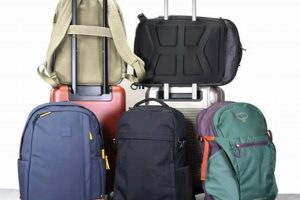
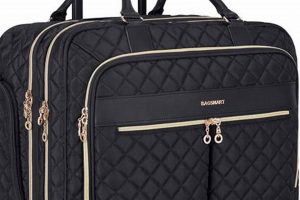
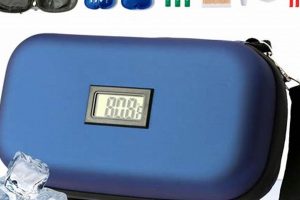
A specialized container designed to maintain a consistent temperature range for pharmaceuticals during transport. These containers typically utilize insulating materials and may include ice packs or other cooling elements to prevent temperature fluctuations that could compromise the efficacy of the enclosed medications. Examples include compact carriers for personal use and larger, more robust solutions for professional medical transport.
Maintaining the integrity of temperature-sensitive medications is critical for patient safety and treatment effectiveness. Exposure to excessive heat or cold can degrade active ingredients, rendering the medication less potent or even harmful. These purpose-built solutions offer assurance that medications remain within their specified temperature parameters, especially crucial during travel, power outages, or in regions with extreme climates. Historically, improvised methods were used; however, dedicated temperature-controlled solutions provide superior reliability and control.
The following sections will detail specific features, proper usage guidelines, available types, and key considerations for selecting an appropriate temperature-controlled solution for medication transport.
Essential Usage Guidance
Optimal performance of a temperature-controlled medication carrier relies on adherence to established best practices. Implementing the following guidelines will maximize medication safety and efficacy during transport.
Tip 1: Temperature Verification is Paramount. Prior to each use, confirm the internal temperature of the carrier using a reliable thermometer. Ensure the temperature aligns with the medication’s specified storage requirements. Deviations necessitate adjustments, such as replacing or adding cooling elements.
Tip 2: Pre-Conditioning Enhances Effectiveness. Before placing medication inside, pre-cool the container to the lower end of the acceptable temperature range. This minimizes initial temperature fluctuations and prolongs the period the medication remains within the desired parameters. For cold storage, use pre-frozen gel packs or ice packs. For warmer storage use pre-warmed gel packs.
Tip 3: Strategic Placement Optimizes Cooling. Position cooling elements (ice packs, gel packs) strategically around the medication, avoiding direct contact. Direct contact can cause localized freezing, damaging temperature-sensitive formulations. Distribute cooling elements evenly to maintain consistent temperature distribution within the container.
Tip 4: Minimize Exposure to Ambient Conditions. During transit, shield the carrier from direct sunlight and extreme environmental temperatures. Place the container in a shaded area of a vehicle or within a climate-controlled environment. Limit the frequency and duration of opening the container to prevent heat intrusion.
Tip 5: Monitor Temperature Throughout Transport. Employ a continuous temperature monitoring device, such as a data logger, to record temperature fluctuations throughout the journey. This provides a verifiable record of temperature control and facilitates identification of potential breaches. Review and document temperature logs upon arrival.
Tip 6: Consider the Duration of Transport. Assess the duration of transport and select a container and cooling system appropriate for the estimated timeframe. For extended journeys, consider containers with extended cooling capabilities or access to refrigerated storage facilities during transit.
Tip 7: Inspect for Damage Regularly. Prior to each use, carefully inspect the container for any signs of damage, such as cracks, tears, or compromised seals. Damaged containers may compromise insulation effectiveness and increase the risk of temperature excursions. Replace damaged containers immediately.
Adherence to these guidelines significantly reduces the risk of medication degradation and ensures that patients receive the intended therapeutic benefit. Rigorous temperature control is a fundamental aspect of responsible medication management.
The subsequent sections will delve into the various types of temperature-controlled containers available and the factors to consider when selecting the most appropriate solution for specific needs.
1. Temperature Maintenance

Temperature maintenance is paramount when transporting medications that are sensitive to environmental conditions. A degradation in medication efficacy or safety can result from even minor temperature excursions. The purpose-built insulated container mitigates such risks by regulating the internal environment during transit.
- Insulation Materials and Their Role
The type and quality of insulation material directly affects temperature control. High-density materials like closed-cell foam or vacuum-insulated panels minimize heat transfer, maintaining a stable internal temperature for longer durations. Inadequate insulation leads to rapid temperature fluctuations, jeopardizing medication integrity. For example, a bag constructed with thin, open-cell foam offers limited protection compared to one with vacuum-sealed technology, particularly in extreme climates.
- Cooling/Heating Elements: Implementation and Impact
The implementation of cooling or heating elements complements the insulating properties of the container. Gel packs, ice packs, or phase-change materials provide temperature buffering, absorbing or releasing heat as needed to maintain the desired range. The strategic placement and appropriate pre-conditioning of these elements are critical. Improperly frozen ice packs, for instance, can cause localized freezing of temperature-sensitive medications, resulting in damage.
- External Environmental Factors and Mitigation
External environmental conditions significantly influence internal temperature within the container, despite its insulation. Direct sunlight, high ambient temperatures, and prolonged exposure to extreme conditions accelerate heat transfer. Mitigation strategies include shielding the container from direct sunlight, using reflective outer layers, and employing active cooling systems for extended transit times in challenging environments. Failing to account for external factors compromises the container’s temperature maintenance capabilities.
- Monitoring and Verification Techniques
Effective temperature maintenance requires continuous monitoring and verification to ensure adherence to specified parameters. The use of temperature data loggers provides a verifiable record of temperature fluctuations during transport. Visual temperature indicators offer immediate feedback. Regularly calibrated thermometers confirm accuracy. Reliance solely on assumptions about insulation effectiveness, without verification, increases the risk of undetected temperature excursions and potential medication degradation.
The facets described demonstrate the interdependence of design, materials, and processes in guaranteeing appropriate temperature maintenance. These combined efforts establish the insulated carrier as a crucial tool for ensuring the safe and effective delivery of temperature-sensitive medications.
2. Insulation Effectiveness
Insulation effectiveness is a foundational property dictating the suitability of a temperature-controlled medication transport solution. The degree to which a container can resist thermal transfer directly impacts the stability of enclosed medications and, consequently, their therapeutic value.
- Material Composition and Thermal Conductivity
The inherent thermal conductivity of the insulating material is a primary determinant of its effectiveness. Materials with low thermal conductivity, such as closed-cell foams, vacuum-insulated panels, or aerogels, impede heat transfer more effectively than materials with higher thermal conductivity. Selecting a container constructed from a material with demonstrably low thermal conductivity is critical for maintaining a stable internal temperature. For example, a polystyrene container will offer less temperature protection than one employing vacuum-insulated panels of comparable size.
- Container Design and Air Gap Management
Container design significantly influences insulation effectiveness by minimizing thermal bridges and managing air gaps. Thermal bridges, such as poorly insulated seams or corners, allow for rapid heat transfer. Optimizing container design to eliminate or minimize these bridges improves overall insulation performance. Additionally, incorporating multiple layers with air gaps between them can further reduce heat transfer. A container with a single-walled construction offers inferior insulation compared to a double-walled design with a vacuum or air gap.
- Seal Integrity and Air Exchange Rate
The integrity of the container’s seal is paramount for maintaining insulation effectiveness. A compromised seal allows for air exchange, negating the benefits of the insulating material. Regular inspection and maintenance of seals are essential. Containers with airtight seals, employing gaskets or other sealing mechanisms, provide superior temperature control. A container with a loose-fitting lid will experience a higher air exchange rate and, consequently, reduced insulation effectiveness compared to one with a secure, airtight closure.
- Impact of Environmental Conditions on Performance
The surrounding environmental conditions exert a significant influence on insulation effectiveness. Extreme temperatures or direct sunlight can overwhelm even the most effective insulation, leading to temperature fluctuations within the container. Considering the expected environmental conditions during transport is critical for selecting an appropriate container and implementing supplementary measures, such as reflective outer layers or external cooling systems. A container that performs adequately in a climate-controlled environment may prove insufficient in a hot or humid setting.
These interrelated elements collectively define the overall insulation effectiveness of a container intended for temperature-sensitive medications. Prioritizing these factors during the selection process enhances medication integrity and safeguards patient well-being.
3. Portability

Portability, regarding temperature-controlled medication transport, is a critical attribute influencing accessibility and adherence to treatment regimens. The design and features influencing ease of carrying and transport are essential considerations for users requiring medications during travel or daily activities.
- Size and Weight Considerations
The dimensions and mass of a solution directly affect its convenience for transport. Overly large or heavy containers may impede mobility, discouraging consistent use. Practical designs prioritize compact dimensions and lightweight materials without compromising insulation effectiveness. For example, a personal medication carrier intended for daily use should be significantly smaller and lighter than a larger unit intended for extended travel or professional use. Unreasonable weight can hinder adherence to medication schedules, particularly for individuals with mobility limitations.
- Carrying Options and Ergonomics
The presence and design of handles, straps, or other carrying mechanisms significantly impact ease of use. Ergonomic designs distribute weight effectively, minimizing strain and fatigue during transport. Multiple carrying options, such as shoulder straps, handles, or backpack configurations, enhance versatility and accommodate different user preferences. The absence of adequate carrying options can render even a lightweight carrier cumbersome and impractical, especially during prolonged use or travel.
- Compatibility with Travel Regulations
Size and construction must adhere to established regulations for air, land, and sea travel. Carriers exceeding permitted dimensions or containing prohibited materials may be confiscated, disrupting medication schedules. Designs optimized for travel incorporate features that comply with security screening protocols and minimize potential delays. For instance, clear or transparent materials may facilitate visual inspection, expediting the security process. Non-compliance with travel regulations can lead to significant inconvenience and potential health risks.
- Durability in Transit
A robust design capable of withstanding the rigors of travel is essential for maintaining the integrity of the container and its contents. Carriers constructed from durable materials and featuring reinforced seams or corners offer enhanced protection against impacts, abrasion, and other potential damage. Vulnerability to damage during transport can compromise insulation effectiveness and jeopardize the stability of enclosed medications. A carrier prone to breakage or leakage is unsuitable for reliable medication transport.
These design features underscore the importance of portability in ensuring the convenient and reliable transport of temperature-sensitive medications. Prioritizing these factors improves adherence to treatment regimens and minimizes the risk of medication degradation during transit, directly impacting patient outcomes.
4. Durability

Durability, in the context of temperature-controlled medication transport, defines the ability of a container to withstand environmental stresses and maintain its structural and functional integrity over an extended period of use. This attribute is critical for ensuring the consistent performance and reliability necessary for safeguarding temperature-sensitive pharmaceuticals.
- Material Resistance to Impact and Abrasion
The selection of materials with inherent resistance to physical damage directly influences the lifespan and reliability of the container. Polymers, composites, or metals employed in construction must withstand potential impacts, abrasions, and punctures encountered during routine handling and transport. A container constructed from brittle or easily damaged materials is inherently unsuitable for demanding transport applications. For instance, a rigid container constructed from high-density polyethylene (HDPE) exhibits superior impact resistance compared to a similar container made from standard polystyrene, reducing the risk of structural compromise and subsequent temperature excursions.
- Seal Integrity Under Stress
The sealing mechanism is a critical component subject to repeated stress during opening and closing cycles. Gaskets, zippers, or other closure systems must maintain their integrity over time, preventing air exchange and preserving temperature control. Degradation of the seal compromises insulation effectiveness and increases the risk of medication exposure to adverse environmental conditions. A container employing a silicone gasket with high elasticity will maintain a tighter seal over numerous cycles compared to one using a less resilient material, minimizing the potential for temperature fluctuations.
- Resistance to Environmental Degradation
Prolonged exposure to sunlight, moisture, or extreme temperatures can degrade the materials used in container construction, leading to diminished performance and structural failure. Ultraviolet radiation, for example, can cause polymers to become brittle and prone to cracking. Materials selected for temperature-controlled medication carriers must exhibit inherent resistance to these environmental factors or incorporate protective coatings to extend their service life. A container constructed from UV-resistant polypropylene will withstand prolonged sun exposure without significant degradation, whereas a non-UV-protected container may exhibit premature failure.
- Structural Stability Under Load
The container must maintain its structural integrity when subjected to the weight of its contents and external forces encountered during transport. Compression, bending, or torsional stresses can compromise the insulation and sealing mechanisms, leading to temperature excursions. A robust design incorporating reinforcing ribs or thicker walls enhances structural stability and prevents deformation under load. A container constructed with thin, flexible walls may buckle or deform under pressure, compromising its ability to maintain a stable internal temperature.
These considerations underscore the integral role of durability in ensuring the long-term reliability and performance of temperature-controlled medication carriers. Selecting a solution constructed from robust materials, featuring a secure sealing mechanism, and demonstrating resistance to environmental degradation is essential for safeguarding temperature-sensitive pharmaceuticals and ensuring patient safety.
5. Regulatory Compliance

Regulatory compliance constitutes a critical aspect in the design, manufacturing, and distribution of temperature-controlled medication transport solutions. Adherence to established standards ensures product safety, efficacy, and reliability, safeguarding the integrity of temperature-sensitive pharmaceuticals and protecting patient well-being.
- FDA Guidelines for Temperature-Sensitive Pharmaceuticals
The Food and Drug Administration (FDA) provides comprehensive guidelines for the storage and transport of temperature-sensitive medications. These guidelines stipulate acceptable temperature ranges, validation requirements, and documentation procedures. Compliance with FDA regulations is mandatory for manufacturers and distributors operating within the United States. Failure to adhere to these standards can result in product recalls, fines, or other regulatory actions. Manufacturers must demonstrate that their temperature-controlled containers maintain medications within specified temperature limits throughout the distribution chain, backed by rigorous testing and validation data.
- International Standards for Transporting Pharmaceuticals
Several international organizations, such as the World Health Organization (WHO) and the International Air Transport Association (IATA), have established standards for the safe transport of pharmaceuticals across borders. These standards address packaging, labeling, and temperature control requirements. Compliance with international standards facilitates global distribution and ensures the consistent quality of medications regardless of their origin or destination. For instance, IATA regulations specify packaging requirements for temperature-sensitive pharmaceuticals transported by air, mandating the use of validated packaging solutions and temperature monitoring devices.
- Validation and Qualification Processes
Validation and qualification processes are essential for demonstrating that temperature-controlled containers consistently perform as intended and meet regulatory requirements. Validation involves documented testing to confirm that the container maintains medications within specified temperature ranges under various environmental conditions. Qualification involves verifying that the equipment and processes used in manufacturing and handling the container meet established standards. Comprehensive validation and qualification data provide assurance that the container is fit for its intended purpose and complies with applicable regulations. Manufacturers must maintain detailed records of validation and qualification activities, including test protocols, results, and corrective actions.
- Documentation and Traceability Requirements
Accurate and comprehensive documentation is crucial for demonstrating compliance with regulatory requirements and ensuring traceability throughout the distribution chain. Manufacturers must maintain records of container design, materials, manufacturing processes, validation data, and distribution history. Traceability enables the identification of potential issues and facilitates product recalls if necessary. For example, a temperature data logger affixed to the container during transport provides a verifiable record of temperature fluctuations, enabling identification of any breaches in temperature control. Comprehensive documentation and traceability systems are essential for ensuring the safety and integrity of temperature-sensitive pharmaceuticals.
Adherence to these regulatory guidelines and standards is paramount for manufacturers and distributors of temperature-controlled medication carriers. Compliance ensures the safe and effective transport of temperature-sensitive pharmaceuticals, protecting patient health and upholding the integrity of the pharmaceutical supply chain.
Frequently Asked Questions
The following section addresses common inquiries regarding the proper use, functionality, and selection of insulated containers designed for transporting temperature-sensitive medications.
Question 1: What constitutes a temperature-sensitive medication necessitating the use of an insulated transport container?
Temperature-sensitive medications are defined as those whose chemical stability, efficacy, or safety are compromised by exposure to temperatures outside a specified range. Examples include certain vaccines, biologics, insulin, and some antibiotics. Refer to the medication’s packaging or consult a pharmacist for specific storage requirements.
Question 2: How long can medications be safely stored within an insulated transport container?
The duration for which medications can be safely stored varies depending on several factors, including the quality of insulation, the type and quantity of cooling elements, ambient temperature, and the medication’s specific storage requirements. Continuous temperature monitoring is recommended, and medications should be transferred to appropriate storage as soon as feasible.
Question 3: Are all insulated containers equally effective in maintaining required temperatures?
No. Insulation effectiveness varies significantly based on the materials used, container design, and seal integrity. Containers employing vacuum-insulated panels or high-density closed-cell foam offer superior temperature control compared to those using less effective materials. Prioritize containers with a proven track record of maintaining temperature stability.
Question 4: What type of cooling element is most appropriate for use within an insulated medication transport container?
The optimal cooling element depends on the desired temperature range and the duration of transport. Gel packs offer a balance of cooling capacity and reusability. Ice packs provide more intense cooling but may introduce the risk of freezing. Phase-change materials offer precise temperature control but may be more expensive. The chosen element should be pre-conditioned to the appropriate temperature before use.
Question 5: How can the internal temperature of an insulated transport container be accurately monitored?
Continuous temperature monitoring is best achieved using a calibrated temperature data logger. These devices record temperature fluctuations over time, providing a verifiable record of temperature control. Visual temperature indicators offer immediate feedback, but lack the comprehensive data logging capabilities of electronic devices. Relying solely on assumptions about insulation effectiveness is insufficient.
Question 6: What steps should be taken if a temperature excursion is detected during medication transport?
If a temperature excursion is detected, the affected medication should be immediately isolated and quarantined. Consult a pharmacist or healthcare professional to determine whether the medication remains safe and effective for use. Do not administer medication that has been exposed to temperatures outside its specified range.
These FAQs highlight the critical factors involved in the successful transport of temperature-sensitive medications. Proper selection, usage, and monitoring of insulated containers are essential for ensuring medication integrity and patient safety.
The subsequent section will address best practices for cleaning and maintaining insulated medication transport containers to ensure their continued effectiveness and prevent contamination.
Concluding Remarks
This exposition has detailed the functionality, usage guidelines, and essential considerations for utilizing an insulated medication travel bag effectively. It has emphasized the importance of temperature maintenance, insulation effectiveness, portability, durability, and regulatory compliance as key elements in preserving the integrity of temperature-sensitive medications during transit. Proper employment of such a device is not merely a matter of convenience, but a critical component of responsible medication management.
Given the direct correlation between medication stability and patient outcomes, healthcare professionals, caregivers, and individuals alike should prioritize the selection and utilization of validated insulated medication travel bags. Continued research and development in this field are essential to further enhance the safety and efficacy of pharmaceutical transport, thereby safeguarding the health of those dependent on temperature-sensitive therapies.