Addressing rodent infestations within recreational vehicles involves implementing preventative measures and, when necessary, employing removal strategies. These methods seek to eliminate existing mouse populations and deter future entry into the enclosed environment of a mobile dwelling.
Maintaining a pest-free recreational vehicle is essential for health, sanitation, and structural integrity. Rodent activity can compromise electrical wiring, insulation, and stored goods. Historically, managing pests in confined spaces has presented unique challenges requiring adaptation and innovation in trapping and deterrent techniques.
Effective rodent control in a travel trailer necessitates a multi-faceted approach. This includes identifying entry points, implementing exclusion tactics, deploying trapping systems, and practicing diligent sanitation to minimize attractants.
Rodent Exclusion and Elimination Strategies
The following recommendations provide actionable steps for managing murine infestations within a travel trailer environment. Implementation of these techniques is crucial for preserving the integrity of the vehicle and safeguarding occupants’ health.
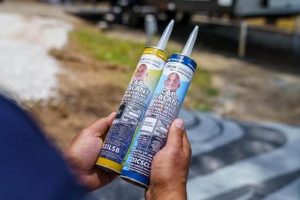
Tip 1: Seal Potential Entry Points: Conduct a thorough inspection of the travel trailer’s exterior and interior. Seal any cracks, crevices, or openings, however small, using caulk, steel wool, or expanding foam. Pay particular attention to areas around pipes, wiring, and vents.
Tip 2: Remove Food Sources: Store all food items, including pet food, in airtight containers. Promptly clean up spills and crumbs. Regularly empty trash receptacles and ensure they are tightly sealed. Eliminate access to standing water.
Tip 3: Deploy Trapping Systems: Utilize snap traps or live traps baited with peanut butter or other attractants. Position traps in areas of known or suspected rodent activity, such as along walls, under sinks, and in storage compartments. Monitor traps regularly and dispose of captured rodents appropriately.
Tip 4: Employ Rodent Repellents: Consider using commercially available rodent repellents, such as those containing peppermint oil or other natural ingredients. Place repellent-soaked cotton balls or sachets in strategic locations throughout the travel trailer.
Tip 5: Maintain a Clean Environment: Regularly clean and sanitize the interior of the travel trailer, paying particular attention to areas where rodents are likely to nest, such as behind appliances and in storage areas. Vacuum regularly to remove droppings and nesting materials.
Tip 6: Consider Professional Assistance: If the infestation is severe or persistent, consider consulting with a professional pest control service. Experienced technicians can identify the source of the infestation and implement targeted treatment strategies.
Adherence to these practices will contribute significantly to mitigating the risks associated with rodent presence within a travel trailer, ultimately preserving a sanitary and structurally sound environment.
By implementing these strategies, one can effectively manage rodent populations and maintain a pest-free travel trailer, ensuring a safe and comfortable travel experience.
1. Identification

The initial and foundational step in effective rodent control within a travel trailer involves accurate and thorough identification. Recognizing the species, entry points, and extent of the infestation dictates the subsequent control strategies.
- Species Determination
Accurately identifying the rodent species present, typically house mice (Mus musculus), informs the selection of appropriate traps and baits. Different species exhibit variations in behavior and dietary preferences, influencing the effectiveness of control measures. For example, voles require distinct strategies compared to mice. Understanding the species is crucial for targeted intervention.
- Entry Point Location
Identifying all potential entry points is paramount to preventing future infestations. Mice can enter through surprisingly small openings (as little as 1/4 inch). Thorough inspection should focus on areas where pipes and wires enter the travel trailer, around windows and doors, and any cracks or crevices in the exterior walls. Sealing these entry points is a critical preventative measure.
- Infestation Extent Assessment
Determining the size and scope of the rodent population helps to gauge the intensity of the required control methods. Evidence such as droppings, gnaw marks, nests, and urine stains provide clues to the number of mice present and the areas they frequent. A larger infestation may necessitate a more aggressive approach involving multiple traps and professional intervention.
- Nest Site Detection
Locating rodent nests provides valuable insights into their activity patterns and preferred habitats within the travel trailer. Nests are often found in secluded, undisturbed areas such as behind appliances, in storage compartments, or within wall cavities. Targeting nest sites directly with traps or repellents can significantly reduce the rodent population.
The information obtained through the identification process directly influences the effectiveness of the subsequent elimination and prevention strategies. Accurate assessment of the rodent species, entry points, infestation size, and nest locations enables a targeted and efficient approach to mitigating the problem within the confined space of a travel trailer.
2. Exclusion

Exclusion, in the context of rodent control within a travel trailer, denotes the practice of physically preventing mice from entering the vehicle. It represents a proactive and long-term solution, addressing the root cause of infestation rather than merely reacting to its symptoms. Effective exclusion requires meticulous attention to detail and a thorough understanding of rodent behavior.
- Sealing Entry Points
The primary component of exclusion involves identifying and sealing all potential entry points. Mice can exploit openings as small as a quarter of an inch. Common entry points include gaps around pipes, wires, vents, windows, and doors. Materials such as caulk, steel wool, metal flashing, and expanding foam are employed to create impenetrable barriers. Addressing these openings prevents initial or recurring infestations.
- Reinforcing Vulnerable Areas
Certain areas of a travel trailer are inherently more susceptible to rodent entry. These include the undercarriage, wheel wells, and storage compartments. Reinforcing these areas with durable materials, such as metal mesh or hardware cloth, can significantly reduce the likelihood of rodent access. Regular inspection and maintenance of these reinforcements are essential.
- Creating a Physical Barrier
In some cases, creating a physical barrier around the entire travel trailer may be feasible. This could involve parking the vehicle on a paved surface or surrounding it with a barrier of gravel or sand. While not always practical, this approach can deter rodents from approaching the vehicle in the first place. Maintaining a clear area around the base of the trailer reduces harborage.
- Monitoring and Maintenance
Exclusion is not a one-time event but an ongoing process. Regular inspections are necessary to identify new or re-opened entry points. Weathering, wear and tear, and rodent activity can compromise the integrity of seals and barriers. Prompt repair and maintenance are crucial for maintaining the effectiveness of exclusion efforts. This includes replacing damaged sealant and reinforcing vulnerable areas.
The success of rodent control within a travel trailer hinges on the implementation of effective exclusion strategies. By meticulously sealing entry points, reinforcing vulnerable areas, and maintaining a vigilant monitoring program, it is possible to create a rodent-resistant environment, minimizing the need for reactive measures and safeguarding the integrity of the vehicle.
3. Sanitation

Sanitation plays a pivotal role in rodent control within a travel trailer. Inadequate sanitation practices create an environment that attracts and sustains murine populations, directly undermining efforts to eliminate them. The presence of food scraps, unsecured food storage, and readily available water sources provide rodents with sustenance and encourage nesting within the confines of the vehicle. Conversely, rigorous sanitation practices deny rodents essential resources, making the travel trailer less attractive and hospitable, thereby facilitating removal and preventing re-infestation.
For example, leaving crumbs or open food containers on counters or floors provides a direct food source for mice. Similarly, pet food that is not stored in airtight containers attracts rodents. Unsecured trash cans also serve as a readily available food source. Neglecting to clean spills or maintain a dry environment provides water sources. In contrast, consistently cleaning food preparation areas, storing food in sealed containers, and promptly removing trash eliminates these attractants. Therefore, maintaining a consistently clean environment is essential for long-term rodent control, even when used alongside trapping and exclusion methods. Removing these attractants forces rodents to seek sustenance elsewhere, reducing their incentive to remain within the travel trailer.
In conclusion, sanitation is not merely a supplementary measure, but a cornerstone of effective rodent control in travel trailers. It addresses the fundamental causes of infestation by removing the resources that rodents require to survive and thrive. Consistent implementation of robust sanitation practices, coupled with appropriate trapping and exclusion strategies, offers the most comprehensive approach to achieving and maintaining a rodent-free environment within a recreational vehicle. Without proper sanitation, other control measures may provide only temporary relief, as rodents will continue to be attracted to the readily available resources within the inadequately maintained space.
4. Trapping
Trapping represents a crucial component in the multifaceted approach to rodent eradication within a travel trailer. As a direct and often immediate means of reducing a murine population, trapping offers a tangible method for addressing an existing infestation. Its effectiveness, however, relies on the correct selection, placement, and maintenance of trapping devices.
- Trap Selection
The choice of trap is paramount to successful rodent capture. Snap traps, glue traps, and live traps each offer distinct advantages and disadvantages. Snap traps provide a swift and lethal solution. Glue traps are non-toxic but can be considered inhumane. Live traps allow for relocation but require a suitable release site far from the travel trailer. The appropriate trap selection depends on individual preferences and ethical considerations. A homeowner might prefer snap traps for their efficiency while an animal lover may use live traps. Incorrect trap selection can lead to trap shyness and continued infestation.
- Baiting Strategies
Effective baiting lures rodents to the trap, increasing the likelihood of capture. Common baits include peanut butter, cheese, grains, and commercially available rodent baits. The choice of bait should be based on rodent dietary preferences and regional variations. For example, rodents in agricultural areas might be more attracted to grains. Careful placement of bait within the trap is essential to trigger the trapping mechanism. Insufficient or improperly placed bait can result in the trap being avoided or triggered without capturing the rodent. Experimentation with different baits is often necessary to determine the most effective attractant.
- Trap Placement
Strategic trap placement maximizes the chances of intercepting rodents. Traps should be positioned in areas of known rodent activity, such as along walls, behind appliances, under sinks, and in storage compartments. Placing traps in high-traffic areas frequented by rodents significantly increases capture rates. Correct placement considers rodent behavior and travel patterns. Placing traps in open areas away from walls is generally ineffective. Following rodent pathways and placing traps accordingly ensures optimal results.
- Monitoring and Maintenance
Regular monitoring and maintenance are critical for sustained trapping success. Traps should be checked daily to remove captured rodents and rebait as needed. Failure to monitor traps can lead to decay and attract other pests. Cleaning traps between captures reduces the risk of disease transmission. Proper maintenance also includes replacing damaged traps and ensuring the trapping mechanism functions correctly. Consistent monitoring and maintenance ensure traps remain effective and continue to contribute to rodent eradication.
In summary, trapping constitutes a valuable tool for eliminating mice from travel trailers. The combination of appropriate trap selection, effective baiting strategies, strategic trap placement, and consistent monitoring and maintenance contributes to successful rodent control. Trapping, when integrated with exclusion and sanitation measures, offers a comprehensive approach to achieving and maintaining a rodent-free environment within the mobile dwelling. Trapping provides a means of population control, reducing the pressure for new entry. Therefore, this is a key step for implementing “how to get rid of mice in travel trailer”.
5. Repellents
Repellents, in the context of murine management within travel trailers, function as a proactive measure to deter rodent ingress or discourage habitation. They serve as a supplemental strategy within a broader integrated pest management plan, aiming to create an inhospitable environment for mice. Their efficacy, however, is contingent upon proper application and suitability to the specific circumstances.
- Scent-Based Repellents
Scent-based repellents leverage odors that are aversive to mice. These may include natural compounds like peppermint oil, eucalyptus oil, or commercially formulated chemical repellents. Application typically involves placing saturated cotton balls or sachets in strategic locations, such as near entry points or in nesting areas. Effectiveness varies depending on the concentration of the repellent, the ventilation of the travel trailer, and the individual sensitivity of the local mouse population. Over time, rodents may habituate to these scents, diminishing their repellent effect. Therefore, scent-based repellents require periodic replenishment or rotation with alternative deterrents.
- Ultrasonic Repellents
Ultrasonic repellents emit high-frequency sound waves purported to deter rodents. These devices are marketed as a non-toxic and convenient alternative to traditional trapping or chemical repellents. However, scientific evidence supporting the efficacy of ultrasonic repellents remains inconclusive. While some studies suggest a temporary displacement effect, others demonstrate no significant impact on rodent behavior or population density. The effectiveness of ultrasonic devices may also be limited by the presence of obstructions within the travel trailer, which can attenuate or block the sound waves. Therefore, reliance solely on ultrasonic repellents is generally discouraged.
- Area Coverage
Proper use of repellents requires attention to the area intended to be covered and the ability of the selected repellent to affect that area effectively. Repellents must be deployed strategically based on the knowledge of how rodents enter a travel trailer and the size of the trailer. A limited number of repellents in a large area may not be effective. A lack of strategic placement also may produce limited effect. The type of repellent used also affects coverage. Scent-based repellents are limited to the immediate areas around them, whereas ultrasonic ones are affected by sound reflection in enclosed spaces. The effectiveness of the product directly correlates with how well the area needing protection is completely covered.
- Limitations and Integrated Approach
It is critical to understand the limitations of relying solely on repellents to achieve rodent control within a travel trailer. Repellents may provide temporary relief or deter new infestations, but they are unlikely to eliminate an existing population. Furthermore, repellents may simply displace rodents to other areas within the travel trailer, rather than driving them away entirely. Therefore, repellents should be incorporated into an integrated pest management plan that also includes exclusion measures, sanitation practices, and trapping strategies. This multi-faceted approach addresses the underlying causes of infestation and provides a more sustainable solution.
Effective employment of repellents within a travel trailer context necessitates a nuanced understanding of their capabilities and limitations. Integrating repellents within a comprehensive pest management strategy, encompassing exclusion, sanitation, and trapping, offers the most robust defense against murine infestations. A one-size-fits-all approach is inadequate; tailored strategies based on specific circumstances are essential. Repellents for use in “how to get rid of mice in travel trailer” should be a supporting strategy, not a primary one.
6. Inspection
Diligent inspection constitutes a foundational element in effectively managing murine infestations within a travel trailer. The process of thorough examination identifies the extent of the problem, locates entry points, and informs the selection of appropriate control measures.
- Identification of Entry Points
Careful inspection reveals the pathways through which rodents gain access to the travel trailer. This includes identifying gaps around pipes, wiring, and vents, as well as cracks and crevices in the exterior walls. Documenting these entry points allows for targeted sealing and exclusion efforts, preventing future incursions. For instance, a small gap around a plumbing fixture may serve as a primary access route, necessitating prompt attention. Inspection is critical to “how to get rid of mice in travel trailer” since addressing entry points is paramount to the success of other methods.
- Assessment of Infestation Severity
Inspection determines the magnitude of the rodent problem, informing the intensity of the control measures required. The presence of droppings, gnaw marks, nests, and urine stains indicates the extent of the infestation. A limited number of droppings in a single area may suggest a small population, while widespread evidence indicates a more substantial problem, necessitating a more aggressive approach. The effectiveness of the inspection allows a homeowner to be more confident when figuring out “how to get rid of mice in travel trailer”.
- Detection of Nesting Sites
Inspection assists in locating nesting areas, providing opportunities for direct intervention. Rodents typically nest in secluded, undisturbed locations such as behind appliances, in storage compartments, or within wall cavities. Identifying these sites enables targeted application of traps or repellents, maximizing their impact. The presence of a nest near a food storage area, for example, highlights the need for improved sanitation practices in that vicinity. The information gathered on nest locations makes choosing the methods of “how to get rid of mice in travel trailer” easier.
- Evaluation of Sanitation Practices
Inspection assesses the effectiveness of current sanitation practices, revealing areas for improvement. The presence of readily available food sources, such as crumbs or unsecured food storage, attracts rodents and sustains infestations. Identifying these shortcomings allows for the implementation of more stringent sanitation measures, reducing the attractiveness of the travel trailer to rodents and thus “how to get rid of mice in travel trailer”. Observation of pet food left out overnight, for example, indicates a need for more diligent food storage habits.
The insights gained through thorough and regular inspections directly contribute to the development and implementation of targeted rodent control strategies within travel trailers. By identifying entry points, assessing infestation severity, detecting nesting sites, and evaluating sanitation practices, inspection provides the necessary information for achieving and maintaining a rodent-free environment. Inspection plays a vital role in “how to get rid of mice in travel trailer” as it informs all the other steps.
7. Prevention

The concept of prevention is intrinsically linked to murine management within recreational vehicles. While reactive measures address existing infestations, a proactive approach to prevention minimizes the likelihood of rodent intrusion, thus obviating the need for extensive remedial actions.
- Sealing Entry Points Proactively
Rather than waiting for evidence of rodent activity, preemptive sealing of potential entry points constitutes a cornerstone of prevention. Thoroughly inspecting and sealing gaps around pipes, wires, and vents before any signs of infestation significantly reduces the probability of murine access. This might involve applying caulk to small cracks observed during routine maintenance, even in the absence of known rodent problems. Implementing this measure beforehand averts the conditions conducive to rodent entry, eliminating a primary route for travel trailer invasion.
- Maintaining Rigorous Sanitation Standards
Proactive sanitation practices deny rodents essential resources, rendering the travel trailer less attractive. Storing all food items in airtight containers, promptly cleaning spills, and regularly emptying trash receptacles removes potential food sources. For example, ensuring that pet food is always stored in a sealed container, even when in use, eliminates a common attractant. By minimizing the availability of sustenance, this preventive measure discourages rodents from seeking refuge within the vehicle.
- Regular Inspection and Maintenance
Routine inspection and maintenance protocols identify and address potential vulnerabilities before they are exploited by rodents. Inspecting the undercarriage for damage, checking seals around windows and doors, and monitoring for signs of wear and tear on the exterior of the travel trailer allows for timely repairs. For instance, replacing worn weather stripping around a door before it provides an entry point effectively prevents rodent intrusion. By consistently addressing potential weaknesses, regular inspection and maintenance proactively safeguard the travel trailer from infestation.
- Strategic Use of Deterrents
Employing deterrents as a preemptive measure can discourage rodents from approaching the travel trailer. Utilizing scent-based repellents, such as peppermint oil, or placing physical barriers around the vehicle can create an inhospitable environment. For example, placing peppermint-soaked cotton balls near potential entry points acts as a deterrent, discouraging rodents from investigating those areas. Strategically deploying deterrents before any signs of infestation further reduces the likelihood of rodent intrusion. Deterrents should be used responsibly and according to instructions.
In conclusion, prioritizing preventive measures significantly reduces the risk of murine infestations within travel trailers. By proactively sealing entry points, maintaining rigorous sanitation standards, implementing regular inspection and maintenance protocols, and strategically utilizing deterrents, owners can minimize the need for reactive rodent control efforts and maintain a pest-free environment.
Frequently Asked Questions
The following section addresses common inquiries regarding the elimination of murine infestations from recreational vehicles, providing detailed explanations and actionable advice.
Question 1: How critical is sanitation in the overall rodent control strategy within a travel trailer?
Maintaining rigorous sanitation is paramount. The elimination of food sources and nesting materials denies rodents essential resources, rendering the environment less hospitable and significantly enhancing the efficacy of other control measures, such as trapping and exclusion.
Question 2: What constitutes an effective method for sealing entry points to prevent murine ingress?
A comprehensive approach is required. This involves identifying all potential entry points, regardless of size, and sealing them with durable materials such as caulk, steel wool, or expanding foam. Particular attention should be paid to areas around pipes, wiring, and vents.
Question 3: Are ultrasonic rodent repellents a reliable solution for managing infestations in travel trailers?
The scientific evidence supporting the effectiveness of ultrasonic repellents remains inconclusive. While some studies suggest a temporary deterrent effect, others demonstrate no significant impact. Sole reliance on these devices is generally discouraged; they should be integrated into a comprehensive pest management plan.
Question 4: What are the key considerations when selecting trapping methods for rodent control within a travel trailer?
Trap selection should be based on ethical considerations, the severity of the infestation, and the rodent species present. Snap traps offer a swift solution, while live traps allow for relocation. Proper baiting and strategic placement are essential for maximizing trapping success.
Question 5: How frequently should a travel trailer be inspected for signs of rodent activity?
Regular inspections are crucial, ideally conducted monthly, or more frequently if evidence of rodent activity is suspected. These inspections should focus on identifying new entry points, assessing the severity of any infestation, and evaluating the effectiveness of existing control measures.
Question 6: Can a rodent infestation compromise the structural integrity or systems within a travel trailer?
Indeed. Rodent activity can damage electrical wiring, insulation, and plumbing systems, potentially leading to costly repairs. Additionally, rodent droppings and urine pose health risks to occupants. Prompt and effective rodent control is therefore essential for protecting the investment and ensuring a safe and sanitary environment.
Employing a multi-faceted approach that combines stringent sanitation, meticulous exclusion tactics, targeted trapping strategies, and routine inspections offers the most robust and sustainable solution for rodent control in travel trailers.
The next section addresses specific scenarios and considerations for rodent control in varying travel trailer models.
Conclusion
Successful implementation of “how to get rid of mice in travel trailer” requires a diligent and integrated strategy. This encompasses rigorous sanitation, meticulous exclusion practices, strategic trapping methodologies, routine inspections, and, as appropriate, the judicious application of repellents. Addressing rodent infestations demands a comprehensive approach to secure the integrity and hygiene of the vehicle.
Sustained vigilance and consistent execution of these measures are essential for long-term prevention. Prioritizing these proactive efforts safeguards the travel trailer and its occupants from the health and structural risks associated with murine presence. Ongoing commitment to these protocols remains paramount for effective, continuous rodent control.