A recreational vehicle engineered for self-sufficient travel and camping in remote locations, often without traditional campground hookups. These units are designed to operate independently, relying on onboard resources for power, water, and waste management. For example, individuals seeking to explore national forests or dispersed camping areas frequently utilize such a vehicle.
The significance of this type of trailer lies in its ability to facilitate immersive experiences in nature, removed from crowded and developed areas. The independent operation capability fosters a deeper connection with the environment, promoting responsible resource management and minimizing environmental impact. Historically, the desire for greater travel freedom and self-sufficiency spurred the development of these specialized vehicles.
The following article will delve into the specific features and considerations when choosing the right model, focusing on power systems, water storage, and waste disposal. Additionally, essential maintenance practices and safety precautions for operating these vehicles in off-grid environments will be discussed.
Essential Guidance for Remote Camping
The following recommendations address key considerations for operating a recreational vehicle in locations lacking traditional utilities.
Tip 1: Power Conservation. Implement strategies to minimize electrical consumption. LED lighting offers significant energy savings compared to incandescent bulbs. Evaluate the necessity of running appliances such as air conditioners or microwaves, opting for alternatives where possible.
Tip 2: Water Management. Closely monitor water tank levels and adopt water-saving habits. Shortened showers, use of low-flow fixtures, and careful dishwashing practices will extend water supply. Consider carrying extra water in portable containers for emergencies.
Tip 3: Waste Disposal. Adhere to Leave No Trace principles when disposing of waste. Utilize appropriate facilities for black and gray water dumping. Properly store and dispose of solid waste in designated receptacles. Avoid burying trash or leaving it in the environment.
Tip 4: Battery Maintenance. Regularly inspect and maintain the battery bank. Ensure proper charging and avoid deep discharging the batteries, as this can significantly reduce their lifespan. Consider solar panel augmentation to extend battery life and reduce generator reliance.
Tip 5: Generator Operation. If utilizing a generator, select a model with sufficient capacity for essential appliances. Operate the generator during designated hours to minimize noise pollution for other campers and wildlife. Perform regular maintenance, including oil changes and spark plug replacements.
Tip 6: Route Planning. Thoroughly research planned routes to identify potential hazards, such as low clearances or rough terrain. Utilize GPS navigation and offline maps to ensure accurate directions in areas with limited cell service. Inform someone of travel plans and expected return date.
Tip 7: Safety Precautions. Carry a well-stocked first-aid kit and familiarize oneself with basic first-aid procedures. Be aware of local wildlife and take appropriate precautions to avoid encounters. Ensure smoke detectors and carbon monoxide detectors are functioning properly.
Careful planning, resource management, and adherence to safety guidelines are crucial for a successful and responsible experience. The subsequent section will conclude the discussion, highlighting key takeaways for maximizing the benefits of off-grid travel.
1. Off-grid power independence

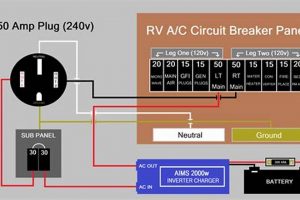
Off-grid power independence is a foundational element of a boondock travel trailer’s functionality. Without a reliable source of electricity independent of external infrastructure, the utility of such a trailer is severely compromised. This independence enables the operation of essential appliances, lighting, and climate control systems in remote locations lacking access to grid electricity. Solar power systems coupled with battery storage, along with propane-fueled generators, are commonly integrated components, providing the energy necessary for comfortable and extended stays in off-grid environments. Failure to achieve adequate power independence directly limits the duration and suitability of a boondock travel trailer for its intended purpose.
The practical application of off-grid power manifests in numerous ways. Consider a family utilizing a boondock travel trailer for a week-long excursion into a national forest. Solar panels charge a battery bank during daylight hours, providing power for lighting, refrigeration, and electronic devices. A backup generator is available to supplement solar energy during periods of inclement weather. Without this independent power source, the family would be reliant on finding established campgrounds with electrical hookups, negating the core benefit of the boondocking experience. Another illustration involves emergency situations where access to power is critical for communication, medical equipment, or safety systems.
In conclusion, off-grid power independence forms the cornerstone of a boondock travel trailer’s purpose. The ability to generate and store electricity independent of external sources directly influences the trailer’s capacity to provide a comfortable and self-sufficient camping experience. Challenges remain in optimizing power systems for efficiency and cost-effectiveness. Understanding this fundamental relationship between power independence and trailer functionality is essential for both manufacturers and users seeking to maximize the benefits of boondocking. This is a crucial element in achieving the desired level of self-sufficiency for individuals traveling beyond traditional campgrounds.
2. Self-contained water system

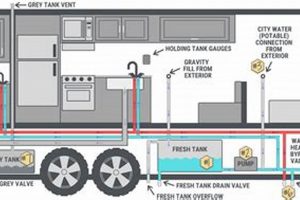
A self-contained water system is a critical element for the functionality of a boondock travel trailer. This system allows for independent operation, enabling users to access potable water and manage waste water without reliance on external utility connections. The following details address key aspects of these systems.
- Fresh Water Storage Capacity
The capacity of the fresh water tank dictates the duration of self-sufficient operation. Tank sizes vary depending on the trailer’s dimensions and design, ranging from small tanks suitable for short trips to larger tanks capable of supporting extended stays. The size of the fresh water tank should be carefully considered relative to anticipated water usage and refill opportunities. Example: A family of four might require a larger fresh water tank to comfortably last three days in a remote campsite compared to a solo traveler on a weekend trip.
- Water Pump and Delivery
An electric water pump provides water pressure throughout the trailer’s plumbing system, enabling use of faucets, showers, and toilets. Pump capacity, measured in gallons per minute (GPM), determines the water flow rate. A higher GPM rating provides stronger water pressure, while a lower rating conserves energy. The efficiency and reliability of the water pump is crucial for a consistent water supply. For instance, a high-efficiency pump can conserve battery power, especially in locations with limited charging options.
- Water Filtration and Purification
Filtration systems remove sediment and impurities from the water source, while purification systems eliminate bacteria and viruses, rendering water safe for consumption. The complexity of filtration and purification systems can range from simple inline filters to multi-stage systems with UV sterilization. The choice of system depends on the potential water sources and the level of water quality desired. Consider an individual sourcing water from a natural spring: a comprehensive filtration and UV purification system would be crucial for ensuring safety.
- Gray and Black Water Tanks
Gray water tanks collect waste water from sinks and showers, while black water tanks hold waste from toilets. Tank capacity and design impact waste disposal frequency. Proper maintenance, including regular cleaning and treatment with appropriate chemicals, is essential for odor control and system functionality. The placement and ease of access to dump valves for these tanks influence the convenience of waste disposal. Example: Tanks equipped with macerator pumps facilitate waste disposal in situations where gravity-fed drainage is not feasible.
These components represent an integrated system for managing water resources within the confines of a boondock travel trailer. The capacity of the tanks, the efficiency of the pump, and the effectiveness of the purification system must align with the planned duration and location of travel to ensure a comfortable and sustainable off-grid experience. These elements, therefore, become essential in the selection and maintenance of the vehicle.
3. Waste management efficiency

Waste management efficiency is a critical operational consideration for any boondock travel trailer. The ability to responsibly contain and dispose of waste products directly affects environmental impact, regulatory compliance, and the overall habitability of the unit.
- Black Water Tank Capacity and Management
Black water tanks collect human waste and toilet paper. Optimizing tank capacity relative to anticipated usage minimizes the frequency of necessary disposal. Efficient use of low-flush toilets and appropriate tank additives can extend capacity and control odors. Failure to adequately manage black water presents significant health risks and environmental hazards, necessitating adherence to strict disposal regulations at designated facilities. Example: Installing a composting toilet can significantly reduce black water volume, extending the duration between required dumping.
- Gray Water Handling and Disposal
Gray water, comprising waste water from sinks and showers, requires careful management. While regulations regarding gray water disposal vary by location, responsible practices dictate containment or discharge in designated areas away from water sources. Implementing filtration systems to remove food particles and grease can mitigate environmental impact. In certain jurisdictions, the use of gray water for irrigation may be permissible, subject to specific guidelines. An instance of this would be filtering gray water for subsurface irrigation of non-edible plants.
- Solid Waste Reduction and Storage
Minimizing solid waste generation is paramount for responsible travel. Prioritizing reusable containers, reducing packaging waste, and composting food scraps can significantly decrease volume. Properly storing solid waste in sealed containers prevents pest infestations and odor problems. Adhering to Leave No Trace principles dictates packing out all trash, including biodegradable materials, to designated disposal sites. Composting food scraps, when permitted, effectively reduces solid waste volume and environmental impact.
- Waste Water Monitoring Systems
Accurate monitoring of black and gray water tank levels is essential for preventing overflows and planning disposal strategies. Electronic monitoring systems provide real-time data, enabling proactive waste management. Integrating these systems with mobile apps can facilitate remote monitoring and data logging. Proper monitoring prevents unexpected overflows, enabling responsible use of waste facilities and helping to prevent environmental contamination.
The interplay of these waste management facets directly influences the environmental footprint and long-term viability of boondock travel. Proper planning and implementation ensure compliance with environmental regulations, minimize ecological impact, and contribute to a more sustainable travel experience. Failure to address these considerations can result in legal penalties and damage to the environment.
4. Durable construction, reliability

Durable construction and inherent reliability are paramount attributes of a boondock travel trailer, directly influencing its capacity to withstand the rigors of off-grid travel and provide a safe, habitable environment. Compromises in these areas invariably lead to premature component failure, compromised safety, and an overall diminished experience.
- Frame Integrity and Suspension Systems
The structural integrity of the frame is the foundation upon which all other components rely. High-strength steel frames, coupled with robust suspension systems, are essential for navigating uneven terrain and absorbing the stresses of extended travel. Failure of these systems can result in catastrophic structural damage, rendering the trailer uninhabitable and potentially dangerous. Example: A reinforced frame with heavy-duty axles and leaf spring suspension is crucial for traversing unpaved roads in remote areas, preventing frame fatigue and ensuring consistent handling.
- Weather Resistance and Sealing
The effectiveness of the exterior shell in resisting water intrusion, UV degradation, and temperature extremes is critical for maintaining a habitable interior. High-quality roofing materials, robust sidewall construction, and meticulous sealing around windows and doors prevent water damage, mold growth, and energy loss. Compromised weather resistance leads to accelerated deterioration and potentially severe structural issues. Consider the impact of prolonged exposure to intense sunlight on poorly UV-protected materials, resulting in cracking, fading, and eventual failure.
- Plumbing and Electrical System Longevity
The durability and reliability of plumbing and electrical systems are essential for consistent access to water and power. High-quality wiring, corrosion-resistant plumbing fixtures, and properly insulated connections prevent shorts, leaks, and system failures. Regular inspection and maintenance are crucial for identifying and addressing potential problems before they escalate. Example: Utilizing PEX tubing for plumbing, known for its flexibility and resistance to freezing, reduces the likelihood of burst pipes in cold weather conditions.
- Component Selection and Quality Control
The selection of high-quality components, from appliances to hardware, contributes significantly to overall reliability. Rigorous quality control during manufacturing processes ensures that components are properly installed and function as intended. Compromises in component quality or inadequate quality control procedures result in increased failure rates and diminished performance. Instance: Specifying appliances with proven track records for durability and energy efficiency minimizes the risk of breakdowns and extends the lifespan of the unit.
The confluence of these facets underscores the fundamental connection between durable construction, reliability, and the intended application of a boondock travel trailer. The capacity to withstand environmental challenges, ensure consistent system functionality, and provide a safe living environment hinges on these attributes. Investing in a trailer with a proven track record for durability is a prerequisite for successful off-grid travel.
5. Compact, maneuverable design

Compact, maneuverable design is a defining characteristic of a boondock travel trailer, directly influencing its suitability for accessing remote and often challenging locations. The constraints of narrow trails, unpaved roads, and limited turning radii necessitate a design ethos prioritizing agility and ease of navigation.
- Length and Width Considerations
The overall length and width dictate the trailer’s ability to traverse narrow pathways and negotiate tight turns. Shorter trailers with narrower profiles are inherently more maneuverable, enabling access to campsites inaccessible to larger, more cumbersome units. Legal restrictions on trailer length in certain areas further reinforce the importance of compact dimensions. Example: A trailer exceeding a specified length may be prohibited from certain national park campgrounds, limiting its utility for boondocking.
- Weight Distribution and Tow Vehicle Compatibility
Proper weight distribution is crucial for safe towing and maneuverability. Excessive tongue weight or an unbalanced load can negatively impact handling, increasing the risk of sway and loss of control. Compatibility with the tow vehicle’s capacity is paramount, ensuring adequate power and braking performance. An improperly matched trailer and tow vehicle combination can compromise safety and severely limit maneuverability, especially on steep grades or uneven surfaces.
- Ground Clearance and Underbody Protection
Adequate ground clearance is essential for navigating rough terrain and avoiding damage to the trailer’s undercarriage. Reinforced underbody protection safeguards critical components, such as plumbing and electrical systems, from impacts. Insufficient ground clearance can result in grounding or damage, rendering the trailer immobile and potentially stranding occupants in remote locations. Consider the impact of a low-hanging drain valve being sheared off by a rock, compromising the entire water system.
- Axle Configuration and Suspension Travel
Single-axle configurations generally offer greater maneuverability in tight spaces compared to tandem-axle setups. Suspension travel, the vertical distance a wheel can move relative to the frame, affects the trailer’s ability to maintain traction and stability on uneven surfaces. Limited suspension travel can result in wheel lift, reducing traction and increasing the risk of instability. Example: A trailer with independent suspension provides enhanced articulation, allowing it to navigate rocky terrain with greater ease and stability.
The interplay of these design elements ultimately determines a boondock travel trailer’s capacity to access remote locations and provide a comfortable, self-sufficient camping experience. Compromises in compact design or maneuverability directly limit the trailer’s utility for its intended purpose, negating the core benefits of boondocking. Investing in a trailer specifically engineered for off-road agility is a prerequisite for maximizing the potential for remote exploration.
Frequently Asked Questions
This section addresses commonly encountered questions regarding boondock travel trailers, providing concise and informative responses.
Question 1: What differentiates a boondock travel trailer from a standard travel trailer?
A boondock travel trailer is specifically engineered for self-sufficient operation in locations lacking utility hookups. Standard travel trailers typically rely on external power, water, and sewer connections, rendering them less suitable for remote camping.
Question 2: Is a four-wheel-drive vehicle required to tow this type of trailer?
While a four-wheel-drive vehicle is not always necessary, it is highly recommended, especially when traversing unpaved roads or challenging terrain. The added traction and control afforded by four-wheel drive enhance safety and maneuverability in remote locations.
Question 3: What are the essential power sources for a boondock travel trailer?
Essential power sources include solar panels coupled with battery storage, and generators. Solar panels provide renewable energy during daylight hours, while batteries store energy for nighttime use. Generators offer a supplemental power source during periods of low solar production or high energy demand.
Question 4: How is waste water managed in a boondock travel trailer?
Waste water is collected in separate gray and black water tanks. Gray water consists of waste water from sinks and showers, while black water contains waste from toilets. These tanks must be emptied at designated dump stations, adhering to environmental regulations and proper sanitation protocols.
Question 5: What safety precautions should be observed when using a boondock travel trailer?
Essential safety precautions include carrying a well-stocked first-aid kit, ensuring functional smoke and carbon monoxide detectors, and being aware of local wildlife. Thoroughly inspecting tires, brakes, and hitch connections prior to each trip is also crucial for safe travel.
Question 6: What maintenance is required for a boondock travel trailer?
Regular maintenance includes inspecting and sealing the roof, lubricating moving parts, checking and tightening wheel bearings, and maintaining the battery bank. Following the manufacturer’s recommended maintenance schedule is essential for preserving the trailer’s longevity and reliability.
These FAQs provide a foundational understanding of key considerations for boondock travel trailer operation. Further research and consultation with experienced users are encouraged for those considering this type of recreational vehicle.
The subsequent section will provide a detailed glossary of terms commonly associated with this topic.
Conclusion
The preceding exploration of the boondock travel trailer has underscored its capacity to provide a unique form of recreational freedom. The combination of self-sufficiency in power, water, and waste management, coupled with durable construction and maneuverable design, enables access to remote areas inaccessible to conventional recreational vehicles. The responsible and informed utilization of these specialized trailers necessitates careful planning and adherence to environmental best practices.
The sustained interest in the boondock travel trailer reflects a growing desire for immersive experiences in natural environments, independent of established infrastructure. Continued innovation in sustainable technologies and responsible travel practices will further enhance the role of these vehicles in facilitating exploration while minimizing environmental impact. The future of off-grid recreation hinges on a commitment to preserving the integrity of the natural landscapes these trailers enable users to access.