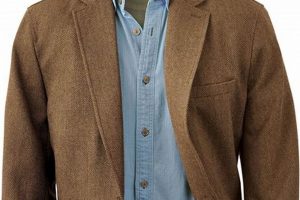
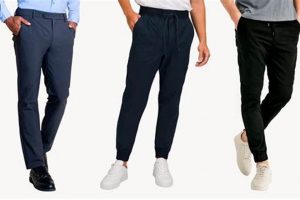
A garment ensemble designed for journeys prioritizes comfort, wrinkle resistance, and versatility. Often constructed from fabrics like merino wool, technical blends, or lightweight synthetics, it offers a presentable appearance suitable for various travel scenarios. As an example, consider a two-piece set made from a stretch wool blend, allowing ease of movement and maintaining a sharp look even after prolonged wear and storage.
The advantages of this specialized attire lie in its practicality. It streamlines packing by reducing the need for separate formal and casual wear, thereby minimizing luggage bulk. Historically, travelers relied on heavier, less adaptable clothing. Modern fabric technology has revolutionized travel apparel, enabling garments that are breathable, quick-drying, and require minimal ironing. This represents a significant improvement in travel convenience and efficiency.
Subsequent sections will delve into fabric considerations, style options, and key features to consider when selecting such apparel. Guidance on packing techniques and maintenance tips will also be provided, ensuring the chosen garment remains a reliable travel companion for years to come.
Selection and Care Recommendations
The following recommendations aim to guide the informed selection and proper maintenance of apparel designed for travel purposes, ensuring longevity and optimal performance.
Tip 1: Fabric Consideration: Prioritize fabrics known for wrinkle resistance. Merino wool, technical blends with polyester or nylon, and treated cotton offer superior crease recovery compared to traditional materials like linen or untreated cotton. For example, a blend of 60% wool and 40% polyester can provide a balance of comfort, breathability, and wrinkle resistance.
Tip 2: Weight and Packability: Opt for lighter-weight fabrics. A lighter garment ensemble minimizes weight in luggage and enhances comfort during wear. Consider the grams per square meter (GSM) of the fabric; lower GSM generally indicates a lighter material. A suit with a GSM of 200-250 is generally considered lightweight and suitable for travel.
Tip 3: Fit and Comfort: Ensure a comfortable and unrestricted fit. A garment that restricts movement will be uncomfortable during long journeys. Look for options with stretch panels or articulated construction in areas such as the shoulders and elbows. Perform a range of motion tests before purchase to ensure adequate flexibility.
Tip 4: Color and Versatility: Choose a neutral color that complements a wide range of other garments. Navy, gray, and black are versatile choices that can be easily paired with various shirts, ties, and shoes. A neutral palette expands the garment’s applicability in diverse travel scenarios.
Tip 5: Construction Quality: Examine the construction details. Reinforced seams, quality linings, and durable buttons indicate a well-made garment that will withstand the rigors of travel. Check for details such as bar-tacking at stress points and properly aligned patterns.
Tip 6: Packing Techniques: Employ rolling or folding techniques to minimize wrinkles during transit. Rolling garments can often prevent sharp creases. Consider using packing cubes to compress the garment and protect it from abrasion against other items in luggage.
Tip 7: Maintenance and Cleaning: Adhere to the manufacturer’s care instructions. Proper cleaning and storage will extend the lifespan of the garment. Dry cleaning may be necessary for certain fabrics, while others may be machine washable. Always air dry or tumble dry on low heat to prevent shrinkage or damage.
Adhering to these guidelines facilitates the selection of a practical and durable travel garment. Careful consideration of fabric, construction, and maintenance contributes significantly to the longevity and utility of the chosen attire.
The following sections will address specific style considerations and accessorizing options to further enhance the utility of the travel garment ensemble.
1. Fabric Wrinkle Resistance
Fabric wrinkle resistance is a paramount characteristic of superior travel apparel. The propensity of a fabric to resist creasing directly correlates with the garment’s presentability upon arrival at a destination, mitigating the need for immediate ironing or steaming. This is particularly crucial for business travelers or individuals attending events shortly after disembarking. For instance, a suit constructed from a high-twist merino wool or a technical blend incorporating polyester demonstrates significantly reduced wrinkling compared to a traditional linen suit, which is prone to creasing even with minimal movement. The underlying principle involves the fabric’s ability to recover its original shape after deformation, a property influenced by fiber elasticity and weave density.
The practical significance of wrinkle resistance extends beyond mere aesthetics. Garments that maintain a presentable appearance reduce the overall burden of travel by minimizing clothing care requirements. This allows travelers to allocate their time and resources to other aspects of their journey. Furthermore, the longevity of a travel garment is enhanced by its ability to withstand the stresses of packing and unpacking without succumbing to permanent creasing. Consider, for example, two identical suits subjected to the same packing conditions. The suit with superior wrinkle resistance will exhibit fewer visible creases and retain its shape more effectively, ensuring a polished appearance for a longer duration.
In summary, fabric wrinkle resistance is a critical determinant in the selection of a suitable travel garment. The reduced need for maintenance, coupled with the enhanced aesthetic appeal and increased durability, collectively contribute to a more streamlined and efficient travel experience. Challenges remain in balancing wrinkle resistance with other desirable attributes such as breathability and comfort, necessitating careful consideration of specific fabric properties and construction techniques. The integration of advanced fiber technologies continues to push the boundaries of wrinkle-resistant fabrics, offering travelers increasingly sophisticated options for maintaining a professional appearance while minimizing the demands of clothing care during travel.
2. Lightweight Construction

Lightweight construction constitutes a pivotal attribute for travel garments, directly influencing portability, comfort, and overall travel efficiency. The mass of the garment significantly impacts the burden placed on the traveler, especially during extended journeys or when adhering to strict baggage allowances. Lighter materials and streamlined construction methods contribute to a reduction in weight, facilitating easier packing and maneuverability.
- Fabric Selection
The choice of fabric fundamentally dictates the weight of the finished garment. Materials such as lightweight merino wool, technical blends incorporating nylon or polyester, and seersucker offer reduced mass compared to heavier fabrics like tweed or traditional worsted wool. For example, a suit constructed from a 200 GSM (grams per square meter) merino wool fabric will be considerably lighter than one made from a 350 GSM wool tweed, directly impacting the weight of the packed luggage.
- Lining Considerations
The type and extent of lining utilized in the garment’s construction contribute significantly to its overall weight. Unlined or partially lined options, often referred to as “deconstructed” suits, minimize bulk and weight by eliminating or reducing the amount of internal lining material. A fully lined suit typically includes lining in the jacket body and sleeves, adding weight and potentially reducing breathability. Conversely, a half-lined or unlined jacket offers enhanced breathability and a lighter feel, at the expense of some structure and shape retention.
- Hardware Minimization
The weight of buttons, zippers, and other hardware components contributes to the overall mass of the garment. Selecting lightweight alternatives, such as horn or corozo buttons over metal options, can reduce weight. Furthermore, minimizing the number of buttons or opting for lighter-weight zippers can further contribute to weight reduction. The cumulative effect of these small hardware choices can be significant, particularly when considering the overall weight of the packed luggage.
- Construction Techniques
Streamlined construction techniques, such as eliminating unnecessary layers of fabric or utilizing lighter-weight interfacings, contribute to the reduction of overall garment weight. For instance, a fused construction, where the outer fabric is bonded directly to an interlining, is generally lighter than a traditionally tailored garment with a floating canvas. However, fused construction may compromise breathability and drape compared to traditional tailoring methods.
The selection of travel garments with lightweight construction necessitates a balanced consideration of factors. The desire for reduced weight must be weighed against factors such as durability, wrinkle resistance, and aesthetic considerations. For example, a very lightweight fabric may be more prone to wrinkling or tearing than a heavier alternative. Careful evaluation of these trade-offs ensures that the chosen garment effectively balances the competing demands of portability, performance, and aesthetics. The integration of advanced material science and innovative construction techniques continues to refine the possibilities for creating exceptionally lightweight and functional travel attire.
3. Versatile Style

Versatile style is a critical component of effective travel apparel, directly influencing its adaptability to diverse situations encountered during transit and at the destination. The effectiveness of a travel garment is significantly enhanced by its capacity to function appropriately in a range of environments, from formal business meetings to casual social gatherings. A garment lacking stylistic versatility necessitates the inclusion of additional clothing items, negating the space and weight-saving benefits sought in optimized travel packing. For instance, a suit designed exclusively for formal occasions cannot readily adapt to informal settings without appearing incongruous, thus requiring supplemental attire. Conversely, a suit possessing versatile styling can transition between such scenarios with minimal adjustment, thereby reducing packing volume and weight.
The practical significance of versatile styling extends to minimizing disruption and maximizing efficiency during travel. Unexpected events or alterations in planned activities often necessitate adjustments to attire. A travel garment exhibiting adaptable styling characteristics provides a buffer against such contingencies, allowing the wearer to respond appropriately without incurring the time and expense of acquiring additional clothing. Consider a navy blue suit crafted from a fine-gauge merino wool; it may be paired with a crisp white shirt and silk tie for a business meeting, and subsequently worn with a casual knit shirt and loafers for an evening social event. This adaptability is achieved through careful consideration of fabric texture, silhouette, and detailing, enabling seamless integration with various accessory combinations.
In conclusion, versatile style is an indispensable attribute of any effective travel garment. The ability to transition effortlessly between diverse settings optimizes packing efficiency, minimizes the need for supplemental attire, and provides a buffer against unforeseen contingencies. While achieving optimal versatility requires careful consideration of design elements and fabric choices, the resulting benefits in terms of convenience, adaptability, and reduced travel burden underscore its fundamental importance.
4. Packability

Packability, concerning travel garments, addresses the ease with which they can be compressed and stored for transport. It represents a crucial factor in evaluating such attire, directly affecting luggage volume and weight management. Effective packability minimizes the space required for clothing, streamlining the overall travel experience.
- Fabric Compressibility
The inherent compressibility of a fabric dictates its potential for efficient packing. Materials with high fiber resilience, such as certain synthetic blends and tightly woven natural fibers, tend to compress more effectively and recover their shape more readily than loosely woven or bulky fabrics. A suit constructed from a high-density merino wool, for example, can be tightly rolled without sustaining significant creasing, whereas a similarly treated linen suit may exhibit irreversible wrinkles. The compressibility is assessed through standardized tests measuring fabric thickness under pressure.
- Garment Construction and Design
The manner in which a garment is constructed significantly influences its packability. Minimalist designs, devoid of excessive embellishments or heavy linings, inherently occupy less volume than elaborate, structured garments. A “deconstructed” suit jacket, lacking internal padding and lining, can be folded or rolled into a compact form. Conversely, a traditionally tailored suit jacket with a full canvas construction requires more careful folding techniques to prevent creasing and maintain its shape, increasing the space it occupies within luggage.
- Wrinkle Resistance and Recovery
While not directly a measure of compressibility, wrinkle resistance is inextricably linked to packability. A highly packable garment is only truly effective if it emerges from storage in a presentable condition. Fabrics with inherent wrinkle resistance, or those treated with wrinkle-resistant finishes, minimize the need for immediate ironing or steaming upon arrival. This attribute enhances the overall practicality of the garment, reducing the time and effort required to maintain a professional appearance during travel.
- Folding and Rolling Techniques
Even with highly compressible and wrinkle-resistant fabrics, proper folding or rolling techniques are essential to optimize packability. Rolling garments generally minimizes sharp creases, while folding requires careful layering to distribute pressure evenly. Packing cubes can further compress garments and prevent shifting during transit, maximizing the available space within luggage. The effectiveness of these techniques relies on a combination of garment characteristics and the traveler’s packing proficiency.
The interplay between fabric properties, garment design, and packing methodology dictates the overall packability of a travel garment. A well-chosen and properly packed suit can significantly reduce luggage volume and weight, streamlining the travel experience. Balancing packability with other desirable attributes, such as wrinkle resistance, comfort, and style, represents a key consideration in selecting attire suitable for travel.
5. Comfortable Fit
A comfortable fit is a prerequisite for a travel suit to be considered among the best. Ill-fitting garments can impede movement, leading to discomfort and fatigue, especially during extended travel periods. The correlation between a comfortable fit and travel performance is causal; restricted movement and discomfort decrease focus and increase stress. A suit that binds across the shoulders, pinches at the waist, or has trousers that restrict leg movement compromises the ability to navigate airports, sit comfortably on planes, or engage in meetings effectively upon arrival. For example, a traveler wearing a suit with a constricted armhole may experience chafing and limited arm mobility during baggage handling or presentations. A comfortable fit, conversely, facilitates ease of movement and promotes a more positive and productive travel experience.
The importance of a comfortable fit extends beyond immediate physical comfort. A well-fitted suit contributes to a professional appearance, fostering confidence and credibility. Garments that drape properly and conform to the body’s natural lines project an image of competence and attention to detail. In contrast, a poorly fitted suit can appear sloppy and unprofessional, potentially undermining the traveler’s perceived authority. The selection process must, therefore, prioritize measurements and tailoring that accommodate individual body shapes and allow for a full range of motion. For example, many travel suits incorporate stretch fabrics or articulated designs in key areas, such as the shoulders and elbows, to enhance comfort and flexibility without sacrificing a tailored silhouette.
In summary, comfortable fit is not merely an ancillary attribute but an integral component of the suitability of a travel suit. It directly impacts physical comfort, professional appearance, and overall travel performance. The challenges lie in finding the optimal balance between a tailored silhouette and freedom of movement, necessitating careful attention to measurements, fabric properties, and design features. Selecting a travel suit that prioritizes comfortable fit is an investment in both well-being and professional effectiveness.
6. Breathability
Breathability, in the context of travel attire, refers to the capacity of a fabric to permit the passage of air and moisture vapor, facilitating thermoregulation and preventing the accumulation of perspiration. A garment’s breathability directly impacts the wearer’s comfort level, especially in varying climates or during periods of physical exertion. Suits intended for travel must prioritize breathability; a lack thereof can lead to discomfort, overheating, and a compromised professional appearance due to perspiration stains. For example, a suit constructed from a tightly woven synthetic material with limited air permeability will trap heat and moisture, leading to discomfort, while a suit made from a breathable merino wool fabric will allow moisture to evaporate, maintaining a more comfortable body temperature.
The selection of breathable fabrics and construction techniques is crucial in creating effective travel garments. Natural fibers, such as merino wool and linen, inherently possess better breathability than many synthetic materials. The open weave of linen and the moisture-wicking properties of merino wool allow air to circulate and moisture to evaporate. Furthermore, certain construction methods, such as unlined jackets or those with mesh linings, enhance breathability by minimizing barriers to airflow. The impact of breathability is particularly evident during long flights or when transitioning between different climate zones. A breathable suit minimizes the risk of overheating and discomfort, allowing the wearer to maintain a professional demeanor throughout the journey. Consider a business traveler attending a meeting immediately after a transcontinental flight; a breathable suit will help regulate body temperature and prevent the appearance of perspiration, contributing to a more confident and composed presentation.
In summary, breathability is a non-negotiable attribute of any effective travel suit. Its influence on comfort, thermoregulation, and professional appearance underscores its importance in enhancing the overall travel experience. While achieving optimal breathability requires careful consideration of fabric selection, construction techniques, and environmental factors, the resulting benefits in terms of comfort and performance make it a worthwhile pursuit. The integration of advanced fabric technologies continues to refine the possibilities for creating highly breathable and functional travel suits, offering travelers increasingly sophisticated options for maintaining comfort and composure regardless of the conditions encountered during travel.
7. Durability
Durability is a fundamental characteristic distinguishing superior travel attire. The ability of a travel garment to withstand the stresses of frequent packing, unpacking, wear, and cleaning directly determines its longevity and overall value. A fragile suit, prone to tearing, seam failure, or fabric degradation, proves impractical for travel, necessitating frequent replacements and negating the intended cost savings and convenience. Conversely, a durable suit offers prolonged service life, reducing the environmental impact of textile consumption and providing a reliable wardrobe staple for multiple journeys. The cause-and-effect relationship is clear: inferior materials and construction lead to premature failure, while robust materials and meticulous craftsmanship ensure sustained performance.
The importance of durability manifests in various real-world scenarios. Consider a business traveler who undertakes weekly flights. A poorly constructed suit may exhibit frayed seams, worn elbows, or faded coloring within a few months, requiring replacement. In contrast, a well-made suit, utilizing durable fabrics and reinforced stitching, can withstand the rigors of frequent travel for several years, offering a substantial return on investment. The practical significance extends to aesthetic appearance as well; a durable suit retains its shape, color, and overall presentability for a longer period, projecting a professional image throughout its lifespan. Moreover, durable fabrics often exhibit enhanced resistance to staining and abrasion, further contributing to their longevity and practicality.
In summary, durability is not merely a desirable attribute but a defining characteristic of an effective travel suit. Its influence on longevity, cost-effectiveness, and aesthetic appearance underscores its importance in selecting travel attire. The challenges lie in discerning genuine durability from superficial appearances, necessitating careful examination of fabric specifications, construction details, and manufacturer reputation. Prioritizing durability ensures that the chosen travel garment provides a reliable and cost-effective solution for frequent journeys, minimizing waste and maximizing value.
Frequently Asked Questions
The following addresses common inquiries regarding the selection and use of garment ensembles optimized for travel, providing clarity on key aspects and mitigating potential misconceptions.
Question 1: What constitutes the primary advantage of a travel suit over conventional attire?
The foremost benefit lies in its optimized blend of wrinkle resistance, packability, and versatility, minimizing the need for multiple garments and simplifying luggage management. Conventional attire often lacks these integrated features, leading to increased luggage bulk and potential maintenance challenges during travel.
Question 2: Are specific fabric compositions universally recommended for travel suits?
While individual preferences may vary, fabrics incorporating merino wool, high-twist synthetics, or treated cotton blends typically offer superior wrinkle resistance and breathability compared to traditional materials like linen or untreated cotton. The ideal composition depends on the specific climate and anticipated activities during travel.
Question 3: What construction features contribute to a travel suit’s durability and longevity?
Reinforced seams, quality linings, durable buttons, and robust interfacings enhance the structural integrity of the garment, enabling it to withstand the stresses of frequent packing, unpacking, and wear. The presence of these features indicates a commitment to quality construction and prolonged service life.
Question 4: How does the weight of a travel suit influence its overall practicality?
Lighter-weight garments minimize luggage burden and enhance comfort during wear, particularly on extended journeys. Choosing fabrics with lower grams per square meter (GSM) values and opting for unlined or partially lined construction contribute to weight reduction and improved portability.
Question 5: What role does color selection play in the versatility of a travel suit?
Neutral colors, such as navy, gray, or black, offer the greatest adaptability, allowing for seamless integration with diverse shirt, tie, and shoe combinations. A neutral palette expands the suit’s applicability in various settings, from formal business meetings to casual social events.
Question 6: Can travel suits be effectively maintained through conventional cleaning methods?
While specific care instructions vary depending on the fabric composition, many travel suits can be maintained through a combination of dry cleaning and gentle machine washing. Adhering to the manufacturer’s recommendations is crucial to prevent damage and prolong the garment’s lifespan.
The proper selection and maintenance are crucial for realizing the full benefits of travel-optimized garment ensembles. Careful consideration of these factors ensures a reliable and professional appearance throughout the journey.
The following will explore advanced care techniques to ensure longevity.
The Best Travel Suit
This exploration has underscored the importance of selecting travel attire that prioritizes fabric wrinkle resistance, lightweight construction, versatile style, packability, comfortable fit, breathability, and durability. The integration of these characteristics enables a practical and efficient solution for discerning travelers, minimizing luggage bulk and maximizing professional presentation across diverse environments.
The informed selection represents a strategic investment in travel efficiency and professional image. Continued advancements in fabric technology and garment design promise further refinements in travel attire, enabling travelers to navigate global landscapes with enhanced comfort and confidence. Diligence in these considerations ensures a seamless and impactful travel experience.
![Top-Rated Best Travel Sandals Womens [Comfort & Style] | Best Travel Tips for Adventurers: Explore the World on a Budget](https://detravellers.com/wp-content/uploads/2026/04/th-98-300x200.jpg "Top-Rated Best Travel Sandals Womens [Comfort & Style] Best Travel Tips for Adventurers: Explore the World on a Budget")