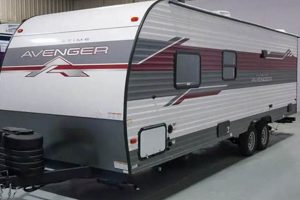
A recreational vehicle, characterized by its towable nature and a length of approximately twenty-six feet, offers a balance between spaciousness and maneuverability. This size typically includes essential amenities such as a kitchenette, sleeping quarters, and a bathroom, making it suitable for extended trips. A unit falling within this dimension range would commonly be towed by a mid-size truck or SUV.
The appeal of such a unit lies in its adaptability for various travel styles, from weekend getaways to longer cross-country adventures. The dimensions allow for relatively easy navigation in campgrounds and national parks, while still providing sufficient living space for comfortable travel. Historically, units of this size represent a popular choice for families or couples seeking a self-contained travel experience without the challenges associated with larger, more cumbersome RVs.
The following discussion will delve into specific aspects of recreational vehicles of this size, encompassing their floorplan variations, weight considerations, and features that enhance the overall travel experience. Information regarding maintenance, storage solutions, and cost factors will also be addressed. This comprehensive approach aims to provide a thorough understanding of this popular option within the broader recreational vehicle market.
Essential Considerations for Selecting a Recreational Vehicle of Approximately Twenty-Six Feet
The following guidelines provide critical insights for prospective buyers considering a travel trailer with a length of approximately twenty-six feet. These points emphasize practicality and long-term ownership considerations.
Tip 1: Assess Tow Vehicle Capacity: Prior to purchase, verify the tow vehicle’s Gross Vehicle Weight Rating (GVWR) and towing capacity. Exceeding these limits can compromise safety and vehicle performance. Consult the vehicle’s owner’s manual and consider professional assessment. For example, a truck with a listed towing capacity of 7,000 pounds may not be adequate for a fully loaded unit.
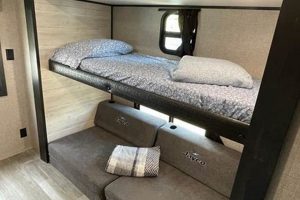
Tip 2: Evaluate Floorplan Options: The interior layout significantly impacts livability. Consider the number of occupants, storage needs, and cooking preferences. Bunkhouse models are suitable for families, while couples may prefer a layout with a dedicated living area. Examine floorplans carefully to ensure they meet specific requirements.
Tip 3: Inspect Construction Quality: Thoroughly examine the construction materials and workmanship. Look for signs of water damage, such as stains or soft spots. Pay attention to the roof, windows, and seals. Superior construction translates to greater durability and reduced maintenance costs over time.
Tip 4: Determine Storage Needs: Evaluate both interior and exterior storage options. Consider the quantity and size of items typically transported. Insufficient storage leads to clutter and inconvenience. Look for models with ample cabinets, under-bed storage, and exterior compartments.
Tip 5: Investigate Appliance Functionality: Test all appliances, including the refrigerator, stove, oven, air conditioner, and water heater. Ensure they operate correctly and efficiently. Faulty appliances can disrupt travel plans and incur unexpected repair expenses.
Tip 6: Analyze Weight Distribution: Understanding how weight is distributed within the trailer is crucial for safe towing. Improper weight distribution can cause swaying and instability. Look for units with balanced axle loading and utilize a weight distribution hitch when necessary.
Tip 7: Consider Resale Value: Certain brands and models tend to retain their value better than others. Research resale trends and factor this into the purchasing decision. A well-maintained unit from a reputable manufacturer will typically command a higher resale price.
Careful attention to these factors will facilitate a well-informed purchasing decision, ensuring that the chosen recreational vehicle adequately meets the intended travel needs and budget.
The final section of this article will summarize the key benefits of owning a recreational vehicle of this size and offer concluding remarks.
1. Dimensions

The specified length of approximately twenty-six feet directly impacts a recreational vehicle’s usability and suitability for diverse travel scenarios. A shorter unit would offer enhanced maneuverability and access to a wider range of campsites, especially within older or more geographically constrained campgrounds. Conversely, a longer unit provides increased interior space and potentially a greater array of amenities. The chosen length, therefore, represents a compromise between ease of handling and comfortable living quarters. For example, a twenty-six-foot unit is more likely to accommodate a separate sleeping area and a larger kitchen than a smaller, more compact model. The effect of this dimensional characteristic influences the travel experience for all occupants.
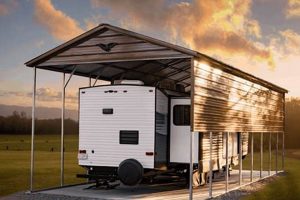
Furthermore, external dimensions directly affect storage considerations. A larger unit necessitates a larger storage space when not in use. Potential owners must consider the availability of suitable storage facilities, which may incur additional costs. Within campgrounds, the length limits the selection of available sites, potentially leading to increased reservation lead times or the need to utilize less desirable locations within the park. The selection of a twenty-six-foot length, therefore, represents a commitment to managing the logistical demands associated with a moderately sized recreational vehicle.
In summary, the dimensional aspects of a recreational vehicle of this size constitute a fundamental consideration that affects both its practicality and user experience. It represents a mid-point between compact maneuverability and expanded living space, requiring careful consideration of personal needs, storage availability, and tow vehicle capacity. The length’s implications extend beyond simple measurements, shaping accessibility, campsite selection, and storage logistics.
2. Weight

Weight is a critical consideration when evaluating recreational vehicles of approximately twenty-six feet in length. It directly influences tow vehicle requirements, safety during transport, and fuel efficiency. Overlooking weight specifications can lead to hazardous driving conditions and potential mechanical failures.
- Gross Vehicle Weight Rating (GVWR)
The GVWR represents the maximum permissible weight of the unit when fully loaded, including cargo, fluids, and passengers. Exceeding the GVWR puts undue stress on the axles, tires, and braking system, increasing the risk of accidents. It is imperative to select a tow vehicle with a GVWR rating that exceeds the recreational vehicle’s GVWR by a safe margin. For example, a twenty-six-foot unit with a GVWR of 7,000 pounds necessitates a tow vehicle capable of handling at least that weight, plus additional capacity for passengers and cargo in the tow vehicle itself.
- Dry Weight (Unloaded Vehicle Weight – UVW)
The dry weight, or UVW, refers to the weight of the unit as it leaves the factory, without any fluids or cargo. While this figure provides a baseline, it is rarely indicative of the actual weight during travel. Owners must account for the weight of water, propane, personal belongings, and any aftermarket modifications. A twenty-six-foot unit with a listed UVW of 5,000 pounds may easily exceed 6,000 pounds once equipped for a trip.
- Tongue Weight
Tongue weight is the downward force exerted by the unit’s hitch on the tow vehicle’s hitch receiver. Proper tongue weight, typically around 10-15% of the total trailer weight, is essential for stable towing. Insufficient or excessive tongue weight can lead to swaying or loss of control. Adjusting the load distribution within the unit can affect tongue weight. For instance, placing heavy items near the front of a twenty-six-foot unit will increase tongue weight, while positioning them towards the rear will decrease it.
- Impact on Fuel Efficiency
The weight of a twenty-six-foot recreational vehicle significantly impacts fuel consumption. Heavier units require more engine power to accelerate and maintain speed, resulting in lower gas mileage. Aerodynamic drag also increases with weight, further reducing fuel efficiency. Owners should anticipate a decrease in fuel economy when towing, compared to driving the tow vehicle unloaded. For example, a truck that typically achieves 20 miles per gallon may only get 10-12 miles per gallon when towing a twenty-six-foot unit.
These weight-related considerations are crucial for safe and efficient operation of a twenty-six-foot recreational vehicle. Careful attention to weight ratings, proper loading techniques, and the selection of an appropriately sized tow vehicle will enhance safety, minimize mechanical stress, and improve overall travel enjoyment.
3. Floorplan

The floorplan within a recreational vehicle measuring approximately twenty-six feet is a critical determinant of livability and overall utility. The arrangement of interior space directly affects the comfort and functionality experienced by occupants. This arrangement defines sleeping capacity, cooking facilities, storage volume, and restroom accessibility. The efficacy of a floorplan depends upon aligning these factors with the intended use and number of travelers. For instance, a twenty-six-foot unit designed for a family might prioritize bunk beds and a larger dinette area, while a unit intended for a couple might feature a more spacious living area and a smaller galley. The suitability of a given floorplan exerts a significant influence on the satisfaction derived from recreational vehicle ownership.
Variations in floorplans for recreational vehicles of this size are numerous, each addressing specific needs and preferences. Some examples include: rear living designs, characterized by a lounge area at the rear of the unit; front bedroom models, offering a private master suite; and bunkhouse configurations, maximizing sleeping capacity. The choice of floorplan dictates the location of essential appliances, such as the refrigerator and stove, and affects the accessibility of storage compartments. Furthermore, the layout influences the flow of movement within the unit, determining whether it is conducive to comfortable cohabitation. The presence of slide-out sections further alters the floorplan, expanding interior space at the campsite but potentially restricting access when the unit is in transit. Therefore, a meticulous evaluation of various floorplan options is paramount to selecting a twenty-six-foot recreational vehicle that meets individual requirements.
Ultimately, the floorplan represents a crucial design element that shapes the entire recreational vehicle experience. Its impact extends beyond mere aesthetics, affecting comfort, functionality, and overall satisfaction. Careful consideration of available floorplans, taking into account intended usage patterns and individual preferences, is essential for maximizing the value and utility of a recreational vehicle of approximately twenty-six feet. The floorplan, more than any other single feature, defines the character and practicality of the unit, influencing all aspects of travel and accommodation.
4. Towing

The act of towing is inextricably linked to the operation of a recreational vehicle of approximately twenty-six feet in length. The selection of an appropriate tow vehicle, the proper hitch configuration, and adherence to safe towing practices are critical for ensuring stability, control, and overall safety during transit. Neglecting any of these aspects can lead to hazardous situations and potential accidents. The following points detail specific facets of this relationship.
- Tow Vehicle Capacity
A properly matched tow vehicle is essential. The vehicle’s Gross Vehicle Weight Rating (GVWR) and Gross Combined Weight Rating (GCWR) must exceed the recreational vehicle’s fully loaded weight. For example, a twenty-six-foot unit with a GVWR of 7,500 pounds necessitates a tow vehicle with a GCWR significantly higher than that figure, accounting for passengers, cargo, and other factors. Exceeding these limits compromises braking performance and handling characteristics.
- Hitch Selection and Installation
The hitch must be appropriately rated for the weight and tongue weight of the recreational vehicle. Class III or Class IV hitches are commonly used for twenty-six-foot units. Professional installation is recommended to ensure proper attachment and securement to the tow vehicle’s frame. An improperly installed hitch can fail under stress, resulting in separation of the vehicle from the unit being towed. Weight distribution hitches are often employed to improve stability and reduce sway.
- Braking Systems
Recreational vehicles of this size typically require electric brakes. The tow vehicle must be equipped with a brake controller to synchronize braking between the two vehicles. Regular inspection and maintenance of the braking system are crucial. Malfunctioning brakes can significantly increase stopping distance and contribute to accidents, especially in adverse weather conditions.
- Safe Towing Practices
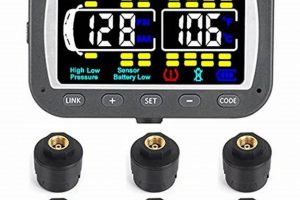
Maintaining a safe following distance, avoiding sudden maneuvers, and observing speed limits are essential. Adjusting driving behavior to account for the increased length and weight of the combination is paramount. For instance, anticipating lane changes and allowing for greater braking distances are crucial for safe operation. Regular checks of tire pressure and hitch connections are also vital for preventing breakdowns and accidents. Crosswinds can exert significant forces on the unit, requiring vigilant steering adjustments.
The interrelation between towing and a twenty-six-foot recreational vehicle demands meticulous planning and adherence to established safety protocols. The selection of a suitable tow vehicle, a properly installed hitch, a functional braking system, and responsible driving habits collectively contribute to a safe and enjoyable travel experience. A failure in any of these areas can compromise the integrity of the entire system and endanger both the occupants of the vehicles and other motorists on the road.
5. Amenities
The provision of amenities within a recreational vehicle of approximately twenty-six feet directly impacts its suitability for prolonged habitation and travel. The cause-and-effect relationship between available amenities and user satisfaction is demonstrably strong. A unit equipped with essential comforts and conveniences enhances the overall travel experience, while a lack thereof can detract from it significantly. Amenities are not mere luxuries but functional components that contribute to self-sufficiency and comfort when traditional infrastructure is unavailable. For example, a properly functioning climate control system (air conditioning and heating) allows for comfortable occupancy in diverse weather conditions. A well-equipped kitchenette, including a refrigerator, stove, and microwave, permits meal preparation and reduces reliance on external food sources. These functional amenities are paramount for extended travel and independent camping.
The specific amenities included in a recreational vehicle of this size frequently determine its target market and intended usage. A model marketed towards families may prioritize sleeping capacity, incorporating bunk beds and convertible dinettes. In contrast, a unit designed for couples may emphasize a more spacious living area and a larger bathroom. High-end units may feature premium appliances, upgraded entertainment systems, and enhanced interior finishes. The practical application of this understanding allows prospective buyers to identify models that align with their specific needs and preferences. For instance, individuals who frequently engage in boondocking (camping without hookups) should prioritize units with large freshwater tanks, solar panels, and efficient appliances. Conversely, those who primarily camp at established campgrounds with full hookups may prioritize interior comforts and entertainment features.
In summary, amenities form a vital component of the overall value proposition of a twenty-six-foot recreational vehicle. Their presence and quality directly influence user satisfaction, comfort, and self-sufficiency. Challenges arise in balancing desired amenities with weight limitations and cost considerations. Understanding the practical significance of different amenity packages allows buyers to make informed decisions that optimize their travel experience and maximize the utility of their recreational vehicle. The selection of appropriate amenities is, therefore, an integral part of the purchasing process, requiring careful consideration of individual needs and intended travel patterns.
6. Maintenance

The longevity and operational reliability of a recreational vehicle measuring approximately twenty-six feet are directly proportional to the quality and consistency of its maintenance regime. Neglecting routine maintenance procedures invites component degradation, system failures, and a diminished lifespan, leading to increased repair costs and potential safety hazards. Regular inspections, cleaning, and preventative servicing are essential for preserving the structural integrity and functional efficiency of all systems within the unit. For example, failure to reseal the roof annually can result in water intrusion, leading to extensive damage to the walls, floor, and electrical components. Addressing minor issues proactively mitigates the risk of escalating problems and costly repairs. This diligent approach to maintenance not only preserves the value of the recreational vehicle but also ensures a safer and more enjoyable travel experience.
Specific maintenance tasks for a recreational vehicle of this size encompass several key areas. These include, but are not limited to: axle lubrication, tire inspection and inflation, brake system evaluation, plumbing system winterization, battery maintenance, and appliance servicing. The frequency of these tasks varies depending on usage patterns, environmental conditions, and manufacturer recommendations. For example, units used frequently in coastal environments require more frequent washing and corrosion protection measures. Similarly, units stored outdoors during winter months necessitate thorough winterization to prevent frozen pipes and damaged water systems. Adhering to a scheduled maintenance program, tailored to the specific model and usage, is crucial for preventing unforeseen problems and maximizing the lifespan of all components. This scheduled program should include documentation of all maintenance procedures performed, providing a valuable record for future reference and potential resale purposes.
In conclusion, regular and comprehensive maintenance is not merely an option but a fundamental requirement for ensuring the safe and reliable operation of a twenty-six-foot recreational vehicle. The implementation of a structured maintenance schedule, encompassing routine inspections, preventative servicing, and timely repairs, protects the owner’s investment, enhances the safety of occupants, and prolongs the vehicle’s useful lifespan. Addressing maintenance proactively mitigates the risks associated with component failures, preserves the value of the unit, and ensures a more enjoyable and trouble-free travel experience. The long-term benefits of diligent maintenance far outweigh the initial investment of time and resources.
Frequently Asked Questions
The following questions address common concerns and misconceptions regarding recreational vehicles measuring approximately twenty-six feet in length. The information provided is intended to offer clarity and assist prospective buyers in making informed decisions.
Question 1: What tow vehicle is appropriate for a recreational vehicle of this size?
The tow vehicle’s Gross Vehicle Weight Rating (GVWR) and Gross Combined Weight Rating (GCWR) must exceed the unit’s loaded weight. Consult both the unit’s and the tow vehicle’s specifications. A mid-size truck or SUV with sufficient towing capacity is typically required.
Question 2: What is the typical weight range for these units?
The dry weight (UVW) generally ranges from 4,000 to 6,000 pounds. The Gross Vehicle Weight Rating (GVWR) can range from 6,000 to 8,000 pounds or higher, depending on the model and features.
Question 3: What are common floorplan configurations?
Common floorplans include rear living, front bedroom, bunkhouse, and island kitchen layouts. Specific arrangements vary based on the manufacturer and model, catering to different needs and preferences.
Question 4: What essential maintenance procedures are required?
Essential maintenance includes roof resealing, axle lubrication, tire inspection, brake system maintenance, plumbing winterization, and appliance servicing. Following the manufacturer’s recommended maintenance schedule is crucial.
Question 5: What are the typical amenities included in units of this size?
Typical amenities encompass a kitchenette (stove, refrigerator, microwave), bathroom (toilet, shower), sleeping quarters (bed, dinette conversion), climate control (air conditioning, heating), and a water heater.
Question 6: What is the approximate cost range for a new unit of this size?
The cost varies significantly based on brand, features, and construction quality. Prices can range from \$20,000 to \$40,000 or more for new models. Used models may be available at lower price points.
These answers provide a foundation for understanding the characteristics and considerations associated with recreational vehicles approximately twenty-six feet in length. Further research and consultation with qualified professionals are recommended prior to making a purchasing decision.
The subsequent section will offer concluding remarks and summarize the key advantages of owning a recreational vehicle of this size.
Concluding Remarks
The preceding analysis has explored various facets of the “26 travel trailer,” encompassing its dimensions, weight considerations, floorplan options, towing requirements, available amenities, and essential maintenance procedures. This investigation underscores the inherent trade-offs between maneuverability and living space that characterize recreational vehicles of this size. The selection of a twenty-six-foot unit represents a deliberate choice to balance these competing factors, accommodating a reasonable level of comfort without sacrificing the ease of navigation and campsite accessibility associated with smaller units.
The enduring popularity of the “26 travel trailer” stems from its versatility and adaptability to diverse travel styles. Its suitability for both weekend getaways and extended road trips, coupled with its manageable size and relatively affordable price point, continues to make it a compelling option for individuals and families seeking a self-contained travel experience. Prospective buyers are urged to carefully consider their individual needs and preferences, conduct thorough research, and seek expert advice before making a purchasing decision. The informed selection of a twenty-six-foot unit promises years of rewarding travel experiences and the creation of lasting memories.