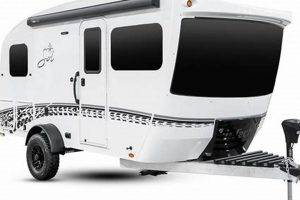
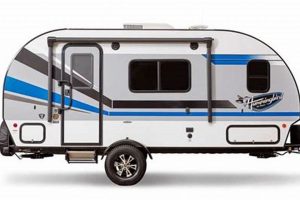
A recreational vehicle with a dry weight of less than 3000 pounds is designed for towing by a wide range of vehicles, including many SUVs and smaller trucks. This weight classification generally encompasses compact units featuring essential amenities such as sleeping quarters, a kitchenette, and basic sanitary facilities. Examples include teardrop trailers, small pop-up campers, and lightweight hard-sided models.
The significance of a lower weight lies in enhanced fuel efficiency during travel, reduced strain on the tow vehicle, and increased accessibility to campgrounds with size or weight restrictions. Historically, these lighter options have provided an entry point to the RV lifestyle for individuals and families seeking affordability and ease of use. Their compact nature also simplifies storage and maneuverability.
The subsequent sections will delve into specific models within this weight class, examining their features, floor plans, and suitability for various travel needs. The discussion will also address considerations for selecting a tow vehicle and essential safety precautions for towing a recreational vehicle of this type.
Tips for Selecting a Lightweight Recreational Vehicle
The following provides guidance for individuals considering a recreational vehicle within the specified weight parameters, focusing on informed decision-making and practical considerations.
Tip 1: Determine Tow Vehicle Capacity: Prior to purchase, verify the tow vehicle’s maximum towing capacity. Exceeding this limit can compromise safety and vehicle performance. Consult the vehicle’s owner’s manual and consider factors such as passengers and cargo.
Tip 2: Evaluate Floor Plan and Amenities: Assess individual travel needs and desired amenities. Smaller units may offer limited space and features. Prioritize essential requirements such as sleeping arrangements, cooking facilities, and storage capacity.
Tip 3: Inspect Construction Quality: Examine the build quality, including materials, seams, and weatherproofing. Look for reputable manufacturers known for durability and longevity. Address any potential weaknesses before purchase.
Tip 4: Consider Aerodynamics: Aerodynamic design can improve fuel efficiency and towing stability. Models with rounded profiles and reduced wind resistance offer potential benefits during travel.
Tip 5: Review Weight Distribution: Understand the importance of proper weight distribution for safe towing. Ensure cargo is loaded evenly to prevent swaying and maintain vehicle control. Invest in a weight distribution hitch if necessary.
Tip 6: Plan for Storage: Account for storage needs when not in use. Smaller units may require specific storage solutions due to limited space availability. Consider climate control options to prevent damage during prolonged storage periods.
Tip 7: Understand Maintenance Requirements: Research the maintenance schedule and associated costs. Regular servicing, including tire checks, brake inspections, and sealant maintenance, is crucial for long-term reliability.
Selecting the appropriate lightweight recreational vehicle requires careful evaluation of tow vehicle capabilities, individual travel needs, and vehicle specifications. Prioritizing safety, durability, and practical functionality ensures a positive travel experience.
The subsequent sections will provide insights into popular models and accessories that complement this particular class of recreational vehicle, offering additional resources for informed decision-making.
1. Tow Vehicle Compatibility

The selection of a recreational vehicle with a dry weight under 3000 pounds necessitates meticulous attention to tow vehicle compatibility. A mismatch between the trailer’s weight and the tow vehicle’s capacity directly impacts safety and performance. Towing beyond the vehicle’s rated limit compromises braking efficiency, steering control, and overall stability, particularly in adverse weather conditions or challenging terrains. For example, attempting to tow even a lightweight travel trailer with a vehicle rated for a significantly lower weight could result in trailer sway, increased stopping distances, and potential mechanical damage to both vehicles. Conversely, adequate tow vehicle compatibility ensures a safe and comfortable towing experience, preserving the longevity of both the trailer and the vehicle.
Factors contributing to tow vehicle compatibility extend beyond maximum weight capacity. The vehicle’s engine power, transmission type, axle ratio, and suspension system all play crucial roles. Vehicles with lower horsepower engines may struggle to maintain speed on inclines, leading to excessive fuel consumption and potential engine overheating. Inappropriate axle ratios can exacerbate this issue. Furthermore, the vehicle’s tow package, if equipped, often includes essential features such as upgraded cooling systems and reinforced hitches, designed to handle the added stress of towing. Neglecting these specifications can lead to premature wear and tear on vehicle components.
In summary, confirming tow vehicle compatibility is not merely a recommendation but a fundamental requirement for the safe and effective operation of a recreational vehicle under 3000 pounds. Overlooking this crucial aspect increases the risk of accidents, mechanical failures, and compromised safety for all occupants. Therefore, consulting the vehicle manufacturer’s specifications, weighing the trailer when loaded, and conducting a thorough assessment of the tow vehicle’s capabilities are essential steps in ensuring a compatible and secure towing setup.
2. Floor Plan Efficiency

Floor plan efficiency is paramount in travel trailers under 3000 lbs due to the inherent space limitations. Maximizing usable space within a compact footprint is crucial for comfort and functionality.
- Multi-Purpose Furniture
Convertible furniture, such as dinettes that transform into beds or ottomans with hidden storage, maximizes utility. This reduces redundancy and frees up valuable floor space within the limited confines of these smaller recreational vehicles. For example, a dinette designed to convert quickly into a sleeping area eliminates the need for a dedicated bed, providing seating during the day and sleeping accommodations at night.
- Vertical Storage Solutions
Utilizing vertical space through tall, narrow cabinets and shelving units is critical. This approach capitalizes on unused space above eye level, offering storage for items that might otherwise clutter the limited floor area. An example would be installing shelving above the kitchenette area for storing non-perishable food items or cookware.
- Compact Appliance Integration
Selecting appropriately sized appliances is essential. Manufacturers often incorporate smaller refrigerators, combination cooktops/sinks, and compact water heaters to minimize bulk and maximize available counter space. A smaller refrigerator, for instance, consumes less space while still providing adequate cold storage for short trips.
- Open Layout Design
An open floor plan, where the living and kitchen areas flow seamlessly together, creates a sense of spaciousness. Avoiding unnecessary walls and partitions helps to visually expand the interior, making the trailer feel less cramped. For example, eliminating a wall between the kitchenette and the sleeping area can significantly improve the feeling of openness.
These facets of floor plan efficiency directly impact the livability of a travel trailer under 3000 lbs. Thoughtful design and careful consideration of space utilization can transform a potentially cramped environment into a comfortable and functional travel space.
3. Weight Distribution

Weight distribution is a critical safety consideration when towing any trailer, particularly for travel trailers with a dry weight under 3000 lbs. Proper weight distribution ensures stable handling, prevents swaying, and maximizes braking efficiency. Imbalances can lead to dangerous situations, even with lighter trailers.
- Tongue Weight Management
Tongue weight, the downward force exerted by the trailer hitch on the tow vehicle, should ideally be between 10% and 15% of the trailer’s loaded weight. Insufficient tongue weight can cause trailer sway, while excessive tongue weight can overload the tow vehicle’s rear axle. For example, a 2500 lb trailer should ideally have a tongue weight between 250 and 375 lbs. Accurate measurement using a tongue weight scale is essential to ensure it falls within the recommended range.
- Load Placement Optimization
Strategic placement of cargo within the travel trailer significantly impacts weight distribution. Heavy items should be positioned low and close to the trailer’s axle to minimize their effect on stability. Avoid placing heavy items at the front or rear, as this can exacerbate tongue weight issues or contribute to swaying. For instance, storing water tanks or batteries near the axle improves stability compared to positioning them at the front.
- Weight Distribution Hitches (When Necessary)
While not always required for lighter trailers, weight distribution hitches can improve handling, especially when towing with smaller vehicles or when the trailer is heavily loaded. These hitches distribute the tongue weight more evenly across the tow vehicle’s axles, reducing rear-end sag and improving steering control. Their effectiveness depends on careful setup and adjustment to match the specific trailer and tow vehicle combination.
- Regular Weight Monitoring
Periodically checking the trailer’s loaded weight and tongue weight is crucial, particularly after adding or removing cargo. Changes in load can significantly alter weight distribution and compromise stability. Utilizing public scales or portable weighing devices ensures accurate measurement and allows for necessary adjustments to load placement or hitch setup.
By understanding and actively managing weight distribution principles, owners of travel trailers under 3000 lbs can significantly enhance their towing safety and overall travel experience. Implementing these practices is not just a suggestion but a fundamental aspect of responsible trailer ownership.
4. Storage Solutions

Storage solutions are a critical aspect of owning a recreational vehicle with a dry weight under 3000 lbs. The limited interior space inherent in these smaller trailers necessitates creative and efficient storage strategies to maximize functionality and comfort. Effective storage solutions are essential for organizing belongings, minimizing clutter, and ensuring a pleasant travel experience.
- Multi-Functional Furniture
Furniture designed with integrated storage compartments is a primary strategy. Ottomans with hinged lids, benches with drawers, and beds with under-bed storage areas provide concealed storage for clothing, bedding, and other essential items. The implementation of such designs allows for the efficient utilization of space that would otherwise be unoccupied, maintaining a more organized interior environment.
- Vertical Storage Systems
Exploiting vertical space is crucial in small recreational vehicles. Tall, narrow cabinets, shelving units, and over-the-door organizers maximize storage capacity without consuming valuable floor space. These systems facilitate the organization of items such as kitchenware, toiletries, and personal belongings, preventing clutter and optimizing accessibility.
- Collapsible and Nesting Items
Collapsible bowls, nesting cookware sets, and folding storage bins are valuable for conserving space when not in use. These items can be easily stowed away, freeing up room for other activities. Their compact nature ensures that storage space is used efficiently, especially in the kitchenette and cargo areas.
- Exterior Storage Compartments
Many lightweight travel trailers incorporate exterior storage compartments for larger items such as camping gear, tools, and outdoor equipment. These compartments provide convenient access to essential items while minimizing clutter inside the living space. Proper organization within these compartments is still necessary to maximize their capacity and prevent shifting during transit.
The implementation of effective storage solutions directly impacts the overall functionality and livability of a travel trailer under 3000 lbs. By prioritizing space-saving designs and organizational strategies, owners can optimize the use of limited space, ensuring a comfortable and enjoyable travel experience.
5. Durability Factors

The correlation between durability factors and travel trailers under 3000 lbs is significant, primarily due to the inherent design and material constraints associated with achieving a low weight. Lighter materials, while essential for towability, can compromise structural integrity if not carefully selected and integrated. Therefore, understanding the durability aspects becomes paramount for ensuring longevity and minimizing maintenance costs. For example, a trailer constructed with lightweight but poorly treated wood is more susceptible to water damage and rot, leading to premature structural failure. Conversely, a trailer utilizing a robust aluminum frame and composite sidewalls, despite the weight constraints, demonstrates enhanced resistance to environmental factors and physical stress.
The practical implications of durability factors are evident in the longevity and resale value of these trailers. A well-maintained, durable trailer retains its value more effectively than one that exhibits signs of wear and tear due to inferior materials or construction. For example, a trailer with a fiberglass exterior and a properly sealed roof will resist fading and water intrusion, maintaining its aesthetic appeal and structural soundness over time. Furthermore, the choice of components, such as axles, suspension systems, and appliances, significantly impacts the overall durability. Upgrading to heavy-duty axles or selecting appliances known for their reliability can extend the lifespan of the trailer and reduce the likelihood of costly repairs.
In summary, durability factors are not merely considerations but essential determinants of the long-term value and usability of travel trailers under 3000 lbs. The careful selection of materials, robust construction techniques, and diligent maintenance practices are crucial for maximizing the lifespan and minimizing the operational costs of these lightweight recreational vehicles. Understanding these factors allows owners to make informed purchasing decisions and implement preventative measures, ultimately enhancing the overall travel experience.
6. Fuel Economy
The connection between fuel economy and a recreational vehicle under 3000 lbs is direct and significant. The lighter weight of the trailer directly translates to reduced strain on the tow vehicle’s engine. This diminished load necessitates less power output to maintain a given speed, resulting in improved fuel efficiency compared to towing heavier trailers. For example, towing a 2800 lb trailer with a mid-size SUV will generally yield better mileage than towing a 5000 lb trailer with the same vehicle, often by several miles per gallon. The practical implication is reduced fuel costs over the course of a trip, making this type of trailer a more economical choice for frequent travelers or those on a budget.
Beyond the weight itself, the aerodynamic profile of the trailer contributes significantly to fuel economy. Streamlined designs reduce wind resistance, further minimizing the energy required to overcome drag. Consider, for instance, two trailers both weighing 2900 lbs, but one with a rounded front and smooth sides and the other with a boxy shape. The former will typically exhibit superior fuel economy due to its reduced aerodynamic drag. Practical applications of this understanding include selecting trailers with lower profiles, avoiding unnecessary exterior attachments that increase drag, and maintaining appropriate tire inflation on both the tow vehicle and the trailer to minimize rolling resistance.
In conclusion, fuel economy is a crucial advantage associated with trailers below the specified weight threshold. Lower weight and optimized aerodynamics combine to reduce fuel consumption during towing. This translates to lower operational costs and a more environmentally responsible travel experience. However, variations in tow vehicle, driving conditions, and load distribution can influence the actual fuel economy achieved. Recognizing these factors allows for informed decisions regarding trailer selection and towing practices, maximizing fuel efficiency and minimizing expenses.
Frequently Asked Questions
The following addresses common inquiries regarding recreational vehicles with a dry weight below 3000 pounds, providing factual answers and clarifying prevalent misconceptions.
Question 1: Are “travel trailers under 3000 lbs” safe to tow with a smaller SUV?
Towing safety depends primarily on matching the trailer weight to the tow vehicle’s rated capacity. A smaller SUV can tow a trailer of this weight class, provided that the vehicle’s published towing capacity, as specified by the manufacturer, exceeds the loaded weight of the trailer (including cargo and fluids). Exceeding this limit compromises braking, handling, and overall safety.
Question 2: Do “travel trailers under 3000 lbs” have bathrooms?
Some models within this weight class include bathrooms, often incorporating a combined toilet and shower (wet bath). However, the size and amenities will be more limited compared to larger trailers. Other models may only have a toilet or a provision for a portable toilet. Detailed specifications should be reviewed before purchase to confirm the presence and features of the sanitary facilities.
Question 3: What kind of features are typically included in “travel trailers under 3000 lbs”?
Typical features include sleeping quarters (often convertible dinettes or dedicated beds), a kitchenette with a sink, cooktop (typically two burners), and a small refrigerator. Some models include heating and air conditioning, while others may offer these as optional upgrades. Storage space is often limited, requiring efficient packing and organization.
Question 4: How much do “travel trailers under 3000 lbs” typically cost?
The price range varies depending on the manufacturer, features, and condition (new vs. used). New models can range from approximately $10,000 to $30,000 or more. Used models may be available for considerably less, depending on their age and condition. Thorough inspection is recommended when purchasing a used trailer.
Question 5: Is it possible to live full-time in a “travel trailer under 3000 lbs”?
While technically possible, full-time living in a smaller trailer requires significant downsizing and adaptation. The limited space and storage capacity may pose challenges for extended stays. Consider factors such as climate control, bathroom facilities, and access to necessary amenities (laundry, etc.) before committing to full-time occupancy.
Question 6: Do “travel trailers under 3000 lbs” require special licenses or permits?
Licensing and permit requirements vary by jurisdiction. Some states require a separate license endorsement if the combined weight of the tow vehicle and trailer exceeds a certain threshold. It is imperative to research the specific regulations in the state of residence and any states through which travel is planned.
In summary, travel trailers in this weight class offer a compromise between towability and functionality. Careful consideration of tow vehicle compatibility, desired features, and individual travel needs is essential for making an informed purchasing decision.
The subsequent sections will provide information to maintain and upkeep Travel Trailer Under 3000 lbs.
Conclusion
The preceding sections have explored the multifaceted considerations surrounding recreational vehicles with a dry weight below 3000 pounds. The analysis encompassed aspects ranging from tow vehicle compatibility and floor plan efficiency to weight distribution, storage solutions, durability factors, and fuel economy. A thorough understanding of these elements is paramount for informed purchasing decisions and safe operation.
The selection and utilization of a “travel trailer under 3000 lbs” necessitates careful evaluation of individual needs and vehicle capabilities. Prioritizing safety, adhering to weight restrictions, and maintaining proper maintenance protocols are essential for realizing the benefits of this class of recreational vehicle. Future advancements in materials and design may further enhance the efficiency and functionality of these compact travel solutions.


![RV Travel Trailer Blinds: Best Blinds for Trailers [2024] | Best Travel Tips for Adventurers: Explore the World on a Budget](https://detravellers.com/wp-content/uploads/2026/05/th-128-300x200.jpg "RV Travel Trailer Blinds: Best Blinds for Trailers [2024] Best Travel Tips for Adventurers: Explore the World on a Budget")