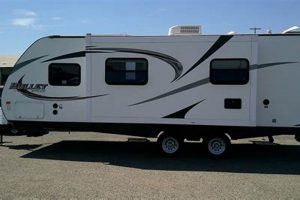
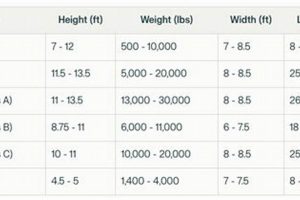
The process of constructing a recreational vehicle intended for towing behind a car or truck is a multifaceted undertaking. This endeavor involves designing, sourcing materials, and assembling a mobile living space to specific size, weight, and amenity specifications.
Successfully completing such a project yields significant advantages, including customization, potential cost savings compared to purchasing a manufactured model, and the satisfaction derived from a hands-on construction experience. Historically, individuals have undertaken such projects to create personalized travel solutions, adapting designs to suit their specific needs and budgetary constraints.
Understanding the fundamental steps, from initial design considerations to the final inspection, is critical for a successful build. The subsequent sections will delve into key areas, including chassis selection, framing techniques, electrical and plumbing systems, and interior finishing, providing a comprehensive overview of the build process.
Essential Considerations for Travel Trailer Construction
The construction of a recreational towable necessitates meticulous planning and adherence to established building principles. The following considerations are crucial for a successful and safe outcome.
Tip 1: Chassis Selection: The foundation of the structure requires a properly rated chassis. Consider the anticipated gross vehicle weight rating (GVWR) and ensure the selected chassis provides adequate support and towing capacity. Exceeding the chassis’s capacity compromises safety and structural integrity.
Tip 2: Framing Material: Framing materials, such as wood or metal, should be chosen based on their strength-to-weight ratio and resistance to environmental factors. Wood requires treatment to prevent rot and insect infestation, while metal frames benefit from rust-resistant coatings.
Tip 3: Weight Distribution: Proper weight distribution is critical for safe towing. Heavy components, such as water tanks and batteries, should be strategically positioned to maintain a balanced load and prevent sway. Consultation with a weight distribution specialist may be beneficial.
Tip 4: Electrical System Design: A well-designed electrical system should accommodate anticipated power needs and comply with relevant safety codes. Use appropriately sized wiring and install circuit protection devices to prevent overloads and electrical hazards. Consider incorporating renewable energy sources for off-grid capabilities.
Tip 5: Plumbing System Installation: Ensure that the plumbing system is designed to prevent leaks and freezing. Use appropriate pipe materials and secure all connections. Incorporate a water filtration system to improve water quality.
Tip 6: Insulation: Adequate insulation is essential for maintaining a comfortable interior temperature and minimizing energy consumption. Choose insulation materials based on their R-value and resistance to moisture. Proper sealing is crucial to prevent air leaks.
Tip 7: Ventilation: Adequate ventilation is crucial for preventing moisture buildup and maintaining air quality. Incorporate roof vents, windows, and fans to promote airflow. Consider installing a dehumidifier in humid climates.
Implementing these tips contributes to a safer, more durable, and more enjoyable finished product. By carefully considering each aspect of the build process, a higher quality and more functional recreational vehicle can be achieved.
The subsequent section will explore the regulatory compliance and safety inspection aspects associated with home-built towables.
1. Design specifications

Design specifications form the foundational blueprint for recreational towable construction. They dictate the dimensions, layout, material usage, and systems integration of the mobile structure. A failure to establish comprehensive specifications prior to construction invariably leads to inefficiencies, increased costs, and potential safety compromises. For example, unclear specifications regarding the placement of water tanks can result in unbalanced weight distribution, making the recreational towable difficult and dangerous to tow. Similarly, inadequately defined electrical load calculations can lead to an undersized electrical system, restricting the use of essential appliances.
The real-world impact of design specifications extends beyond functional considerations. Detailed schematics and engineering drawings facilitate accurate material estimation, minimizing waste and reducing overall project expenses. Moreover, precise specifications simplify the construction process, allowing for standardized procedures and reducing the likelihood of errors. As an example, detailed framing plans, including dimensions and joint types, drastically reduce the time required for assembly and improve the structural integrity of the frame. Furthermore, design specifications serve as a critical reference point throughout the project, ensuring consistency and adherence to the initial vision.
In summary, design specifications are not merely a preliminary step but a governing framework that guides every aspect of recreational towable construction. Challenges arise when specifications are incomplete, ambiguous, or not adhered to during the build process. However, by prioritizing detailed and realistic specifications, builders can mitigate risks, optimize resource allocation, and achieve a structurally sound and functionally efficient outcome. The specifications directly influence the quality, cost, and ultimate safety of the resulting recreational towable, highlighting their paramount importance.
2. Chassis integrity

Chassis integrity is fundamental to the safe and reliable construction of a recreational towable. It refers to the structural soundness and load-bearing capacity of the frame upon which the entire structure is built. Compromised chassis integrity poses significant safety risks and reduces the lifespan of the vehicle. The chassis must withstand dynamic forces encountered during travel, including torsion, vibration, and impact.
- Material Strength and Selection
The material composition of the chassis directly affects its ability to withstand stress. Steel is commonly employed due to its high tensile strength; however, aluminum alloys offer a lighter weight alternative, albeit potentially with reduced strength for a given cross-section. Proper material selection must account for anticipated loads and environmental conditions, such as corrosion. For instance, a steel chassis exposed to saltwater environments requires specialized coatings to prevent rust and maintain structural integrity.
- Welding and Joint Integrity
Welding is a critical process in chassis construction, and the quality of welds directly impacts the overall strength. Improper welding techniques can introduce stress concentrations and weaken the structure. Similarly, bolted joints must be properly tightened and maintained to prevent loosening and potential failure. Regular inspections of welds and joints are essential to identify and address any signs of cracking or corrosion before they compromise the chassis’s integrity.
- Load Distribution and Support
The chassis design must ensure that the load is distributed evenly across the frame to prevent localized stress concentrations. Crossmembers and outriggers provide additional support and distribute weight effectively. Failure to properly distribute the load can result in frame bending or cracking, particularly under heavy loads or during rough road conditions. Proper planning for the location of heavy components, such as water tanks and appliances, is crucial.
- Axle and Suspension Integration
The axles and suspension system are integral to chassis integrity, as they absorb shocks and vibrations from the road. Mismatched axles or a poorly designed suspension system can overload the chassis and compromise its structural integrity. Proper alignment of the axles is also essential to ensure even tire wear and prevent excessive stress on the frame. Regular maintenance of the suspension components is necessary to maintain optimal performance and prevent damage to the chassis.
The facets discussed above contribute to ensuring a robust chassis when constructing a recreational towable. The choice of construction materials, welding standards, weight distribution and suspension of axles, are essential to follow. Without a strong chassis, the build will be unsafe. As such, it’s imperative to prioritize engineering and compliance when constructing a recreational towable.
3. Material selection

The selection of appropriate materials is a critical determinant in the success and longevity of any recreational towable construction project. Material properties directly impact structural integrity, weight, insulation efficiency, and resistance to environmental factors. An informed decision-making process regarding material choices is therefore essential for achieving a safe, durable, and functional outcome.
- Framing Materials and Structural Integrity
Framing constitutes the skeleton of the towable and necessitates materials with high strength-to-weight ratios. Options include wood (typically softwood lumber), steel (various gauges and profiles), and aluminum (extruded or welded). Wood offers ease of workability and cost-effectiveness but requires treatment to prevent rot and insect infestation. Steel provides superior strength but adds significant weight. Aluminum offers a balance of strength and weight reduction but can be more complex to weld. The choice of framing material dictates construction techniques and overall structural capacity.
- Exterior Cladding and Weather Resistance
Exterior cladding protects the towable from the elements. Common materials include aluminum siding, fiberglass reinforced plastic (FRP), and composite panels. Aluminum is lightweight and durable but susceptible to dents. FRP offers excellent weather resistance and impact strength. Composite panels combine multiple materials to optimize strength, insulation, and aesthetics. The cladding material must be resistant to UV degradation, moisture intrusion, and physical damage.
- Insulation Materials and Thermal Efficiency
Insulation plays a crucial role in maintaining a comfortable interior environment and reducing energy consumption. Options include fiberglass batts, rigid foam boards, and spray foam insulation. Fiberglass is cost-effective but prone to moisture absorption. Rigid foam provides superior insulation and moisture resistance but can be more expensive. Spray foam offers excellent sealing and insulation properties but requires professional installation. Proper insulation minimizes heat transfer and condensation, improving overall comfort and energy efficiency.
- Interior Finishes and Aesthetics
Interior finishes contribute to the overall comfort and aesthetics of the towable. Materials such as plywood, laminate flooring, and vinyl wall coverings are commonly used. Plywood provides a stable substrate for cabinetry and furniture. Laminate flooring offers durability and ease of cleaning. Vinyl wall coverings are lightweight and easy to maintain. The selection of interior finishes should prioritize durability, weight, and resistance to moisture and wear.
These material considerations underscore the intricate relationship between material attributes and the resulting functionality, structural integrity, and comfort of the constructed towable. A comprehensive understanding of material properties and their impact on overall performance is paramount for realizing a successful recreational towable construction project. Therefore, it is essential to compare materials for the appropriate use.
4. System integration
Effective system integration is paramount to the successful construction of a recreational towable. This involves the seamless coordination and interconnection of various subsystems to ensure optimal functionality and safety. The absence of proper system integration can lead to inefficiencies, malfunctions, and potentially hazardous conditions within the completed structure.
- Electrical System Integration
The electrical system, encompassing wiring, power distribution, and appliance connections, demands meticulous integration. It must accommodate varying power requirements, adhere to safety standards, and support potential renewable energy sources. For example, integrating solar panels requires a charge controller, inverter, and appropriately sized battery bank. Inadequate integration can result in power overloads, electrical fires, or inconsistent performance of appliances.
- Plumbing System Integration
The plumbing system involves the interconnection of water tanks, pumps, fixtures, and drainage lines. Proper integration necessitates leak-proof connections, appropriate pipe sizing, and freeze protection. Integrating a water heater requires considering venting requirements and proximity to flammable materials. Failure to properly integrate the plumbing system can lead to water damage, unsanitary conditions, and compromised structural integrity.
- HVAC System Integration
Heating, ventilation, and air conditioning (HVAC) systems require integration with the towable’s structural and electrical components. Ductwork must be properly routed and insulated to ensure efficient airflow. Integrating an air conditioner requires adequate power supply and consideration of condensation drainage. Improper HVAC integration can result in uneven temperature distribution, energy inefficiencies, and potential mold growth.
- Safety System Integration
Safety systems, including smoke detectors, carbon monoxide detectors, and propane leak detectors, must be seamlessly integrated into the towable’s electrical system. These devices require reliable power sources and strategic placement to ensure timely detection of hazardous conditions. Integrating a propane system requires adherence to safety regulations and leak testing procedures. Failure to properly integrate safety systems can compromise the occupants’ well-being and increase the risk of accidents.
Collectively, these system integrations demonstrate the interconnectedness of various subsystems within the construction of a recreational towable. Successfully incorporating these elements is essential to create a recreational towable.
5. Weight management
Weight management constitutes a critical aspect of recreational towable construction, directly impacting safety, fuel efficiency, and the lifespan of both the towable and the towing vehicle. Adhering to weight limitations established by manufacturers and regulatory bodies is paramount for preventing accidents and ensuring legal compliance. Disregarding weight considerations can result in compromised handling, increased braking distances, and potential structural failure.
- Material Selection and Weight Optimization
The selection of construction materials exerts a significant influence on the overall weight of the towable. Opting for lightweight alternatives, such as aluminum framing or composite panels, can substantially reduce the empty weight. However, such decisions must be carefully balanced against considerations of structural strength and durability. For instance, while aluminum framing offers weight savings, it may necessitate thicker profiles or additional reinforcement to achieve comparable strength to steel. The strategic use of lightweight materials, coupled with efficient design, contributes to minimizing the overall weight while maintaining structural integrity. Careful comparison of materials is essential to proper integration.
- Component Placement and Weight Distribution
The positioning of heavy components, such as water tanks, batteries, and appliances, profoundly affects the weight distribution within the towable. Uneven weight distribution can lead to instability, particularly at higher speeds or during crosswinds. Concentrating weight towards the rear of the towable can induce sway, making it difficult to control. Strategic placement of these components, ideally centered over the axles, promotes balanced weight distribution and enhances stability. Careful planning and adherence to weight distribution guidelines are essential for ensuring safe towing characteristics. Without these factors being considered, accidents are more likely to occur.
- Load Capacity and GVWR Compliance
The Gross Vehicle Weight Rating (GVWR) represents the maximum permissible weight of the fully loaded towable, including all cargo, passengers, and fluids. Exceeding the GVWR places undue stress on the chassis, axles, and suspension, potentially leading to structural failure. Careful consideration of the anticipated load and adherence to the GVWR are crucial for safe operation. Regularly weighing the towable at a certified scale helps ensure compliance with weight limitations and allows for adjustments as needed. It’s better to be safe than sorry.
- Minimizing Unnecessary Weight
Eliminating non-essential items and streamlining the design can contribute to weight reduction. Avoiding excessive ornamentation, opting for multi-functional components, and carefully assessing storage needs can help minimize unnecessary weight. Carrying only the essential gear and supplies reduces the overall load and improves fuel efficiency. Regular audits of the towable’s contents can identify items that are no longer needed, further contributing to weight reduction. Furthermore, it’s always a good idea to remove unneeded parts when doing repairs or alterations. Lighter towables can improve fuel efficiency and reduce wear on towing vehicles.
These facets underscore the interconnectedness of weight management strategies and their impact on the overall safety, performance, and longevity of recreational towables. Comprehensive attention to these factors during the design and construction phases is essential for achieving a safe, efficient, and legally compliant mobile living space. Moreover, even if no construction occurs, these tips will increase the safety of existing towables.
6. Regulatory compliance

Regulatory compliance represents an indispensable element in the process of recreational towable construction. The act of building such a vehicle precipitates a series of legal and safety obligations that must be meticulously addressed to ensure both roadworthiness and the protection of occupants and other road users. Failure to adhere to these established regulations can result in significant legal ramifications, including fines, vehicle impoundment, and civil liability in the event of an accident. For instance, improperly installed electrical systems, non-compliant lighting, or failure to meet minimum safety standards can all lead to legal penalties and jeopardize the safety of individuals.
The implications of regulatory non-compliance extend beyond legal penalties, directly impacting the insurability and resale value of the constructed towable. Insurance companies often require proof of compliance with relevant safety standards before providing coverage. A towable built without proper adherence to regulations may be deemed uninsurable, leaving the owner exposed to financial risk in the event of an accident or damage. Additionally, potential buyers are likely to scrutinize the construction process and compliance documentation before making a purchase, significantly reducing the resale value of a non-compliant vehicle. Successfully navigating these regulations is, therefore, not merely a legal formality but a critical component of safeguarding the owner’s investment and ensuring the long-term viability of the constructed towable. Specifically, the regulations may vary depending on the location the towable is made, or where it will be used.
In summary, regulatory compliance is not an optional consideration but an integral aspect of recreational towable construction. Adhering to these regulations is essential for ensuring the safety of the vehicle, protecting the occupants, and avoiding legal and financial repercussions. The practical significance of understanding and implementing these standards cannot be overstated, as it directly influences the safety, insurability, and resale value of the completed towable. As such, the best course of action, before building a recreational towable, is to research and understand the applicable laws. A failure to do so will likely result in monetary or physical damage.
Frequently Asked Questions
This section addresses common inquiries and misconceptions surrounding the process of constructing a recreational towable. Information provided is intended to offer clarity and guidance on various aspects of the build.
Question 1: Is it permissible to construct a recreational towable without adhering to specific design plans?
Deviation from established design plans is generally discouraged. Utilizing pre-existing, engineered plans provides a validated framework for structural integrity, weight distribution, and system integration. Improvisation without proper engineering analysis can compromise safety and functionality.
Question 2: What are the minimum safety standards that a home-built recreational towable must meet?
Minimum safety standards vary depending on the jurisdiction. However, core requirements typically include compliant lighting, braking systems, electrical wiring, and propane system installation. Consulting local regulations and obtaining necessary inspections is imperative.
Question 3: What type of chassis is most suitable for recreational towable construction?
The appropriate chassis depends on the anticipated gross vehicle weight rating (GVWR) and intended use. A professionally engineered chassis, specifically designed for recreational towable applications, is recommended. Salvaged or modified chassis require thorough inspection and validation to ensure structural integrity.
Question 4: How does one ensure proper weight distribution in a home-built recreational towable?
Proper weight distribution necessitates strategic placement of heavy components, such as water tanks and batteries, centered over the axles. Weighing the towable at a certified scale and consulting with a weight distribution specialist are advisable for verifying compliance with weight limitations and ensuring stability.
Question 5: What are the implications of exceeding the Gross Vehicle Weight Rating (GVWR) of a recreational towable?
Exceeding the GVWR places undue stress on the chassis, axles, and suspension, potentially leading to structural failure, compromised handling, and increased braking distances. Furthermore, operating a towable exceeding the GVWR constitutes a legal violation.
Question 6: What type of insurance coverage is required for a home-built recreational towable?
Insurance requirements vary depending on the jurisdiction and intended use. However, comprehensive coverage, encompassing liability, collision, and theft, is generally recommended. Contacting an insurance provider specializing in recreational vehicles is advisable to determine appropriate coverage levels.
This FAQ section provides a foundational understanding of common concerns. Consulting with qualified professionals and adhering to local regulations is strongly recommended throughout the construction process.
The subsequent section will provide a summary and concluding remarks.
Concluding Remarks
This exposition has explored critical facets of recreational towable construction, emphasizing the importance of design specifications, chassis integrity, material selection, system integration, weight management, and regulatory compliance. These elements collectively determine the safety, durability, and functionality of the finished structure. A comprehensive understanding of these factors is essential for mitigating risks and achieving a successful build.
The decision to undertake such a project necessitates a thorough assessment of skills, resources, and regulatory obligations. Prudent planning, adherence to established building principles, and consultation with qualified professionals are paramount for realizing a safe and legally compliant mobile living space. The information presented herein serves as a foundation for informed decision-making, encouraging prospective builders to prioritize safety and regulatory adherence throughout the construction process.