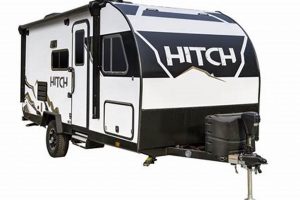
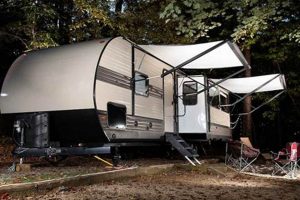
An essential item for a recreational vehicle is any piece of equipment or accessory considered vital for the safety, convenience, or functionality of the unit during travel and camping. Examples range from basic safety devices to comfort-enhancing additions, depending on the travelers needs and priorities.
The presence of these elements contributes significantly to a secure and enjoyable travel experience. Historically, their role has evolved alongside advancements in recreational vehicle technology, mirroring a growing emphasis on self-sufficiency and comfort while traversing diverse landscapes. Their necessity stems from the unique challenges and opportunities presented by mobile living.
Consequently, considerations must include essential safety provisions, functional camping necessities, convenience upgrades, and maintenance-related components. A review of these categories allows for a more structured understanding of equipping a recreational vehicle for optimal use.
Equipping a Travel Trailer
The selection of necessary equipment significantly impacts the safety, comfort, and overall functionality of a travel trailer. Careful consideration of specific needs and travel style is critical. The following recommendations serve as a guide for equipping a recreational vehicle effectively.
Tip 1: Invest in a Reliable Hitch and Sway Control System. Proper weight distribution and sway mitigation are crucial for safe towing. Select a hitch rated for the trailer’s weight and consider a sway control system for enhanced stability, particularly in windy conditions or during emergency maneuvers.
Tip 2: Prioritize Tire Pressure Monitoring. Consistent tire pressure monitoring is vital for preventing blowouts and maximizing fuel efficiency. A tire pressure monitoring system (TPMS) provides real-time data, alerting the operator to deviations from recommended levels.
Tip 3: Ensure Adequate Power Management. Evaluate power needs and select an appropriate combination of generators, solar panels, and battery storage. Consider a surge protector to safeguard electronic devices from voltage fluctuations at campgrounds.
Tip 4: Equip with a Comprehensive Emergency Kit. A well-stocked emergency kit should include first-aid supplies, jumper cables, tools, a flashlight, reflective triangles, and a fire extinguisher. Regular inspection and replenishment of the kit are essential.
Tip 5: Implement Water Filtration Solutions. Access to clean water is essential. Employ a multi-stage water filtration system to remove sediment, bacteria, and other contaminants from campground water sources.
Tip 6: Incorporate Leveling Blocks and Wheel Chocks. Consistent leveling is crucial for appliance operation and comfort. Leveling blocks and wheel chocks provide a stable and secure platform for parking on uneven terrain.
Tip 7: Carry a Black Tank Flush System. Regular cleaning of the black water tank is essential for preventing clogs and odors. A black tank flush system simplifies this process, ensuring proper sanitation.
By addressing these key considerations, recreational vehicle owners can enhance the safety, reliability, and enjoyment of their travel experiences. Prioritizing these measures minimizes potential disruptions and maximizes the benefits of mobile living.
These considerations lead to a discussion of maintaining these elements for long-term use.
1. Safety Protocols

Safety protocols represent a cornerstone element of responsible travel trailer ownership. Their integration into the planning and execution of trips directly impacts the well-being of occupants and the protection of property. The following examines critical facets of these protocols and their essential role in operating a recreational vehicle.
- Fire Prevention and Detection
The installation and regular maintenance of smoke detectors and carbon monoxide detectors are paramount. These devices provide early warnings of potentially life-threatening situations. Additionally, possessing a readily accessible fire extinguisher and understanding its proper usage is vital for suppressing small fires before they escalate. Real-world examples demonstrate that timely detection and intervention significantly reduce fire-related injuries and property damage.
- Emergency Communication and Navigation
Ensuring reliable communication capabilities is crucial, particularly in remote areas where cellular service may be limited. A satellite communication device or a two-way radio can provide a lifeline in emergencies. Furthermore, possessing updated maps, a GPS navigation system, and the knowledge to use them effectively contributes significantly to avoiding navigational hazards and ensuring a safe return.
- Secure Towing Practices
Adherence to recommended towing practices minimizes the risk of accidents. This includes proper weight distribution, regular inspection of hitch components, and the use of appropriate safety chains and breakaway cables. Understanding trailer braking systems and adjusting driving habits to accommodate the increased weight and length of the combined vehicle is equally critical. Cases of improper towing have consistently shown increased accident rates.
- First Aid and Medical Preparedness
A comprehensive first-aid kit tailored to the specific needs of the travelers is an indispensable component. Knowledge of basic first-aid procedures and the ability to address common injuries or illnesses that may arise during travel can significantly impact outcomes. Furthermore, awareness of any pre-existing medical conditions within the group and carrying necessary medications and medical documentation is essential for managing health emergencies effectively.
These facets of safety protocols are integral to establishing a secure environment within a travel trailer. Their proactive implementation, from initial planning to ongoing maintenance, underscores a commitment to prioritizing the well-being of all occupants and mitigating potential risks associated with mobile living. Prioritizing these protocols as an essential investment ensures each journey is as safe as it is enjoyable.
2. Maintenance Tools
Maintenance tools are essential for preserving the functionality and longevity of a travel trailer. Their presence enables timely repairs, preventative care, and mitigation of potential damage, solidifying their status as a critical necessity for travel trailer owners. Without these implements, minor issues can escalate, resulting in substantial repair costs and interrupted travel plans.
- Essential Hand Tools
A comprehensive set of hand tools, including screwdrivers, wrenches, pliers, and sockets, is foundational for addressing basic maintenance tasks. These tools facilitate tightening loose fasteners, replacing worn components, and performing general adjustments. For instance, tightening a loose water connection with a wrench can prevent leaks and potential water damage. The absence of these tools necessitates reliance on external assistance for even minor repairs.
- Electrical Testing Equipment
Multimeters and circuit testers are indispensable for diagnosing electrical problems within the travel trailer. These devices allow for identifying faulty wiring, blown fuses, and malfunctioning components. Early detection of electrical issues prevents potential hazards such as electrical fires and ensures the proper operation of appliances and lighting systems. Real-world scenarios underscore the importance of diagnosing and resolving electrical faults before they lead to irreversible damage.
- Plumbing Maintenance Implements
Plunger, pipe wrench and sealant tape are helpful in addressing plumbing concerns and potential issues, preventing water leakage or water clogging that results in serious damage. Simple repairs can prevent the development of costly water-damage.
- Wheel and Tire Maintenance
A tire pressure gauge, lug wrench, and jack are vital for maintaining tire health and safety. Regular tire pressure checks ensure optimal fuel efficiency and prevent blowouts. The ability to change a flat tire independently minimizes delays and ensures continued mobility. Neglecting tire maintenance can lead to hazardous driving conditions and premature tire wear.
The consistent application of maintenance practices using appropriate tools safeguards the operational integrity of the travel trailer and mitigates the risk of costly repairs. The investment in a comprehensive toolkit yields long-term benefits, enhancing the reliability and enjoyment of the travel trailer experience. Owners should view these items as not just helpful, but as intrinsic for vehicle sustainability.
3. Electrical Management

Electrical management constitutes a critical aspect of travel trailer operation, impacting safety, convenience, and functionality. The ability to effectively manage electrical systems within a recreational vehicle directly determines the usability of appliances, lighting, and other essential amenities. Inadequate electrical management leads to power outages, equipment damage, and potential safety hazards, reinforcing its status as an indispensable consideration.
Effective electrical management encompasses several key components. Accurate assessment of power consumption requirements is paramount, followed by the selection of appropriate power sources, such as generators, solar panels, or shore power connections. Implementing surge protection safeguards sensitive electronic devices from voltage fluctuations, while battery management systems ensure efficient energy storage and utilization. Proper wiring and grounding techniques mitigate the risk of electrical shock and fire hazards. For example, utilizing an incorrectly sized extension cord while connected to shore power may cause overheating and potential fire incidents, underscoring the practical significance of compliant electrical systems.
The integration of electrical management practices into travel trailer usage directly affects the sustainability and enjoyment of the mobile living experience. By addressing power needs strategically and prioritizing safety considerations, owners can maximize the functionality of their recreational vehicles and minimize potential disruptions. The ability to effectively manage electrical systems fosters self-sufficiency and contributes to a more secure and comfortable travel experience, solidifying its position as a cornerstone of essential equipment.
4. Water Purification

Access to potable water constitutes a fundamental requirement for safe and healthy travel trailer usage. Water purification systems, therefore, represent a critical component for ensuring the quality of water sources encountered during travel, solidifying their position as essential equipment.
- Sediment Filtration
Sediment filters remove particulate matter, such as sand, silt, and rust, from water sources. These filters protect downstream components from damage and prevent the introduction of undesirable elements into the water supply. For instance, unfiltered water from a campground well may contain sediments that clog plumbing fixtures and reduce the lifespan of appliances.
- Carbon Filtration
Carbon filters reduce chlorine, volatile organic compounds (VOCs), and other chemical contaminants that affect water taste and odor. This process enhances the palatability of drinking water and reduces the potential for exposure to harmful substances. Failure to utilize carbon filtration may result in unpleasant-tasting water and potential health risks associated with prolonged exposure to chemical contaminants.
- Ultraviolet (UV) Disinfection
UV disinfection systems utilize ultraviolet light to neutralize bacteria, viruses, and other microorganisms present in water. This process provides an effective barrier against waterborne pathogens, minimizing the risk of illness. In situations where water sources are of questionable quality, UV disinfection represents a critical safeguard for preventing waterborne diseases.
- Reverse Osmosis (RO) Systems
Reverse osmosis systems employ a semi-permeable membrane to remove dissolved solids, heavy metals, and other contaminants from water. This process produces highly purified water suitable for drinking and cooking. RO systems are particularly beneficial in areas with high levels of water hardness or contamination, providing a reliable source of potable water.
The implementation of appropriate water purification systems mitigates the risks associated with contaminated water sources and enhances the overall travel trailer experience. By prioritizing water quality, owners can ensure the health and well-being of occupants and promote the longevity of plumbing systems. These water systems ensure the safety and well-being of occupants. As a practical matter, these are indispensable.
5. Waste Disposal

Effective waste disposal constitutes a critical necessity for travel trailers, directly impacting environmental responsibility and the overall sanitation of the living space. Its importance arises from the confined nature of the recreational vehicle and the potential for unsanitary conditions to rapidly develop. The efficient management of both black water (sewage) and gray water (water from sinks and showers) is paramount. Failure to properly handle these waste streams results in unpleasant odors, potential health hazards, and environmental contamination at campsites. For instance, neglecting to empty black water tanks regularly can lead to clogs, leaks, and the release of harmful bacteria, creating an unhygienic environment within the trailer and posing risks to nearby individuals and ecosystems.
The practical implications of responsible waste disposal extend to the selection of appropriate equipment and procedures. This includes durable and leak-proof holding tanks, reliable tank level monitoring systems, and properly functioning drainage hoses. Furthermore, adherence to established waste disposal protocols at designated dump stations is crucial. Many campgrounds now impose strict regulations regarding waste management, with penalties for non-compliance. Therefore, understanding and utilizing appropriate tools and methods, such as enzyme-based tank treatments to control odors and break down solids, is essential for maintaining a clean and environmentally sound operation. Consider cases where improper disposal leads to the closure of camping areas, showcasing the broader impact of neglecting waste management protocols.
In conclusion, waste disposal is not merely a routine task; it is an integral component of responsible travel trailer ownership and a critical factor in maintaining a sanitary and environmentally friendly living space. The appropriate handling of waste streams necessitates the use of suitable equipment, adherence to established procedures, and an understanding of the potential consequences of neglect. Addressing waste management proactively ensures a more enjoyable and sustainable travel experience, aligning with responsible camping practices and minimizing environmental impact.
6. Leveling Stability

Leveling stability is a critical element in the list of components necessary for the safe and functional operation of a travel trailer. Its importance stems from its direct influence on appliance operation, structural integrity, and occupant comfort. A travel trailer positioned on uneven ground experiences compromised functionality across various systems.
- Appliance Performance
Refrigerators, particularly those employing absorption cooling technology, require a level orientation for optimal performance. Deviation from level can disrupt the flow of refrigerant, leading to reduced cooling efficiency or even damage to the unit. Consistent leveling ensures that appliances function as intended, extending their lifespan and minimizing the risk of malfunctions. A common example is food spoilage due to an improperly leveled refrigerator during a camping trip, highlighting the practical implications of this stability.
- Structural Integrity
Prolonged exposure to uneven weight distribution can induce stress on the travel trailer’s frame and chassis. This stress can lead to warping, cracking, and premature wear on structural components. Maintaining a level stance distributes weight evenly, minimizing stress concentration and preserving the integrity of the trailer over time. The absence of leveling stability can result in costly structural repairs and reduced resale value.
- Occupant Comfort
An unlevel travel trailer creates an uncomfortable living environment for occupants. Sleeping on an incline, walking on a slanted floor, and experiencing doors that swing open or closed due to gravity are all consequences of inadequate leveling. Leveling blocks and stabilizing jacks mitigate these issues, providing a comfortable and stable platform for living. Such items contribute directly to the overall enjoyment and habitability of the recreational vehicle.
- Door and Window Operation
When a travel trailer is not level, the frame can warp slightly, causing doors and windows to stick, bind, or not close properly. This can lead to security issues, as well as drafts and leaks. Ensuring the trailer is level helps maintain the squareness of the frame, allowing doors and windows to operate smoothly and seal correctly.
Leveling stability, therefore, is not merely an optional convenience but a foundational requirement for the long-term health, functionality, and usability of a travel trailer. The inclusion of leveling blocks, stabilizing jacks, and a leveling tool within the equipment inventory constitutes a strategic investment in the overall travel trailer experience, directly impacting safety, comfort, and maintenance costs. Their role as essential equipment cannot be overstated.
Frequently Asked Questions
The following addresses common inquiries and misconceptions regarding essential equipment for recreational vehicles, providing clear and concise answers.
Question 1: Are sway control systems universally required for all travel trailers?
Sway control systems are not universally mandated but are strongly recommended, particularly for larger or heavier travel trailers, or when traveling in windy conditions. The presence of such systems significantly enhances towing stability and reduces the risk of accidents caused by trailer sway. Trailer manufacturers and experienced towers often advocate for their use as a safety precaution.
Question 2: How frequently should water filters be replaced in a travel trailer’s water system?
Water filter replacement frequency depends on usage and water source quality. As a general guideline, sediment filters should be replaced every 3-6 months, while carbon filters should be replaced every 6-12 months. Regular inspection of the filters provides a visual indication of their condition and dictates replacement needs. Heavy sediment or frequent use necessitates more frequent changes.
Question 3: Is a dedicated generator always necessary if shore power is available at campgrounds?
A dedicated generator is not strictly necessary if shore power is consistently available. However, a generator provides a valuable backup power source during outages or when boondocking in areas without electrical hookups. The decision to include a generator hinges on the anticipated frequency of off-grid camping and the reliance on electrical appliances.
Question 4: What constitutes a comprehensive roadside emergency kit for a travel trailer?
A comprehensive roadside emergency kit should include jumper cables, a tire repair kit, a flashlight, reflective triangles or flares, a multi-tool, duct tape, gloves, and a first-aid kit. The kit should be easily accessible and regularly inspected to ensure all items are in good working order and that any expired supplies are replaced.
Question 5: Are there specific legal requirements regarding tire pressure monitoring systems (TPMS) on travel trailers?
Currently, there are no federal legal requirements mandating TPMS on travel trailers. However, many states have regulations concerning tire safety, and operating a travel trailer with significantly underinflated tires can result in fines or penalties. Furthermore, responsible towing practices dictate consistent tire pressure monitoring regardless of legal mandates.
Question 6: How should black water tanks be properly cleaned and maintained to prevent odors and clogs?
Proper black water tank maintenance involves regular flushing after each use, the use of appropriate tank treatment chemicals, and periodic deep cleaning. Avoid overfilling the tank and ensure adequate water is present during flushing to facilitate complete waste removal. A dedicated black tank flush system simplifies this process. Regularly inspecting the tank for leaks or damage is also essential.
The above clarifies some key factors concerning travel trailer essentials. Proper implementation of these recommendations contributes significantly to the safety, comfort, and longevity of the recreational vehicle and its systems.
This now transitions us to a section on future trends in essential travel trailer equipment.
Must Have for Travel Trailer
The preceding exploration has delineated a range of equipment and considerations deemed essential for the safe, functional, and enjoyable operation of a recreational vehicle. From safety protocols to waste disposal techniques, each element contributes significantly to the overall viability of the mobile living experience. The integration of these components mitigates potential risks and maximizes the benefits associated with travel trailer ownership. These considerations lead to improvements in trailer system efficiency and longevity.
A comprehensive approach to equipping a travel trailer necessitates a proactive and informed perspective. The continuous evaluation of evolving technologies and best practices is imperative for maintaining optimal performance and ensuring a secure and sustainable travel experience. Prioritization of these essential elements constitutes a responsible investment in the long-term value and utility of the recreational vehicle.