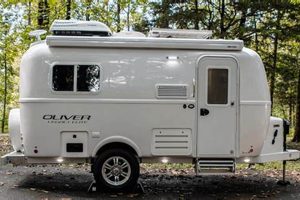
A recreational vehicle designed for temporary living and travel, known for its affordability and versatility, offers a range of floorplans and amenities. These towable units provide accommodations for sleeping, cooking, and sanitation, making them suitable for family vacations and weekend getaways. As an example, a family might choose one of these for a cross-country road trip, relying on its built-in facilities for convenience and cost savings.
Their appeal lies in their accessibility and relative ease of towing compared to larger RVs. They offer a balance of comfort and practicality, enabling travelers to experience the outdoors without sacrificing essential conveniences. Historically, this class of recreational vehicle has grown in popularity due to increasing interest in camping and outdoor recreation combined with a desire for more comfortable and convenient travel options.
The following sections will delve into specific models, common features, maintenance considerations, and ownership experiences associated with these recreational towables, offering a comprehensive guide for prospective buyers and current owners.
Essential Ownership Guidelines
This section provides crucial guidance for maximizing the lifespan and enjoyment of your recreational towable. Adhering to these recommendations will contribute to a safer and more satisfying travel experience.
Tip 1: Conduct Regular Roof Inspections: Examine the roof sealant and membrane at least twice a year. Address any cracks or deterioration promptly to prevent water damage, which can lead to costly repairs. For example, check the sealant around vents, skylights, and air conditioning units.
Tip 2: Implement Proper Tire Maintenance: Maintain recommended tire pressure and inspect tires for wear and tear before each trip. Uneven wear patterns can indicate alignment issues. Consider replacing tires every five to seven years, regardless of tread depth, to mitigate the risk of blowouts.
Tip 3: Follow a Consistent Lubrication Schedule: Regularly lubricate chassis components, including axles, hitch, and stabilizer jacks. This reduces friction and prevents premature wear, ensuring smooth towing and operation. Consult the owner’s manual for recommended lubricants and intervals.
Tip 4: Winterize Plumbing Systems Thoroughly: Before freezing temperatures arrive, drain water lines and water heater completely. Use RV antifreeze to protect pipes and fixtures from cracking due to freezing. Bypassing the water heater is recommended when using antifreeze.
Tip 5: Practice Weight Distribution: Distribute cargo evenly throughout the recreational towable to maintain proper balance and prevent swaying during towing. Place heavier items closer to the axle to reduce tongue weight. Utilizing a weight distribution hitch can further enhance stability.
Tip 6: Secure All Interior Items Before Travel: Ensure that all cabinets, drawers, and loose items are properly secured before each journey. This prevents damage to contents and the interior of the recreational towable during transit. Consider using non-slip mats and securing straps.
Tip 7: Regularly Inspect and Maintain Appliances: Check the operation of all appliances, including the refrigerator, stove, furnace, and air conditioner, periodically. Clean burners, replace filters, and inspect connections to ensure safe and efficient operation. Schedule professional maintenance as needed.
These guidelines represent fundamental practices for responsible ownership. Consistent adherence to these recommendations will contribute to the longevity and reliability of the unit.
The subsequent section will address common problems encountered during ownership and provide troubleshooting solutions, further equipping the owner with the knowledge needed for a positive ownership experience.
1. Affordability

The relationship between price point and the widespread adoption of a particular towable recreational vehicle is significant. Its position as a relatively budget-friendly option is a primary driver of its popularity within the market. This accessibility broadens the demographic of potential owners, making recreational travel achievable for individuals and families who might otherwise be priced out of the RV market. The competitive pricing often results from efficient manufacturing processes and the utilization of standardized components.
Consider a family seeking to experience the national parks on a budget. Selecting this type of recreational towable, due to its lower initial cost compared to larger, more luxurious RVs, enables them to allocate more resources to travel expenses, park entrance fees, and activities. This highlights the practical significance of affordability: it transforms the aspiration of RV travel into a tangible reality for a wider segment of the population. Furthermore, its availability often makes it a popular choice on the used RV market, further enhancing its accessibility.
In conclusion, the correlation between the unit’s competitive price and its market presence is undeniable. This affordability acts as a catalyst, driving sales volume and establishing the unit as a popular choice within the towable RV segment. While affordability is a key advantage, it necessitates a trade-off in certain luxury features and materials. This balance between cost and features is a critical consideration for potential buyers.
2. Floorplan Variety

The diversity of interior layouts significantly influences the appeal and functionality of this type of recreational towable. The availability of numerous floorplans enables potential buyers to select a model that precisely aligns with their individual needs and travel preferences, thereby maximizing the usability and comfort of the living space.
- Sleeping Capacity and Configuration
Floorplans vary substantially in their sleeping capacity, ranging from models designed for couples with a single queen bed to those accommodating larger families with multiple bunk beds and convertible dinettes. The configuration of sleeping areas impacts the overall space utilization and privacy within the unit. For instance, a family with young children might prioritize a floorplan with dedicated bunk rooms, while a couple may prefer an open layout with a focus on living area space. Such variety provides buyers with the opportunity to select a layout that precisely matches their needs, resulting in improved satisfaction and usability.
- Kitchen Layout and Functionality
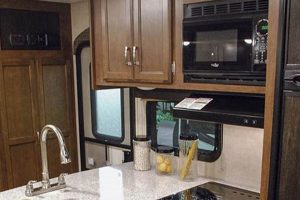
The design and features of the kitchen area are critical for meal preparation and storage. Floorplans differ in the size and configuration of countertops, the inclusion of kitchen islands, and the types of appliances provided. Some models prioritize compact and efficient kitchens suitable for simple meal preparation, while others offer more expansive and fully equipped kitchens for gourmet cooking. The presence of a pantry, microwave, oven, and refrigerator of appropriate size contributes significantly to the overall functionality and usability of the kitchen space.
- Living Area Design and Seating Arrangements
The living area serves as the primary space for relaxation and socialization within the recreational towable. Floorplans vary in the size and configuration of seating arrangements, including sofas, recliners, and dinettes. Some layouts prioritize open and spacious living areas conducive to entertaining, while others offer more intimate and private spaces. The inclusion of features such as entertainment centers, fireplaces, and large windows further enhances the comfort and functionality of the living area.
- Bathroom Configuration and Amenities
Bathroom configurations range from compact wet baths, where the shower and toilet share a single space, to larger, more luxurious bathrooms with separate shower stalls and vanity areas. Some floorplans offer additional bathroom amenities, such as medicine cabinets, linen closets, and skylights. The size and configuration of the bathroom are particularly important for individuals who plan to spend extended periods in the recreational towable.
In summary, the broad array of floorplans available allows consumers to match their lifestyle needs, be it space for a family or kitchen setup for cooking. This level of choice strengthens the model’s competitive advantage. It caters to a spectrum of travel styles and household sizes, increasing its market appeal and ensuring it remains a relevant choice for diverse recreational needs.
3. Towability

Towability is a critical factor influencing the practicality and overall user experience associated with this type of recreational towable. Its weight, dimensions, and hitch requirements directly impact the vehicle’s compatibility with a range of tow vehicles and the ease with which it can be maneuvered and transported. Understanding the nuances of towability is therefore essential for potential buyers to ensure a safe and enjoyable towing experience.
- Weight Considerations and Tow Vehicle Compatibility
The gross vehicle weight rating (GVWR) and unloaded vehicle weight (UVW) are primary determinants of towability. Matching the recreational towables weight to the tow vehicles maximum towing capacity is paramount for safety and performance. Exceeding the tow vehicles capacity can lead to reduced handling, increased braking distances, and potential damage to both vehicles. For instance, individuals with mid-size SUVs may be limited to lighter models with lower GVWRs, while those with full-size trucks can accommodate heavier models. Selecting a recreational towable within the tow vehicle’s capabilities ensures a safer and more comfortable travel experience.
- Length and Maneuverability
The overall length affects maneuverability, particularly in campgrounds, gas stations, and other tight spaces. Longer models require greater turning radii and may be challenging to navigate in confined areas. Shorter models offer increased agility and ease of parking. For example, navigating a narrow, winding road in a state park is significantly easier with a shorter recreational towable than with a longer one. Assessing the intended use and typical travel destinations can help determine the optimal length for maneuverability.
- Hitch Requirements and Weight Distribution
Proper hitch selection and weight distribution are essential for stable towing. The tongue weight, which is the weight exerted on the hitch, must be within the tow vehicles specified limits. A weight distribution hitch can improve handling and reduce sway, especially when towing heavier models. Ensuring the correct hitch type and proper weight distribution contribute significantly to towing safety and stability. Ignoring these factors can result in dangerous sway or loss of control.
- Aerodynamics and Fuel Efficiency
The aerodynamic profile can influence fuel efficiency. While travel trailers, in general, aren’t known for excellent aerodynamics, some models are designed to minimize wind resistance. Less aerodynamic models can lead to reduced fuel economy during towing. This can translate to higher fuel costs over long distances. For example, the more streamlined design might result in slightly improved fuel economy compared to a boxier model, ultimately leading to cost savings on extended trips.
In conclusion, towability is a multifaceted aspect that should be carefully considered. Its manageable weight and dimensions, coupled with appropriate hitch systems, enable compatibility with a wide range of tow vehicles, making it a practical choice for many potential owners. These considerations around weight, length, hitch requirements and aerodynamics all play a critical role in safety, comfort and peace-of-mind on the road.
4. Amenities

Amenities represent a crucial component influencing the desirability and practicality of the recreational towable. These features, encompassing everything from kitchen appliances to entertainment systems, directly impact the comfort and convenience experienced by occupants. The inclusion and quality of these offerings represent a significant selling point, contributing directly to customer satisfaction and the overall perception of value.
Consider, for instance, the inclusion of a fully functional kitchen, comprising a multi-burner stove, microwave, and refrigerator. This allows for self-sufficient meal preparation while traveling, reducing reliance on restaurants and, consequently, travel expenses. Alternatively, the presence of a built-in entertainment system, including a television and sound system, offers recreational options during inclement weather or evenings spent at the campsite. Furthermore, climate control systems, such as air conditioning and heating, ensure comfort regardless of external weather conditions, extending the usability of the recreational towable throughout the year. The specific amenities offered frequently distinguish between different models, reflecting varying price points and target consumer segments.
In conclusion, amenities play a pivotal role in shaping the ownership experience. The availability of convenient, functional, and well-maintained amenities significantly enhances the enjoyment and usability of the recreational towable, contributing to its overall appeal. However, potential buyers must carefully assess their individual needs and priorities to determine which amenities are essential and which represent superfluous additions, ensuring a purchase that aligns with their specific travel style and budget. The proper maintenance of these amenities is also essential to preserve their functionality.
5. Durability
Durability, concerning a specific recreational towable, directly influences its lifespan, maintenance costs, and overall value proposition. Understanding the factors contributing to its structural integrity and resistance to wear is crucial for prospective and current owners alike.
- Frame Construction and Material
The frame serves as the foundation of the unit. Its construction, often utilizing steel or aluminum, directly impacts its ability to withstand stress and resist corrosion. Higher-quality frame materials and robust welding techniques contribute to enhanced durability and a longer lifespan. For example, a frame constructed with heavier gauge steel and reinforced welds will be more resistant to bending or cracking under load, particularly during rough road conditions. Regular inspection and maintenance of the frame are essential for preventing structural issues.
- Exterior Panel Materials and Sealing
Exterior panels, typically made of aluminum, fiberglass, or composite materials, protect the interior from the elements. Their resistance to dents, fading, and water intrusion is crucial for maintaining the recreational towable’s appearance and preventing internal damage. Proper sealing around windows, doors, and seams is essential for preventing water leaks, which can lead to rot and mold growth. Models with UV-resistant coatings on the exterior panels will be better protected from sun damage and fading, extending their lifespan.
- Roof Construction and Water Resistance
The roof is particularly vulnerable to water damage, making its construction and sealing critical. Common roof materials include rubber (EPDM or TPO) or fiberglass. Regular inspection and maintenance of the roof sealant are essential for preventing leaks. A well-constructed and properly sealed roof will protect the interior from water damage, extending the lifespan and preventing costly repairs. For instance, damage from a tree branch scraping the roof could lead to leaks if not promptly addressed.
- Component Quality and Longevity
The durability of individual components, such as appliances, plumbing fixtures, and electrical systems, impacts the overall reliability and lifespan of the unit. Selecting models with high-quality components from reputable manufacturers can reduce the likelihood of breakdowns and repairs. Regular maintenance, such as cleaning and lubricating moving parts, can extend the lifespan of these components. A water pump constructed with durable materials and proper seals will be less likely to fail prematurely, ensuring a reliable water supply during travels.
In summary, durability is a multifaceted characteristic determined by frame construction, exterior materials, roof integrity, and component quality. While the model represents an entry-level offering, conscientious maintenance and careful usage can mitigate potential weaknesses and extend its service life, maximizing its value for owners.
6. Resale Value
The resale value of a recreational towable is significantly influenced by its initial purchase price, condition, and market demand. As an entry-level model, it typically depreciates at a rate commensurate with other vehicles in its class. Maintaining the unit in good condition through regular cleaning, maintenance, and timely repairs directly impacts its attractiveness to potential buyers and, consequently, its resale value. For instance, a well-maintained unit with documented service records will generally command a higher price than a comparable unit showing signs of neglect.
Several factors specific to the brand influence its standing on the used market. Widespread brand recognition and a reputation for reliability can positively affect resale value. Conversely, models with known issues or a history of frequent recalls may experience accelerated depreciation. The availability of replacement parts and qualified service technicians also plays a role. In regions where this support infrastructure is limited, the resale value of the unit may be negatively impacted. Similarly, the time of year the unit is being sold, economic conditions, and prevailing interest rates can all play a pivotal role. For example, demand will often peak during the spring months, leading to stronger resale values.
Understanding the interplay between initial cost, maintenance practices, and market dynamics is crucial for owners seeking to maximize their return on investment. While it may not command the same premium as luxury recreational vehicles, conscientious care and strategic timing can help mitigate depreciation and enhance its appeal to prospective buyers, optimizing its resale value within its respective market segment. Ultimately, managing the recreational towable as a financial asset, alongside its recreational utility, is important.
7. Customer Reviews
Customer reviews provide invaluable insights into the ownership experience with a recreational towable. These firsthand accounts offer potential buyers a realistic perspective on the unit’s strengths, weaknesses, and overall suitability for their needs, going beyond manufacturer specifications and marketing materials.
- Reliability and Build Quality Feedback
Reviews frequently mention issues related to build quality, such as water leaks, faulty appliances, and premature wear. Examining recurring complaints regarding specific components or construction techniques reveals potential problem areas. For example, multiple reviews mentioning issues with the roof sealant or plumbing connections suggest a need for closer inspection and preventative maintenance. Conversely, positive feedback concerning structural integrity and component longevity can instill confidence in the unit’s overall durability. Such feedback offers objective insight into reliability, impacting its perceived value.
- Usability and Floorplan Satisfaction
Customer reviews often address the practicality and functionality of different floorplans. Users describe their experiences with living space, kitchen layouts, and bathroom configurations. These accounts highlight which layouts are well-suited for families, couples, or solo travelers. Reviews may also point out design flaws or inconveniences not readily apparent in marketing materials. For example, a review might describe the inadequacy of storage space in a particular floorplan or the difficulty of accessing certain compartments. This enables future buyers to match their requirements to available floorplans.
- Dealership and Warranty Support Experiences
Reviews provide a glimpse into customer service experiences. These accounts can reveal the responsiveness and helpfulness of dealerships and the efficiency of warranty claim processing. Positive reviews in this area suggest a commitment to customer satisfaction, while negative reviews may indicate potential challenges in obtaining assistance with repairs or warranty coverage. For example, reviews detailing difficulties in getting warranty work authorized or delays in receiving replacement parts are red flags for prospective buyers. Overall, this affects the peace of mind of current and future owners.
- Towing and Handling Performance
Customer reviews can comment on towing dynamics. Users often share their experiences regarding towing stability, fuel economy, and overall handling characteristics. This input helps prospective buyers to assess the unit’s suitability for their tow vehicle and intended travel routes. For instance, reviews detailing excessive sway or difficulty maneuvering in tight spaces may prompt buyers to consider alternative models or invest in a weight distribution hitch. This can make a real difference in the real-world experience of taking it on the road.
In summary, customer reviews are a valuable resource for evaluating the unit. They offer a multifaceted perspective encompassing build quality, usability, dealership support, and towing performance. By carefully analyzing these reviews, prospective buyers can make more informed decisions and mitigate potential risks, ultimately enhancing their chances of a positive ownership experience with this type of recreational towable.
Frequently Asked Questions
The following addresses common inquiries and concerns regarding this line of recreational towables. The information presented aims to provide factual and objective guidance.
Question 1: What is the typical lifespan of a Springdale travel trailer?
The lifespan varies based on usage, maintenance, and storage conditions. With proper care, including regular inspections and timely repairs, the structure can last for many years. Neglecting maintenance will significantly reduce its longevity.
Question 2: What tow vehicle is required for a Springdale travel trailer?
The tow vehicle requirements depend on the specific model’s Gross Vehicle Weight Rating (GVWR). It is imperative to consult the manufacturer’s specifications and ensure the tow vehicle’s towing capacity exceeds the RV’s GVWR. Exceeding the capacity poses serious safety risks.
Question 3: What are common issues encountered with Springdale travel trailers?
Frequently reported issues include water leaks around windows and seams, appliance malfunctions, and wear and tear on tires. Regular inspections and preventative maintenance can mitigate the risk of these problems.
Question 4: What is the warranty coverage for a Springdale travel trailer?
Warranty coverage varies by model year and manufacturer. It is essential to carefully review the warranty documentation to understand the terms, conditions, and limitations of coverage.
Question 5: How should a Springdale travel trailer be winterized?
Proper winterization involves draining water lines, adding RV antifreeze, and protecting exposed plumbing fixtures from freezing temperatures. Failure to winterize properly can result in significant damage to the plumbing system.
Question 6: How can the resale value of a Springdale travel trailer be maximized?
Maintaining the unit in good condition, keeping accurate service records, and addressing repairs promptly will contribute to a higher resale value. Cleaning, waxing, and storing the unit properly are also important.
These FAQs provide essential information for ownership. Prioritizing safety, maintenance, and responsible usage will contribute to an optimal ownership experience.
The next section will cover comparisons to competing models, offering a deeper dive.
Springdale Travel Trailer
This exploration has presented a comprehensive overview of the Springdale travel trailer, encompassing its affordability, floorplan options, towability considerations, available amenities, durability factors, resale value dynamics, and insights gleaned from customer reviews. The analysis highlights its position as an accessible entry point into the RV lifestyle, while also underscoring the importance of diligent maintenance and informed decision-making for prospective owners.
As the recreational vehicle market evolves, careful assessment of individual needs and responsible ownership practices remain paramount. Further research into specific models and comparison with alternative offerings is encouraged to ensure the selection of a recreational towable that aligns with personal requirements and facilitates safe and enjoyable travels.