A specialized kit designed for individuals with diabetes is essential for managing their condition while away from home. This dedicated container typically includes items needed for blood glucose monitoring, medication administration, and addressing potential complications. It ensures supplies are organized, readily accessible, and protected from damage or extreme temperatures.
The importance of having a pre-packed set stems from the need for consistent diabetes management, irrespective of location. Benefits include reducing the risk of hypo- or hyperglycemia during travel, minimizing disruptions to medication schedules, and promoting a sense of preparedness and control. Historically, individuals may have assembled these kits themselves; however, commercially available options now offer convenience and tailored solutions.
The subsequent sections will delve into the specific components that should be included, practical tips for packing efficiently, considerations for different modes of transportation, and advice on navigating airport security with diabetes-related supplies.
Essential Travel Advice
Effective management of diabetes during journeys requires careful preparation and adherence to established routines. The following guidelines are provided to assist individuals in maintaining optimal health while traveling.
Tip 1: Prioritize medication storage. Insulin and other temperature-sensitive medications should be stored in insulated containers with cold packs to maintain efficacy, especially during prolonged periods of exposure to heat or direct sunlight.
Tip 2: Pack a sufficient supply of all necessary medications and supplies, exceeding the duration of the planned trip by a reasonable margin. This buffer accounts for potential travel delays or unforeseen circumstances that may extend the duration of the journey.
Tip 3: Include a detailed list of all medications, including generic names, dosages, and prescribing physician contact information. This information is crucial in the event of a medical emergency or the need to refill prescriptions while away from home.
Tip 4: Verify blood glucose monitoring equipment functionality before departure. Ensure the meter is calibrated and contains sufficient test strips, lancets, and control solution for accurate readings. Consider carrying a backup meter.
Tip 5: Carry readily accessible sources of fast-acting glucose, such as glucose tablets or gels, to promptly address potential episodes of hypoglycemia. These should be easily identifiable and separate from other items.
Tip 6: When crossing time zones, consult with a healthcare professional regarding adjustments to medication schedules. Proper timing of insulin injections or oral medications is essential for maintaining stable blood glucose levels.
Tip 7: Be prepared for airport security procedures. Keep medications in their original labeled containers and obtain a letter from a physician outlining the necessity of carrying syringes, insulin pens, or other related medical devices.
Adherence to these recommendations facilitates proactive diabetes management and minimizes the risk of complications while traveling. Vigilant attention to detail ensures a safe and enjoyable travel experience.
The subsequent concluding remarks will summarize the importance of proactive planning for those managing diabetes during journeys.
1. Organization

Effective organization within a specialized diabetes kit directly correlates with improved management of the condition during travel. A disorganized kit can lead to delays in accessing medication or monitoring supplies, potentially resulting in suboptimal glycemic control. The structured arrangement of items such as insulin, syringes, glucose meters, and test strips is not merely aesthetic; it is a critical component of ensuring timely and accurate intervention when needed. For example, in a situation where a rapid blood glucose check is required due to suspected hypoglycemia, a well-organized kit allows for immediate access to the necessary supplies, minimizing the time spent searching and ultimately mitigating potential adverse events.
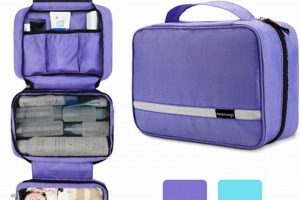
The practical significance of this understanding is evident in the design of commercially available diabetes kits. These kits often feature designated compartments for different types of supplies, utilizing elastic straps, zippered pouches, and insulated sections to maintain order and temperature control. Individuals who assemble their own kits can replicate these organizational principles by employing similar storage solutions. Furthermore, consistent placement of items within the kit, regardless of location, creates a predictable routine, enabling efficient access even in low-light conditions or stressful situations. For example, having insulin pens consistently located in the top compartment, and test strips in the side pocket, would drastically cut down on emergency response time.
In summary, the deliberate structuring of a diabetes kit fosters efficient access to vital supplies, promoting consistent diabetes management while traveling. Challenges associated with disorganization, such as delayed treatment and increased stress, can be effectively mitigated through meticulous planning and implementation of clear organizational strategies. This principle links directly to the broader theme of proactive diabetes management, emphasizing the importance of preparation and planning to ensure safe and successful travel.
2. Temperature control

Temperature control is a critical consideration in the design and utilization of a kit intended for the transport of diabetes-related supplies. Fluctuations in temperature can compromise the efficacy of certain medications, particularly insulin, and the accuracy of blood glucose monitoring equipment. Therefore, the ability to maintain a stable internal environment within the container is paramount.
- Insulin Stability
Insulin is a temperature-sensitive hormone, and exposure to extreme heat or cold can denature its molecular structure, rendering it less effective or entirely inactive. Uncontrolled temperature exposure can lead to unpredictable blood glucose levels and potentially severe health consequences. A properly designed container incorporates insulation and may include reusable cold packs to maintain insulin within its recommended temperature range, typically between 36F and 46F (2C to 8C).
- Blood Glucose Meter Accuracy
Blood glucose meters are calibrated to function optimally within a specified temperature range. Deviations from this range can affect the accuracy of the readings, leading to incorrect dosing decisions. Some kits feature designated compartments or insulated areas to protect the meter and test strips from temperature extremes, ensuring reliable blood glucose monitoring even in varying environmental conditions.
- Cold Pack Selection and Maintenance
The type of cold pack used in a diabetes kit influences its ability to maintain a consistent temperature. Gel packs and ice packs are common choices, but their cooling duration and temperature stability vary. Proper freezing and preparation of cold packs before travel are essential, as is the periodic replacement of melted or warmed packs during extended journeys. Failure to maintain the integrity of the cold packs negates their temperature-regulating benefits.
- Environmental Considerations
The external environment significantly affects the internal temperature of a kit. Direct sunlight, high ambient temperatures, and exposure to freezing conditions can all impact the effectiveness of temperature control measures. Positioning the kit in a shaded area, protecting it from direct contact with hot or cold surfaces, and using additional insulation when necessary can help mitigate these environmental influences. Monitoring the internal temperature of the kit with a thermometer can provide added assurance of medication and equipment stability.
The integration of effective temperature control measures within a travel kit contributes significantly to the safety and efficacy of diabetes management during travel. By mitigating the risks associated with temperature-induced medication degradation and equipment malfunction, individuals can maintain better glycemic control and minimize the potential for adverse health events. Diligence in monitoring and managing temperature fluctuations is an essential aspect of responsible diabetes self-care while away from home.
3. Medication supply

The correlation between medication supply and a specialized kit designed for diabetic individuals is fundamental to effective disease management during travel. The kit serves as a mobile repository for essential medications, allowing for consistent treatment adherence regardless of location. An inadequate medication supply within the container can directly result in compromised glycemic control, leading to both acute and chronic complications. Therefore, ensuring a sufficient and appropriate stock of all necessary medications is paramount.
A primary consideration is the inclusion of all regularly prescribed medications, such as insulin, oral hypoglycemic agents, and any other medications for comorbid conditions. Furthermore, an ample reserve supply must be included to accommodate potential travel delays, lost luggage, or unexpected prescription refill challenges. For instance, a traveler relying on insulin pens should carry not only the pens anticipated for the planned trip but also additional pens to cover potential unforeseen circumstances. Similarly, readily available fast-acting glucose sources, such as glucose tablets or gels, are essential for promptly addressing hypoglycemic episodes. The absence of these emergency provisions can have immediate and serious consequences.
In summary, the integrity of a kit designed for managing diabetes during travel hinges on the adequacy of its medication supply. The kit’s primary function is to facilitate uninterrupted access to crucial medications, thereby preventing disruptions in treatment and mitigating the risk of complications. Proactive planning and careful inventory management are critical to ensuring that the medication supply aligns with individual needs and potential contingencies, thereby promoting safe and effective diabetes self-management while away from home.
4. Emergency provisions

Emergency provisions constitute an indispensable element of a specialized kit designed for diabetic individuals undertaking travel. The correlation between the availability of these provisions and the mitigation of adverse events during travel is direct and consequential. A kit lacking appropriate emergency supplies elevates the risk of mismanagement of acute complications, such as hypoglycemia and hyperglycemia, thereby potentially necessitating emergency medical intervention. Real-life examples underscore this point: an individual experiencing hypoglycemic symptoms during a flight, without access to fast-acting glucose, faces immediate cognitive impairment and potential loss of consciousness. Similarly, the absence of ketone testing supplies in a setting of suspected diabetic ketoacidosis can delay crucial diagnostic assessments and therapeutic interventions.
The practical application of this understanding translates to the meticulous inclusion of specific emergency items within the kit. These include readily available sources of fast-acting glucose (e.g., glucose tablets, gel), glucagon for severe hypoglycemia, ketone testing strips and a meter, and a comprehensive list of medications, allergies, and medical contacts. The quantity and type of provisions should align with individual risk profiles, the duration of travel, and access to medical care at the destination. For instance, individuals with a history of frequent hypoglycemic episodes or those traveling to remote locations with limited medical resources require a more extensive supply of emergency provisions. Regular inspection and replacement of expired or used items are also essential to maintain the kit’s effectiveness. It is important to note that these kits should be packed by professionals.
In summary, the strategic integration of emergency provisions within the travel kit serves as a critical safety net for individuals managing diabetes away from their usual support systems. The absence of these provisions can lead to preventable complications and increased reliance on external medical assistance. This underscores the need for proactive planning and careful attention to the composition of the kit to ensure timely and effective management of diabetes-related emergencies, safeguarding the well-being of the traveler.
5. Accessibility

The term “accessibility,” when considered in the context of a specialized kit designed for individuals with diabetes, denotes the ease and speed with which essential supplies can be retrieved and utilized. The accessibility of items within this mobile storage solution has a direct causal relationship with the effectiveness of diabetes management during travel. A kit that presents challenges in locating or retrieving necessary items directly increases the time required to address medical needs, potentially leading to adverse health outcomes. For instance, a delay in accessing fast-acting glucose during a hypoglycemic episode can result in cognitive impairment, loss of consciousness, or, in severe cases, seizures. The efficient organization of the kit directly mitigates these risks by enabling swift access to critical supplies.
The practical significance of accessibility extends to various aspects of the kit’s design and utilization. The placement of frequently needed items, such as a blood glucose meter and test strips, in easily reachable compartments is crucial. Similarly, clear labeling of medications and other supplies enhances accessibility, particularly in situations where visual acuity may be compromised or under conditions of stress. Furthermore, the physical portability of the kit itself contributes to its overall accessibility. A kit that is cumbersome or difficult to carry may limit the individual’s ability to have essential supplies readily available at all times. Consequently, factors such as size, weight, and carrying options must be carefully considered to optimize accessibility. Accessibility relates to the importance of providing kits that can be easily carried and used, even for disabled people.
In summary, accessibility is a paramount component of an effective specialized kit for diabetes management. The capacity of the kit to facilitate rapid and effortless retrieval of essential supplies directly impacts the individual’s ability to maintain glycemic control and respond effectively to medical emergencies. Challenges related to accessibility, such as poor organization or cumbersome design, can significantly compromise the utility of the kit and increase the risk of adverse events. Addressing these challenges through thoughtful design and proactive planning is therefore essential for ensuring the kit serves its intended purpose of promoting safe and effective diabetes self-management while traveling.
Frequently Asked Questions
The following section addresses common inquiries regarding specialized travel kits designed for individuals with diabetes. The information provided aims to clarify misconceptions and offer guidance on the appropriate selection and utilization of these kits.
Question 1: Is a specialized diabetes travel bag truly necessary?
The necessity of a dedicated container for diabetes supplies stems from the need for organized storage and protection of essential medications and equipment during travel. While alternative methods of carrying supplies exist, a specialized kit offers advantages in terms of temperature control, organization, and accessibility, thereby minimizing the risk of compromised diabetes management.
Question 2: What specific items should be included in a diabetes travel bag?
A comprehensive kit should include, at minimum, a blood glucose meter, test strips, lancets, insulin (if prescribed), syringes or insulin pens, fast-acting glucose sources, ketone testing supplies, a medication list, and emergency contact information. The specific contents may vary depending on individual needs and the duration of travel.
Question 3: How should insulin be stored within a diabetes travel bag to ensure its efficacy?
Insulin should be stored in an insulated compartment with cold packs to maintain a temperature between 36F and 46F (2C and 8C). The type and quantity of cold packs should be appropriate for the duration of travel and ambient temperature conditions. Monitoring the internal temperature of the container with a thermometer is recommended.
Question 4: Are there any specific regulations regarding carrying diabetes supplies through airport security?
Individuals are generally permitted to carry diabetes supplies, including insulin, syringes, and insulin pens, through airport security. However, it is advisable to keep medications in their original labeled containers and to carry a letter from a physician outlining the necessity of these items. Notification of security personnel regarding the presence of diabetes-related supplies is also recommended.
Question 5: How often should the contents of a diabetes travel bag be checked and replenished?
The contents of a kit should be inspected prior to each journey to ensure that all items are present, unexpired, and in good working order. Medications should be replenished as needed, and supplies such as test strips and lancets should be replaced if they are nearing their expiration dates or have been used.
Question 6: Can a standard travel bag be used in place of a specialized diabetes travel bag?
While a standard travel bag can be used to carry diabetes supplies, it may not offer the same level of organization, protection, and temperature control as a specialized kit. The use of a standard bag may increase the risk of damage to equipment, medication degradation, and difficulty in accessing essential supplies.
In conclusion, a well-equipped kit significantly contributes to the safety and well-being of individuals managing diabetes during travel. Proper planning, organization, and adherence to storage guidelines are essential for maximizing the benefits of this mobile medical resource.
The subsequent section will provide a checklist of essential items for a “diabetes travel bag” to ensure comprehensive preparedness.
In Conclusion
The preceding discussion has comprehensively explored the multifaceted utility of a “diabetes travel bag” for individuals managing the condition away from home. Key aspects highlighted include the critical importance of organization, temperature control, adequate medication supply, readily available emergency provisions, and ease of accessibility. Each of these elements contributes directly to the maintenance of stable glycemic control and the prevention of diabetes-related complications during travel.
The implementation of a well-prepared “diabetes travel bag” is not merely a matter of convenience; it represents a proactive commitment to self-care and a safeguard against potential health risks. Individuals managing diabetes are strongly encouraged to prioritize the acquisition or assembly of a kit tailored to their specific needs and to diligently maintain its contents. The consistent use of such a kit serves as an essential tool for ensuring safe and successful travel experiences.
![Best Infant Travel Bag [Guide] | Travel Easier! | Best Travel Tips for Adventurers: Explore the World on a Budget](https://detravellers.com/wp-content/uploads/2026/05/th-102-300x200.jpg "Best Infant Travel Bag [Guide] | Travel Easier! Best Travel Tips for Adventurers: Explore the World on a Budget")