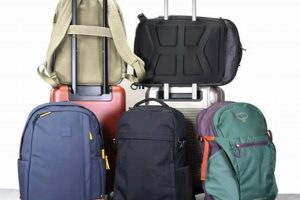
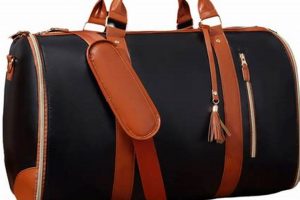
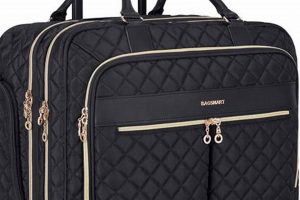
These specialized carriers are designed for individuals requiring robust and organized transportation of personal belongings and gear, often in demanding environments. They are characterized by durable construction, ample storage space, and features that facilitate efficient packing and accessibility. For example, a soldier deploying to a field operation might utilize such a bag to carry uniforms, personal hygiene items, and mission-essential equipment.
The value of a well-designed transport solution lies in its capacity to withstand rigorous use, protect contents from the elements, and maintain organizational integrity. Historically, these items have evolved alongside advancements in materials technology and operational requirements, reflecting a constant pursuit of improved durability, weight reduction, and functional adaptability. The benefits include enhanced preparedness, reduced risk of equipment damage, and streamlined logistics during travel.
The following sections will explore the specific features, materials, and design considerations that contribute to the overall performance of these vital pieces of equipment. Further discussion will also encompass selection criteria, maintenance guidelines, and a comparative analysis of various models available on the market.
Selection and Utilization Guidance
The following guidelines are designed to assist in the proper selection and utilization of military travel bags. Adherence to these recommendations will contribute to the longevity of the item and the effectiveness of its intended purpose.
Tip 1: Assess Volume Requirements: Accurately determine the total volume of gear to be transported. Bags exceeding the necessary capacity add unnecessary weight and bulk. Prioritize a bag that accommodates essential items with minimal excess space.
Tip 2: Evaluate Material Durability: Examine the materials used in construction. High-denier nylon or polyester fabrics, reinforced stitching, and robust zippers are indicators of enhanced durability and resistance to wear and tear.
Tip 3: Consider Compartmentalization: Prioritize models featuring multiple compartments and organizational features. Dedicated pockets for specific items, such as footwear or electronics, facilitate efficient packing and accessibility.
Tip 4: Inspect Zipper Quality: Zippers are a common point of failure. Opt for heavy-duty zippers constructed from durable materials like metal or reinforced nylon. Ensure zippers operate smoothly and are adequately protected from the elements.
Tip 5: Verify Handle and Strap Strength: Handles and straps should be securely attached to the bag’s body and capable of withstanding the anticipated load. Reinforcement stitching and durable hardware are essential for reliable performance.
Tip 6: Evaluate Weather Resistance: Depending on the anticipated environment, consider a bag with water-resistant or waterproof properties. Features such as coated fabrics, sealed seams, and storm flaps can provide added protection from moisture.
Tip 7: Adhere to Weight Limits: Respect the manufacturer’s specified weight limits. Overloading a bag can compromise its structural integrity and increase the risk of failure during transport.
Following these guidelines ensures optimal performance and extends the service life of the selected military travel bag, contributing to preparedness and operational effectiveness.
The subsequent section will address maintenance practices designed to further prolong the lifespan and functionality of these essential items.
1. Durability

Durability, in the context of military travel bags, is not merely a desirable attribute but a fundamental requirement. These bags are subjected to rigorous conditions, demanding a construction that withstands extreme environments, rough handling, and prolonged use. The lifespan and reliability of these carriers directly impact mission readiness and the protection of essential equipment.
- Material Composition and Resilience
The selection of materials is paramount in determining the overall durability. High-denier nylon or polyester fabrics, often treated with water-resistant coatings, are commonly employed. These materials exhibit superior resistance to abrasion, tearing, and puncture. Reinforced stitching at stress points and durable hardware, such as metal or reinforced polymer buckles, further contribute to structural integrity. A bag constructed with inferior materials will quickly succumb to wear and tear, compromising its ability to protect its contents.
- Construction Techniques and Reinforcement
The method of construction significantly influences the bag’s ability to withstand stress. Double or triple stitching at seams, box-stitching on load-bearing straps, and the incorporation of internal frames or padding enhance structural integrity. Reinforced corners and base panels provide additional protection against impact and abrasion. These construction techniques ensure the bag maintains its shape and functionality under demanding conditions.
- Resistance to Environmental Factors
Military travel bags must often endure exposure to diverse environmental conditions, including extreme temperatures, moisture, and ultraviolet radiation. Durable materials are inherently resistant to these elements, preventing degradation and maintaining the bag’s protective properties. Water-resistant coatings and sealed seams minimize the risk of moisture penetration, safeguarding sensitive equipment from damage. UV-resistant fabrics prevent fading and weakening over time, extending the bag’s service life.
- Zipper and Closure Integrity
Zippers and closures represent critical points of potential failure. Durable zippers constructed from metal or heavy-duty nylon, with robust teeth and smooth operation, are essential. Reinforced zipper tracks and protective flaps prevent snagging and water ingress. Secure buckle closures and hook-and-loop fasteners provide additional layers of security and prevent accidental opening during transport. The reliability of these components is crucial for maintaining the integrity of the bag’s contents.
The multifaceted nature of durability in military travel bags underscores its importance. The combination of resilient materials, robust construction techniques, resistance to environmental factors, and reliable closures ensures these bags can withstand the demands of military operations, protecting essential equipment and contributing to mission success. Compromising on durability can lead to equipment damage, logistical challenges, and ultimately, a reduction in operational effectiveness.
2. Capacity

Capacity, in the context of military travel bags, refers to the internal volume available for storing and transporting equipment and personal belongings. It is a critical determinant of a bag’s utility, directly impacting the user’s ability to effectively organize and carry essential items for deployments, field operations, or training exercises.
- Volume Measurement and Standardization
Capacity is typically measured in liters or cubic inches, providing a quantifiable metric for comparing different bag sizes. Standardized volume measurements allow users to accurately assess whether a specific bag can accommodate their anticipated load. Understanding these measurements is crucial for selecting a bag that balances storage needs with portability considerations. Exceeding capacity can compromise the bag’s structural integrity and hinder maneuverability.
- Internal Organization and Compartmentalization
Effective capacity utilization extends beyond mere volume. The internal organization of a military travel bag plays a crucial role in maximizing storage efficiency. Multiple compartments, pockets, and dividers allow for the segregation of different item categories, such as clothing, equipment, and personal effects. This compartmentalization facilitates rapid access to needed items and minimizes the risk of damage during transit. Insufficient internal organization can lead to inefficient packing and difficulty locating essential gear.
- Weight Considerations and Load Distribution
Capacity is inextricably linked to weight. While a large-capacity bag offers ample storage space, it also increases the potential for carrying excessive weight. Proper load distribution is essential for maintaining balance and preventing strain during transport. Military travel bags often incorporate features such as padded shoulder straps, sternum straps, and waist belts to distribute weight evenly and enhance comfort. Ignoring weight considerations can lead to fatigue, injury, and reduced operational effectiveness.
- Impact on Mission Requirements
The required capacity of a military travel bag is directly influenced by the nature and duration of the mission. Short-term deployments or training exercises may necessitate a smaller bag with limited capacity, while longer-term operations require a larger bag capable of accommodating a wider range of equipment and supplies. Selecting a bag with inadequate capacity can force users to make difficult choices about which items to bring, potentially compromising their ability to perform their duties effectively.
The judicious selection of a military travel bag with appropriate capacity is paramount for ensuring logistical efficiency and operational readiness. Balancing volume, internal organization, weight considerations, and mission requirements is crucial for maximizing the bag’s utility and minimizing the burden on the user.
3. Organization
Effective organization within a military travel bag is paramount, directly influencing accessibility, efficiency, and the overall readiness of personnel. A well-organized bag streamlines operations, reduces the time required to locate essential items, and minimizes the potential for damage during transit. Disorganized storage can lead to delays, frustration, and compromised mission effectiveness.
- Compartmentalization and Segregation
Compartmentalization involves dividing the internal space of the bag into distinct sections for specific categories of items. This facilitates the segregation of clothing, equipment, documents, and personal belongings, preventing cross-contamination and simplifying retrieval. For example, a dedicated compartment for footwear prevents soiling of clean uniforms. This systematic approach enhances situational awareness and reduces the risk of misplaced or damaged items.
- Modular Attachment Systems
The integration of modular attachment systems, such as MOLLE (Modular Lightweight Load-carrying Equipment), allows for the external attachment of additional pouches and accessories. This expands the bag’s capacity and provides customizable storage solutions tailored to individual mission requirements. For example, a medical pouch can be readily attached for quick access to first-aid supplies. These systems enhance adaptability and ensure that essential items are readily accessible.
- Internal Pockets and Dividers
Internal pockets and dividers provide further organizational capabilities, enabling the separation of smaller items and preventing them from shifting during transit. Mesh pockets, zippered compartments, and elastic retainers secure items and maintain order within the bag. For instance, small tools or electronic devices can be stored in dedicated pockets, preventing damage and facilitating quick retrieval. These features contribute to a structured and efficient packing system.
- Color-Coding and Labeling
The implementation of color-coding and labeling systems further enhances organization by visually differentiating compartments and contents. Assigning specific colors to different categories of items or labeling pouches with descriptive identifiers streamlines the retrieval process, particularly in low-light conditions or under stress. For example, a red-labeled pouch could contain emergency equipment. This approach minimizes errors and accelerates response times.
The multifaceted approach to organization within a military travel bag directly contributes to enhanced preparedness and operational effectiveness. By strategically utilizing compartmentalization, modular attachment systems, internal pockets, and visual aids, personnel can optimize the use of available space, streamline retrieval processes, and minimize the risk of equipment loss or damage.
4. Portability

Portability, concerning military travel bags, extends beyond simple ease of carrying. It encompasses the comprehensive ability to transport essential gear efficiently and comfortably across diverse terrains and operational environments. The design and features of these bags directly influence a user’s mobility and sustained operational effectiveness.
- Ergonomic Design and Weight Distribution
A primary facet of portability lies in ergonomic design. Padded shoulder straps, adjustable sternum straps, and contoured waist belts distribute weight evenly across the user’s body, minimizing strain and fatigue. Internal frames or suspension systems further enhance weight distribution, preventing the bag from collapsing and shifting its load. These design elements are crucial for maintaining mobility during extended periods of travel or movement under load. For example, a bag with poorly designed straps can induce back pain and limit a soldier’s ability to perform physical tasks effectively.
- Handle Placement and Carry Options
The strategic placement of handles offers versatile carry options, enabling users to adapt to varying circumstances. Top handles facilitate short-distance carrying, while side handles provide alternative lifting points. Reinforced haul loops allow for dragging the bag across rough terrain. The availability of multiple carry options enhances adaptability and ensures that the bag can be maneuvered effectively in diverse environments. Consider a scenario where a service member must quickly move a bag through a narrow passageway; strategically placed handles become essential.
- Size and Form Factor Constraints
The overall size and form factor of a military travel bag directly impact its portability. Bags that are excessively large or unwieldy can impede movement and create logistical challenges. Adhering to size restrictions imposed by transportation methods, such as aircraft or vehicles, is essential. A streamlined form factor minimizes snagging and reduces the risk of damage during transit. The balance between capacity and manageability is a critical design consideration. An overly bulky bag can hinder movement and create obstacles during operations.
- Wheeled Systems and Telescoping Handles
For environments where rolling is feasible, integrated wheeled systems and telescoping handles offer enhanced portability. These features reduce the physical strain associated with carrying heavy loads over long distances. Durable wheels capable of traversing varied surfaces are essential. However, it’s important to acknowledge wheeled systems might compromise the bag’s effectiveness in rugged terrain where carrying is unavoidable. A wheeled bag is of little use across a muddy field; understanding the operational environment dictates the best design choices.
These facets underscore the intricate relationship between portability and the design of military travel bags. Integrating ergonomic features, providing versatile carry options, adhering to size constraints, and incorporating wheeled systems, when appropriate, directly contributes to the user’s mobility, endurance, and overall operational effectiveness. The selection of a bag that prioritizes portability is essential for ensuring personnel can efficiently transport essential gear across diverse environments and maintain mission readiness.
5. Protection

Protection, in the context of military travel bags, represents a multifaceted concept encompassing the safeguarding of contents from physical damage, environmental hazards, and unauthorized access. The protective capabilities of these bags are paramount, directly influencing the integrity of equipment, the preservation of sensitive materials, and the overall success of military operations.
- Impact Resistance and Structural Integrity
Impact resistance is a crucial element of protection, safeguarding contents from damage during handling and transportation. Bags incorporating reinforced frames, padded compartments, and durable outer materials mitigate the effects of impacts and vibrations. For instance, a bag used to transport delicate electronic equipment may feature internal padding to prevent damage from shocks or drops. The structural integrity of the bag itself is equally important, preventing punctures, tears, and other forms of physical degradation that could compromise its protective capabilities.
- Environmental Sealing and Weather Resistance
Military travel bags often encounter harsh environmental conditions, necessitating effective sealing and weather resistance. Water-resistant or waterproof materials, sealed seams, and storm flaps prevent moisture ingress, protecting contents from rain, snow, and humidity. This is particularly critical for safeguarding electronic equipment, documents, and other sensitive items from water damage. Additionally, some bags incorporate features such as dust covers and UV-resistant fabrics to provide protection from airborne contaminants and solar radiation.
- Theft Deterrence and Security Features
Protection extends beyond physical and environmental factors to include theft deterrence and security features. Lockable zippers, hidden compartments, and tamper-evident closures deter unauthorized access and protect sensitive materials from theft or espionage. Some bags incorporate RFID-blocking technology to prevent electronic theft of personal information stored on passports or credit cards. These security features are essential for maintaining confidentiality and safeguarding valuable assets.
- Compartmentalization and Organization for Damage Prevention
While seemingly related to organization, strategic compartmentalization also contributes to protection. By separating items and preventing them from shifting during transit, the risk of damage due to abrasion or impact is minimized. Dedicated compartments for fragile items, such as optics or communication equipment, ensure they are securely stored and protected from external forces. This organized approach not only enhances accessibility but also contributes to the overall protection of the bag’s contents.
The diverse facets of protection, ranging from impact resistance to security features, underscore the critical role of military travel bags in safeguarding essential equipment and sensitive materials. By incorporating these protective elements, these bags contribute to operational readiness, minimize equipment losses, and ensure the preservation of valuable assets in demanding and unpredictable environments.
Frequently Asked Questions
The following addresses common inquiries regarding military travel bags, providing factual information to facilitate informed decision-making.
Question 1: What materials are typically used in the construction of military travel bags?
Military travel bags are commonly constructed from high-denier nylon or polyester fabrics. These materials offer a balance of durability, water resistance, and weight. Reinforcements at stress points and robust hardware, such as metal or reinforced polymer buckles, are also typical.
Question 2: What is the standard method for measuring the capacity of a military travel bag?
The capacity of a military travel bag is typically measured in liters or cubic inches. These units provide a quantifiable representation of the bag’s internal volume. Standardized measurements facilitate comparisons between different models.
Question 3: How does internal organization contribute to the functionality of a military travel bag?
Internal organization, through compartments, pockets, and dividers, allows for the segregation and secure storage of different items. This compartmentalization enhances accessibility and minimizes the risk of damage during transit.
Question 4: What features enhance the portability of a military travel bag?
Portability is enhanced by ergonomic design elements, such as padded shoulder straps and adjustable sternum straps, which distribute weight evenly. Strategic handle placement and the availability of wheeled systems can also improve portability.
Question 5: How do military travel bags protect their contents from environmental factors?
Protection from environmental factors is achieved through water-resistant or waterproof materials, sealed seams, and storm flaps. These features prevent moisture ingress and safeguard contents from rain, snow, and humidity.
Question 6: What security features are commonly incorporated into military travel bags?
Security features may include lockable zippers, hidden compartments, and tamper-evident closures. These features deter unauthorized access and protect sensitive materials from theft or espionage.
These responses offer a concise overview of key considerations when evaluating military travel bags. Understanding these factors contributes to the selection of appropriate equipment.
The following section will explore the comparative analysis of available models, providing a framework for informed purchasing decisions.
Conclusion
The comprehensive examination of the military travel bag reveals its critical role in logistical readiness and operational effectiveness. Its durability, capacity, organization, portability, and protective features collectively contribute to a service member’s ability to transport essential gear in demanding environments. Each aspect necessitates careful consideration during the selection process to ensure the bag aligns with mission-specific requirements.
The importance of a well-chosen and maintained military travel bag cannot be overstated. Its impact extends beyond simple transportation; it directly affects a service member’s preparedness, efficiency, and ultimately, their ability to execute assigned tasks successfully. Continued advancements in materials and design will undoubtedly further enhance the functionality and reliability of this essential piece of military equipment.