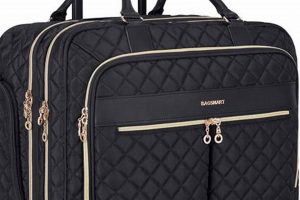
These compact carrying solutions are designed to be worn across the body, enhancing security and accessibility while on the move. They integrate radio-frequency identification (RFID) blocking technology to protect sensitive information encoded on credit cards and identification documents from unauthorized scanning. This type of bag commonly features adjustable straps and multiple compartments to organize personal belongings during travel or daily commutes.
The rising incidence of electronic pickpocketing has fueled the demand for protective measures, leading to the increased popularity of these security-conscious accessories. Their design prioritizes both convenience and safeguarding against identity theft. Historically, concern over data breaches and the vulnerability of personal information during travel have driven the evolution of travel accessories with enhanced security features. The benefit of these bags lie in their ability to provide peace of mind, knowing personal data is shielded from potential electronic theft.
The subsequent sections will delve into the specific features, materials, and considerations when selecting a suitable protective travel bag, as well as offer guidance on maintaining its protective capabilities and ensuring its longevity.
Selecting an RFID-Blocking Crossbody Travel Solution
The following provides essential guidelines for choosing a carrying solution that effectively safeguards personal information during travel and daily use. Proper selection ensures optimal security and utility.
Tip 1: Material Quality Assessment. Evaluate the construction materials for durability and RFID-blocking effectiveness. Look for tightly woven fabrics with embedded metallic threads or linings specifically designed to block radio frequencies. Independent testing or certifications are indicators of reliability.
Tip 2: Compartment Arrangement. Consider the number and configuration of compartments. Opt for a design that facilitates organization and easy access to essential items. Dedicated pockets for passports, credit cards, and phones should be easily accessible yet secure.
Tip 3: Strap Adjustability and Comfort. Ensure the strap is adjustable to accommodate various body sizes and wearing preferences. Padded straps distribute weight evenly, preventing discomfort during extended periods of use. A secure strap attachment is also crucial.
Tip 4: Zipper and Closure Security. Examine the zippers and closures for robustness. Locking zippers or concealed closures add an extra layer of protection against theft. Consider the overall design to prevent easy access by pickpockets.
Tip 5: Size and Weight Considerations. Select a size that meets individual needs without being overly bulky or heavy. Consider the intended use case, such as daily commuting versus international travel, to determine the appropriate dimensions and weight.
Tip 6: RFID Blocking Effectiveness Verification. While difficult for consumers to directly test, look for products with independent laboratory testing results that validate the RFID-blocking capability across a range of frequencies. Reputable brands often provide this data.
Tip 7: Water Resistance. In case of unexpected weather, ensure that the external material is at least water-resistant to protect your belongings and personal information. Consider a water-resistant liner as well.
Prioritizing durable materials, smart compartment design, and secure closures will help in selecting a superior product. These attributes maximize both security and utility, ensuring peace of mind during travel and daily use.
The subsequent section will focus on the proper maintenance and care of these specialized carrying solutions, extending their lifespan and preserving their protective qualities.
1. Protection

Protection, in the context of radio-frequency identification (RFID) crossbody travel bags, signifies the primary function of these accessories: to shield personal data stored on electronic identification and payment cards from unauthorized access. This protective capability is central to their utility and distinguishes them from conventional bags.
- RFID Blocking Technology
The incorporation of RFID-blocking materials, typically metal-lined fabrics, prevents radio waves from penetrating the bag’s interior. This shields embedded microchips in cards and passports from scanners used by identity thieves. Its effectiveness is crucial in crowded environments where the risk of electronic pickpocketing is elevated. For example, a traveler in a busy airport can reduce the risk of having their credit card information stolen by using an bag with this technology.
- Physical Security Features
Beyond RFID blocking, these bags often incorporate physical security elements such as locking zippers, slash-resistant materials, and hidden compartments. These features deter physical theft and unauthorized access to the bag’s contents. The integration of these elements elevates the overall security posture, safeguarding not only electronic data but also physical belongings. Using this type of bag reduces the risk of slash and grab theft due to the reinforced materials.
- Data Privacy Preservation
By preventing unauthorized scanning of RFID chips, these bags contribute to the preservation of personal data privacy. This is particularly important given the increasing reliance on contactless payment systems and the potential for data breaches. Protecting this information mitigates the risk of identity theft and financial fraud. Preserving data privacy reduces the risk of identity theft and financial fraud for the user.
- Deterrent Effect
The visible presence of security features, such as locking mechanisms or reinforced straps, can act as a deterrent to potential thieves. A bag that appears difficult to access is less likely to be targeted. While not a foolproof method, this deterrent effect can contribute to overall safety and security. The deterant factor of these features might make someone with bad intentions think twice, helping them avoid a crime.
The various facets of protection, encompassing RFID blocking, physical security, and data privacy preservation, underscore the multifaceted nature of these specialized bags. The increasing awareness of electronic threats has made the protection aspect a key differentiator in the travel accessory market, driving demand for these security-conscious solutions.
2. Portability

The crossbody design inherently enhances portability, distributing weight across the body and freeing hands for other tasks. This is a key feature for travelers navigating crowded airports, train stations, or tourist attractions. The ability to move freely without the encumbrance of a traditional bag significantly improves the travel experience. The design contributes directly to convenience and maneuverability, enabling users to navigate complex environments with greater ease.
Portability is a fundamental component of these bags, influencing their overall design and functionality. A less portable bag, regardless of security features, would be less desirable for travel purposes. The lightweight construction and compact dimensions of these bags further contribute to their ease of use. For example, a traveler carrying luggage can easily wear an RFID-blocking crossbody bag without adding significant bulk or strain, keeping essential documents and valuables secure and accessible.
In summary, the portability afforded by the crossbody design is integral to the appeal and practicality of RFID-blocking travel bags. This feature directly addresses the need for secure and convenient carrying solutions in travel scenarios. It allows for both ease of movement and peace of mind knowing that personal information is protected. The combination of security and portability is a key driver in the growing demand for this type of travel accessory.
3. Organization

Organization within radio-frequency identification (RFID) blocking crossbody travel bags significantly enhances their utility and practicality. A well-organized bag enables efficient access to essential items, promoting convenience and security while minimizing the risk of loss or theft. Thoughtful compartment design is a critical feature.
- Dedicated Card Slots
Integrated card slots provide secure and easily accessible storage for credit cards, identification, and travel documents. The RFID-blocking material extends to these slots, protecting sensitive information. Properly allocated card slots reduce the risk of cards falling out or becoming damaged, ensuring they remain readily available when needed. A dedicated credit card slot in an protects the card from both physical damage and unauthorized RFID scanning.
- Designated Passport Pocket
A dedicated passport pocket ensures the passport remains separate from other items, preventing damage and facilitating quick retrieval at security checkpoints. The pocket’s location within the bag should be easily accessible yet secure from unauthorized access. A well-designed passport pocket safeguards this essential travel document.
- Compartmentalized Storage
Multiple compartments, each designed for specific items such as phones, keys, or small electronic devices, promote organization and prevent clutter. This compartmentalization enables users to quickly locate items without having to rummage through the entire bag. Separating items reduces the risk of damage from rubbing against each other. For instance, keeping keys separate from a phone screen prevents scratches.
- Secure Zippered Pockets
Zippered pockets, particularly those located in less accessible areas, provide secure storage for valuables such as cash or jewelry. The zippers should be robust and tamper-resistant to deter theft. Strategically placed zippered pockets enhance the bag’s overall security and organization. These pockets offer a concealed location for safeguarding valuable items.
The integration of these organizational features directly impacts the overall user experience of radio-frequency identification (RFID) blocking crossbody travel bags. By providing dedicated and secure storage solutions, these bags offer a practical means of safeguarding personal belongings and sensitive information during travel and daily use. These aspects of design provide the user with assurance that important elements are both safe and readily accessible.
4. Durability
Durability is a paramount consideration in the context of radio-frequency identification (RFID) blocking crossbody travel bags. The ability of these bags to withstand the rigors of travel and daily use directly impacts their longevity and protective capabilities. Selection of appropriate materials and construction methods is critical in ensuring enduring performance.
- Material Strength
The selection of materials directly dictates the bag’s resistance to wear and tear. High-denier fabrics, such as nylon or polyester, offer superior abrasion resistance compared to lighter materials. Reinforcements in high-stress areas, such as corners and strap attachments, enhance structural integrity. For instance, a bag constructed with ballistic nylon will withstand harsher conditions than one made of standard polyester. Material strength is therefore a leading indicator of long term value.
- Construction Quality
Robust stitching and seam construction are essential for preventing separation or tearing under stress. Reinforced stitching along zippers, straps, and pocket openings increases the bag’s overall durability. Meticulous attention to detail during the manufacturing process ensures that the bag can withstand repeated use without failing. For example, double-stitched seams provide greater resistance to stress compared to single-stitched seams, particularly when the bag is fully loaded. A higher standard of construction increases confidence of the overall bag.
- Hardware Longevity
Zippers, buckles, and clasps are subject to frequent use and potential strain. Durable hardware components, constructed from metal or high-impact plastics, are less likely to break or malfunction. Rust-resistant finishes on metal hardware prevent corrosion and extend their lifespan. For example, using YKK zippers, known for their reliability, contributes to the bag’s overall durability and functionality. Quality hardware enhances user confidence.
- Resistance to Environmental Factors
Exposure to moisture, sunlight, and extreme temperatures can degrade materials and weaken construction. Water-resistant coatings protect the bag’s contents from rain and spills, preventing damage to sensitive electronic devices or documents. UV-resistant fabrics prevent fading and material degradation from prolonged sun exposure. For example, a bag treated with a durable water repellent (DWR) finish will resist water penetration, preserving the bag’s integrity and protecting its contents. Environmental factors can reduce longevity if the material is not prepared or suitable.
These facets of durability collectively contribute to the overall value and reliability of radio-frequency identification (RFID) blocking crossbody travel bags. Investing in a well-constructed bag with durable materials ensures that it will provide years of reliable service, protecting personal belongings and sensitive information during travel and daily use. Durability, therefore, serves as a cornerstone of the value proposition for these specialized carrying solutions, justifying the selection of higher-quality products.
5. Accessibility

Accessibility, in the context of radio-frequency identification (RFID) blocking crossbody travel bags, relates to the ease and efficiency with which the bag’s contents can be retrieved and managed. This aspect directly impacts the bag’s usability and contributes to a positive user experience. A balance between security and accessibility is crucial for the functionality of these bags.
- Compartment Layout and Design
The arrangement and configuration of compartments significantly influence accessibility. Well-designed compartments facilitate quick and easy access to specific items, such as passports, credit cards, and mobile phones. Intuitive layouts reduce the time required to locate necessary items, particularly in crowded or time-sensitive situations. For example, a dedicated external pocket for a mobile phone allows for rapid access without opening the main compartment, enhancing convenience. A well-planned compartment layout maximizes convenience for the user.
- Zipper Placement and Operation
The placement and design of zippers determine the ease with which the bag can be opened and closed. Zippers positioned for convenient access to frequently used compartments enhance accessibility. Smooth, reliable zipper operation prevents frustrating delays and potential security breaches. For example, a main compartment zipper that extends along three sides of the bag provides wide access to the contents. Quality zipper placement and operation greatly enhances usability.
- Adjustable Strap Length and Configuration
Adjustable straps allow the bag to be positioned for optimal accessibility. Correct strap length ensures the bag sits comfortably and allows for easy access to compartments without awkward reaching or repositioning. A crossbody strap allows the bag to be swung to the front for convenient access to contents. Customizable straps create an efficient and comfortable experience for the user.
- One-Handed Operation
The ability to access and retrieve items using only one hand enhances convenience and practicality, particularly in situations where the other hand is occupied. Design elements such as magnetic closures or strategically placed zippers can facilitate one-handed operation. A bag that can be easily managed with one hand allows for greater flexibility in various situations. One-handed operation is extremely useful for travelers carrying other items.
In conclusion, accessibility is a key design consideration for radio-frequency identification (RFID) blocking crossbody travel bags, influencing their functionality and overall user satisfaction. A well-designed bag balances security features with the need for quick and easy access to essential items, enhancing convenience and practicality for travelers and daily users alike. These features ultimately define the ease of use of these bags.
6. Concealment
Concealment, in relation to radio-frequency identification (RFID) blocking crossbody travel bags, addresses the degree to which the bags design minimizes its visual profile and prevents easy identification of its contents, thereby reducing its attractiveness to potential thieves. This aspect is integral to the overall security strategy, working in tandem with RFID-blocking technology and physical security features. A high level of concealment reduces the likelihood that the bag will become a target in the first place. A practical illustration of this is a bag designed with a slim profile, neutral colors, and minimal external branding, making it blend in with its surroundings and drawing less attention than a brightly colored bag with prominent logos.
Furthermore, concealment extends to the internal organization of the bag. Strategic placement of pockets and compartments can obscure the location of valuable items, making it more difficult for a thief to quickly identify and access them. For example, hidden interior pockets, positioned against the wearers body, provide a secure location for passports, cash, or other sensitive items, effectively concealing them from casual observation. This aspect is particularly valuable in crowded environments where pickpockets operate with impunity. The design of a bag that successfully obscures its contents represents a significant deterrent, reinforcing overall security.
In summary, the concept of concealment encompasses both external appearance and internal organization, contributing significantly to the security and utility of RFID-blocking crossbody travel bags. While RFID-blocking technology protects against electronic theft, and physical security features deter physical theft, concealment reduces the bags visibility as a potential target. Recognizing the importance of concealment as an integral component of a secure travel solution enhances the effectiveness of these protective measures and contributes to greater peace of mind for the user. The challenge lies in balancing effective concealment with ease of access for the user, requiring thoughtful design and construction.
Frequently Asked Questions
The following provides answers to common inquiries regarding radio-frequency identification (RFID) blocking crossbody bags designed for travel. These questions address functionality, security, and practical considerations.
Question 1: What constitutes effective RFID-blocking capability in a travel bag?
Effective RFID-blocking capability is defined by the ability of a material to impede radio waves across a frequency range of 10 MHz to 3 GHz, as this range encompasses frequencies used in most credit cards, passports, and identification cards. Bags must demonstrate consistent blocking effectiveness under testing conditions to be considered reliable.
Question 2: How does the crossbody design enhance security compared to other bag styles?
The crossbody design enhances security by allowing the bag to be worn across the body, making it more difficult for thieves to snatch or remove unnoticed. This configuration maintains the bag within the wearer’s field of vision and allows for greater control over its movement.
Question 3: What materials are commonly used in the construction of RFID-blocking travel bags, and what are their respective advantages?
Common materials include nylon, polyester, and canvas, often with interwoven metallic threads or laminated with RFID-blocking films. Nylon offers high durability and water resistance. Polyester is lightweight and cost-effective. Canvas provides a more natural aesthetic while still allowing for RFID-blocking integration. Metallic threads or films provide the blocking capability.
Question 4: What are the key considerations when selecting a travel bag with RFID-blocking capabilities for international travel?
Key considerations include the bag’s size and weight, the number and configuration of compartments, the quality of zippers and closures, the adjustability of the strap, and, crucially, independent verification of RFID-blocking effectiveness. A travel bag must also comply with airline carry-on size restrictions.
Question 5: How should RFID-blocking travel bags be maintained to ensure continued effectiveness?
Maintenance should involve regular cleaning with a damp cloth and mild detergent. Avoid harsh chemicals or abrasive cleaners that could damage the RFID-blocking materials. Inspect the bag regularly for signs of wear and tear, particularly in high-stress areas like zippers and straps. Avoid overfilling the bag, as this can strain seams and compromise the RFID-blocking lining.
Question 6: Is there a definitive lifespan for the RFID-blocking capabilities of these travel bags?
While the lifespan can vary depending on usage and environmental factors, the RFID-blocking effectiveness can degrade over time due to wear and tear, repeated bending, or exposure to extreme temperatures. Regular inspection of the bag’s lining is recommended. If there is evidence of damage to the lining, the bag should be replaced to ensure continued protection.
The key takeaways emphasize the importance of verified RFID-blocking effectiveness, durable construction, and proper maintenance in ensuring the long-term security and utility of these travel accessories.
The subsequent section will address real-world applications and scenarios where these travel bags provide tangible benefits and enhanced security.
Conclusion
This exploration has detailed the multifaceted nature of these carrying solutions, emphasizing their function as protectors of personal data and valuable possessions. From the importance of robust RFID-blocking technology to the practical benefits of the crossbody design, this article has highlighted the critical features that define their utility. Material quality, organizational structure, and overall durability contribute to the effectiveness of these bags as travel companions and everyday security tools.
Given the increasing sophistication of electronic theft methods, the adoption of preventative measures is not merely a matter of convenience but a necessity. The informed selection and conscientious use of RFID crossbody travel bags offer a tangible defense against potential threats, warranting consideration in an increasingly vulnerable digital landscape. The future will likely see further innovation in this sector, emphasizing the ongoing need for vigilance and informed consumer choices.