![How to Winterize a Travel Trailer: [Tips] + [Checklist]](data:image/svg+xml;base64,PHN2ZyB4bWxucz0iaHR0cDovL3d3dy53My5vcmcvMjAwMC9zdmciIHdpZHRoPSI0NzQiIGhlaWdodD0iNTYiIHZpZXdCb3g9IjAgMCA0NzQgNTYiPjxyZWN0IHdpZHRoPSIxMDAlIiBoZWlnaHQ9IjEwMCUiIHN0eWxlPSJmaWxsOiNjZmQ0ZGI7ZmlsbC1vcGFjaXR5OiAwLjE7Ii8+PC9zdmc+ "How to Winterize a Travel Trailer: [Tips] + [Checklist] Best Travel Tips for Adventurers: Explore the World on a Budget")
The process of preparing a recreational vehicle for cold weather conditions is essential to prevent damage from freezing temperatures. This involves a series of steps designed to safeguard plumbing, appliances, and the overall structure of the trailer from potential harm caused by ice formation and expansion.
Proper preparation safeguards significant financial investment by preventing costly repairs resulting from burst pipes, cracked fixtures, and other cold-weather related issues. Furthermore, completing these preventative measures ensures the longevity of the unit, preserving its value and usability for future recreational endeavors. This process represents a proactive approach to RV maintenance, mitigating potential problems and maximizing the lifespan of the vehicle.
The following sections will detail the specific procedures involved in cold-weather preparation, encompassing draining water systems, adding antifreeze, protecting appliances, and sealing potential entry points for cold air.
Critical Procedures for Cold-Weather Recreational Vehicle Preparation
Effective protection against freezing conditions necessitates adherence to specific procedures. These guidelines are designed to minimize the risk of damage during periods of low temperature exposure.
Tip 1: Water System Drainage: Fully evacuate all water from fresh, gray, and black water tanks. Open all faucets and low-point drains to facilitate complete drainage. Utilize compressed air to force any remaining water from the lines.
Tip 2: Antifreeze Introduction: After draining the water system, introduce RV-specific antifreeze into the plumbing lines. Bypass the water heater and pump antifreeze through all faucets and fixtures until the antifreeze flows freely.
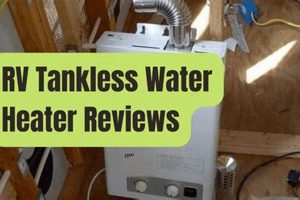
Tip 3: Appliance Protection: Drain the water heater and bypass it to prevent antifreeze contamination. Refer to the manufacturer’s instructions for specific precautions regarding refrigerators and other appliances.
Tip 4: Battery Maintenance: Remove the battery and store it in a climate-controlled environment. If removal is not feasible, ensure the battery is fully charged and disconnect it to prevent parasitic drain.
Tip 5: Sealing Entry Points: Inspect and seal any potential entry points for cold air, including windows, doors, and vents. Utilize appropriate caulking or sealant to prevent drafts and minimize heat loss.
Tip 6: Tire Protection: Elevate the trailer to reduce tire contact with the ground, or cover tires to shield them from direct sunlight and cold temperatures, which can cause cracking.
Tip 7: Roof Inspection: Conduct a thorough inspection of the roof for any signs of damage or leaks. Repair any issues before winter to prevent water intrusion and subsequent freezing damage.
Adherence to these protocols significantly reduces the potential for freeze-related damage, preserving the integrity and functionality of the recreational vehicle. Failing to execute these steps could result in costly repairs and decreased lifespan of the unit.
The subsequent section will elaborate on long-term storage considerations for recreational vehicles during the winter season.
1. Drain Water Systems

The complete evacuation of all water from a travel trailer’s plumbing network is a fundamental step in preparing the unit for cold weather exposure. Residual water within the system is prone to freezing, leading to expansion and potential rupture of pipes, fittings, and appliances. Comprehensive drainage mitigates this risk, forming a critical basis for effective cold-weather protection.
- Elimination of Freeze Points
Complete drainage targets all points where water might collect and freeze, including fresh water tanks, water lines, faucets, showerheads, and the water heater. Each component requires individual attention to ensure no standing water remains. Failure to address any single point can compromise the entire system.
- Compressed Air Assistance
Simple gravity drainage may not remove all water. The application of compressed air, introduced through a designated fitting, assists in expelling any remaining water from the lines. This method ensures more thorough removal, particularly in low-lying sections of the plumbing.
- Water Heater Considerations
Water heaters are particularly susceptible to freeze damage if not properly drained. Some units require bypassing to prevent antifreeze contamination of the potable water system. Always consult the manufacturer’s instructions for specific drainage procedures applicable to the water heater model.
- Low Point Drains
Most travel trailers are equipped with low-point drains specifically designed for water system drainage. These drains are located at the lowest points in the plumbing system to facilitate the removal of water that may have settled. Locating and opening these drains is a critical step in the drainage process.
Effective drainage, achieved through the combined application of gravity, compressed air, and specific appliance procedures, forms the cornerstone of protecting a travel trailer’s water system during winter. The thoroughness of this process directly correlates with the prevention of costly freeze damage, reinforcing its pivotal role in complete cold-weather preparation.
2. Add RV Antifreeze

The introduction of RV antifreeze into a travel trailer’s plumbing system represents a critical stage in cold-weather preparation. This process supplements the initial water drainage, providing an added layer of protection against residual water freezing and causing damage.
- Non-Toxic Formulation
RV antifreeze is specifically formulated to be non-toxic and safe for use in potable water systems. It differs significantly from automotive antifreeze, which is highly toxic and unsuitable for this application. The use of RV-specific antifreeze ensures the safety of the water system when it is reactivated in the spring.
- Displacement of Residual Water
Even after thorough drainage, trace amounts of water may remain trapped within the plumbing lines. RV antifreeze displaces this residual water, lowering the freezing point of any remaining liquid and preventing it from expanding and potentially rupturing pipes or fittings.
- Protection of Plumbing Components
RV antifreeze lubricates and protects seals and valves within the plumbing system, preventing them from drying out and cracking during periods of disuse. This maintenance function extends the lifespan of these components and minimizes the risk of leaks.
- Bypassing the Water Heater
The water heater should be bypassed before introducing RV antifreeze into the system. This prevents the antifreeze from filling the water heater tank, which would require a significant amount of antifreeze and may be difficult to flush out completely in the spring. A bypass kit simplifies this process.
The strategic application of RV antifreeze, following complete drainage and component-specific procedures, is essential for ensuring the longevity and integrity of a travel trailer’s plumbing system during freezing conditions. Proper implementation of this step greatly reduces the risk of costly repairs and ensures the system is ready for use when warmer weather returns.
3. Protect Plumbing Fixtures

The preservation of plumbing fixtures constitutes an integral component of the overall recreational vehicle cold-weather preparation process. Failure to adequately protect these fixtures can result in significant damage necessitating costly repairs. The relationship between safeguarding plumbing fixtures and comprehensive cold-weather readiness is therefore causal: insufficient protection directly increases the likelihood of fixture failure due to freezing.
Plumbing fixtures, including faucets, showerheads, toilets, and associated valves, are inherently vulnerable to damage from water expansion during freezing. For example, a faucet retaining residual water can crack or shatter under the pressure of ice formation. Similarly, toilet bowls and holding tanks are susceptible to cracking. Protection strategies involve both the removal of water from these fixtures and the introduction of RV-specific antifreeze to displace any remaining liquid. Furthermore, some fixtures may require physical insulation or wrapping to provide an additional barrier against extreme cold. The practical application of these methods ensures the structural integrity of the plumbing system throughout the winter months.
In conclusion, protecting plumbing fixtures is not merely an optional step, but a foundational requirement for effective recreational vehicle preparation. Neglecting this aspect can compromise the entire cold-weather readiness strategy, leading to extensive damage and diminished usability of the vehicle. By adhering to established protection protocols, owners can mitigate the risk of freeze-related failures and safeguard their investment.
4. Seal Exterior Openings

The process of sealing exterior openings represents a crucial element within a comprehensive recreational vehicle winterization plan. Unsealed gaps and crevices allow cold air infiltration, leading to decreased internal temperatures and increased risk of freezing within the vehicle’s infrastructure.
- Prevention of Heat Loss
Gaps around windows, doors, vents, and utility access points facilitate heat escape, demanding increased energy expenditure to maintain a moderate internal temperature (if the unit is heated) or accelerating the rate of temperature reduction within the unit if unheated. Effective sealing minimizes heat loss, contributing to energy conservation and reducing the likelihood of freezing conditions inside the vehicle.
- Moisture Intrusion Barrier
Inadequately sealed exterior openings permit the entry of moisture in the form of rain, snow, or condensation. Accumulated moisture increases the risk of mold and mildew growth and can contribute to the freezing of internal components. Sealing these openings creates a barrier against moisture intrusion, preserving the integrity of the vehicle’s interior.
- Pest Deterrent
Exterior openings provide entry points for pests, including rodents and insects, seeking shelter from cold weather. These pests can cause significant damage to the vehicle’s wiring, insulation, and interior structures. Effective sealing of openings acts as a physical barrier, deterring pest entry and mitigating potential damage.
- Maintaining Structural Integrity
Consistent exposure to moisture and fluctuating temperatures can compromise the structural integrity of the trailer over time. The expansion and contraction caused by freeze-thaw cycles can lead to cracks and weakening of materials. Sealing exterior openings helps to regulate the internal environment and reduce the stress on the vehicle’s structure, contributing to its longevity.
The meticulous sealing of exterior openings, therefore, is not merely a cosmetic consideration but rather a vital component of safeguarding a recreational vehicle against the adverse effects of winter weather. Comprehensive sealing provides a multi-faceted defense against heat loss, moisture intrusion, pest infestation, and structural degradation, collectively contributing to the successful preservation of the unit during the off-season.
5. Battery Storage Protocol

A defined battery storage protocol is an indispensable element of winterizing a travel trailer. Cold temperatures can significantly diminish battery capacity and lifespan; therefore, appropriate storage procedures are crucial for maintaining battery health during the off-season. Neglecting the battery during winter can lead to irreversible damage, rendering it unusable when the travel trailer is recommissioned.
The primary objective of a battery storage protocol is to minimize self-discharge and prevent freezing. Batteries naturally lose charge over time, but cold temperatures accelerate this process. Furthermore, a fully discharged battery is particularly susceptible to freezing, which can cause irreparable internal damage. The protocol typically involves removing the battery from the travel trailer, cleaning the terminals, fully charging the battery, and storing it in a cool, dry place that remains above freezing. Some owners opt for trickle chargers or battery maintainers to offset self-discharge during storage, ensuring the battery retains a full charge throughout the winter months.
Adherence to a rigorous battery storage protocol guarantees optimal battery performance and longevity. By mitigating self-discharge and preventing freezing, the protocol ensures the battery will be ready for immediate use when the travel trailer is prepared for use in warmer months. This, in turn, averts unexpected costs associated with battery replacement, contributing to the overall cost-effectiveness of winterizing a travel trailer.
Frequently Asked Questions
The following addresses common inquiries regarding the methodologies and rationales for safeguarding recreational vehicles during periods of freezing temperatures. The provided information seeks to clarify uncertainties and promote informed decision-making.
Question 1: What constitutes the most critical step in preparing a recreational vehicle for cold weather?
The complete and thorough drainage of the water system is paramount. Residual water is prone to freezing, leading to expansion and potential rupture of pipes, fittings, and appliances. Effective drainage forms the foundational basis for all subsequent protective measures.
Question 2: Is RV antifreeze truly necessary, even after draining the water system?
Despite thorough drainage, trace amounts of water invariably remain within the plumbing lines. RV antifreeze displaces this residual water, lowering the freezing point and preventing potential expansion-related damage. It also lubricates seals and valves, preventing them from drying and cracking.
Question 3: Can automotive antifreeze be substituted for RV antifreeze?
Under no circumstances should automotive antifreeze be introduced into a recreational vehicle’s potable water system. Automotive antifreeze is highly toxic and poses a significant health risk if ingested. RV antifreeze is specifically formulated to be non-toxic and safe for use in potable water systems.
Question 4: How essential is it to seal exterior openings prior to winter storage?
Sealing exterior openings prevents the infiltration of cold air and moisture, minimizing heat loss and reducing the risk of freezing within the vehicle. These preventative measures also serve as a barrier against pest intrusion, safeguarding the vehicle from potential damage.
Question 5: What are the recommended procedures for storing a recreational vehicle battery during the winter?
The battery should be removed from the vehicle, cleaned, fully charged, and stored in a cool, dry place that remains above freezing. Some owners opt for trickle chargers or battery maintainers to counteract self-discharge during extended storage periods.
Question 6: Is it necessary to cover a recreational vehicle during the winter?
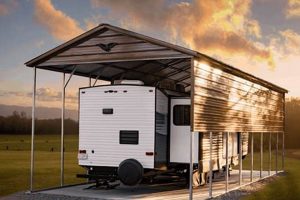
While not strictly mandatory, covering a recreational vehicle with a breathable RV cover provides additional protection against the elements, including snow, ice, and ultraviolet radiation. Such covers help to preserve the exterior finish and prevent potential water damage.
In summary, comprehensive preparation demands meticulous attention to detail and adherence to established protocols. These preventative actions are essential for safeguarding the structural integrity and functional components of the recreational vehicle during periods of freezing temperatures.
The final section presents a comprehensive checklist to help ensure thorough preparation is complete.
Effective RV Protection
The aforementioned procedures represent a comprehensive approach to mitigate cold-weather damage. From meticulously draining water lines to properly storing batteries and sealing entry points, each step is vital for maintaining the structural and functional integrity of the unit. A proactive methodology prevents costly repairs and extends the lifespan of the recreational vehicle.
Diligent adherence to a detailed preparation plan is critical. The long-term benefits of performing these tasks far outweigh the investment of time and resources. Owners must view cold-weather preparation not as an option, but as a necessary preservation effort to ensure the continued usability and value of their travel trailer.