![Best Toy Hauler Travel Trailer Floor Plans [Guide]](data:image/svg+xml;base64,PHN2ZyB4bWxucz0iaHR0cDovL3d3dy53My5vcmcvMjAwMC9zdmciIHdpZHRoPSI0NzQiIGhlaWdodD0iNTEiIHZpZXdCb3g9IjAgMCA0NzQgNTEiPjxyZWN0IHdpZHRoPSIxMDAlIiBoZWlnaHQ9IjEwMCUiIHN0eWxlPSJmaWxsOiNjZmQ0ZGI7ZmlsbC1vcGFjaXR5OiAwLjE7Ii8+PC9zdmc+ "Best Toy Hauler Travel Trailer Floor Plans [Guide] Best Travel Tips for Adventurers: Explore the World on a Budget")
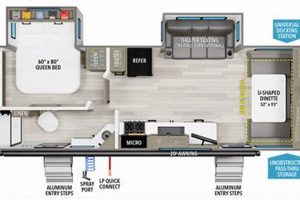
These arrangements detail the interior layout options for recreational vehicles designed to transport recreational vehicles like motorcycles, ATVs, or other equipment. The arrangements illustrate the configuration of living spaces, garage areas, and integrated features within the trailer. For example, a plan might showcase a living area that converts into a sleeping space, adjacent to a partitioned garage area with tie-down points for securing cargo.
The availability of diverse layouts provides consumers with the ability to select a configuration that aligns with their specific needs and preferences. These plans are critical for optimizing space utilization and functionality within the confines of the trailer, facilitating both recreational activities and secure transport of valuable equipment. Historically, such designs have evolved to accommodate increasing demands for versatility and efficient space management within the RV industry.
The following sections will explore the common features, considerations, and design variations encountered when selecting the appropriate configuration for a specific hauling and living requirement. This includes an examination of garage area dimensions, living space amenities, and the overall impact of chosen configurations on tow vehicle compatibility and travel logistics.
Layout Optimization Tips
Careful consideration of the design is crucial to maximizing the utility and comfort of the recreational vehicle. A well-chosen arrangement can significantly enhance both the transport capabilities and the living experience.
Tip 1: Prioritize Garage Space Requirements: Accurately assess the dimensions of the recreational vehicles to be transported. Ensure the garage area’s length, width, and height adequately accommodate the largest item, accounting for tie-down space and accessibility for loading and unloading.
Tip 2: Evaluate Living Area Functionality: Scrutinize the arrangement of living spaces, including kitchen, sleeping, and bathroom areas. Determine if the proposed configuration effectively accommodates the intended number of occupants and provides sufficient storage for personal belongings and supplies.
Tip 3: Consider Multi-Purpose Spaces: Seek out arrangements that incorporate flexible spaces, such as convertible sofas or dinettes that transform into beds. This maximizes space utilization and allows the trailer to adapt to varying needs, whether transporting cargo or accommodating additional guests.
Tip 4: Assess Weight Distribution: Analyze the weight distribution implications of the chosen design. Ensure the layout allows for balanced loading of cargo and supplies to maintain stability and prevent excessive tongue weight. Consult with a qualified RV technician to ensure compliance with weight limits.
Tip 5: Review Ramp Door Specifications: Examine the ramp door’s weight capacity, angle, and surface traction. Verify that it can safely accommodate the recreational vehicles being transported and that the angle of the ramp is manageable for loading and unloading.
Tip 6: Investigate Storage Solutions: Thoroughly evaluate available storage options, including cabinets, drawers, and exterior compartments. Determine if the quantity and location of storage spaces meet the anticipated needs for tools, equipment, and personal items.
Tip 7: Analyze Ventilation and Climate Control: Confirm that the design provides adequate ventilation and climate control, particularly in the garage area. Proper ventilation helps to dissipate fumes and prevent moisture buildup, while effective climate control ensures comfortable living conditions.
By carefully considering these factors, individuals can select a layout that optimizes space utilization, enhances functionality, and ensures both safe transport of cargo and comfortable living conditions.
The following section will explore the various design styles and aesthetic considerations relevant to selecting the optimal recreational vehicle layout.
1. Garage dimensions

Garage dimensions represent a fundamental element within recreational vehicle configurations, directly dictating the transportable cargo. The internal garage dimensions, encompassing length, width, and height, impose physical constraints on the type and quantity of recreational vehicles that can be securely accommodated. For instance, a configuration with a shorter garage limits the ability to transport longer motorcycles or larger ATVs, thereby reducing the trailer’s overall utility for owners with diverse recreational vehicle collections. A layout illustrating longer garage dimensions enables accommodation of multiple motorcycles or a single, larger UTV. Conversely, a layout design with insufficient height prevents the loading of taller side-by-sides or modified vehicles.
The selection of a specific layout is therefore contingent upon an accurate assessment of the cargo’s dimensions. Consumers must consider not only the static dimensions of their recreational vehicles but also any additional space required for tie-down points, access for securing straps, and safe clearances during loading and unloading. Furthermore, the garage area frequently serves as a multi-purpose space, potentially accommodating portable generators, tool storage, or even temporary sleeping quarters. In such scenarios, the garage dimensions must be sufficient to accommodate both the recreational vehicles and any supplementary equipment, requiring a compromise between cargo capacity and living space.
In summary, garage dimensions serve as a critical determinant of a configuration’s practicality and functionality. The interplay between garage dimensions, storage space and overall transport capacity dictates the utility of that particular design. Understanding this relationship is essential for consumers to make informed decisions and select a configuration that effectively aligns with their specific hauling and recreational needs. Failure to accurately assess these spatial requirements can lead to limitations in cargo capacity, reduced utility, and ultimately, dissatisfaction with the investment.
2. Living area layout
The configuration of the living area within recreational vehicle designs is intrinsically linked to the overall design’s functionality. The living area, encompassing kitchen, sleeping, and seating arrangements, dictates the comfort and usability of the trailer when it is not actively transporting recreational vehicles. The selection of a particular arrangement directly influences the number of occupants the trailer can comfortably accommodate, the level of amenities available, and the overall living experience. The design, for instance, may feature a combined kitchen and living space for enhanced social interaction or separate partitioned areas to afford privacy. A design prioritizing maximum sleeping capacity might incorporate bunk beds or convertible furniture, while a configuration focused on luxury might feature a larger kitchen area, multiple seating arrangements, and upgraded appliances. This arrangement selection directly impacts the experience of living in the trailer for an extended period of time.
The practical significance of understanding the relationship between the design and living area functionality lies in its impact on the overall user experience. Individuals using the recreational vehicle primarily for short weekend trips may prioritize a design with a compact living area and ample garage space for transporting their recreational vehicles. Conversely, those planning extended vacations might opt for a configuration that dedicates more space to the living area, prioritizing comfort and convenience over maximum hauling capacity. This balance affects how often and how much people will enjoy and utilize their trailer.
In summary, the living area arrangement serves as a critical component in the overall recreational vehicle configuration. The selection of the layout must align with the intended use of the trailer, balancing the need for comfortable living accommodations with the demands of recreational vehicle transport. A poorly chosen living area arrangement can lead to discomfort, inconvenience, and reduced overall satisfaction, highlighting the importance of carefully considering these factors when selecting the design.
3. Storage capacity

Storage capacity, within the context of recreational vehicle configurations, directly influences the practicality and user satisfaction associated with each design. Available space for equipment, supplies, and personal belongings is a critical consideration, particularly for extended trips or full-time living within the trailer.
- Interior Cabinetry and Compartments
Interior storage solutions, such as overhead cabinets, under-bed compartments, and kitchen pantries, determine the amount of essential supplies occupants can carry. A configuration lacking sufficient interior storage will necessitate external storage solutions or reduce the duration of possible trips. The placement and accessibility of these storage spaces significantly impact the day-to-day convenience of living in the recreational vehicle.
- Garage Area Utilization
The garage area, in addition to its primary function of transporting recreational vehicles, frequently serves as a secondary storage space for tools, equipment, and outdoor gear. A design that incorporates integrated storage solutions within the garage area, such as shelving, cabinets, or wall-mounted organizers, enhances the utility of this space and reduces clutter. However, prioritizing garage storage must be balanced against the need to accommodate recreational vehicles.
- Exterior Storage Compartments
Exterior storage compartments provide additional space for items not requiring climate control or frequent access, such as camping equipment, spare parts, and waste management supplies. The size, number, and location of these compartments impact the trailer’s overall storage capacity and convenience. A configuration with limited exterior storage may necessitate the use of the tow vehicle for transporting additional supplies.
- Weight Considerations
Increasing storage capacity also increases the potential for exceeding the trailer’s weight limits, impacting safety and fuel efficiency. Owners must carefully manage the weight of items placed in storage compartments to ensure compliance with weight ratings. A design that incorporates lighter materials or strategic placement of storage compartments can mitigate these concerns.
Therefore, careful consideration of the balance between interior amenities and transport needs is crucial. A design that effectively integrates storage solutions throughout the trailer, without compromising the functionality of other spaces or exceeding weight limits, will provide the most satisfying user experience.
4. Ramp door specifications
Ramp door specifications represent a critical component within the overall design of configurations. These specifications directly dictate the usability and safety of the trailer for loading and unloading recreational vehicles. Inadequate ramp door specifications can severely limit the type and size of recreational vehicles that can be transported, negating the primary purpose of the design. For example, a configuration featuring a high garage floor and a short ramp door creates a steep loading angle, potentially preventing low-clearance motorcycles or ATVs from being safely loaded. Conversely, a trailer with a ramp door possessing insufficient weight capacity risks structural failure during loading, resulting in property damage or personal injury.
Ramp door width affects the ease with which vehicles can be loaded; narrower doors can increase the difficulty of loading wider vehicles. Ramp door material also plays a role, affecting durability, traction, and weight. Real-world examples illustrate the importance of understanding the specifications. A buyer who intends to haul a heavy UTV should ensure the ramp door’s weight rating significantly exceeds the UTV’s weight. This will ensure safe operation and prevent premature wear or failure of the ramp. Some designs incorporate ramp doors that double as patios or decks when deployed, increasing their functionality. However, such features must not compromise the ramp’s primary purpose of facilitating safe and efficient loading.
In summation, ramp door specifications are inextricably linked to the design’s functionality and safety. Understanding the interplay between ramp door dimensions, weight capacity, and angle is crucial for selecting a configuration that effectively meets individual hauling needs. Failure to carefully consider these specifications can lead to significant limitations in the trailer’s utility and potential safety hazards. The understanding is essential for maximizing utility in a design.
5. Weight distribution

Weight distribution is a paramount consideration in configuration design. The manner in which weight is distributed throughout the trailer directly impacts towing safety, vehicle handling, and overall structural integrity.
- Axle Placement and Loading
Axle placement within the arrangement critically influences weight distribution. Configurations with axles positioned too far forward or rearward can result in excessive tongue weight or sway, respectively. Proper loading techniques, ensuring heavier items are placed over or slightly ahead of the axles, are essential for maintaining stability. Improper loading can compromise tow vehicle control, especially during emergency maneuvers or adverse weather conditions.
- Garage Orientation and Cargo Placement
The positioning of the garage area within the arrangement impacts the distribution of weight when recreational vehicles are loaded. Configurations with the garage located at the rear of the trailer may exhibit a tendency to sway, particularly if the recreational vehicles are heavy or improperly secured. Centrally located garages generally offer improved stability, but require careful consideration of overall length and tow vehicle capacity. For example, a configuration with an off-center garage requires strategic cargo placement to compensate for the uneven weight distribution.
- Water Tank and Holding Tank Location
The placement of water tanks and holding tanks within the recreational vehicle arrangement also affects weight distribution. Full water tanks can add significant weight, particularly when positioned far from the axles. Likewise, uneven filling of holding tanks can create imbalances. Consideration must be given to the tank locations and their capacity when selecting a design. Integrating the tanks into the plan so that even when full they do not negatively affect the weight is critical for safety and stability.
- Furniture and Appliance Placement
Even the placement of furniture and appliances within the living area contributes to weight distribution. Heavy appliances, such as refrigerators or generators, should be positioned near the axles to minimize their impact on tongue weight and sway. Secure mounting of all interior components is essential to prevent shifting during transit, which can alter the distribution of weight and compromise stability.
Weight distribution is inherently linked to the effectiveness of configurations. Proper consideration of these elements ensures that the recreational vehicle can be towed safely and predictably. Failure to address weight distribution issues can lead to hazardous towing conditions, premature wear on tires and suspension components, and potentially catastrophic accidents.
6. Convertible spaces

Convertible spaces within the design of configurations directly address the challenge of optimizing functionality within a limited area. The inherent dual-purpose nature of these spaces enhances the utility of the overall design, allowing the area to serve multiple functions based on the immediate needs of the user.
- Sofa Beds and Dinette Conversions
Sofa beds and dinette conversions represent common examples of convertible spaces found within these configurations. During daylight hours, these areas function as living and dining spaces, respectively. At night, they transform into sleeping areas, effectively increasing the sleeping capacity of the trailer without requiring dedicated bedrooms. The quality and ease of conversion mechanisms directly impact the user experience. For example, a sofa bed with a cumbersome folding mechanism may discourage frequent use, diminishing its value as a convertible space.
- Garage Area Transformations
The garage area itself can be designed to serve as a convertible space. Folding furniture, removable tie-down points, and integrated entertainment systems can transform the garage into a living area or a recreational space when the recreational vehicles are not being transported. In this scenario, careful planning of the garage layout is critical to ensure that the transformation process is efficient and convenient. The ability to convert the garage into a living area extends the usability of the overall configuration, allowing occupants to maximize their living space.
- Outdoor-Indoor Transitions
Designs that incorporate features such as fold-down patios or screen rooms attached to the ramp door create a seamless transition between indoor and outdoor spaces. These convertible spaces effectively extend the living area of the trailer, providing occupants with additional room for relaxation and entertainment. The inclusion of weather-resistant materials and integrated lighting enhances the usability of these spaces in varying conditions. Such expansions improve overall functionality within a design.
- Storage Integration
Convertible spaces often incorporate integrated storage solutions to maximize their functionality. For instance, a dinette area that converts into a bed may also feature under-seat storage compartments for bedding and personal belongings. Similarly, the garage area may include wall-mounted storage systems that can be easily folded away when not in use. These integrated storage solutions contribute to a more organized and efficient use of space, enhancing the overall usability of the configuration.
The strategic incorporation of convertible spaces is essential for optimizing functionality and user satisfaction within the limited confines of configurations. By carefully planning and designing these spaces, manufacturers can create designs that adapt to the evolving needs of the user, providing a versatile and comfortable recreational living experience.
7. Ventilation

Ventilation represents a critical design consideration within recreational vehicle configurations. The effective management of airflow directly impacts occupant comfort, indoor air quality, and the prevention of moisture-related damage. These factors are significant in evaluating suitability of layouts.
- Moisture Control and Condensation Prevention
Inadequate ventilation contributes to the buildup of moisture within the trailer, leading to condensation on windows and walls. This moisture can promote the growth of mold and mildew, creating unhealthy living conditions and potentially damaging interior surfaces. Effective ventilation systems, including roof vents, powered fans, and strategically placed windows, facilitate the removal of excess moisture, mitigating the risk of condensation and associated problems. The number and placement of these elements are important for design.
- Fume and Odor Removal
The garage area of these recreational vehicles is often used for storing and servicing recreational vehicles, leading to the accumulation of fumes from gasoline, oil, and cleaning products. Insufficient ventilation in the garage area can result in the migration of these fumes into the living area, creating an unpleasant and potentially hazardous environment. Properly designed ventilation systems, including dedicated exhaust fans, ensure the effective removal of fumes and odors, maintaining a safe and comfortable living space. The location of the fans must be carefully considered.
- Temperature Regulation and Thermal Comfort
Effective ventilation plays a critical role in temperature regulation within the trailer. During warm weather, ventilation systems promote airflow, reducing the buildup of heat and improving thermal comfort. Conversely, during cold weather, controlled ventilation minimizes heat loss while preventing the buildup of moisture. The strategic placement of vents and windows, combined with the use of powered fans, allows occupants to optimize temperature regulation and maintain a comfortable living environment. These must be considered in both the garage and the living area.
- Air Quality and Allergen Reduction
Ventilation systems can improve indoor air quality by removing airborne pollutants, allergens, and dust particles. High-efficiency particulate air (HEPA) filters integrated into ventilation systems can capture microscopic particles, reducing allergen levels and promoting healthier living conditions. Regular maintenance of ventilation systems, including filter replacement, is essential for maintaining optimal air quality. The system choice will affect health.
The integration of effective ventilation systems into recreational vehicle designs represents a crucial element in ensuring occupant comfort, safety, and long-term durability. Proper planning and implementation of ventilation strategies mitigates risks associated with moisture buildup, fume accumulation, and poor air quality. The strategic placement of the ventilation system ensures designs are practical and safe.
Frequently Asked Questions
The following questions and answers address common inquiries concerning configuration layouts, providing insights into their functionalities, limitations, and selection criteria.
Question 1: What factors dictate the optimal garage size for a configuration?
Garage size must accommodate the largest recreational vehicle to be transported, with allowances for tie-down points and loading clearance. Future acquisition of larger recreational vehicles should also be considered to prevent obsolescence of the configuration.
Question 2: How does axle placement affect the towing characteristics of a configuration?
Axle placement significantly influences tongue weight and stability. Improper axle placement can result in excessive sway or difficulty in maintaining directional control, particularly at highway speeds or in windy conditions.
Question 3: What are the key considerations when evaluating the ramp door specifications?
Ramp door specifications include weight capacity, length, and angle. The weight capacity must exceed the heaviest recreational vehicle to be loaded, while the length and angle should facilitate safe and easy loading, even for low-clearance vehicles.
Question 4: How do convertible spaces contribute to the overall utility of a configuration?
Convertible spaces, such as sofa beds and dinette conversions, maximize functionality by allowing a single area to serve multiple purposes. This is particularly beneficial in configurations where space is limited, enabling increased sleeping capacity or expanded living areas.
Question 5: What role does ventilation play in maintaining a healthy and comfortable living environment?
Effective ventilation removes moisture, fumes, and odors, preventing the growth of mold and mildew and ensuring good air quality. Adequate ventilation is crucial for both occupant health and the long-term preservation of the trailer’s interior.
Question 6: How does weight distribution influence the safe operation of a recreational vehicle design?
Proper weight distribution prevents excessive tongue weight, sway, and uneven tire wear. Even distribution of cargo and supplies is essential for maintaining stability and control during towing, reducing the risk of accidents.
In summary, the selection of a configuration requires a thorough understanding of various interconnected factors, including garage dimensions, axle placement, ramp door specifications, convertible spaces, ventilation, and weight distribution. Careful consideration of these elements ensures the optimal balance between functionality, safety, and comfort.
The following section will detail emerging trends and innovations in configuration designs.
Conclusion
The preceding analysis explored various facets of recreational vehicle designs, emphasizing the critical interplay between garage dimensions, axle placement, ramp door specifications, convertible spaces, ventilation, and weight distribution. Understanding these elements allows for the selection of a configuration that aligns with specific needs and priorities. Effective designs balance hauling capacity with comfortable living accommodations.
The evolution of “toy hauler travel trailer floor plans” continues to address the increasing demands for versatility and convenience within the recreational vehicle industry. A thorough evaluation of individual requirements remains essential for making informed decisions and maximizing the utility of this investment, ensuring both safe transport and enjoyable living experiences. Further research into specific design options is advised before committing to a purchase.