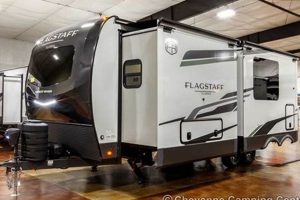
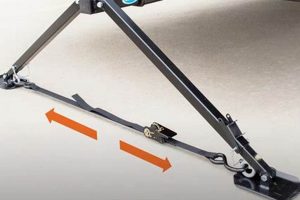
The modification of a recreational vehicle’s undercarriage to improve ride quality, handling, and load-bearing capacity is a common practice. These alterations can involve replacing or augmenting existing components such as springs, shocks, and axles. As an example, swapping leaf springs for a system with air bags can provide a more controlled and comfortable towing experience.
Enhancing a recreational vehicle’s undercarriage is vital for safety, longevity, and overall satisfaction. A well-maintained and appropriately modified system reduces stress on the frame, minimizes wear and tear on tires, and contributes to a smoother journey. Historically, improvements in this area have evolved alongside advancements in automotive engineering and the growing demand for comfortable recreational travel.
The following sections will delve into the specific types of components used in these modifications, factors to consider when selecting the appropriate options, and the potential benefits and drawbacks of various approaches.
Essential Considerations
Proper planning and execution are critical when modifying a recreational vehicle’s undercarriage. The following guidelines offer valuable insight into achieving optimal results.
Tip 1: Determine Load Requirements: Before selecting any new parts, accurately assess the trailer’s typical cargo weight. This will prevent overloading and ensure the system is appropriately rated for the intended use. Consult the trailer’s manufacturer specifications and weigh the loaded trailer at a certified scale.
Tip 2: Evaluate Existing Components: A thorough inspection of existing springs, shocks, axles, and hangers is essential. Identifying worn or damaged components will highlight areas needing attention and inform the selection of replacement parts.
Tip 3: Consider Road Conditions: The type of terrain the trailer will frequently encounter should influence the decision-making process. Off-road applications may necessitate heavy-duty springs, robust shocks, and reinforced hangers.
Tip 4: Research Compatibility: Ensure that any replacement or additional components are compatible with the trailer’s frame, axle configuration, and braking system. Incorrectly matched parts can compromise safety and performance.
Tip 5: Professional Installation: While some modifications can be performed by experienced individuals, complex installations, such as axle replacements or air suspension systems, should be entrusted to qualified professionals. Proper installation is crucial for safety and longevity.
Tip 6: Regular Maintenance: After modifying the recreational vehicle’s undercarriage, establish a routine maintenance schedule. This includes inspecting springs, shocks, hangers, and axles for wear, damage, and proper lubrication. Address any issues promptly to prevent further complications.
Adhering to these guidelines will enhance the performance, safety, and longevity of the recreational vehicle’s undercarriage. Accurate assessment, careful planning, and professional execution are paramount.
The next section will examine specific types of upgrades and their individual benefits and drawbacks.
1. Load Capacity

Load capacity represents the maximum weight a travel trailer’s undercarriage is designed to safely support, encompassing the trailer’s dry weight, cargo, fluids, and passengers. Exceeding this limit places undue stress on the system, potentially leading to component failure and hazardous operating conditions. Undercarriage enhancements directly address this concern by increasing the GVWR (Gross Vehicle Weight Rating), thereby allowing the trailer to safely carry a greater payload. For example, replacing stock axles with higher-rated alternatives can substantially increase the trailer’s ability to handle heavier loads without compromising structural integrity.
The importance of load capacity in undercarriage modifications is highlighted by the real-world consequences of ignoring it. Overloaded trailers exhibit reduced braking efficiency, impaired handling, and increased tire wear, creating significant safety risks. Furthermore, exceeding the GVWR can void warranties and potentially lead to legal liabilities in the event of an accident. Therefore, determining the trailer’s typical load and selecting upgrades that adequately accommodate it is a critical step in the modification process.
In summary, load capacity is a fundamental consideration when undertaking recreational vehicle undercarriage enhancements. A thorough understanding of its limitations, coupled with the selection of appropriate and professionally installed upgrades, is essential for ensuring safe and reliable operation. Ignoring this critical factor can have severe consequences, underscoring the practical significance of meticulous planning and execution.
2. Ride Quality

Undercarriage enhancements directly influence ride quality by mitigating the effects of road irregularities on the recreational vehicle. The relationship between the two is causal: modifications designed to absorb shocks, dampen vibrations, and maintain stability translate directly into a smoother, more comfortable towing experience. Ride quality is a critical component of undercarriage enhancements because it affects not only passenger comfort but also the structural integrity of the trailer itself. Excessive jarring and vibration can lead to premature wear and tear on internal components, loosening fasteners, and potential damage to appliances and fixtures.
Examples of improvements that significantly enhance ride quality include the installation of air suspension systems, which allow for adjustable stiffness based on load and road conditions, and the replacement of standard leaf springs with multi-leaf or parabolic designs, which offer improved flexibility and reduced harshness. Furthermore, upgrading to gas-charged shock absorbers provides superior damping compared to traditional hydraulic shocks, minimizing bouncing and sway. The practical application of these upgrades is evident in scenarios such as traversing uneven terrain or navigating winding roads, where a well-tuned undercarriage can significantly reduce driver fatigue and improve overall control.
In summary, ride quality is a paramount consideration in recreational vehicle undercarriage enhancements, impacting both comfort and structural durability. A comprehensive understanding of the cause-and-effect relationship between undercarriage components and ride quality, coupled with the selection of appropriate modifications, is essential for achieving a safe and enjoyable towing experience. The challenges lie in balancing cost, complexity, and performance to optimize ride quality without compromising other critical factors such as load capacity and stability. Ultimately, a well-executed upgrade contributes to the longevity of the trailer and the well-being of its occupants.
3. Component Durability

The long-term reliability of a recreational vehicle’s undercarriage is inextricably linked to the durability of its constituent components. Enhancements to this system, intended to improve performance and safety, must prioritize the use of materials and designs engineered to withstand the rigors of travel and environmental exposure. The selection of durable components is not merely a matter of extending service life; it is a fundamental prerequisite for maintaining the operational integrity and safety of the entire vehicle.
- Material Selection and Resistance to Corrosion
The choice of materials, particularly concerning their resistance to corrosion, plays a pivotal role in determining component durability. Undercarriage components are exposed to moisture, road salts, and debris, all of which can accelerate corrosion and weaken structural integrity. Stainless steel, high-strength alloys with protective coatings, and reinforced polymers are commonly employed to mitigate these effects. For example, axles constructed from high-tensile steel and coated with a durable epoxy primer exhibit superior resistance to rust and fatigue compared to standard carbon steel axles. The practical implication of this material selection is a prolonged service life, reduced maintenance requirements, and enhanced safety due to the reduced risk of structural failure.
- Weld Quality and Joint Integrity
The quality of welds and the overall integrity of joints are critical determinants of the undercarriage system’s ability to withstand stress and vibration. Poorly executed welds or improperly designed joints can create stress concentrations, leading to premature cracking and failure. Certified welders employing appropriate techniques, such as MIG or TIG welding, are essential for ensuring strong and reliable joints. Furthermore, rigorous testing and inspection procedures, including visual inspections and non-destructive testing methods, are necessary to verify weld quality. In real-world scenarios, such as navigating rough roads or encountering sudden impacts, properly welded and reinforced joints are essential for maintaining the structural integrity of the entire system and preventing catastrophic failures.
- Load Rating and Fatigue Resistance
The load rating of each component, including springs, axles, and hangers, must be carefully matched to the expected load and operating conditions. Components that are consistently subjected to loads exceeding their design limits will experience accelerated fatigue and premature failure. High-quality springs with a sufficient load rating, axles constructed from high-strength materials, and reinforced hangers are crucial for ensuring long-term durability. For example, upgrading to heavier-duty springs with a higher spring rate can significantly increase the undercarriage’s ability to withstand heavy loads without experiencing excessive sagging or bottoming out. The practical consequence of selecting components with appropriate load ratings is a reduced risk of fatigue-related failures and extended service life.
- Environmental Considerations and Protection
The environment in which the recreational vehicle operates significantly impacts component durability. Exposure to extreme temperatures, UV radiation, and abrasive elements can accelerate degradation and reduce service life. Protective coatings, such as powder coating or galvanizing, can provide a barrier against these environmental factors. Additionally, regular cleaning and maintenance, including the application of protective lubricants, are essential for preserving component integrity. In harsh environments, such as coastal regions or areas with frequent snow and ice, selecting components specifically designed for these conditions is crucial. The practical benefit of considering environmental factors and implementing appropriate protective measures is a prolonged component lifespan and reduced maintenance costs.
These facets are interconnected and collectively contribute to the overall durability of the recreational vehicle undercarriage. The selection of durable materials, the use of high-quality welds, the careful consideration of load ratings, and the implementation of environmental protection measures are all essential for ensuring the long-term reliability and safety of the system. Prioritizing component durability during undercarriage enhancements is not merely a matter of extending service life; it is a fundamental prerequisite for maintaining the operational integrity of the entire vehicle and protecting its occupants.
4. Installation Complexity

The execution of recreational vehicle undercarriage enhancements is directly affected by the complexity of the installation process. This facet encompasses the range of skills, tools, and time required to properly implement modifications, influencing not only the cost of the enhancement but also its safety and long-term performance. The inherent difficulty of an upgrade dictates whether professional assistance is necessary or if a competent individual can undertake the task. Modifications involving welding, intricate alignments, or adjustments to braking systems invariably demand specialized expertise.
The correlation between installation complexity and the ultimate success of recreational vehicle undercarriage enhancements is critical. Inadequately installed components can compromise the structural integrity of the system, leading to premature wear, reduced handling capabilities, and potentially dangerous operating conditions. As an illustration, improperly aligned axles can result in uneven tire wear, increased fuel consumption, and compromised braking performance. In instances where suspension modifications alter the vehicle’s geometry, professional alignment is essential to maintain optimal handling and stability. The selection of undercarriage improvements should, therefore, take into account the installer’s capabilities and the specific demands of the task.
In summary, installation complexity is a vital element in planning recreational vehicle undercarriage enhancements. A thorough understanding of the skill sets and resources needed for each modification is crucial for ensuring safe and effective outcomes. Choosing improvements that align with the installer’s expertise minimizes the risk of errors, reduces long-term maintenance expenses, and ultimately contributes to a more reliable and comfortable recreational vehicle experience. Prioritizing proper installation techniques is paramount in realizing the full benefits of undercarriage enhancements.
5. Cost Analysis

Cost analysis is an indispensable element in the consideration of recreational vehicle undercarriage enhancements. This analysis encompasses not only the initial purchase price of components but also the long-term expenses associated with installation, maintenance, and potential repairs. A comprehensive evaluation of these factors is essential for making informed decisions that align with budgetary constraints and performance objectives.
- Initial Component Costs
The upfront expense of undercarriage components varies significantly depending on the type of modification and the quality of materials used. Air suspension systems, for instance, generally entail a higher initial investment than traditional leaf spring replacements. Similarly, high-performance shock absorbers constructed from premium materials command a higher price than standard alternatives. The selection of components should consider not only the immediate budget but also the long-term value proposition. Investing in higher-quality components may translate into reduced maintenance costs and increased longevity, offsetting the initial price difference.
- Installation Expenses
Installation costs are a significant component of the overall cost analysis. The complexity of the modification dictates the labor hours required and the potential need for specialized equipment or expertise. Tasks such as axle replacements or custom fabrication typically necessitate professional assistance, incurring additional expenses. Conversely, simpler modifications, such as shock absorber replacements, may be undertaken by competent individuals, reducing labor costs. A thorough assessment of the installer’s capabilities and the specific demands of the task is crucial for accurately estimating installation expenses.
- Maintenance and Repair Costs
The long-term costs associated with maintaining and repairing undercarriage components are an important consideration in the cost analysis. Components subjected to heavy use or harsh environmental conditions may require more frequent maintenance or repairs. Selecting durable materials and implementing preventative maintenance measures can mitigate these costs. For example, regularly lubricating suspension components and inspecting for signs of wear or damage can prolong their service life and prevent costly repairs. A comprehensive cost analysis should account for the potential expenses associated with replacement parts, labor, and downtime.
- Fuel Efficiency Implications
While not always immediately apparent, undercarriage enhancements can indirectly affect fuel efficiency. Modifications that increase the recreational vehicle’s weight or alter its aerodynamic profile can impact fuel consumption. For example, adding heavier-duty axles or raising the vehicle’s ride height can increase drag and reduce fuel economy. A cost analysis should consider these potential fuel efficiency implications and weigh them against the benefits of the modification. Selecting components that minimize weight and maintain aerodynamic efficiency can help mitigate these effects.
In summary, cost analysis is a critical aspect of planning recreational vehicle undercarriage enhancements. A thorough evaluation of initial component costs, installation expenses, maintenance and repair costs, and fuel efficiency implications is essential for making informed decisions that align with budgetary constraints and performance objectives. A comprehensive cost analysis enables individuals to optimize the value proposition of their undercarriage modifications and ensure a safe and enjoyable recreational vehicle experience.
6. Maintenance Requirements

Modifications to a travel trailer’s undercarriage system, while intended to enhance performance and durability, invariably introduce new maintenance considerations. The cause-and-effect relationship between these enhancements and upkeep protocols is direct: any alteration to the original design necessitates adjustments to inspection schedules, lubrication routines, and potential component replacement intervals. Overlooking the increased maintenance demand associated with these modifications can negate their intended benefits, leading to premature wear, compromised safety, and increased long-term costs. An air suspension system, for instance, requires regular inspection of air lines and compressor components, a task not necessary with standard leaf springs. This illustrates the expanded scope of maintenance following undercarriage upgrades.
The importance of adhering to revised maintenance schedules post-enhancement is further underscored by considering specific examples. Upgrading to heavier-duty axles necessitates periodic checks of bearing lubrication and seal integrity to prevent overheating and subsequent failure. Replacing standard shock absorbers with high-performance adjustable units demands periodic calibration and inspection for fluid leaks. Failure to comply with these requirements not only reduces the lifespan of the upgraded components but also potentially jeopardizes the structural integrity of the entire undercarriage system. Furthermore, modifications that involve welding or custom fabrication may require periodic inspections to identify potential stress cracks or corrosion, particularly in areas exposed to harsh environmental conditions. These observations accentuate the practical significance of adopting a proactive maintenance approach after undercarriage modifications.
In summary, alterations to a recreational vehicle’s undercarriage system create a corresponding need for adjusted maintenance protocols. Neglecting these maintenance requirements can undermine the benefits of the modifications and increase the risk of component failure. Consistent inspection, proper lubrication, and timely component replacement are essential for maximizing the lifespan, performance, and safety of the enhanced undercarriage system. Therefore, owners should carefully weigh the maintenance implications of any undercarriage enhancement before implementation, ensuring they are prepared to meet the ongoing demands of the modified system.
7. Safety Standards

The adherence to established safety standards is paramount when considering modifications to a travel trailer’s suspension system. These standards, often codified in regulations and best practices, are designed to ensure the vehicle operates within safe parameters, minimizing the risk of accidents and component failures. Suspension system modifications that deviate from these standards can compromise vehicle stability, braking performance, and overall structural integrity.
- Federal Motor Vehicle Safety Standards (FMVSS) Compliance
FMVSS represents a set of United States federal regulations governing the design, construction, performance, and durability of motor vehicles and motor vehicle equipment. Suspension system modifications must not compromise compliance with applicable FMVSS regulations. For example, alterations that affect braking system performance or vehicle stability control systems may violate FMVSS standards, potentially leading to legal ramifications and safety hazards. Ensuring that modifications meet or exceed FMVSS requirements is crucial for maintaining the vehicle’s legal and operational integrity.
- Weight Rating and Load Capacity Certifications
Safety standards dictate specific weight ratings and load capacity certifications for suspension components, including axles, springs, and tires. Exceeding these ratings can lead to catastrophic failures, such as axle breakage or tire blowouts, resulting in loss of control and potential accidents. Modifications must maintain or improve upon the original equipment manufacturer’s (OEM) weight ratings and load capacity certifications. Upgrading to higher-rated components, such as axles with increased GVWR (Gross Vehicle Weight Rating), is often necessary to accommodate increased payloads safely.
- Braking System Compatibility and Performance
The braking system is intrinsically linked to the suspension system, and modifications to one must consider the impact on the other. Safety standards mandate specific braking performance requirements, including stopping distances and brake force distribution. Suspension modifications that alter the vehicle’s geometry or weight distribution can affect braking performance, potentially compromising safety. Ensuring that braking system compatibility is maintained or improved through the use of appropriate components, such as upgraded brake controllers or larger brake rotors, is essential for complying with safety standards.
- Professional Installation and Inspection Protocols
Safety standards often stipulate the use of qualified professionals for the installation of suspension system modifications, particularly those involving welding, fabrication, or alterations to critical structural components. Professional installation ensures that modifications are performed correctly and meet established engineering standards. Independent inspection protocols are also recommended to verify the integrity and safety of the modified system. Documenting the modifications and obtaining certifications from qualified inspectors can provide assurance that the work meets applicable safety standards and regulations.
These facets underscore the importance of adhering to established safety standards when undertaking travel trailer suspension upgrades. Compliance with FMVSS regulations, maintenance of weight rating certifications, preservation of braking system compatibility, and the utilization of professional installation protocols are all essential for ensuring that modifications enhance, rather than compromise, the safety and operational integrity of the vehicle. Ignoring these considerations can have severe consequences, emphasizing the need for a thorough understanding of applicable safety standards and their implications.
Frequently Asked Questions
The following questions address common inquiries regarding the modification of a recreational vehicle’s undercarriage. Accurate information is critical when considering such alterations.
Question 1: What is the primary benefit of a travel trailer suspension upgrade?
The primary benefit lies in enhanced ride quality and improved handling characteristics. These upgrades can also increase load-carrying capacity and reduce stress on the trailer frame.
Question 2: How does one determine if a travel trailer needs suspension upgrades?
Signs indicating a need for upgrades include excessive bouncing, swaying, uneven tire wear, and difficulty maintaining control while towing. A professional inspection can provide a more definitive assessment.
Question 3: What are the most common types of travel trailer suspension upgrades?
Common upgrades encompass replacing leaf springs with heavier-duty versions, installing air suspension systems, upgrading shock absorbers, and reinforcing or replacing axles.
Question 4: Does a suspension upgrade increase the legal load-carrying capacity of a travel trailer?
While upgrades can enhance the system’s ability to handle greater loads, they do not automatically increase the legally permissible GVWR (Gross Vehicle Weight Rating). Exceeding the GVWR remains illegal and unsafe.
Question 5: Is it possible to perform a travel trailer suspension upgrade independently, or is professional installation required?
The complexity of the upgrade dictates the need for professional installation. Complex modifications, such as axle replacements or air suspension installations, should be entrusted to qualified technicians. Simpler upgrades may be undertaken by experienced individuals.
Question 6: What are the potential drawbacks of travel trailer suspension upgrades?
Potential drawbacks include increased cost, added weight, and the potential for voiding manufacturer warranties. Careful planning and the selection of appropriate components can mitigate these concerns.
Accurate information is essential when considering such alterations. The specific needs and requirements of the travel trailer should be carefully evaluated before proceeding.
The subsequent section will delve into specific case studies highlighting the application and results of recreational vehicle undercarriage modifications.
Conclusion
The preceding discussion has explored the multifaceted aspects of travel trailer suspension upgrades. Key points have included the importance of load capacity, ride quality enhancements, component durability, the complexities of installation, the need for rigorous cost analysis, adherence to maintenance requirements, and unwavering compliance with safety standards. These elements collectively determine the success and longevity of any suspension modification endeavor.
Given the critical impact of a recreational vehicle’s undercarriage on safety and overall enjoyment, a deliberate and informed approach to these enhancements is essential. Further research, professional consultation, and a thorough assessment of individual needs are strongly advised before proceeding with any modification. The long-term consequences of neglecting these considerations can outweigh any perceived short-term benefits.