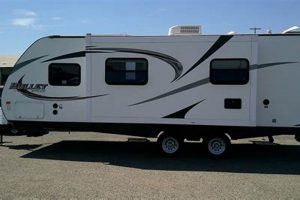
The act of connecting a recreational vehicle designed for habitation to a motorized vehicle for transportation is a common practice among outdoor enthusiasts. This process involves using a hitch system to securely link the two vehicles, allowing the motorized vehicle to pull the recreational vehicle. For example, a pickup truck may be used to move a mobile living space to a campsite.
The ability to transport a personal living space offers significant advantages, including enhanced travel flexibility and cost-effectiveness compared to hotel accommodations. Historically, this method of travel has evolved from simple horse-drawn wagons to sophisticated systems employing advanced engineering and safety features, providing individuals and families the freedom to explore diverse locations while maintaining a level of comfort and convenience.
Understanding the principles of weight distribution, hitch selection, and safe driving practices is essential for successful and secure mobile habitation experiences. Subsequent sections will address these critical aspects, encompassing pre-trip preparation, on-the-road techniques, and post-trip maintenance, ensuring a comprehensive guide for responsible transport.
Essential Guidance for Mobile Habitation Transport
Ensuring a secure and efficient experience requires meticulous preparation and adherence to best practices. The following guidance outlines critical considerations for those engaging in this activity.
Tip 1: Weight Distribution is paramount. Proper balancing of cargo within the recreational unit is crucial to prevent sway and maintain vehicle stability. Distribute heavier items low and centered over the axle(s).
Tip 2: Select an Appropriate Hitch. The hitch system must be rated to handle the combined weight of the towing vehicle and the recreational unit. Consult manufacturer specifications and ensure professional installation.
Tip 3: Conduct Pre-Trip Inspections. Before each journey, thoroughly inspect tires, lights, brakes, and all connecting hardware. Verify tire pressure and ensure all safety chains are correctly attached.
Tip 4: Practice Defensive Driving Techniques. Increase following distance and anticipate longer braking distances. Avoid sudden maneuvers and be mindful of wind conditions, which can significantly impact vehicle handling.
Tip 5: Utilize Tow Mirrors. Extended side mirrors are essential for maintaining visibility and awareness of surrounding traffic. Adjust mirrors to eliminate blind spots and improve overall safety.
Tip 6: Adhere to Speed Limits. Observe posted speed limits and adjust speed according to road conditions and weather. Excessive speed increases the risk of accidents and reduces fuel efficiency.
Tip 7: Plan Rest Stops. Fatigue can impair judgment and reaction time. Schedule regular rest stops to stretch, hydrate, and refocus. Consider sharing driving duties with a qualified co-driver.
Understanding and implementing these guidelines contributes significantly to a safer and more enjoyable journey. Prioritizing safety and preparedness is essential for all participants.
The subsequent sections will delve into specific maintenance procedures and long-term care strategies to ensure the longevity and optimal performance of both the towing vehicle and the mobile living space.
1. Weight Distribution

Weight distribution is a critical factor when transporting mobile living spaces, directly impacting stability, handling, and safety. Proper distribution minimizes sway, reduces stress on the towing vehicle, and optimizes braking performance. Incorrect weight distribution can lead to hazardous situations, including loss of control.
- Tongue Weight Optimization
Tongue weight, the downward force exerted by the recreational unit on the hitch, should typically be between 10% and 15% of the total weight of the unit. Insufficient tongue weight can cause instability and sway, while excessive tongue weight can overload the rear axle of the towing vehicle, compromising steering and braking.
- Lateral Balance
Uneven distribution of weight from side to side can create lateral instability. Heavy items should be distributed evenly on both sides to maintain balance and prevent tilting during turns or when encountering crosswinds. This is particularly important for units with slide-outs or water tanks located on one side.
- Axle Load Limits
Exceeding the axle load limits of either the recreational unit or the towing vehicle can lead to tire failure, brake malfunction, and structural damage. Ensure that the weight on each axle does not exceed the manufacturer’s specified rating. This often requires weighing the unit at a certified scale to determine the actual axle weights.
- Cargo Placement Considerations
Heavy cargo should be placed low and centered over the axle(s) of the recreational unit. Placing heavy items towards the front or rear can significantly alter the tongue weight and increase the risk of sway. Secure all cargo to prevent shifting during transit, which can further disrupt weight distribution.
Effective weight management is not merely a suggestion, but a necessity for safe mobile habitation transport. Understanding and implementing proper weight distribution techniques significantly reduces the risk of accidents and ensures a more controlled and enjoyable experience. Consulting with a professional and utilizing appropriate weighing equipment is highly recommended to ensure optimal weight distribution before each journey.
2. Hitch Compatibility

Selecting the appropriate hitch system is paramount for the safe and effective transport of mobile living spaces. Proper hitch compatibility ensures a secure connection between the towing vehicle and the unit, preventing detachment and maintaining stability. Mismatched or inadequate hitch systems can lead to catastrophic failures and hazardous situations.
- Hitch Class Selection
Hitch classes, ranging from Class I to Class V, are defined by their weight capacity and intended use. Selecting a hitch class that falls below the combined weight of the towing vehicle and the mobile living space can result in structural failure. Overloading a hitch beyond its specified rating introduces significant risk. For example, a Class III hitch, typically rated for up to 8,000 pounds, should not be used to haul a mobile living space exceeding that weight, even if the towing vehicle’s capacity appears adequate. Ignoring this specification compromises the entire system.
- Ball Mount and Ball Size
The ball mount must have a rise or drop that allows the unit to sit level when connected to the towing vehicle. An unlevel unit can negatively impact handling and increase the risk of sway. Furthermore, the ball size must match the coupler size on the unit. Using an incorrect ball size can lead to coupler detachment, especially during turns or over uneven terrain. Standard ball sizes include 1 7/8″, 2″, and 2 5/16″. Verification of proper fit is imperative.
- Weight Distribution Hitches
For heavier mobile living spaces, a weight distribution hitch is often necessary. This type of hitch system redistributes weight from the rear axle of the towing vehicle to all axles, improving stability and control. Weight distribution hitches typically include spring bars that apply tension to level the towing vehicle and reduce sway. Using a weight distribution hitch when required by the unit’s weight is essential for safe handling, particularly at higher speeds or in adverse weather conditions.
- Sway Control Devices
Sway control devices are designed to mitigate sway, or lateral movement, of the unit. These devices can be friction-based or electronic. Friction-based sway control systems resist lateral movement, while electronic systems use sensors to detect sway and apply corrective braking. While not always mandatory, sway control devices are highly recommended, especially for longer units or when frequent travel in windy conditions is anticipated. They provide an added layer of safety and stability.
Hitch compatibility is not merely a matter of physical connection, but a comprehensive assessment of weight ratings, ball size, leveling, and sway control. Failure to address these elements can compromise safety and lead to significant damage. Consulting with a qualified professional and adhering to manufacturer specifications are essential steps in ensuring a secure and compatible hitch system for the selected mobile living space.
3. Braking Systems

Effective braking systems are critically important for the safe transport of mobile living spaces. The increased weight and inertia associated with mobile units demand careful consideration of braking performance to prevent accidents and maintain control during deceleration.
- Electric Brakes
Many mobile living spaces are equipped with electric brakes, which are activated by a controller in the towing vehicle. The controller sends an electrical signal to the unit’s brakes, applying them proportionally to the towing vehicle’s braking effort. Malfunctioning electric brakes significantly increase stopping distances and can lead to instability. Regular inspection and adjustment of electric brake components are essential. For example, corroded wiring or worn brake shoes can reduce braking effectiveness, posing a serious risk.
- Brake Controllers
The brake controller in the towing vehicle must be properly calibrated to match the weight and braking characteristics of the mobile living space. An improperly calibrated controller can apply the unit’s brakes too aggressively or not aggressively enough, leading to uneven braking and potential loss of control. Many modern brake controllers offer automatic calibration based on driving conditions, while others require manual adjustments. Regular testing and recalibration are recommended, especially after changes in load or after maintenance on the braking system.
- Breakaway Systems
Breakaway systems are a critical safety feature designed to automatically apply the unit’s brakes if it becomes detached from the towing vehicle. The system consists of a cable connected to the towing vehicle and a switch on the unit. If the unit separates, the cable pulls the switch, activating the brakes. A functional breakaway system can prevent a runaway unit from causing significant damage or injury. Routine inspection of the breakaway cable and switch is necessary to ensure proper operation. A corroded or damaged cable can render the system useless in an emergency.
- Hydraulic Surge Brakes
Some smaller mobile living spaces utilize hydraulic surge brakes, which are activated by the inertia of the unit pushing against the hitch when the towing vehicle decelerates. These systems are simpler than electric brakes but may not provide the same level of control, particularly in emergency braking situations. Regular inspection of the hydraulic lines and brake cylinders is essential to prevent leaks and ensure proper braking function. A loss of hydraulic fluid can render the brakes ineffective.
The braking systems of both the towing vehicle and the mobile living space must work in harmony to ensure safe deceleration. Regular maintenance, proper calibration, and functional breakaway systems are essential components of responsible operation. Ignoring these critical elements increases the risk of accidents and compromises the safety of all involved.
4. Tire Integrity

Tire integrity is a non-negotiable aspect of safely transporting mobile living spaces. Degradation in tire condition, whether on the towing vehicle or the recreational unit, directly affects handling, braking distance, and overall stability. The added weight and altered dynamics inherent in these operations place significant stress on tires, accelerating wear and increasing the risk of failure. A tire blowout while moving a mobile living space can lead to catastrophic loss of control, resulting in accidents, property damage, and potential injuries. For example, a seemingly minor sidewall bulge, often overlooked, can rapidly escalate into a complete tire failure under the strain of highway speeds and heavy loads.
Regular inspection is paramount. Check tire pressure before each journey, adhering to the manufacturer’s recommended specifications, not the maximum listed on the tire sidewall. Verify that tires are free from cuts, bulges, or uneven wear patterns, which indicate underlying mechanical issues like misalignment or suspension problems. Consider the age of the tires, regardless of tread depth. Rubber compounds degrade over time, leading to diminished performance and increased susceptibility to failure, even if the tires appear visually sound. Many tire manufacturers recommend replacing tires after a certain number of years, regardless of usage. Furthermore, ensure that the tires are rated to handle the maximum load they will bear. Exceeding the tire’s load rating significantly increases the risk of blowouts and compromises braking performance. This information is usually found on the tire sidewall, identified as the load index.
Neglecting tire integrity when moving mobile living spaces is akin to overlooking a critical safety component. The consequences of tire failure can be severe, underscoring the necessity for meticulous inspection, proper maintenance, and timely replacement. Understanding load ratings, adhering to inflation guidelines, and prioritizing tire condition contribute directly to a safer experience, mitigating risks associated with this type of transportation.
5. Vehicle Capacity

Vehicle capacity constitutes a critical constraint when transporting mobile living spaces. The gross vehicle weight rating (GVWR) and the gross combined weight rating (GCWR) define the upper limits of safe operation. Exceeding either rating compromises vehicle handling, braking performance, and structural integrity, potentially leading to accidents. For example, a light-duty truck with a GVWR of 7,000 pounds must not exceed that weight when fully loaded, including passengers, cargo, and the tongue weight of the mobile living space. Ignoring this limit can overload the suspension and braking systems, significantly increasing stopping distances and reducing stability.
Careful calculation of actual weights is essential. The curb weight of the towing vehicle, the weight of passengers and cargo, and the tongue weight of the unit must be added together to determine the actual gross vehicle weight (GVW). This value should not exceed the GVWR. Similarly, the combined weight of the towing vehicle and the fully loaded mobile living space must not exceed the GCWR. It’s important to note that manufacturers’ stated weights for mobile living spaces are often dry weights, excluding water, propane, and personal belongings. These additions can significantly increase the unit’s actual weight, necessitating careful consideration. For instance, filling a 50-gallon water tank adds approximately 400 pounds, impacting both the GVW and GCWR.
Understanding and adhering to vehicle capacity ratings are fundamental to safe mobile habitation transport. The interplay between GVWR, GCWR, actual weights, and the specifications of both the towing vehicle and the mobile living space dictates operational safety. Accurate weight assessment, conservative weight management, and adherence to manufacturer guidelines are essential. Disregarding these limits creates hazardous conditions, potentially resulting in mechanical failure, accidents, and legal liabilities. Prioritizing weight compliance ensures responsible and secure transport.
6. Route Planning

Route planning is an indispensable element for anyone engaging in the mobile habitation transport. The physical dimensions and weight characteristics of recreational units impose significant constraints on route selection. Ignoring these factors can lead to vehicle damage, increased fuel consumption, and hazardous situations. Low-clearance bridges, steep grades, and narrow roadways unsuitable for larger vehicles must be identified and avoided during the planning phase. For example, attempting to navigate a mountainous region with a lengthy mobile living space without considering the impact of steep inclines on engine performance and braking effectiveness can result in overheating, brake failure, and loss of control.
Specific factors warrant careful evaluation. Bridge weight restrictions represent a primary concern, requiring adherence to posted weight limits. The presence of propane tanks on many recreational units necessitates avoiding tunnels that prohibit the transport of hazardous materials. Road construction and temporary closures present dynamic challenges, necessitating real-time adjustments and alternative route selection. Furthermore, identifying rest areas, fuel stations suitable for larger vehicles, and service facilities along the planned route is crucial for ensuring a comfortable and safe journey. Digital mapping tools offer valuable resources, providing detailed information on road grades, bridge clearances, and the locations of relevant amenities. Consulting state and local transportation departments can provide access to specific restrictions and advisories.
Effective route planning transcends mere navigation; it represents a proactive approach to mitigating risks and ensuring a successful journey. Thorough preparation, consideration of vehicle specifications, and utilization of available resources contribute to a safer and more efficient transport process. Failure to prioritize route planning can lead to costly delays, vehicle damage, and potentially life-threatening situations. Prioritizing planning ensures a smoother experience.
7. Legal Compliance
Adherence to legal requirements is indispensable for individuals engaging in the transport of mobile living spaces. Various federal, state, and local regulations govern the operation of vehicles and the transport of goods, necessitating thorough understanding and strict compliance to ensure safe and lawful conduct.
- Licensing and Endorsements
Many jurisdictions mandate specific driver’s licenses or endorsements for individuals operating vehicles above a certain weight or transporting mobile living spaces exceeding specified dimensions. For example, a commercial driver’s license (CDL) may be required if the combined gross vehicle weight rating (GCVWR) exceeds 26,000 pounds, or if the unit being transported is designed to carry more than 15 passengers. Failing to possess the required license or endorsement can result in fines, penalties, and impoundment of the vehicle.
- Weight and Size Restrictions
Each state establishes maximum weight and size limits for vehicles operating on its roadways. These limits pertain to overall length, width, height, and axle weights. Exceeding these limits can result in substantial fines and may require obtaining special permits for oversize or overweight loads. For instance, a recreational unit exceeding 8.5 feet in width may require a wide-load permit, specifying approved routes and times of travel.
- Equipment Requirements
Regulations often dictate specific equipment requirements for vehicles transporting mobile living spaces. These requirements may include functional brake controllers, breakaway systems, safety chains, and proper lighting. For example, many states require mobile units exceeding a certain weight to be equipped with functioning electric brakes and a breakaway system capable of automatically applying the brakes in the event of separation. Non-compliance can lead to fines and being prohibited from operating the vehicle.
- Interstate Travel Regulations
Interstate travel necessitates compliance with the regulations of each state traversed. Regulations can vary significantly from state to state, concerning speed limits, lighting requirements, and restrictions on the transport of certain items. For example, some states may prohibit the transport of propane tanks through specific tunnels or require vehicles exceeding a certain length to use designated routes. Careful planning and adherence to the regulations of each state are essential for avoiding violations and ensuring safe passage.
Ignoring legal compliance can lead to significant financial penalties, legal liabilities, and compromised safety. Understanding and adhering to all applicable federal, state, and local regulations represents a fundamental responsibility for individuals engaging in the transport of mobile living spaces. Proactive research, meticulous planning, and strict adherence to the law are essential for lawful operation.
Frequently Asked Questions
This section addresses frequently asked questions concerning the safe and responsible transport of mobile habitation units. The information provided is intended to clarify common points of concern and promote informed decision-making.
Question 1: What is the recommended tongue weight for a recreational unit?
The recommended tongue weight typically falls between 10% and 15% of the unit’s total weight. Deviations from this range can compromise stability and handling.
Question 2: How often should the tires on a recreational unit be inspected?
Tires should be inspected before each journey. Checks for proper inflation, wear, and damage are crucial for preventing tire failure.
Question 3: Is a weight distribution hitch always necessary when transporting a mobile living space?
Weight distribution hitches are recommended for heavier units to redistribute weight and improve stability. The necessity depends on the combined weight of the towing vehicle and recreational unit, as well as the specifications of the hitch system.
Question 4: What is the purpose of a breakaway system on a recreational unit?
The breakaway system automatically activates the unit’s brakes in the event of separation from the towing vehicle, preventing a runaway situation.
Question 5: Are there specific speed limits applicable to vehicles transporting mobile living spaces?
Some jurisdictions impose lower speed limits on vehicles transporting recreational units. Local regulations should be consulted to ensure compliance.
Question 6: How can sway be minimized when transporting a mobile living space?
Sway can be minimized through proper weight distribution, the use of sway control devices, and adherence to safe driving practices.
In summary, responsible transportation of mobile habitation units necessitates a comprehensive understanding of safety protocols, equipment requirements, and legal obligations. Prioritizing these aspects contributes to a safer and more enjoyable travel experience.
The subsequent section will address best practices for long-term storage and maintenance, ensuring the longevity and optimal performance of mobile habitation units.
Towing a Travel Trailer
This exploration has underscored the multifaceted nature of safely and effectively towing a travel trailer. Critical considerations, including weight distribution, hitch compatibility, braking systems, tire integrity, vehicle capacity, route planning, and legal compliance, demand meticulous attention and adherence to established best practices. Failure to address any of these elements can compromise the stability, handling, and overall safety of the transport operation.
The responsible transportation of mobile living spaces requires diligence, preparedness, and a commitment to prioritizing safety above all else. Continued adherence to established guidelines, proactive maintenance, and ongoing education are essential for ensuring the well-being of all parties involved and the preservation of the environment. The future of sustainable and safe travel with mobile living spaces depends on the collective commitment to responsible practices.