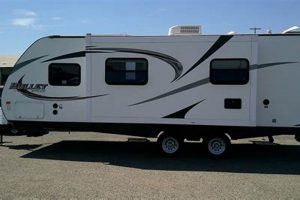
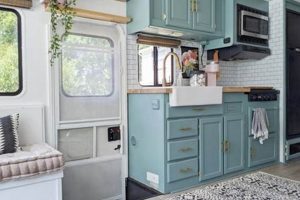
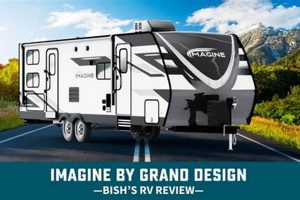
A particular type of recreational vehicle, designed for towing and temporary living, is manufactured by Grand Design RV. This model emphasizes a blend of luxury amenities and functional design for extended travel and camping. The units are characterized by features intended to enhance the user experience, such as residential-style kitchens, spacious living areas, and ample storage.
The popularity of this specific recreational vehicle stems from its reputation for quality construction and attention to detail. The integration of high-end materials and innovative floor plans distinguishes it within the broader market of towable RVs. Its design caters to individuals and families seeking a comfortable and convenient travel experience, allowing for extended stays in various environments while maintaining a sense of home. The brand’s commitment to customer satisfaction and its responsive service network contribute to its strong standing in the recreational vehicle industry.
The subsequent sections will detail specific aspects of this recreational vehicle including its floor plans, construction materials, standard features, available options, and considerations for ownership. This information is intended to provide a comprehensive overview for prospective buyers or those seeking to learn more about this class of RV.
Essential Guidance for Owning and Maintaining a Grand Design RV
This section provides pertinent recommendations for maximizing the longevity and usability of a Grand Design RV, ensuring a rewarding ownership experience.
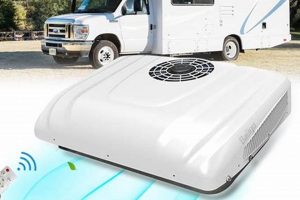
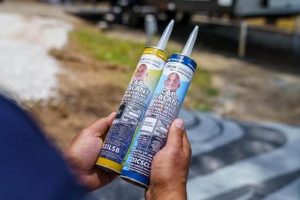
Tip 1: Regular Roof Inspection: Conduct thorough roof inspections at least twice annually, paying particular attention to sealants around vents, air conditioners, and skylights. Promptly reseal any areas exhibiting cracking or deterioration to prevent water intrusion.
Tip 2: Tire Pressure Monitoring: Maintain proper tire inflation levels as specified by the tire manufacturer. Use a reliable tire pressure gauge and check pressures before each trip and periodically during extended journeys. Underinflated tires can lead to premature wear and potential blowouts.
Tip 3: Bearing Maintenance: Inspect and repack wheel bearings annually, or every 12,000 miles, whichever comes first. Proper lubrication is critical to prevent bearing failure and ensure smooth, safe towing. Consider upgrading to sealed bearings for reduced maintenance requirements.
Tip 4: Water System Sanitization: Sanitize the fresh water system at least twice a year, or after periods of non-use. Use a solution of bleach and water, following the manufacturer’s instructions for proper dilution and flushing. This practice eliminates bacteria and algae, ensuring a safe and potable water supply.
Tip 5: Slide-Out Maintenance: Lubricate slide-out mechanisms regularly with a dry lubricant specifically designed for RV applications. Inspect seals for damage or wear, and replace as needed. Proper lubrication prevents binding and ensures smooth, reliable operation.
Tip 6: Proper Winterization: If the unit will be stored in freezing temperatures, winterize the water system to prevent pipe bursts and damage to plumbing fixtures. This involves draining all water lines, adding RV antifreeze, and insulating exposed pipes.
Tip 7: Leveling Practices: Employ leveling blocks or automatic leveling systems to ensure the recreational vehicle is properly leveled at the campsite. Proper leveling enhances the functionality of appliances, prevents undue stress on the frame, and improves overall comfort within the living space.
Adhering to these guidelines will contribute significantly to the reliable operation, prolonged lifespan, and sustained value of the specified recreational vehicle. Diligent maintenance practices yield long-term benefits.
The subsequent section will explore common issues and troubleshooting techniques related to the specified recreational vehicle.
1. Luxury Appointments

Luxury appointments within this recreational vehicle directly influence its appeal and market positioning. These features extend beyond basic functionality, encompassing high-end materials, advanced technology, and refined design elements. The inclusion of such appointments differentiates the recreational vehicle from standard models, enhancing user experience and overall satisfaction. For example, the use of solid surface countertops in the kitchen and bathroom areas provides durability and aesthetic appeal compared to laminate alternatives. Furthermore, integrated entertainment systems with premium sound and large-screen televisions contribute to a residential-like atmosphere, promoting comfort and relaxation during travel.
The presence of these upscale elements affects not only the initial purchase decision but also the long-term value and usability of the recreational vehicle. Owners often cite luxury appointments as a key factor in their decision to invest in this specific model. The enhanced features contribute to a sense of ownership pride and improve the overall travel experience, encouraging more frequent use. This translates into greater long-term value through consistent enjoyment and potential resale advantages. Consider, for example, the impact of an upgraded climate control system; this ensures consistent temperature regulation, increasing comfort in various climates and making extended stays more enjoyable. Similarly, the inclusion of a power awning with integrated LED lighting enhances outdoor living spaces, expanding the functionality of the recreational vehicle and providing a more versatile experience.
In summary, luxury appointments are integral to the identity and value proposition of the specified recreational vehicle. They contribute directly to user satisfaction, enhancing both the practical and emotional aspects of ownership. While representing a higher initial investment, these features can translate into greater long-term value through increased usability, durability, and potential resale advantages. Therefore, understanding the specific luxury appointments and their impact is crucial for prospective buyers evaluating this type of recreational vehicle.
2. Spacious Floorplans

Spacious floorplans constitute a fundamental design element contributing significantly to the appeal and functionality of the Grand Design recreational vehicle. The availability of diverse floorplan configurations directly affects the living experience within the unit. Larger, more open layouts facilitate greater mobility and comfort for occupants, particularly during extended periods of travel or residence. Conversely, constrained floorplans can lead to feelings of confinement and limit the utility of the recreational vehicle. The interior volume provided by a well-designed floorplan allows for the incorporation of residential-style furniture and appliances, further enhancing the comfort and convenience of the living space. Real-life examples, such as models featuring opposing slide-outs in the living area, create a significant increase in usable square footage, mimicking the layout of a small apartment. This added space allows for greater flexibility in furniture arrangement and facilitates social interaction among occupants. The practical significance of understanding floorplan options lies in selecting a configuration that aligns with individual or family needs and travel preferences.
Further analysis reveals that floorplan design influences storage capacity and accessibility. Strategic placement of storage compartments, pantries, and wardrobes within a spacious layout optimizes the use of available space, minimizing clutter and maximizing organization. For instance, certain floorplans incorporate walk-in closets or pass-through storage areas accessible from both the interior and exterior of the recreational vehicle, providing convenient solutions for storing bulky items. Moreover, the spatial arrangement of the kitchen and bathroom areas is critical to functionality. A well-designed kitchen should provide ample counter space, adequate storage for cookware and utensils, and efficient workflow patterns. Similarly, a spacious bathroom should include a comfortable shower, sufficient vanity space, and convenient access to toiletries. Examples of practical applications include floorplans specifically designed for couples, featuring a dedicated master suite with a private bathroom, and floorplans optimized for families, with bunk beds and multiple seating areas.
In conclusion, spacious floorplans are an integral component of this type of recreational vehicle, significantly influencing user comfort, convenience, and overall satisfaction. The selection of an appropriate floorplan should be based on a careful assessment of individual needs and travel styles. Challenges may arise in balancing the desire for increased living space with the limitations imposed by towing capacity and campsite accessibility. Understanding the diverse floorplan options available and their respective advantages is crucial for making an informed purchase decision. This understanding links directly to the broader theme of optimizing the travel experience through thoughtful recreational vehicle design.
3. Residential amenities

Residential amenities within a Grand Design recreational vehicle are designed to replicate the comforts and conveniences of a traditional home, enhancing the long-term livability and overall experience for occupants. These features distinguish it from more basic recreational vehicles, appealing to individuals seeking extended travel or full-time living arrangements.
- Full-Sized Kitchen Appliances
The inclusion of full-sized refrigerators, ovens, and microwaves mirrors the functionality of a residential kitchen. These appliances allow for the preparation of complete meals, reducing reliance on processed foods and dining out. This is particularly beneficial for extended trips where convenient, healthy meal options may be limited. Larger refrigerators provide ample storage for fresh ingredients, and full-sized ovens permit baking and roasting, contributing to a more familiar and comfortable cooking experience.
- Upgraded Bathroom Fixtures
Residential-style bathroom fixtures, such as porcelain toilets, spacious showers, and vanities with ample storage, elevate the hygiene and comfort within the recreational vehicle. These features contrast with the more utilitarian fixtures found in basic models, offering a more pleasant and practical bathroom environment. Some models incorporate features like glass shower doors and residential-style faucets, further enhancing the overall feel and usability of the bathroom.
- Advanced Entertainment Systems
Entertainment systems featuring large-screen televisions, premium sound systems, and integrated media centers provide access to a variety of entertainment options, comparable to those found in a residential setting. These systems facilitate relaxation and entertainment during travel or while stationary, allowing occupants to enjoy movies, music, and other media without compromising on quality or convenience. Features such as satellite connectivity and streaming capabilities further expand entertainment options, ensuring connectivity and access to preferred content.
- Comfortable Sleeping Arrangements
The inclusion of residential-quality mattresses, spacious bedrooms, and ample storage for clothing and personal belongings contributes significantly to the comfort and functionality of the sleeping area. These features prioritize restful sleep and efficient organization, essential for maintaining well-being during extended travel. Some models offer adjustable beds or upgraded mattress options to accommodate individual preferences and ensure optimal comfort.
The integration of these residential amenities underscores the design philosophy of Grand Design, aiming to provide a home-like environment within the confines of a travel trailer. These features not only enhance the comfort and convenience of the living space but also contribute to the overall value and desirability of the recreational vehicle. This focus on residential-style living is a key differentiator, attracting buyers who prioritize comfort and convenience during their travels.
4. Towing Considerations

The selection and operation of a Grand Design travel trailer are intrinsically linked to towing considerations. Understanding these factors is paramount to ensure safe and efficient transport, as well as prevent damage to both the trailer and the tow vehicle.
- Gross Vehicle Weight Rating (GVWR) Compliance
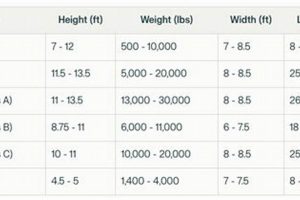
The GVWR, representing the maximum permissible weight of the loaded trailer, dictates the necessary towing capacity of the vehicle. Exceeding the tow vehicle’s GVWR can compromise braking performance, stability, and structural integrity. Manufacturers provide GVWR specifications which prospective owners must meticulously consider to avoid overloading. Example: A recreational vehicle with a GVWR of 10,000 pounds requires a tow vehicle rated to handle at least that weight, along with consideration for passengers, cargo, and hitch weight.
- Hitch Compatibility and Classification
Hitch classification, ranging from Class I to Class V, corresponds to the maximum weight it can safely tow. Mismatched hitches and trailers pose a significant safety risk. Properly matching the hitch class to the trailer’s weight and tongue weight is critical. Example: A Class III hitch is generally suitable for smaller travel trailers, while larger models necessitate a Class IV or V hitch, potentially requiring specialized weight distribution systems.
- Braking System Integration
Larger travel trailers are equipped with electric brakes that must be properly integrated with the tow vehicle’s braking system. A brake controller, installed in the tow vehicle, allows the driver to modulate the trailer brakes for optimal stopping power and stability. Failure to properly install and configure a brake controller can significantly increase stopping distances and heighten the risk of accidents. Example: A properly adjusted brake controller activates the trailer brakes slightly before the tow vehicle’s brakes, preventing trailer sway and ensuring controlled deceleration.
- Weight Distribution and Sway Control
Uneven weight distribution within the trailer and the effects of wind can induce trailer sway, compromising stability and control. Weight distribution hitches and sway control devices are designed to counteract these effects. These systems distribute the trailer’s tongue weight more evenly across the tow vehicle’s axles and minimize lateral movement. Example: A weight distribution hitch transfers some of the trailer’s weight from the rear axle to the front axle of the tow vehicle, improving steering control and reducing the likelihood of sway, particularly in windy conditions or during emergency maneuvers.
These interconnected factors directly impact the safe and efficient operation of a Grand Design travel trailer. Careful consideration of GVWR, hitch compatibility, braking systems, and weight distribution is crucial for responsible ownership. Improper towing practices can lead to accidents, vehicle damage, and voided warranties, highlighting the importance of adhering to manufacturer specifications and recommended safety protocols.
5. Construction Quality

Construction quality is a paramount consideration when evaluating a Grand Design travel trailer, directly influencing its durability, longevity, and overall value. Superior construction translates to enhanced structural integrity, reduced maintenance costs, and improved occupant safety. The materials, manufacturing processes, and quality control measures employed during production collectively determine the long-term performance of the recreational vehicle.
- Frame Integrity and Welding
The foundation of any travel trailer is its frame. High-quality steel frames with robust welding are essential for withstanding the stresses of towing and varying terrains. Substandard welding or inferior steel can lead to frame cracks, weakening the structure and compromising safety. Grand Design often uses powder-coated steel frames, which provide enhanced corrosion resistance compared to painted frames. Example: Regular inspections for rust or cracks, particularly at weld points, can reveal potential structural weaknesses.
- Wall and Roof Construction
Wall and roof construction directly impact insulation, weather resistance, and overall structural integrity. Well-insulated walls and roofs contribute to energy efficiency and occupant comfort, while durable exterior materials protect against the elements. Grand Design often utilizes laminated wall and roof panels, providing superior strength and insulation compared to traditional stick-and-tin construction. Example: Laminated construction reduces the risk of delamination and water intrusion, common issues in less robustly built recreational vehicles.
- Plumbing and Electrical Systems
Reliable plumbing and electrical systems are crucial for functionality and safety. High-quality components and proper installation minimize the risk of leaks, shorts, and other electrical hazards. Grand Design often uses PEX plumbing, which is more resistant to freezing and bursting compared to PVC. Example: Regularly inspecting plumbing connections and electrical wiring for signs of damage or wear can prevent costly repairs and potential safety hazards.
- Interior Finish and Cabinetry
Interior finish and cabinetry contribute to the aesthetic appeal and functionality of the living space. Durable materials and quality craftsmanship enhance the overall living experience and increase the recreational vehicle’s resale value. Solid wood cabinetry and upgraded flooring materials are indicative of a higher level of construction quality. Example: Cabinet doors with soft-close hinges and drawers with full-extension glides demonstrate attention to detail and enhance the user experience.
These construction elements, when executed with precision and utilizing quality materials, significantly enhance the value proposition of the Grand Design travel trailer. The robustness of the frame, the durability of the wall and roof construction, the reliability of the plumbing and electrical systems, and the quality of the interior finish all contribute to a recreational vehicle that is not only comfortable and aesthetically pleasing but also capable of withstanding the rigors of travel and extended use. These factors directly influence owner satisfaction and long-term value.
6. Customer support

Customer support is a critical element influencing ownership satisfaction and long-term brand perception for the Grand Design travel trailer. It extends beyond the initial purchase, encompassing warranty services, technical assistance, and accessibility to parts and repairs. The efficacy of customer support directly impacts the owner’s ability to resolve issues, maintain the recreational vehicle, and enjoy a positive ownership experience.
- Warranty Coverage and Claims Processing
The scope and terms of the manufacturer’s warranty significantly influence the perceived value and reliability of the recreational vehicle. A comprehensive warranty covering essential components provides peace of mind to owners, while a streamlined claims process facilitates efficient resolution of defects or malfunctions. Example: Grand Design offers a limited warranty on its recreational vehicles, addressing defects in materials and workmanship. The ease with which owners can submit claims and receive timely repairs directly impacts their satisfaction and loyalty.
- Technical Assistance and Troubleshooting Resources
Access to knowledgeable technical support personnel and comprehensive troubleshooting resources empowers owners to address minor issues independently, reducing the need for costly repairs. This can take the form of online knowledge bases, instructional videos, or direct communication with technical experts. Example: Grand Design provides online resources, including owner’s manuals and FAQs, to assist owners in troubleshooting common problems. The availability of competent technical support via phone or email can expedite the resolution of more complex issues.
- Parts Availability and Repair Network
The availability of replacement parts and a widespread network of authorized repair facilities are essential for maintaining the recreational vehicle in optimal condition. Delays in obtaining parts or limited access to qualified technicians can lead to extended downtime and increased repair costs. Example: Grand Design maintains a network of authorized service centers throughout North America, ensuring that owners can access qualified technicians and genuine replacement parts. The speed and efficiency of the parts distribution network directly impact the turnaround time for repairs.
- Communication and Responsiveness
Effective communication and prompt responsiveness from the manufacturer and its authorized dealers are critical for fostering trust and resolving customer concerns. Transparent communication regarding warranty coverage, repair timelines, and potential costs is essential for managing customer expectations. Example: Grand Design emphasizes open communication with its customers, providing regular updates on repair progress and addressing inquiries in a timely manner. A proactive approach to customer communication can mitigate negative experiences and enhance overall satisfaction.
These facets of customer support are interconnected and collectively contribute to the overall ownership experience. Efficient warranty processing, accessible technical assistance, readily available parts, and effective communication are all crucial for maintaining customer satisfaction and fostering brand loyalty. A robust customer support infrastructure enhances the perceived value of the Grand Design travel trailer and contributes to its long-term success in the competitive recreational vehicle market.
7. Resale value

The resale value of a recreational vehicle, such as a Grand Design travel trailer, represents a significant economic consideration for owners. It reflects the vehicle’s ability to retain its worth over time, impacting the financial return upon eventual sale or trade-in. Several interconnected factors contribute to the determination of resale value, each warranting careful examination.
- Brand Reputation and Market Demand
The reputation of the manufacturer significantly influences resale value. Brands recognized for quality construction, innovative design, and robust customer support tend to command higher resale prices. Market demand for specific models also plays a crucial role; popular floorplans and feature sets often retain their value more effectively. Grand Design, through positive market perception and demand, is positioned to maintain a high resale value. Independent market analysis reports can often substantiate brand-specific resale trends.
- Condition and Maintenance History
The physical condition of the recreational vehicle directly impacts its resale value. Regular maintenance, diligent cleaning, and prompt repairs are essential for preserving its appearance and functionality. A well-documented maintenance history provides prospective buyers with confidence in the vehicle’s reliability and increases its perceived value. Records of servicing appointments, repairs, and upgrades should be retained. Consistent cleaning, waxing, and protection from weather elements such as UV rays and moisture are vital. Documented servicing, including tire rotations, brake maintenance, and appliance servicing, adds credibility to its condition.
- Features and Options
The presence of desirable features and options can enhance the resale value of a travel trailer. Upgrades such as solar power systems, upgraded suspension, residential appliances, and advanced entertainment systems can attract buyers willing to pay a premium. Conversely, outdated or missing features can detract from its value. Factory-installed options, high-end finishes, and technology upgrades can elevate its position on the market.
- Age and Mileage
Age and mileage are primary determinants of resale value for any vehicle. Generally, newer recreational vehicles with lower mileage command higher prices. However, a well-maintained older unit may retain its value better than a poorly maintained newer model. Excessive mileage and overall wear and tear are detrimental to its perceived value. A unit utilized sparingly and maintained diligently will typically command a higher price. Maintaining an accurate log of its usage can aid potential future buyers.
These factors interact to determine the resale value of a recreational vehicle. The initial investment in a Grand Design travel trailer is directly influenced by its construction quality, features, and brand reputation. Maintaining the unit in excellent condition and preserving its original features through diligent maintenance are crucial for maximizing its resale potential. Therefore, understanding the interplay between these elements is critical for owners seeking to protect their investment.
Frequently Asked Questions about Grand Design Reflection Travel Trailers
The following section addresses common inquiries regarding Grand Design Reflection travel trailers, providing concise and factual responses to enhance understanding.
Question 1: What is the typical weight range of a Grand Design Reflection travel trailer?
The dry weight of a Grand Design Reflection travel trailer generally ranges from approximately 7,000 to 9,000 pounds, depending on the specific floorplan and included options. The Gross Vehicle Weight Rating (GVWR) typically falls between 9,000 and 11,000 pounds. It is imperative to consult the specific model’s specifications for accurate weight information.
Question 2: What are some common features found in Grand Design Reflection travel trailers?
Common features include laminated aluminum framed sidewalls, residential-style cabinetry, LED lighting, stainless steel appliances, solid surface countertops, and enclosed and heated underbelly. Specific features vary depending on the floorplan and model year.
Question 3: What type of tow vehicle is generally required to tow a Grand Design Reflection travel trailer?
Due to the weight and size of these travel trailers, a heavy-duty pickup truck or a similarly capable tow vehicle is typically required. It is essential to ensure that the tow vehicle’s towing capacity, GVWR, and hitch rating meet or exceed the specifications of the travel trailer. Consult a qualified professional for guidance on proper tow vehicle selection.
Question 4: What is the typical length of a Grand Design Reflection travel trailer?
Overall length varies depending on the floorplan, but generally ranges from approximately 28 feet to 38 feet. Precise dimensions are available in the manufacturer’s specifications for each model.
Question 5: Does Grand Design offer a warranty on its Reflection travel trailers?
Grand Design typically offers a limited manufacturer’s warranty on its travel trailers, covering defects in materials and workmanship. Specific terms and conditions apply and are outlined in the warranty documentation provided with the recreational vehicle.
Question 6: Where can authorized service and repairs for Grand Design Reflection travel trailers be obtained?
Authorized service and repairs can be obtained from Grand Design-authorized dealerships and service centers. Contact Grand Design directly or consult the manufacturer’s website to locate authorized service providers in a specific geographic area.
These frequently asked questions provide a general overview of Grand Design Reflection travel trailers. Detailed information pertaining to specific models should be obtained directly from the manufacturer or authorized dealers.
The subsequent section will summarize the key aspects of Grand Design Reflection travel trailers discussed throughout this document.
Conclusion
This exploration of the Grand Design Reflection travel trailer has examined its key attributes, including luxury appointments, spacious floorplans, residential amenities, towing considerations, construction quality, customer support, and resale value. These elements coalesce to form a distinct ownership experience. Understanding these features is critical for making informed decisions when considering this class of recreational vehicle.
The long-term value and utility of a travel trailer depend on a careful evaluation of individual needs and priorities. Further research into specific models and features is encouraged to ensure a satisfactory match between the recreational vehicle and its intended use. Diligent maintenance and responsible operation are essential for preserving the value and extending the lifespan of the investment.