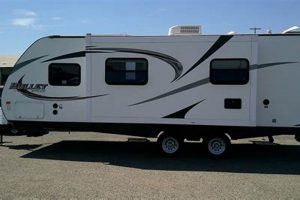
A recreational vehicle configured for independent operation, detached from traditional utility hookups, provides self-sufficiency for travelers. These units typically incorporate systems for generating and storing electrical power, managing water resources, and handling waste disposal without reliance on external infrastructure. For example, a trailer equipped with solar panels, battery banks, a water tank, and a composting toilet allows occupants to camp in remote locations without needing access to established campgrounds.
The appeal of these self-contained units stems from a desire for greater freedom and immersion in natural environments. They enable exploration of areas inaccessible to conventional recreational vehicles dependent on external services. Historically, adaptations of trailers for autonomous use evolved from modifications by individual owners seeking more remote camping experiences. This has led to innovations in efficient power management, water conservation, and compact waste treatment technologies now commonly integrated into these specialized vehicles. The independence they offer reduces reliance on crowded campgrounds and associated fees, providing a more cost-effective and personalized travel experience.
The following sections will delve into the key components and considerations for individuals interested in acquiring or modifying a recreational vehicle for autonomous travel. Topics covered include power generation and storage solutions, water management strategies, waste disposal options, and essential maintenance practices to ensure the longevity and reliability of the system.
Essential Considerations for Autonomous Recreational Vehicle Use
This section outlines critical considerations for operating a recreational vehicle independently of traditional utilities. Proper planning and execution are essential for a safe and enjoyable experience.
Tip 1: Assess Energy Requirements: Conduct a thorough audit of all electrical devices and their power consumption. This assessment informs the selection of appropriately sized solar panels, battery banks, and inverters.
Tip 2: Optimize Solar Panel Placement: Install solar panels in locations that maximize sun exposure throughout the day. Consider using adjustable mounting systems to account for seasonal changes in the sun’s angle.
Tip 3: Implement Water Conservation Measures: Employ low-flow showerheads and faucets. Consider installing a gray water recycling system for non-potable uses such as toilet flushing or irrigation.
Tip 4: Choose an Appropriate Waste Management System: Composting toilets offer a waterless and environmentally friendly alternative to traditional black water tanks. Ensure compliance with local regulations regarding waste disposal.
Tip 5: Regularly Monitor Battery Health: Utilize a battery monitoring system to track voltage, state of charge, and temperature. Avoid deep discharging batteries, as this can significantly reduce their lifespan.
Tip 6: Plan for All Weather Conditions: Prepare for both extreme heat and cold. Adequate insulation and appropriate heating/cooling systems are crucial for comfort and safety.
Tip 7: Conduct Routine Maintenance: Regularly inspect and maintain all critical systems, including plumbing, electrical wiring, and propane connections. Schedule professional inspections as needed.
Adhering to these guidelines enhances the sustainability and reliability of the self-sufficient recreational vehicle experience, ensuring a more enjoyable and responsible approach to remote travel.
The subsequent sections will provide information on available products and technological advancements to further enhance the autonomous capabilities of recreational vehicles.
1. Power Generation

Power generation is the cornerstone of independent recreational vehicle operation, providing the necessary electricity to operate appliances, lighting, and other essential systems. The ability to generate power autonomously dictates the duration and comfort of remote travel experiences.
- Solar Photovoltaic (PV) Systems
Solar PV systems harness solar energy through panels mounted on the vehicles roof or deployed remotely. These panels convert sunlight into direct current (DC) electricity, which is then regulated by a charge controller to safely charge batteries. The size and configuration of the solar array directly influence the amount of power generated, impacting the feasibility of running high-power devices such as air conditioners or microwave ovens. A larger solar array allows for greater energy independence, reducing reliance on supplementary power sources. For example, a 400-watt solar array might adequately power lighting, refrigeration, and small electronic devices, while a 1000-watt system could support heavier power demands.
- Generator Integration
Generators, typically powered by gasoline, propane, or diesel fuel, offer a supplemental power source when solar energy is insufficient, such as during extended periods of cloud cover. Inverter generators are preferred due to their ability to produce clean, stable AC power, minimizing the risk of damage to sensitive electronic equipment. Generator size should be carefully matched to the vehicle’s power requirements to optimize fuel efficiency and minimize noise pollution. Proper ventilation and exhaust routing are critical safety considerations. For instance, a generator might be used to quickly recharge battery banks or run power-intensive appliances for short periods.
- Wind Turbine Technology
Wind turbines, though less common than solar panels, represent another potential source of renewable energy. These devices convert wind energy into electricity and are most effective in areas with consistent wind patterns. The effectiveness of wind turbines can vary significantly depending on geographical location and weather conditions. Installation and stability are crucial considerations, as the turbine must withstand high winds. A small wind turbine can supplement solar power generation, particularly in locations where sunlight is limited.
- Battery Storage Solutions
Although not a generator, batteries are essential for power generation system.Battery banks store the electricity generated by solar panels, wind turbines, or generators, providing a consistent power supply when these sources are unavailable. Battery capacity directly influences the duration of autonomous operation. Lithium-ion batteries are increasingly favored over traditional lead-acid batteries due to their higher energy density, longer lifespan, and improved charging efficiency. Proper battery management, including monitoring voltage and temperature, is crucial for maximizing battery lifespan and preventing damage.
The selection and integration of power generation technologies are fundamental to the success of any independent recreational vehicle build. Balancing power needs with available resources and environmental considerations ensures a reliable and sustainable power supply for extended remote travel.
2. Water Management

Effective water management is a critical aspect of independent recreational vehicle operation, directly impacting habitability and sustainability. As these vehicles are designed for use in locations without access to municipal water supplies, careful planning for water sourcing, storage, usage, and conservation is paramount. Inadequate water management can quickly render a remote excursion untenable, highlighting the need for robust systems and conscientious practices. A common scenario illustrates this: imagine a family embarking on a week-long trip. If their water consumption exceeds their storage capacity due to inefficient usage, they may be forced to shorten their trip or seek out water sources, compromising the intended autonomy.
Several key components constitute effective water management in a recreational vehicle. These include fresh water storage tanks, water pumps, filtration systems, and gray water collection tanks. Fresh water tanks must be adequately sized for the number of occupants and the duration of the trip. Efficient water pumps ensure consistent water pressure throughout the vehicle. Filtration systems remove sediment and contaminants, ensuring potable water quality. Gray water tanks collect water from sinks and showers, allowing for responsible disposal. Furthermore, water conservation techniques such as low-flow fixtures, short showers, and mindful water usage are crucial. Consider the example of a couple utilizing low-flow showerheads and diligently collecting gray water for toilet flushing. This proactive approach extends their water supply, enabling longer stays in remote locations.
Successful water management strategies directly contribute to the viability of independent recreational vehicle travel. By optimizing water storage, implementing conservation measures, and adhering to responsible disposal practices, users can maximize their autonomy and minimize their environmental impact. Neglecting these considerations can quickly lead to logistical challenges and environmental concerns, underscoring the importance of a well-planned and carefully executed water management system. Future advancements in water purification and recycling technologies hold promise for further enhancing the sustainability of independent recreational vehicle operations.
3. Waste Disposal

Waste disposal is a crucial consideration for autonomous recreational vehicle travel, necessitating responsible management of human waste and refuse to minimize environmental impact and adhere to regulatory requirements. Unlike conventional campgrounds with established sewage hookups, independent travel requires self-contained waste management systems.
- Black Water Tank Systems
Black water tanks are the traditional solution for storing sewage. These tanks require periodic emptying at designated dump stations. The capacity of the black water tank dictates the duration of independent travel before requiring disposal. Improper handling of black water can lead to environmental contamination and public health risks. Chemical additives are often used to control odor and aid in the breakdown of waste. The location and accessibility of dump stations must be considered when planning routes. For example, extended stays in remote areas with limited access to dump stations necessitate larger tank capacities or alternative waste management solutions.
- Composting Toilet Systems
Composting toilets offer a waterless and environmentally friendly alternative to black water tanks. These systems separate liquid and solid waste, facilitating aerobic decomposition of the solid waste into compost. The resulting compost is significantly reduced in volume and can be disposed of responsibly according to local regulations. Composting toilets eliminate the need for black water tanks, reducing water consumption and minimizing the risk of spills. While initial setup costs may be higher, composting toilets offer long-term benefits in terms of water conservation and waste reduction. The maintenance requirements include periodically emptying the solids bin, which can be done less frequently than emptying a black water tank.
- Gray Water Management
Gray water refers to wastewater from sinks, showers, and washing machines. While not as hazardous as black water, gray water still contains contaminants and requires responsible disposal. Some jurisdictions permit the use of gray water for irrigation, while others require it to be collected in a separate holding tank and disposed of at designated facilities. The implementation of gray water filtration systems can further reduce the environmental impact by removing contaminants before disposal. Careful consideration of soap and detergent choices is essential to minimize the presence of harmful chemicals in the gray water. For instance, biodegradable and phosphate-free products are preferred to reduce environmental pollution.
- Solid Waste Handling
Proper management of solid waste is equally important for maintaining a clean and environmentally responsible campsite. Implementing a “pack it in, pack it out” policy is essential, ensuring that all refuse is removed from the campsite and disposed of properly. Recycling programs should be utilized whenever possible to minimize the volume of waste sent to landfills. Compactors and storage containers can help to reduce the volume of solid waste within the recreational vehicle. Food waste should be stored in sealed containers to prevent attracting animals and to minimize odors. A well-organized solid waste management system contributes to a more pleasant and sustainable camping experience.
The selection and implementation of appropriate waste disposal systems are integral to the responsible operation of independent recreational vehicles. Choosing between black water tanks, composting toilets, and gray water management strategies depends on individual preferences, travel patterns, and environmental considerations. A comprehensive approach to waste disposal ensures minimal impact on the environment and compliance with applicable regulations, promoting sustainable and enjoyable experiences.
4. Energy Storage

Effective energy storage is paramount for the autonomous functionality of a recreational vehicle. Without reliable energy storage, power generated from intermittent sources, such as solar panels or wind turbines, cannot be consistently utilized. Energy storage systems act as a buffer, accumulating energy during periods of generation and releasing it when demand exceeds supply. This ensures that essential appliances, lighting, and other electrical systems can operate continuously, regardless of fluctuating environmental conditions or usage patterns. For example, a recreational vehicle relying solely on solar energy would be unable to operate effectively at night or during overcast weather without an adequate energy storage system to provide power drawn throughout the daytime. The size and type of energy storage determine the duration and intensity of energy available.
Various energy storage technologies are employed in these vehicles, each with specific advantages and disadvantages. Lead-acid batteries, while relatively inexpensive, offer lower energy density and shorter lifespans compared to newer technologies. Lithium-ion batteries, characterized by higher energy density, longer lifespans, and faster charging capabilities, are increasingly favored despite their higher initial cost. Furthermore, advanced battery management systems optimize charging and discharging cycles, extending battery life and enhancing overall system efficiency. Consider a recreational vehicle equipped with a high-capacity lithium-ion battery bank and an advanced battery management system. This vehicle would be capable of running air conditioning and other high-power appliances for extended periods, offering a greater degree of comfort and convenience. Without the system, travelers will face great hurdles in term of electricity usages.
Energy storage is not merely an accessory but an indispensable component of any independent recreational vehicle. The choice of energy storage technology, coupled with efficient energy management practices, significantly impacts the vehicle’s operational capabilities and the user’s overall experience. Proper integration and maintenance of energy storage systems are essential for maximizing performance and ensuring reliable power availability. Continued advancements in energy storage technology promise to further enhance the autonomy and sustainability of the vehicles.
5. Structural Integrity
The structural integrity of a recreational vehicle intended for autonomous operation is paramount due to the demanding environments and conditions often encountered. Unlike vehicles confined to well-maintained roads and established campgrounds, these units are frequently subjected to uneven terrain, extreme weather, and prolonged periods of self-sufficiency. The connection between structural integrity and the viability of autonomous operation is direct: a compromised structure can lead to system failures, safety hazards, and ultimately, the premature termination of a journey. For example, a poorly constructed frame may buckle under the stress of off-road travel, damaging plumbing, electrical wiring, or even compromising the living space. Consider the scenario of a water tank shifting due to inadequate structural support, potentially causing leaks, electrical shorts, or even a catastrophic collapse of supporting structures.
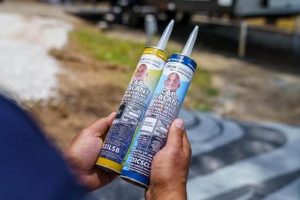
Design considerations for structural integrity encompass material selection, frame construction, and weatherproofing techniques. High-strength materials, such as reinforced steel or aluminum alloys, are often employed for the frame to withstand the rigors of off-road travel. Robust welding and fastening techniques ensure the structural stability of the vehicle’s skeleton. Weatherproofing measures, including durable sealants and corrosion-resistant coatings, protect the vehicle from water damage, rust, and other forms of environmental degradation. Furthermore, the distribution of weight within the vehicle is carefully planned to maintain balance and prevent undue stress on any particular area of the frame. Practical applications of these principles include reinforcing the undercarriage to protect against rock impacts, implementing a robust roof structure to withstand heavy snow loads, and employing flexible joints to accommodate torsional stress during off-road maneuvers. These features help sustain the lifespan of a unit.
In summary, structural integrity is not merely a desirable attribute but an essential prerequisite for safe and reliable autonomous recreational vehicle travel. A well-designed and meticulously constructed structure provides the foundation for all other systems, ensuring the vehicle’s ability to withstand challenging conditions and provide a secure and comfortable living space. Ignoring structural considerations can lead to costly repairs, safety hazards, and ultimately, the failure of the vehicle. Investing in a structurally sound vehicle, or meticulously upgrading an existing unit, is a crucial step toward enabling extended and sustainable off-grid adventures.
6. Location Adaptability

Location adaptability is intrinsically linked to the utility and effectiveness of independent recreational vehicles. The capacity of a vehicle to adapt to diverse environments directly dictates its operational range and suitability for specific destinations. An adaptable vehicle extends travel possibilities and reduces reliance on external resources. Environmental factors, including temperature extremes, altitude variations, terrain complexities, and availability of sunlight, exert substantial influence on vehicle system performance. A vehicle ill-equipped to handle freezing temperatures, for example, may experience frozen water lines, battery performance degradation, and reduced efficiency of heating systems. Similarly, a vehicle with inadequate ground clearance may be unable to navigate rough terrain, limiting its access to desirable remote locations. For instance, a recreational vehicle designed solely for warm climates will struggle in mountainous regions where nighttime temperatures plummet below freezing. Location adaptability, therefore, determines the vehicles capacity to function reliably and sustainably across a wide spectrum of environmental conditions.
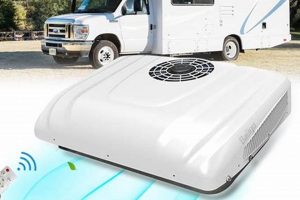
Essential elements of location adaptability include climate control systems, suspension modifications, tire selection, and navigational preparedness. Climate control systems encompass insulation, heating, and cooling solutions to maintain a comfortable interior environment regardless of external temperature fluctuations. Suspension modifications enhance ground clearance and improve handling on uneven terrain. Tire selection must match the intended terrain, with options ranging from all-terrain tires for general use to specialized mud tires for challenging off-road conditions. Navigational preparedness involves equipping the vehicle with GPS devices, topographical maps, and communication tools to ensure safe and efficient route planning and emergency communication. Consider a vehicle equipped with robust insulation, a propane furnace, and a high-efficiency air conditioner. This unit demonstrates a high degree of climate adaptability, capable of maintaining a comfortable interior temperature in both hot and cold environments.
In summary, location adaptability constitutes a vital attribute of the independent recreational vehicle, profoundly impacting its functionality and utility. A vehicle designed with careful attention to environmental factors and equipped with appropriate adaptive systems can extend its operational range, enhance its reliability, and provide a more comfortable and sustainable travel experience. Overlooking location adaptability can severely restrict the vehicles usability and expose occupants to unnecessary risks. As exploration and remote travel become increasingly popular, the significance of this aspect will continue to grow, driving innovations in vehicle design and technology aimed at maximizing environmental resilience.
Frequently Asked Questions
The following questions address common inquiries regarding recreational vehicles equipped for independent operation, without reliance on external utility connections. These responses offer objective insights into the capabilities, limitations, and best practices associated with such systems.
Question 1: What distinguishes a conventional recreational vehicle from one designed for off-grid use?
Conventional recreational vehicles are designed for use in established campgrounds with access to electrical hookups, water connections, and sewer facilities. Units intended for autonomous operation incorporate self-contained systems for power generation (solar, generators), water storage and filtration, and waste management (composting toilets, black/gray water tanks). These self-sufficient systems allow for extended stays in locations lacking external services.
Question 2: What are the primary power generation options for independent recreational vehicles?
The primary power generation options include solar photovoltaic (PV) systems, gasoline/propane generators, and, less commonly, wind turbines. Solar PV systems convert sunlight into electricity, stored in battery banks. Generators provide supplemental power when solar energy is insufficient. Wind turbines offer an alternative renewable energy source in areas with consistent wind patterns. Batteries are essential for providing power to all appliances.
Question 3: What are the key considerations for effective water management in these vehicles?
Effective water management requires careful planning for water sourcing, storage, conservation, and disposal. Fresh water tanks must be adequately sized. Low-flow fixtures minimize water consumption. Filtration systems ensure water potability. Gray water tanks allow for responsible disposal of wastewater. Employing mindful water usage practices further extends available water resources.
Question 4: What are the alternative options for managing human waste in an autonomous recreational vehicle?
Traditional black water tank systems require periodic emptying at designated dump stations. Composting toilets offer a waterless alternative, converting waste into compost. Gray water (wastewater from sinks and showers) can be managed through separate holding tanks or, in some jurisdictions, used for irrigation with proper filtration.
Question 5: What impact does location adaptability have on the functionality of an autonomous recreational vehicle?
Location adaptability determines the vehicle’s capacity to operate reliably in diverse environments. Considerations include temperature extremes (requiring insulation and climate control), altitude variations (affecting engine performance), terrain complexities (necessitating appropriate suspension and tires), and sunlight availability (influencing solar power generation).
Question 6: What are the primary structural considerations for vehicles intended for off-road or remote travel?
Structural integrity is crucial to withstand the rigors of off-road travel. High-strength materials (steel, aluminum alloys) are essential for the frame. Robust welding and fastening techniques ensure structural stability. Weatherproofing measures protect against water damage and corrosion. Weight distribution must be carefully planned to maintain balance and prevent undue stress.
These FAQs provide foundational knowledge for individuals considering autonomous recreational vehicle travel. Careful planning and a thorough understanding of system capabilities are essential for a successful and sustainable experience.
The following sections will provide information on available products and technological advancements to further enhance the autonomous capabilities of recreational vehicles.
Off Grid Travel Trailer
This exposition has explored the multifaceted considerations surrounding autonomous recreational vehicles, commonly referred to as “off grid travel trailer” units. Key aspects addressed included power generation and storage, water management strategies, waste disposal systems, structural integrity requirements, and the vital importance of location adaptability. The viability of such systems hinges on the meticulous integration of these elements, ensuring reliable operation and minimizing environmental impact.
As interest in sustainable and remote travel continues to expand, so too will the demand for robust and thoughtfully designed “off grid travel trailer” solutions. Ongoing innovation in materials, energy technologies, and resource management will further enhance the capabilities and accessibility of these autonomous recreational vehicles. Careful consideration of the principles outlined herein is essential for maximizing the benefits and minimizing the potential risks associated with this increasingly prevalent mode of travel.