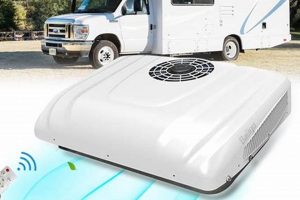
Devices designed to regulate temperature within a mobile recreational vehicle are essential components. These systems, typically electrically powered, provide cooling to counteract the effects of external heat, creating a comfortable interior environment. For example, a 13,500 BTU unit is commonly installed in a mid-sized recreational vehicle to maintain a consistent temperature during warm weather.
The integration of climate control significantly enhances the usability and enjoyment of recreational vehicles. This functionality is particularly crucial for individuals traveling in hot climates or during summer months. Historically, such cooling was a luxury; however, advancements in technology have made it a standard feature, leading to greater comfort and extending the travel season for enthusiasts. The consistent interior environment contributes significantly to overall satisfaction.
Understanding the various types, installation procedures, maintenance requirements, and efficiency considerations associated with these systems is paramount. Subsequent sections will delve into these aspects, providing a comprehensive overview for prospective buyers, current owners, and service technicians seeking to optimize performance and longevity.
Optimizing Performance and Longevity
Maximizing the effectiveness and lifespan of these systems requires adherence to specific maintenance and operational best practices. Diligent application of the following guidelines will ensure reliable cooling and minimize the need for costly repairs.
Tip 1: Regular Filter Cleaning: Air filters should be inspected and cleaned at least monthly during periods of frequent use. Clogged filters restrict airflow, reducing cooling efficiency and potentially causing the unit to overheat.
Tip 2: Proper Ventilation: Ensure unobstructed airflow around the exterior condenser unit. Trim any vegetation that may be blocking vents and confirm that internal ductwork is free from obstructions.
Tip 3: Use During Peak Hours: Pre-cool the interior space during the cooler morning hours. This proactive approach reduces the load on the system during the hottest part of the day, minimizing stress and energy consumption.
Tip 4: Seal Gaps and Cracks: Inspect and seal any gaps or cracks around windows, doors, and other openings. Reducing air leakage minimizes the workload required to maintain a comfortable internal temperature.
Tip 5: Utilize Awnings and Shades: Employ awnings and window shades to minimize direct sunlight entering the interior. Reduced solar gain significantly lowers the cooling burden on the system.
Tip 6: Professional Inspection and Maintenance: Schedule annual professional inspections to identify and address potential issues proactively. A qualified technician can assess refrigerant levels, electrical connections, and component wear, ensuring optimal operation.
Tip 7: Consider a Soft Start Kit: For generators with limited power output, installing a soft start kit can reduce the initial power surge required to start the system, preventing overload and potential damage.
Implementing these measures proactively contributes to enhanced cooling efficiency, extended component lifespan, and reduced energy consumption, ultimately resulting in a more comfortable and cost-effective experience.
The subsequent sections will address the specific technologies involved.
1. Cooling Capacity (BTU)

Cooling capacity, measured in British Thermal Units (BTU), is a fundamental parameter in selecting an appropriate system for a mobile recreational vehicle. BTU indicates the amount of heat the unit can remove from a space in one hour, directly influencing the system’s ability to maintain a comfortable interior temperature.
- Matching BTU to Trailer Size
The size of the recreational vehicle significantly impacts the required BTU rating. Smaller trailers may only require 5,000 to 8,000 BTU units, while larger models necessitate 13,500 to 15,000 BTU or even multiple units. An undersized system struggles to cool the space effectively, leading to continuous operation and increased energy consumption. Conversely, an oversized system may cycle on and off too frequently, reducing dehumidification and creating temperature inconsistencies.
- Impact of Insulation and Climate
The effectiveness of a given BTU rating is influenced by the insulation quality of the recreational vehicle and the prevailing climate. A well-insulated trailer in a temperate climate requires less cooling capacity compared to a poorly insulated unit in a hot, humid environment. Factors such as window type, wall construction, and roof insulation directly impact the heat load, influencing the optimal BTU requirement. For instance, a recreational vehicle with single-pane windows in a desert climate demands a significantly higher BTU rating than the same vehicle with double-pane windows in a milder climate.
- Energy Consumption Considerations
Increased BTU capacity typically correlates with higher energy consumption. Selecting a system with an excessively high BTU rating not only wastes energy but also places a greater strain on the power source, particularly when relying on a generator. Balancing cooling needs with energy efficiency is critical, especially for off-grid applications. Evaluating the Energy Efficiency Ratio (EER) alongside BTU rating provides a more comprehensive understanding of the system’s overall performance.
- Altitude and BTU Performance
As altitude increases, air density decreases, which can affect the cooling efficiency of air conditioners. At higher elevations, the air conditioner has to work harder to circulate the thinner air, potentially reducing its BTU output. This means that a system that performs optimally at sea level might struggle to provide the same level of cooling at higher altitudes, necessitating careful consideration and potentially a slightly oversized unit for those who frequently travel to mountainous regions.
Selecting the appropriate BTU rating is critical for ensuring comfortable interior conditions, efficient energy usage, and prolonged system lifespan. Evaluating these factors in relation to the specific characteristics of the recreational vehicle and the intended usage environment is essential for optimizing performance.
2. Energy Efficiency (EER)

Energy Efficiency Ratio (EER) serves as a critical metric in evaluating the performance of air conditioning systems in mobile recreational environments. EER quantifies the cooling output in BTU per hour for each watt of electricity consumed, providing a direct indication of operational efficiency and cost-effectiveness.
- EER Calculation and Interpretation
EER is calculated by dividing the cooling capacity (BTU/hour) by the power input (watts). A higher EER value signifies greater energy efficiency, indicating that the system provides more cooling output for the same amount of energy input. For example, a unit with an EER of 10 provides twice the cooling output per watt compared to a unit with an EER of 5.
- Impact on Generator Sizing and Fuel Consumption
Selecting systems with higher EER values directly reduces the load on the generator, especially in off-grid scenarios. Lower energy consumption translates to reduced fuel requirements, minimizing operational costs and environmental impact. An inefficient system with a low EER may necessitate a larger generator, increasing initial investment and fuel expenditures.
- Long-Term Cost Savings
The initial purchase price of climate control systems may vary significantly; however, a higher EER unit can offer substantial long-term cost savings. Reduced energy consumption translates to lower utility bills or fuel costs over the lifespan of the product, offsetting the initial price premium. Analyzing the total cost of ownership, including purchase price and operational expenses, provides a comprehensive assessment of value.
- Environmental Considerations
Enhanced energy efficiency contributes to a reduced carbon footprint. Lower power consumption minimizes the demand for electricity, leading to reduced greenhouse gas emissions from power plants. Choosing climate control systems with higher EER values aligns with sustainable practices and promotes environmental stewardship.
Optimizing EER is an essential factor in minimizing operational expenses and promoting environmental responsibility in the context of mobile recreational vehicle air conditioning. Prioritizing this metric when selecting a system ensures cost-effective and sustainable climate control solutions.
3. Unit Weight and Size

The physical attributes of weight and dimensions are critical considerations in the context of “travel trailer air conditioning units.” These characteristics directly impact installation feasibility, structural integrity, and overall performance of the recreational vehicle.
- Roof Load Capacity
Recreational vehicles possess specific roof load limits, measured in pounds per square foot. Exceeding this limit can compromise structural integrity, potentially leading to roof damage or collapse. Unit weight must be carefully considered in relation to the roof’s capacity, accounting for not only the climate control system but also other rooftop accessories, such as solar panels or storage containers.
- Aerodynamic Profile
Unit size affects the vehicle’s aerodynamic profile, influencing fuel efficiency and stability. Larger, less streamlined units can increase wind resistance, resulting in reduced gas mileage and potentially affecting handling, particularly in crosswinds. Minimizing external dimensions contributes to improved aerodynamic performance and safer towing or driving conditions.
- Installation Constraints
Physical dimensions dictate installation feasibility, particularly in recreational vehicles with limited roof space or pre-existing fixtures. Unit size must be compatible with available mounting locations and clearances for proper airflow and maintenance access. Incompatible dimensions can necessitate costly modifications or preclude the installation of certain climate control systems altogether.
- Weight Distribution
Even weight distribution is crucial for safe and stable towing. Adding a significant weight to the roof alters the center of gravity and can affect handling characteristics. Careful consideration must be given to the placement of the unit relative to other heavy components to maintain a balanced load. Uneven weight distribution can lead to instability, increased sway, and potential safety hazards.
The implications of weight and size extend beyond mere installation. These factors influence the long-term structural health of the recreational vehicle, its operational efficiency, and overall safety. Understanding and carefully managing these attributes is essential for optimal performance and longevity.
4. Installation Requirements

Proper installation is critical to ensure the efficient and safe operation of climate control systems within mobile recreational environments. Deviations from established procedures can compromise performance, void warranties, and even pose safety risks.
- Electrical System Compatibility
The electrical system of the recreational vehicle must be adequately rated to handle the power demands of the climate control unit. This includes verifying voltage, amperage, and circuit breaker capacity. Improper wiring or insufficient electrical infrastructure can lead to overheating, power outages, or even electrical fires. For example, connecting a 15-amp unit to a 10-amp circuit can overload the system and create a hazardous situation.
- Roof Mounting and Sealing
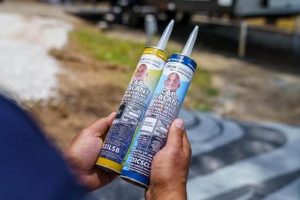
Securely mounting the unit to the roof is essential for structural stability and weatherproofing. This involves using appropriate mounting hardware and sealant to prevent water leaks and ensure the unit remains firmly attached during transit. Failure to properly seal the mounting surface can result in water damage to the interior of the recreational vehicle.
- Ductwork and Airflow
Proper ductwork configuration is crucial for efficient air distribution throughout the recreational vehicle. Kinks, obstructions, or inadequate duct sizing can restrict airflow, reducing cooling effectiveness and potentially causing the unit to overheat. For instance, blocked vents can prevent proper air circulation, leading to uneven temperature distribution and strain on the system.
- Refrigerant Handling (If Applicable)
Some installation procedures may involve handling refrigerant, which requires specialized tools and knowledge. Improper handling can result in refrigerant leaks, environmental damage, and potential health risks. In such cases, it is essential to consult with a certified HVAC technician.
Adherence to established installation protocols is paramount for optimizing performance, ensuring safety, and preserving the integrity of climate control systems within mobile recreational environments. Seeking professional assistance is recommended, particularly when dealing with electrical or refrigerant components.
5. Noise Level (dB)

The operational noise generated by “travel trailer air conditioning units,” measured in decibels (dB), significantly influences the comfort and usability of recreational vehicles. Noise emanates primarily from the compressor, fan motors, and airflow turbulence within the system. Elevated sound levels can disrupt sleep, hinder conversations, and generally detract from the recreational experience, particularly in the confined space of a mobile environment. For example, a unit emitting 65 dB may be acceptable for daytime use, while a 50 dB unit would be preferable for nighttime operation to minimize sleep disturbance. Therefore, decibel level acts as a tangible marker of the unit’s intrusiveness.
Manufacturers increasingly focus on noise reduction through design innovations. These include vibration dampening mounts, optimized fan blade geometries, and sound-absorbing insulation within the unit’s housing. Understanding the decibel rating is critical when comparing different systems. A difference of even 3 dB represents a noticeable change in perceived loudness. Furthermore, external factors, such as the recreational vehicle’s construction and insulation, also contribute to the overall sound level experienced inside. Noise dampening measures, such as adding insulation or using specialized window coverings, can mitigate sound emanating from the unit.
Ultimately, noise level is a crucial consideration in the selection process. Prioritizing models with lower dB ratings contributes directly to a more peaceful and enjoyable travel experience. Choosing a quieter unit can be especially beneficial for individuals sensitive to noise or those who plan to use their recreational vehicle in quiet, natural settings. Therefore, the decibel rating serves as a practical indicator of the unit’s impact on the overall comfort and usability of the “travel trailer air conditioning units”.
Frequently Asked Questions
This section addresses common inquiries regarding the selection, operation, and maintenance of cooling systems within mobile recreational vehicles. The information provided aims to clarify prevalent misconceptions and offer practical guidance for maximizing performance and longevity.
Question 1: What factors determine the appropriate BTU rating for a specific recreational vehicle?
The British Thermal Unit (BTU) requirement is primarily dictated by the square footage of the interior space, insulation quality, and prevailing climate conditions. Larger recreational vehicles, those with poor insulation, and those operated in hot climates necessitate higher BTU ratings to achieve adequate cooling. Professional consultation is recommended to determine the optimal BTU rating for a given scenario.
Question 2: How does Energy Efficiency Ratio (EER) impact operational costs?
Energy Efficiency Ratio (EER) quantifies the cooling output per unit of energy consumed. Higher EER values translate to reduced energy consumption and lower operating costs. Selecting models with elevated EER ratings minimizes the draw on power sources, particularly generators, resulting in fuel savings and extended generator lifespan.
Question 3: What routine maintenance procedures are essential for optimal performance?
Regular filter cleaning is crucial to maintain airflow and prevent overheating. Inspecting and sealing any air leaks around windows and doors minimizes cooling load and energy consumption. Annual professional inspections are recommended to assess refrigerant levels, electrical connections, and overall system health.
Question 4: What are the potential consequences of improper installation?
Improper installation can compromise structural integrity, void warranties, and pose safety hazards. Inadequate roof mounting can lead to water leaks and structural damage. Incorrect wiring can result in electrical fires or system malfunctions. It is strongly advised that a qualified technician perform the installation.
Question 5: How does noise level affect the suitability of a particular unit?
Noise level, measured in decibels (dB), directly impacts comfort. Elevated sound levels can disrupt sleep and hinder conversations. Models with lower dB ratings are generally preferred, particularly for nighttime operation or use in quiet environments. Reviewing decibel specifications is advisable prior to purchase.
Question 6: Can these systems operate solely on battery power?
Operation solely on battery power is generally impractical due to the high energy demands of the compressor. While some units may offer a low-power fan-only mode, continuous cooling typically requires connection to shore power or a generator. Exploring alternative power sources, such as solar panels, can supplement energy needs but rarely provide sufficient power for sustained air conditioning operation.
Understanding these fundamental aspects facilitates informed decision-making and ensures a reliable and comfortable climate control experience within mobile recreational vehicles.
The following section will delve into the various types of cooling systems available.
Conclusion
The foregoing analysis of “travel trailer air conditioning units” underscores the multifaceted nature of climate control in mobile recreational environments. Key considerations, including cooling capacity, energy efficiency, unit dimensions, installation demands, and acoustic output, exert significant influence on operational effectiveness and user satisfaction. A comprehensive understanding of these parameters is crucial for making informed purchasing decisions and optimizing system performance.
Continued advancements in energy-efficient technologies and noise reduction techniques promise to enhance the capabilities and user experience of “travel trailer air conditioning units.” Prospective buyers and current owners should remain abreast of emerging innovations to maximize the value and longevity of their investment. Prudent selection and diligent maintenance remain paramount in ensuring a comfortable and reliable mobile living environment.