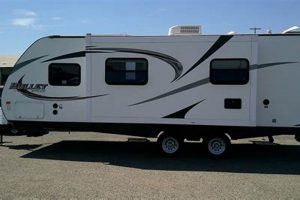
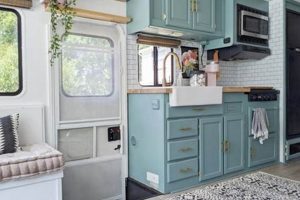
Constructing a personal recreational vehicle from the ground up involves designing and assembling a mobile living space for travel and leisure. This undertaking requires a combination of technical skills, careful planning, and adherence to safety standards. A completed example offers customized comfort and mobility for exploration.
The advantages of such a project are multifaceted. It allows for complete control over the layout, materials, and features, resulting in a tailored travel experience. Historically, this approach has been favored by individuals seeking specific functionalities not readily available in commercially manufactured units. Furthermore, it can potentially offer cost savings compared to purchasing a pre-built model, depending on the resources and labor involved.
The subsequent discussion will delve into crucial aspects of this endeavor, including chassis selection, structural framing, electrical systems, plumbing considerations, and interior finishing techniques.
Guidance for Recreational Vehicle Construction
The following provides essential advice to ensure the successful development of a custom mobile dwelling, focusing on safety, efficiency, and long-term reliability.
Tip 1: Thorough Planning is Paramount: Before commencing physical construction, detailed blueprints and material lists are crucial. Account for weight distribution, structural integrity, and compliance with relevant transportation regulations.
Tip 2: Chassis Selection Matters: Choosing a suitable chassis is fundamental. Consider factors such as load capacity, axle configuration, and compatibility with intended towing vehicle. A professional assessment of the chassis’s structural condition is advisable.
Tip 3: Prioritize Structural Integrity: The frame must withstand the rigors of travel. Employ robust welding techniques and high-quality materials. Regularly inspect welds during the construction process to identify and rectify any imperfections.
Tip 4: Adhere to Electrical Codes: Electrical systems must be installed by qualified personnel and in accordance with applicable codes. Use appropriately rated wiring and circuit breakers to prevent electrical hazards. Consider incorporating surge protection devices.
Tip 5: Water System Considerations: Ensure potable water systems are isolated from wastewater systems to prevent contamination. Use plumbing materials designed for mobile applications, considering temperature fluctuations and vibration.
Tip 6: Weight Management is Crucial: Continuously monitor weight distribution throughout the building process. Excessive weight can compromise handling, fuel efficiency, and safety. Strategic material selection plays a pivotal role.
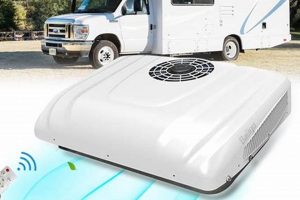
Tip 7: Ventilation is Essential: Proper ventilation is paramount for preventing moisture buildup and maintaining air quality within the finished unit. Strategically placed vents and exhaust fans will contribute to a healthier environment.
These guidelines emphasize the importance of meticulous planning, adherence to safety protocols, and continuous quality control throughout the construction timeline. A commitment to these principles will greatly enhance the likelihood of a successful outcome.
The subsequent section will address challenges frequently encountered during this type of project and offer potential mitigation strategies.
1. Chassis Structural Integrity
The structural integrity of the chassis is paramount when embarking on the construction of a recreational vehicle. The chassis serves as the foundational support for the entire mobile structure. A compromised chassis directly impacts the safety and longevity of the completed unit. Inadequate structural integrity can lead to catastrophic failures during travel, including frame buckling, component separation, and loss of control. Real-world examples include instances where improperly reinforced frames have fractured under the stress of uneven terrain, resulting in severe accidents. Therefore, meticulous attention to chassis condition and reinforcement is not merely a recommendation but a critical safety imperative.
Proper assessment and reinforcement strategies are essential components of a successful build. Prior to beginning construction, a thorough inspection of the chassis should be conducted by a qualified professional to identify any pre-existing damage or weaknesses. Reinforcement techniques, such as welding additional supports or utilizing thicker gauge steel, may be necessary to ensure the chassis can withstand the additional weight and stresses associated with the constructed living space. The design should account for dynamic loads experienced during travel, including vibrations, impacts, and torsional forces. Neglecting these factors increases the risk of structural failure over time.
In summary, the chassis structural integrity is inextricably linked to the overall success and safety of a personally constructed mobile home. Compromises in this area can have severe consequences. By prioritizing a robust and well-engineered chassis, builders mitigate potential risks and contribute to the creation of a durable and reliable traveling unit. Attention to this critical element establishes a safe foundation for a satisfying travel experience.
2. Electrical System Safety

Electrical system safety is of paramount importance when independently constructing a recreational vehicle. A properly designed and installed electrical system ensures the safe operation of appliances, lighting, and other electrical components, mitigating the risk of fire, electrocution, and equipment damage.
- Code Compliance and Certification
Adherence to relevant electrical codes and standards is non-negotiable. The National Electrical Code (NEC), or equivalent regional regulations, outlines requirements for wiring, grounding, and circuit protection. Utilizing UL-listed or similarly certified components ensures they have undergone rigorous testing for safety and performance. Failure to comply with these regulations can lead to code violations and potentially hazardous conditions. A real-world example is the use of non-rated extension cords, which can overheat and cause fires under load.
- Wiring and Circuit Protection
Appropriately sized wiring is crucial for handling the anticipated electrical load. Undersized wiring can overheat, posing a fire hazard. Overcurrent protection devices, such as circuit breakers and fuses, are essential for interrupting the flow of electricity in the event of a fault, preventing damage to equipment and reducing the risk of electrical shock. Proper grounding of the electrical system is also necessary to provide a safe path for fault current, minimizing the risk of electrocution. Examples of unsafe wiring practices include using wire nuts without enclosures or improper grounding techniques.
- Battery and Inverter Systems
Recreational vehicles often incorporate battery and inverter systems to provide off-grid power. Batteries must be properly sized and managed to prevent overcharging or excessive discharge, both of which can shorten battery life and create safety hazards. Inverters should be selected based on the anticipated load and must be installed with appropriate fusing and disconnect switches. Improper installation of battery systems can result in fires or explosions due to the release of flammable gases. An appropriate example would be a correctly connected fuse protecting the system.
- Shore Power Connections
The shore power connection, used to connect the recreational vehicle to an external power source, must be properly designed and installed. A shore power inlet with the correct voltage and amperage rating is necessary, along with a ground fault circuit interrupter (GFCI) to protect against electrical shock. The connection should be weatherproof to prevent water intrusion, which can lead to corrosion and electrical hazards. Connecting shore power incorrectly can lead to overvoltages damaging electrical equipment.
Thorough attention to electrical system safety is a vital aspect when constructing a personal recreational vehicle. Prioritizing code compliance, proper wiring, appropriate protection devices, and safe battery and shore power connections will mitigate the risks associated with electricity and promote a safe and enjoyable travel experience. A failure in any of these facets could result in severe consequences, highlighting the need for diligent planning and execution.
3. Plumbing Potability Regulations

Adherence to plumbing potability regulations is paramount in the construction of a recreational vehicle. Potable water systems, which provide drinking water, must be isolated from waste-water systems to prevent contamination and safeguard the health of occupants. Non-compliance with these regulations poses significant health risks and potential legal liabilities.
- Material Selection and Certification
Plumbing materials used in potable water systems must be certified as safe for contact with drinking water. Materials should be lead-free and resistant to leaching of harmful chemicals. Examples include CPVC and PEX tubing, which meet NSF standards. Using non-certified materials can introduce contaminants into the water supply, posing a direct threat to human health. A certified backflow preventer, also, has significant role.
- System Design and Installation
The design of the plumbing system must prevent cross-contamination between potable and non-potable water sources. Backflow prevention devices should be installed to prevent the back-siphoning of contaminated water into the potable water supply. Proper slope and drainage are also crucial to prevent stagnation and bacterial growth. An example of improper design is connecting a potable water hose directly to a black water tank rinsing system without a backflow preventer.
- Tank Sanitation and Maintenance
Potable water tanks must be constructed of food-grade materials and regularly sanitized to prevent bacterial growth. Tanks should be equipped with access ports for cleaning and inspection. Regular flushing of the tank with a sanitizing solution, such as diluted bleach, is necessary to maintain water quality. Neglecting tank sanitation can lead to the proliferation of harmful bacteria, such as E. coli, rendering the water unsafe for consumption.
- Water Filtration and Treatment
Consideration should be given to incorporating water filtration and treatment systems to further enhance water quality. Filters can remove sediment, chlorine, and other contaminants, improving the taste and odor of the water. UV sterilizers can be used to kill bacteria and viruses. The effectiveness of these systems depends on proper selection, installation, and maintenance. A carbon filter system can remove chlorine while a UV sterilizer can kill harmful bacteria.
Plumbing potability regulations directly impact the safety and usability of any recreational vehicle. Prioritizing certified materials, proper system design, regular sanitation, and effective water treatment methods mitigates the risks associated with water contamination and ensures a safe and healthy travel experience. Non-compliance is a serious oversight with potential health repercussions for those occupying the recreational vehicle.
4. Interior Weight Distribution

Interior weight distribution within a recreational vehicle directly influences handling characteristics and overall safety. Concentrated weight on one side or at the rear can induce instability, particularly at highway speeds or in adverse weather conditions. Improper weight distribution negatively affects braking performance, increasing stopping distances and the risk of jackknifing. A real-world example involves situations where excessive weight at the rear of a travel trailer causes trailer sway, leading to loss of control and potential accidents. Therefore, a strategic approach to weight allocation during construction is essential for creating a safe and manageable recreational vehicle.
Practical application of weight distribution principles requires careful planning during the interior design phase. Heavy appliances, water tanks, and storage compartments should be positioned strategically to achieve a balanced load. Axle load ratings and hitch weight limits must be strictly adhered to. Implementing a system for securing loose items during transit is crucial to prevent shifting weight from further disrupting balance. An illustrative example is the placement of a refrigerator and water heater on opposing sides of the trailer to counterbalance their respective weights. Regular monitoring of axle weights at weigh stations further ensures compliance and provides valuable data for adjustments.
Effective interior weight distribution is not merely a matter of convenience; it is a fundamental safety consideration in personally constructing a recreational vehicle. Addressing weight-related challenges proactively minimizes the risk of accidents and enhances the longevity of the trailer. Prioritizing balanced weight distribution contributes to a stable and predictable towing experience, ultimately promoting safer and more enjoyable travels.
5. Ventilation Moisture Control

Ventilation and moisture control are critical considerations in the construction of a personalized recreational vehicle. Inadequate ventilation leads to moisture buildup, fostering mold growth, compromising structural integrity, and affecting occupant health. Effective ventilation strategies are crucial for maintaining a safe and habitable environment within the confined space of a travel trailer.
- Passive Ventilation Techniques
Passive ventilation relies on natural air movement to circulate air within the recreational vehicle. Strategically placed vents at varying heights facilitate airflow due to temperature and pressure differentials. Roof vents, side vents, and window awnings are examples of passive ventilation components. Properly sized and positioned passive vents can significantly reduce moisture accumulation, particularly in areas prone to condensation, such as sleeping areas and kitchens. Failure to incorporate adequate passive ventilation can lead to a damp and unhealthy interior environment.
- Active Ventilation Systems
Active ventilation employs mechanical means, such as fans, to forcibly circulate air and remove moisture. Roof-mounted fans with adjustable speeds provide effective exhaust ventilation for kitchens and bathrooms, where moisture generation is high. Whole-house fans can circulate air throughout the entire recreational vehicle, promoting even temperature distribution and reducing condensation. Integrating humidistats or timers allows for automated control of active ventilation systems, optimizing energy efficiency and maintaining desired humidity levels. Lack of active ventilation results in poor air exchange and increased risk of moisture damage.
- Vapor Barriers and Insulation
Vapor barriers restrict moisture migration through walls, ceilings, and floors, preventing condensation within structural cavities. Proper installation of vapor barriers is essential to avoid trapping moisture and promoting mold growth. Insulation materials with low moisture absorption properties further enhance moisture control by reducing temperature gradients and minimizing condensation potential. Examples of suitable materials include closed-cell foam insulation and foil-faced vapor barriers. Inadequate or improperly installed vapor barriers can lead to hidden moisture damage within the recreational vehicle’s structure.
- Dehumidification Strategies
Dehumidifiers actively remove moisture from the air, maintaining a comfortable and dry interior environment. Desiccant dehumidifiers are particularly effective in cold climates, where refrigerant-based dehumidifiers may struggle to operate efficiently. Proper sizing of the dehumidifier is crucial to ensure it can effectively manage the moisture load within the recreational vehicle. Regularly emptying the dehumidifier’s water reservoir is necessary to maintain optimal performance. Failure to address humidity levels can cause wood rot, and damage sensitive electronics.
Integrating these facets of ventilation and moisture control into the construction of a personal recreational vehicle ensures a comfortable, safe, and durable mobile living space. Addressing ventilation and moisture issues proactively prevents long-term structural damage, promotes occupant health, and enhances the overall travel experience. Prioritizing effective moisture management strategies contributes significantly to the longevity and habitability of the finished product.
Frequently Asked Questions Regarding Recreational Vehicle Construction
This section addresses common inquiries regarding the construction of personalized recreational vehicles, offering clarity on critical considerations and potential challenges.
Question 1: Is previous construction experience necessary to build a recreational vehicle?
While formal construction experience is not strictly mandatory, a foundational understanding of carpentry, electrical systems, and plumbing is highly advantageous. Individuals lacking these skills should consider enrolling in relevant courses or seeking guidance from experienced builders to mitigate potential errors and ensure safety.
Question 2: What are the most significant challenges encountered during a recreational vehicle construction project?
Common challenges include managing weight distribution, adhering to electrical and plumbing codes, ensuring structural integrity, and maintaining a reasonable budget. Thorough planning and diligent execution are crucial to mitigating these challenges.
Question 3: Is it more cost-effective to build a recreational vehicle versus purchasing a pre-built model?
Cost-effectiveness depends on multiple factors, including skill level, material sourcing, and design complexity. In some instances, building a recreational vehicle allows for customized features at a lower cost. However, unexpected expenses and labor costs can quickly escalate the total investment. A comprehensive cost analysis is recommended prior to commencing construction.
Question 4: What type of chassis is best suited for a recreational vehicle build?
Chassis selection depends on the intended size and weight of the recreational vehicle. Options include truck chassis, trailer frames, and custom-built frames. The chassis must be appropriately rated to handle the anticipated load, and its structural integrity must be thoroughly assessed.
Question 5: What legal considerations apply to the construction and operation of a recreational vehicle?
Compliance with federal and state regulations regarding vehicle weight, dimensions, and safety standards is essential. Registration and insurance requirements also apply. Consult with relevant authorities to ensure adherence to all applicable laws and regulations.
Question 6: How can one ensure the safety of the electrical and plumbing systems within a self-built recreational vehicle?
Electrical systems must be installed by qualified personnel and in accordance with applicable codes. Employ appropriately rated wiring, circuit breakers, and grounding techniques. Plumbing systems should utilize certified materials and prevent cross-contamination between potable and waste-water sources. Regular inspections and maintenance are crucial for maintaining system safety.
Thorough preparation, meticulous execution, and adherence to safety standards are paramount for the successful construction of a safe and functional recreational vehicle.
The following section presents concluding remarks and summarizes key recommendations for the successful execution of this type of project.
Concluding Remarks
The preceding exploration of constructing a personal recreational vehicle has highlighted critical aspects ranging from chassis integrity to electrical safety, plumbing regulations, weight distribution, and ventilation. The successful execution of such a project demands a commitment to rigorous planning, adherence to established safety protocols, and diligent attention to detail throughout the entire construction process. The potential benefits, including cost savings and customized features, must be weighed against the inherent challenges and potential risks involved.
The decision to construct a personal recreational vehicle should be approached with a clear understanding of the technical demands and regulatory requirements. Prioritizing safety and quality over expediency is paramount. While a completed “build your own travel trailer” presents an opportunity for tailored travel experiences, responsible construction practices are crucial to ensuring a safe and reliable mobile dwelling. Prospective builders are encouraged to seek professional guidance and prioritize thorough research prior to commencing such an ambitious undertaking.