Determining the optimal method for journeying between the Austrian and Hungarian capitals involves careful consideration of several factors. These include budget, time constraints, comfort preferences, and environmental impact. Options range from high-speed rail to scenic river cruises, each presenting a distinct travel experience.
Selecting the most suitable transit option offers numerous advantages. Efficient transportation saves valuable vacation time, allowing for greater exploration of both cities. Furthermore, choosing cost-effective methods allows for a larger allocation of funds to accommodations, dining, and cultural experiences. Historically, this route has facilitated cultural and economic exchange between the two nations.
The following sections will detail specific travel modes, including train travel, bus services, private car options, and the increasingly popular river cruise. Each mode will be analyzed based on speed, cost, convenience, and the potential for sightseeing along the way, providing a comprehensive guide to informed decision-making for travel planning.
Essential Considerations for the Vienna to Budapest Route
This section outlines crucial factors to optimize the journey between Vienna and Budapest, ensuring a seamless and efficient travel experience.
Tip 1: Advance Booking: Secure transportation tickets, particularly for trains and popular river cruises, well in advance. Prices often increase closer to the departure date, and availability may become limited, especially during peak season.
Tip 2: Utilize Rail Planner Apps: Employ mobile applications that provide real-time train schedules, platform information, and potential delays. These tools enhance navigation and minimize disruptions.
Tip 3: Consider Luggage Logistics: Evaluate luggage requirements in relation to chosen transport. Train travel generally offers greater flexibility for luggage, while budget airlines and buses may impose stricter weight and size restrictions.
Tip 4: Factor in Border Controls: Although both countries are part of the Schengen Area, sporadic border checks can occur. Allow extra time for potential delays, particularly when traveling by road.
Tip 5: Research Local Currency: While the Euro is widely accepted in Vienna, Hungary uses the Forint. Familiarize oneself with exchange rates and payment options to avoid unfavorable conversion fees.
Tip 6: Explore Alternative Routes: Consider exploring smaller towns or attractions along the way. Renting a car offers the flexibility to deviate from the direct path and discover hidden gems.
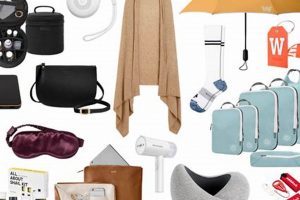
Tip 7: Pack Appropriately: Account for varying weather conditions. Both Vienna and Budapest experience seasonal temperature fluctuations, necessitating adaptable clothing options.
These tips provide a foundation for planning a successful and enjoyable trip between Vienna and Budapest. Careful preparation ensures a stress-free travel experience, maximizing the time spent in each city.
The subsequent sections will address specific mode of transport with the help of these tips. This further aid in making a more informed decision for each traveler’s need.
1. Train

Train travel between Vienna and Budapest presents a compelling option, primarily due to its balance of speed and comfort. This mode directly addresses the core objective of efficiently traversing the route. High-speed rail services, such as those operated by BB (Austrian Federal Railways) and MV (Hungarian State Railways), significantly reduce travel time compared to other alternatives. The direct connection minimizes the need for transfers, streamlining the journey and mitigating potential delays. The enhanced comfort of train travel, including spacious seating, onboard amenities like Wi-Fi, and catering services, contributes to a more relaxed and productive travel experience. This is particularly relevant for business travelers or those seeking to minimize fatigue. For example, a typical train journey takes approximately 2.5 to 3 hours, in contrast to a 3-hour+ bus ride or a potentially longer car journey impacted by traffic.
The importance of speed and comfort within the context of travel selection lies in their influence on overall satisfaction and productivity. Individuals with limited time find that the speed of train travel maximizes the time available for activities in either Vienna or Budapest. Furthermore, the comfortable environment allows for work, relaxation, or enjoyment of the scenery, effectively utilizing travel time. The reliable schedules of train services offer predictability, facilitating precise planning and adherence to itineraries. In practice, this reliability minimizes stress associated with potential delays, a common concern with other transportation methods. Train tickets often include seat reservations, further ensuring a comfortable and guaranteed space.
In summary, the train option provides a blend of speed and comfort that directly enhances the travel experience between Vienna and Budapest. The relatively short travel time and the availability of amenities position it as an appealing choice for individuals prioritizing efficiency and a relaxed journey. However, it is essential to consider the cost factor relative to alternative options like bus travel to determine its overall suitability for individual needs and budgets. The availability of various ticket classes also allows for customization based on comfort preferences and budget constraints.
2. Bus

Budgetary constraints frequently dictate travel choices, making bus transport a significant consideration when evaluating options from Vienna to Budapest. Its cost-effectiveness provides a compelling alternative for travelers prioritizing affordability.
- Ticket Pricing
Bus tickets are generally less expensive than train or private car rental. Operators often offer promotional fares or discounts for advance bookings, further reducing costs. The price differential can be substantial, especially for families or groups, freeing up funds for accommodation or activities in either city. Websites enable price comparisons across operators, facilitating informed decision-making.
- Hidden Expenses
While the base fare is typically lower, potential hidden expenses exist. Luggage fees may apply beyond a certain allowance. Unlike train travel, onboard refreshments are often limited or unavailable, necessitating additional purchases. City center bus terminals might require local transport to reach final destinations, adding to overall costs. These factors should be considered when comparing the overall cost-effectiveness of bus travel.
- Travel Time vs. Cost
Bus journeys invariably take longer than train travel. While the reduced fare is attractive, the extended travel time must be factored into overall itinerary planning. Travelers must weigh the financial savings against the value of their time. The longer journey also implies increased potential for fatigue and discomfort, requiring careful evaluation of personal preferences and travel style.
- Comfort and Amenities
Bus comfort levels vary significantly across operators. While some offer modern amenities such as Wi-Fi, power outlets, and onboard restrooms, others may provide a more basic experience. Budget airlines, for comparison, often levy extra charges for amenities that may be included within the price of some bus tickets. Prior research into specific bus operators and their comfort offerings is advisable to ensure alignment with personal expectations.
In summary, while buses present an economical method for traveling between Vienna and Budapest, a comprehensive evaluation of hidden expenses, travel time, comfort levels, and personal preferences is essential to determine its suitability. By weighing the budgetary advantages against potential drawbacks, travelers can make an informed decision that aligns with their specific needs and priorities.
3. Car

Traveling by car from Vienna to Budapest offers unparalleled flexibility in route selection and scheduling, directly impacting the journey’s overall character and potential for enriched experiences. This mode allows for customization beyond the fixed schedules and routes of trains or buses.
- Custom Route Selection
Driving allows travelers to deviate from the most direct path, exploring towns and landscapes between the two capital cities. Destinations such as Bratislava (Slovakia), Gyr (Hungary), or smaller Austrian wine regions become accessible with the freedom of personal transportation. This flexibility enables spontaneous detours and tailored itineraries to suit individual interests.
- Control Over Departure and Arrival Times
Unlike scheduled public transport, driving offers complete control over departure and arrival times. This is particularly beneficial for travelers with specific appointment times or preferences regarding travel during daylight or nighttime hours. The ability to adjust the schedule mitigates the risk of missed connections or inflexible timetables.
- Luggage Capacity and Convenience
Cars generally offer greater luggage capacity compared to trains or buses. This is advantageous for individuals traveling with bulky or numerous items, eliminating the need to adhere to strict baggage restrictions imposed by public transport operators. The convenience of loading and unloading luggage directly into the vehicle at the point of origin and destination streamlines the travel process.
- Potential Drawbacks: Costs and Responsibilities
While flexibility is a significant advantage, driving entails responsibilities such as navigation, fuel costs, and potential tolls or vignette fees. Drivers must be aware of local traffic laws and regulations, as well as parking restrictions in urban areas. The cost of car rental, fuel, and tolls can quickly exceed the price of train or bus tickets, particularly for solo travelers. The driver also bears the responsibility for the vehicle’s safety and maintenance during the journey.
The decision to drive from Vienna to Budapest hinges on the traveler’s prioritization of flexibility and control versus cost and responsibility. The freedom to customize the route and schedule, coupled with enhanced luggage capacity, can outweigh the additional expenses and logistical challenges for certain individuals. Carefully weighing these factors is crucial in determining the optimal travel method. Other means, such as trains, require less planning and can be just as exciting while traveling between the two countries.
4. Cruise
River cruises along the Danube River offer a distinctive approach to the journey between Vienna and Budapest, contrasting sharply with conventional land-based travel methods. This mode emphasizes the aesthetic and experiential dimensions of travel, presenting a potentially slower, but visually engaging alternative.
- Pace and Relaxation
River cruises inherently adopt a more leisurely pace. Unlike trains or buses that prioritize speed, cruises allow for an extended observation of the landscape, fostering a relaxed atmosphere. The focus shifts from mere transportation to a more immersive experience of the Danube River Valley. This slower pace may not suit travelers with strict time constraints but appeals to those seeking a more contemplative journey.
- Onboard Amenities and All-Inclusive Packages
Many river cruise packages offer all-inclusive amenities, encompassing meals, accommodations, and onboard entertainment. This simplifies budgeting and eliminates the need for frequent financial transactions during the trip. The quality and variety of onboard services can significantly influence the overall travel experience, ranging from gourmet dining to cultural enrichment programs. Understanding the specific offerings of different cruise lines is essential for matching expectations.
- Shore Excursions and Cultural Immersion
River cruises typically incorporate shore excursions at various points along the Danube, providing opportunities to explore towns and historical sites. These excursions can offer a deeper cultural immersion than simply passing through the region by train or bus. However, the duration and scope of shore excursions are generally predetermined, limiting individual flexibility.
- Cost Considerations and Seasonality
River cruises generally represent a more expensive travel option compared to trains or buses. The all-inclusive nature of the packages contributes to the higher price point. Cruise availability and pricing also fluctuate significantly depending on the season, with peak season cruises commanding premium rates. Off-season cruises may offer lower prices but could also be subject to less favorable weather conditions.
The suitability of a river cruise as the “best” travel method between Vienna and Budapest depends heavily on individual priorities. While offering a unique and visually rich experience, the slower pace and higher cost necessitate a careful assessment of time constraints, budget, and preferred travel style. Weighing the benefits of scenic views and all-inclusive amenities against the potential drawbacks of reduced flexibility and increased expense is crucial for making an informed decision.
5. Time

The total time commitment significantly impacts the selection of a travel method between Vienna and Budapest. The overall duration, encompassing travel time itself and associated activities such as transfers, security checks, and potential delays, directly influences the practicality of each option. Shorter durations allow for efficient itineraries, maximizing time spent in each city, while longer durations may necessitate adjustments to planned activities or accommodation bookings. For example, business travelers often prioritize speed, favoring train travel despite potentially higher costs, due to the need to minimize time away from work. Leisure travelers, conversely, might be more willing to accept a longer bus journey to reduce expenses, provided the extended travel time does not severely curtail sightseeing opportunities.
The correlation between duration and the perceived value of the travel experience is also noteworthy. A shorter, more comfortable journey, such as that offered by high-speed rail, can be perceived as more valuable despite a higher price tag. This is because the reduced travel time translates to increased productive or leisure time. Conversely, a longer, potentially less comfortable journey, even at a lower cost, may diminish the overall experience if it results in fatigue or reduced time for exploration. Real-world examples illustrate this trade-off; a traveler attending a single-day event in Budapest would likely prioritize the fastest option, even if more expensive, while a backpacker on a multi-week trip may opt for the budget-friendly bus, allocating more time to the journey itself.
Ultimately, the optimal travel choice between Vienna and Budapest hinges on a clear understanding of the traveler’s time constraints and priorities. Careful consideration of the overall duration, encompassing all aspects of the journey, enables informed decision-making, ensuring that the selected method aligns with individual needs and enhances the overall travel experience. The availability of real-time travel information, such as train and bus schedules, further assists in accurately estimating durations and mitigating potential delays.
Frequently Asked Questions
This section addresses common inquiries concerning travel between Vienna and Budapest, offering concise and factual responses to facilitate informed decision-making.
Question 1: Is train travel the fastest option between Vienna and Budapest?
Yes, high-speed rail services generally offer the quickest transit time, typically ranging from 2.5 to 3 hours for a direct journey.
Question 2: Are buses significantly cheaper than trains?
Yes, bus tickets are generally more economical, but the trade-off is a longer travel duration, often exceeding 3 hours.
Question 3: Is it necessary to book train tickets in advance?
Advance booking is highly recommended, especially during peak season, to secure seats and potentially benefit from lower fares.
Question 4: Are there tolls or vignette fees for driving between Vienna and Budapest?
Yes, both Austria and Hungary require vignettes (toll stickers) for driving on their highways. These must be purchased in advance.
Question 5: Are there direct river cruises between Vienna and Budapest?
Yes, several cruise lines offer multi-day itineraries that travel directly between the two cities, typically including stops at other destinations along the Danube.
Question 6: What is the most convenient option for carrying luggage?
Train travel generally provides the most flexibility for luggage, while buses and budget airlines may impose stricter size and weight limitations.
In summary, the optimal travel method hinges on individual priorities, balancing factors such as speed, cost, comfort, and desired level of flexibility. Thorough research and careful planning are essential for a seamless journey.
This concludes the discussion on key considerations and frequently asked questions. The next section will address additional resources and helpful links for further planning.
Determining the Optimal Transit Method
The preceding analysis has thoroughly examined various methods for traveling between Vienna and Budapest. Considerations of speed, cost, flexibility, and overall duration reveal that no single option universally constitutes the “best” choice. Instead, the ideal approach is contingent upon individual priorities and circumstances. Train travel offers efficiency and comfort; bus services provide budget-conscious alternatives; car travel grants unparalleled flexibility; and river cruises present a unique, scenic experience. The selection process necessitates a careful evaluation of these trade-offs.
Ultimately, effective travel planning involves aligning transportation choices with personal needs and preferences. Further investigation into real-time schedules, pricing variations, and specific service offerings is encouraged. This comprehensive approach ensures a journey that is not only efficient but also tailored to individual requirements, maximizing the overall travel experience between these historically significant European capitals.