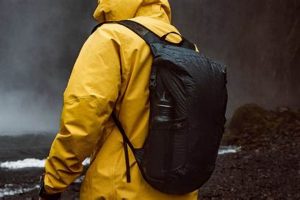
A lightweight outer garment designed for portability and adaptable climate control during journeys is a valuable asset. Such a garment prioritizes minimal weight and packability while providing adequate protection against mild weather conditions like wind, light rain, or cool temperatures. For example, a packable windbreaker or a lightweight fleece jacket serves this purpose effectively.
The importance of selecting appropriate travel apparel lies in maximizing comfort and minimizing luggage burden. A versatile outerwear piece can significantly enhance the travel experience by offering protection from unexpected weather changes, reducing the need for multiple bulky layers. Historically, travelers have sought adaptable clothing solutions to navigate diverse climates and terrains, leading to the development of various lightweight, functional outerwear options.
The subsequent sections will delve into the key features to consider when selecting such a garment, including materials, design elements, and specific functionalities. These factors will be evaluated in the context of various travel scenarios, from urban exploration to outdoor adventures, providing a comprehensive guide to informed decision-making.
Selection and Utilization Guidance
The following guidelines are designed to assist in selecting and utilizing a lightweight outerwear piece for travel, maximizing its utility and ensuring a comfortable and efficient journey.
Tip 1: Prioritize Packability: Assess the compressibility of the garment. Ideally, it should be easily stowed in a backpack or carry-on without occupying excessive space. Many options feature integrated stuff sacks or can be folded into their own pockets.
Tip 2: Evaluate Material Properties: Consider the fabric’s breathability and weather resistance. Nylon or polyester fabrics with a Durable Water Repellent (DWR) finish offer a balance between water protection and ventilation, preventing overheating during activity.
Tip 3: Assess Weight: A lighter garment minimizes the burden on luggage and reduces fatigue during travel. Opt for options constructed from lightweight materials and featuring minimalist designs to reduce overall weight.
Tip 4: Examine Features and Functionality: Pockets are valuable for carrying essential items, but their placement and security should be considered. Securely zippered pockets prevent loss of valuables. A hood provides additional protection against wind and rain and should be adjustable for optimal fit.
Tip 5: Consider Versatility: Select a style and color that complements a range of outfits, maximizing its use in different environments and social situations. Neutral colors are generally more versatile than bright or patterned options.
Tip 6: Layering Capability: Ensure sufficient room to accommodate layers underneath, such as a fleece or sweater, for added warmth in colder climates. The garment should allow for a comfortable range of motion without feeling restrictive.
Tip 7: Durability Assessment: Evaluate the quality of construction, including stitching and zipper hardware. Reinforced seams and durable zippers contribute to the longevity of the garment, making it a worthwhile investment.
The application of these considerations will facilitate a more informed purchase, resulting in an outerwear choice that enhances travel efficiency and comfort. This thoughtful selection will improve the overall travel experience.
The concluding section will summarize the key considerations and provide further advice for optimizing outerwear selection.
1. Packability

Packability represents a cornerstone attribute in the selection of an outer garment intended for travel. Its influence on convenience and efficiency during transit is significant, directly impacting the overall travel experience. The ability to compress and stow an outerwear item efficiently is paramount.
- Volume Reduction
Volume reduction refers to the garment’s capacity to minimize its physical footprint when not in use. A highly packable jacket can be compressed into a small stuff sack or folded into a pocket, occupying minimal space within luggage. Examples include jackets constructed from lightweight ripstop nylon that can be compressed to the size of a water bottle. This feature is crucial for travelers adhering to strict carry-on size restrictions or seeking to maximize luggage space.
- Weight-to-Volume Ratio
The weight-to-volume ratio measures the relationship between a jacket’s weight and its compressed size. A low ratio indicates high packability, meaning the garment is both lightweight and easily compressible. Materials like down or synthetic insulation contribute to a favorable weight-to-volume ratio. This attribute is particularly beneficial for backpackers and travelers prioritizing minimal weight.
- Stuff Sack Integration
Some jackets feature integrated stuff sacks or self-packing designs, allowing them to be easily compressed and secured. This integrated design prevents the loss of separate stuff sacks and streamlines the packing process. Jackets with self-packing pockets that can be inverted to create a storage pouch exemplify this feature. Such integration enhances convenience and reduces the risk of misplacing essential components.
- Material Resilience
Packability should not compromise the material’s resilience. A highly packable jacket should retain its shape and functionality after repeated compression and decompression. Fabrics with high elasticity and wrinkle resistance, such as certain synthetic blends, maintain their appearance and performance after prolonged storage. This resilience ensures the jacket remains presentable and functional throughout the duration of the trip.
The aggregate effect of these packability facets on the suitability of a garment for travel is substantial. The ability to minimize volume, maintain a low weight-to-volume ratio, utilize integrated packing solutions, and ensure material resilience contributes directly to the utility and convenience of travel outerwear, defining an essential characteristic of a superior travel garment.
2. Weather Resistance

Weather resistance stands as a critical determinant in evaluating the suitability of a lightweight outer garment for travel. Its relevance stems from the unpredictability of weather conditions encountered during journeys, necessitating adaptable protection against various elements. This facet significantly contributes to user comfort and safety.
- Water Repellency
Water repellency denotes the fabric’s ability to resist water penetration. A Durable Water Repellent (DWR) finish, applied to the outer layer, causes water to bead up and roll off the surface, preventing saturation. For instance, a jacket treated with DWR can withstand light rain or drizzle, keeping the wearer dry for a limited duration. This feature is particularly crucial for travelers in regions prone to unexpected showers or damp conditions, mitigating discomfort and potential health risks associated with prolonged exposure to moisture.
- Wind Resistance
Wind resistance refers to the garment’s capacity to impede airflow, minimizing the chilling effect of wind. Tightly woven fabrics, such as ripstop nylon or polyester, offer enhanced wind resistance. A wind-resistant jacket reduces heat loss by preventing wind from penetrating the fabric and displacing the warm air layer next to the skin. This is especially relevant for travelers in exposed environments, such as coastal areas or mountainous regions, where wind chill can significantly lower perceived temperatures.
- Breathability
Breathability describes the fabric’s ability to allow moisture vapor to escape, preventing the build-up of perspiration inside the garment. Materials with microscopic pores or membranes facilitate moisture transport. For example, jackets constructed with Gore-Tex or similar breathable membranes allow sweat to evaporate, maintaining comfort during physical activity. This is essential for travelers engaging in active pursuits, such as hiking or sightseeing, as it prevents overheating and discomfort caused by trapped moisture.
- Material Durability
While not a direct measure of weather resistance, material durability contributes to its sustained effectiveness. A robust fabric is less susceptible to tears and abrasions, maintaining its protective properties over time. Reinforced seams and durable construction enhance the garment’s ability to withstand wear and tear, ensuring continued protection against the elements. This is especially important for travelers who frequently pack and unpack their outerwear, exposing it to potential damage.
The combined influence of water repellency, wind resistance, breathability, and material durability significantly impacts the overall protective capability of a lightweight travel garment. A jacket exhibiting a balanced combination of these features offers enhanced comfort and safety, providing travelers with reliable protection against a range of weather conditions, ultimately improving their travel experience.
3. Weight

The weight of a travel jacket directly influences portability and comfort during transit, thereby shaping the concept of an ideal “best light jacket for travel”. A heavier garment increases the overall luggage burden, potentially leading to fatigue and restricted mobility. Conversely, a lighter jacket minimizes strain and conserves energy. For example, a jacket weighing over two pounds can become cumbersome during long journeys, while one weighing less than one pound offers a significantly improved experience. The objective is to minimize the physical burden imposed by the garment.
The composition of the jacket directly dictates its weight. Manufacturers often employ lightweight materials, such as ripstop nylon or microfibers, to reduce the garment’s overall mass. Design choices, such as omitting unnecessary pockets or bulky closures, further contribute to weight reduction. The practical result is a more manageable and travel-friendly piece of outerwear. To exemplify, performance-oriented manufacturers frequently prioritize minimalist designs alongside advanced lightweight fabrics to achieve optimal weight savings without sacrificing performance.
Ultimately, weight is a critical performance metric. The trade-offs among weight, durability, and weather resistance are key determinants in selecting appropriate garments. For many travelers, minimizing weight is paramount, especially those adhering to strict airline luggage restrictions or undertaking extended backpacking trips. The selection of a lightweight travel jacket represents a conscious effort to balance practicality and comfort, aligning with the broader goal of efficient and enjoyable travel.
4. Versatility

Versatility, in the context of selecting suitable lightweight outerwear, refers to the garment’s adaptability to diverse environments, activities, and aesthetic considerations. Its importance arises from the inherent unpredictability of travel scenarios, where a single piece of clothing must serve multiple purposes. A versatile garment minimizes the need for packing additional layers, thereby reducing luggage weight and maximizing efficiency. The following facets define versatility.
- Adaptable Style
An adaptable style implies a design that transitions seamlessly between casual and semi-formal settings. A neutral color palette and a minimalist design without excessive ornamentation or branding enhance its suitability for a range of social situations. For instance, a jacket in navy or gray with a clean silhouette can be worn both during outdoor activities and in urban environments, minimizing the need for separate garments for different occasions. This characteristic maximizes the practical utility of a single item.
- Functional Modularity
Functional modularity denotes the presence of adjustable features that enhance the garment’s adaptability to varying weather conditions and activity levels. Removable hoods, adjustable cuffs, and drawcord hems allow the wearer to customize the fit and coverage according to specific needs. A jacket with a detachable hood provides additional protection in wet or windy conditions, while the hood can be removed in warmer or calmer weather. This adaptability ensures comfort and performance across a wide spectrum of environments.
- Layering Compatibility
Layering compatibility signifies the ability to comfortably accommodate additional layers of clothing underneath the jacket. A slightly relaxed fit allows for the addition of a fleece or sweater for increased warmth in colder climates, while maintaining a comfortable range of motion. This characteristic ensures the jacket can be used effectively across a range of temperatures and weather conditions, expanding its utility beyond a specific seasonal application.
- Multi-Environment Performance
Multi-environment performance refers to the jacket’s suitability for various activities and environments. A versatile jacket should perform adequately in both urban settings and outdoor environments, offering a balance of protection, breathability, and comfort. A garment suitable for light hiking should also be presentable and functional for navigating city streets. This breadth of application maximizes the value and utility of the garment, justifying its inclusion in a travel wardrobe.
In summation, adaptability, modular functionality, layering capability, and performance contribute to the overall versatility of a travel jacket. This amalgamation of features transforms the garment from a simple outer layer into an adaptive element, essential for effective and efficient travel, illustrating the relevance for “best light jacket for travel”.
5. Durability
Durability constitutes a primary consideration in the assessment of travel outerwear. Its relevance stems from the inherent demands placed on garments during travel, including packing, unpacking, wear in varied environments, and exposure to diverse conditions. A durable jacket offers longevity, reduces the frequency of replacements, and ensures consistent performance throughout numerous journeys.
- Material Strength
Material strength refers to the fabric’s resistance to tearing, abrasion, and puncture. Fabrics such as ripstop nylon, known for its reinforced weave pattern, exhibit superior resistance to tearing compared to conventional weaves. For example, a ripstop nylon jacket is less likely to sustain damage from accidental snags or abrasions against rough surfaces, preserving its structural integrity over time. The selection of high-strength materials contributes significantly to the overall longevity of the garment.
- Seam Construction
Seam construction pertains to the method and quality of joining fabric panels. Reinforced seams, such as double-stitched or taped seams, enhance the garment’s resistance to stress and prevent seam failure. A jacket with reinforced seams is less prone to splitting or unraveling under strain, maintaining its structural integrity even under rigorous use. The quality of seam construction is a critical indicator of long-term durability.
- Hardware Quality
Hardware quality encompasses the durability of zippers, snaps, buttons, and other closures. Robust zippers constructed from metal or high-density plastic are less likely to break or jam compared to lower-quality alternatives. For example, YKK zippers are recognized for their reliability and longevity, offering consistent performance throughout the garment’s lifespan. The use of durable hardware is essential for ensuring the jacket functions reliably and resists wear and tear.
- Resistance to Environmental Degradation
Resistance to environmental degradation denotes the garment’s ability to withstand exposure to sunlight, moisture, and other environmental factors without significant deterioration. Fabrics treated with UV inhibitors are less prone to fading or weakening from prolonged sun exposure. Similarly, water-resistant fabrics prevent moisture damage and mold growth. These attributes ensure the jacket maintains its appearance and performance despite exposure to challenging environmental conditions, extending its useful life.
The integration of material strength, robust seam construction, high-quality hardware, and resistance to environmental degradation collectively determine the durability of travel outerwear. A jacket exhibiting superior performance in these areas offers long-term value and reliable protection throughout extended travel, supporting the notion of a durable jacket being among the “best light jacket for travel”.
Frequently Asked Questions
The following section addresses common inquiries regarding the selection and utilization of a lightweight outer garment for travel, offering clarity and guidance to inform purchasing decisions.
Question 1: What distinguishes a travel jacket from a regular jacket?
A travel jacket prioritizes lightweight construction, packability, and versatility, features not always emphasized in standard outerwear. Travel jackets are often designed to compress easily for storage and offer adaptability across various climates and activities.
Question 2: How important is water resistance in a travel jacket?
Water resistance is a significant attribute, particularly for travelers encountering unpredictable weather. While a fully waterproof jacket offers maximum protection, a water-repellent finish can suffice for brief exposure to light rain, maintaining breathability.
Question 3: What materials are commonly used in lightweight travel jackets?
Nylon and polyester are frequently utilized due to their lightweight nature, durability, and resistance to abrasion. Some jackets incorporate specialized membranes like Gore-Tex for enhanced water resistance and breathability, albeit at a higher cost.
Question 4: How should the fit of a travel jacket be considered?
A slightly relaxed fit allows for comfortable layering underneath, providing adaptability to changing temperatures. However, an excessively loose fit can compromise thermal efficiency and increase bulk. A balance between mobility and insulation is ideal.
Question 5: Are numerous pockets a desirable feature in a travel jacket?
Pockets offer convenient storage for essential items, but excessive pockets can add weight and bulk. Prioritize secure, zippered pockets for valuables. Consider the placement and accessibility of pockets based on intended usage.
Question 6: How can the lifespan of a travel jacket be extended?
Regular cleaning according to the manufacturer’s instructions is essential. Avoid harsh detergents and excessive heat during drying. Store the jacket in a dry, well-ventilated area to prevent mold or mildew growth. Repair minor damages promptly to prevent further deterioration.
Selecting an appropriate travel jacket requires careful consideration of various factors, prioritizing weight, packability, weather resistance, and versatility. Regular maintenance ensures sustained performance throughout numerous journeys.
The subsequent section will provide a summary of recommended brands and models currently available on the market.
Best Light Jacket for Travel
The preceding discussion has articulated the critical attributes defining an optimal lightweight outerwear garment for travel. Weight, packability, weather resistance, durability, and versatility collectively determine the suitability of any jacket intended for this purpose. Careful consideration of these factors allows for informed purchasing decisions, aligning individual travel needs with appropriate garment characteristics.
Selecting a travel jacket represents a strategic investment in comfort, efficiency, and preparedness. The insights provided herein facilitate a more nuanced understanding of the garment’s role in enhancing the overall travel experience. Continued technological advancements in material science and design promise further improvements in the performance and functionality of travel outerwear, making judicious selection an ongoing process.