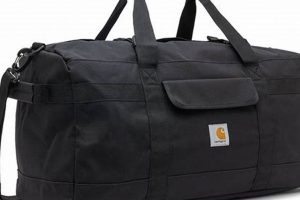
A travel roll is a specialized organizational tool designed to efficiently compress and compartmentalize clothing and other soft goods within luggage. These containers, typically constructed from lightweight and durable materials, utilize a rolling and securing mechanism to minimize volume and maximize available packing space. For example, individuals might employ such items to separate clean garments from soiled ones, or to protect delicate fabrics from creasing during transit.
The use of these organizational aids offers several advantages, including space optimization within suitcases and backpacks, facilitating easier location of specific items, and providing a degree of protection against spills or damage. Their development represents a response to the ongoing need for efficient and streamlined travel solutions. Historically, travelers have sought diverse methods for compacting belongings; these rolls are a modern iteration designed for contemporary travel demands.
The following sections will delve into the diverse types available, explore their construction and materials, provide practical application tips, and offer guidance on selecting the most suitable option for individual travel requirements. Furthermore, maintenance and care recommendations will be presented to ensure prolonged usability.
Optimizing Luggage Space
Employing packing organizers effectively requires a systematic approach. The following guidelines enhance the utility of these tools, ensuring efficient space utilization and garment preservation during travel.
Tip 1: Categorize Items Systematically: Group clothing by type (e.g., shirts, pants, undergarments) before placing them within individual organizers. This facilitates rapid identification and retrieval of specific items.
Tip 2: Minimize Creasing Through Proper Rolling Technique: Tightly roll garments to reduce wrinkles. Smooth out any creases before rolling to achieve a more compact and presentable result.
Tip 3: Leverage Compression Capabilities: Utilize organizers with compression straps or features to further reduce volume. Ensure straps are secured evenly to prevent uneven compression and potential damage.
Tip 4: Distribute Weight Evenly: Position heavier organizers closer to the luggage wheels to maintain balance and prevent tipping. Lighter items can be placed on top.
Tip 5: Employ Multiple Sizes Strategically: Utilize a combination of sizes to accommodate various garment types and quantities. Smaller organizers are ideal for socks and accessories, while larger ones are suitable for bulkier items like sweaters.
Tip 6: Protect Delicate Fabrics: Wrap fragile clothing in tissue paper or place it within a mesh laundry bag before rolling it. This provides an extra layer of protection against snags and abrasions.
Tip 7: Maximize Space by Combining Outfits: Roll complete outfits together. This streamlines the process of selecting attire and prevents unnecessary unpacking.
Implementing these techniques maximizes space efficiency, minimizes garment wrinkling, and streamlines the packing and unpacking process, ultimately enhancing the overall travel experience.
The subsequent sections will discuss the selection criteria for choosing suitable packing organizers, including material considerations and size options.
1. Space Optimization
Space optimization constitutes a primary functional characteristic. The design inherently aims to compress clothing and other soft goods into a more compact form, thus minimizing the volume occupied within luggage. This compression is achieved through the rolling mechanism, which expels excess air and tightly bundles the contents. For example, a traditional suitcase packed with folded clothes might hold significantly less than the same suitcase utilizing compressed clothing within multiple rolls. The efficiency of space usage directly impacts the amount of luggage required for a trip, influencing factors such as airline baggage fees and ease of transport.
The effectiveness of space optimization depends on several variables, including the material composition of the rolls, the rolling technique employed, and the type of clothing being packed. Thicker, less pliable materials may not compress as effectively as thinner, more flexible options. Similarly, densely woven fabrics resist compression compared to looser knits. Practical application demonstrates that items like t-shirts and undergarments compress more readily than bulky sweaters or jeans. The resulting space savings allow travelers to carry more items within the same luggage allowance or to reduce the overall size of their luggage.
In conclusion, the space optimization is an integral component, directly influencing luggage capacity and travel convenience. Achieving optimal compression requires careful consideration of material properties and packing techniques. Addressing the challenge of packing bulky items necessitates experimentation with different rolling methods and strategic item placement. Understanding this connection is essential for travelers seeking to maximize luggage space and minimize travel-related burdens.
2. Wrinkle Reduction
Wrinkle reduction represents a significant benefit derived from the utilization of travel rolls. The method by which clothing is packed directly impacts the degree to which wrinkles form during transit. These specialized organizers offer a means to mitigate wrinkle formation compared to traditional folding techniques.
- Tension Distribution
Rolling garments distributes tension more evenly across the fabric, preventing sharp creases that typically result from folding. When folded, clothes create concentrated pressure points along the fold lines, leading to deeper, more pronounced wrinkles. Rolling, conversely, minimizes these pressure points by spreading the stress over a larger surface area. For example, a dress shirt that is carefully rolled will exhibit fewer harsh wrinkles upon arrival compared to one that has been folded.
- Compression and Immobilization
The compression achieved within these packing aids immobilizes the garments, preventing them from shifting and rubbing against each other during transit. Movement within luggage contributes to wrinkle formation. By tightly containing the clothing, these rolls reduce the friction and movement that cause wrinkles. A sweater, for instance, when secured tightly within the roll, is less likely to wrinkle compared to one loosely packed in a suitcase.
- Material Properties
The material from which the roll is constructed influences wrinkle reduction. Smooth, non-abrasive materials minimize friction against the clothing, reducing the likelihood of wrinkles. Materials such as silk or microfiber offer a smoother surface compared to rougher fabrics like canvas, thereby contributing to better wrinkle management. Using a silk roll for delicate fabrics, for example, further reduces the chances of damage or wrinkles.
- Packing Technique
The packing technique employed within the roll significantly affects wrinkle formation. Smoothing out wrinkles before rolling, and tightly securing the roll, contribute to a wrinkle-free result. In contrast, haphazardly stuffing clothing into the roll without smoothing it first can negate the wrinkle-reducing benefits. For example, smoothing a pair of linen pants before rolling will yield a better result than simply bundling them up.
The effectiveness of wrinkle reduction depends on a combination of the item’s material, the quality of the organizer, and the packing technique. Though not eliminating wrinkles entirely, these organizers significantly minimize them, offering a practical solution for maintaining garment presentability during travel. Proper use of these items, combined with appropriate garment selection, enhances the traveler’s ability to maintain a professional appearance while minimizing the need for ironing or other wrinkle-removal methods.
3. Organization

The capacity to effectively organize belongings represents a critical determinant of a streamlined and efficient travel experience. These aids contribute to enhanced organization by facilitating compartmentalization and systematization of packed items, leading to improved accessibility and reduced clutter.
- Categorical Separation
These organizers enable the segregation of clothing types, such as separating shirts from trousers or designating specific rolls for undergarments and socks. This categorical separation simplifies the process of locating particular items within luggage, eliminating the need to unpack and sift through the entirety of one’s belongings. In practical application, this prevents the disruption of neatly packed items when searching for a specific article of clothing.
- Space Allocation Efficiency
The use of these accessories optimizes space allocation by consolidating smaller items and preventing them from dispersing throughout luggage. This consolidation maximizes usable space and creates a more orderly arrangement, facilitating efficient packing and unpacking. The ability to visually assess the contents of each organizer simplifies inventory management and prevents the unintentional oversight of forgotten items.
- Outfit Coordination
These products offer the capability to pre-plan and pack complete outfits within individual rolls. This approach streamlines the dressing process during travel, eliminating the need to select items individually and ensuring coordinated attire. For example, a roll might contain a shirt, trousers, and corresponding accessories, providing a readily available outfit for a specific occasion or day.
- Hygiene Management
These packing aids can be utilized to segregate clean garments from soiled or damp ones, maintaining hygiene and preventing contamination of clean clothing. This is particularly advantageous for travelers engaging in activities that may result in soiled garments, such as hiking or outdoor sports. The ability to isolate these items prevents the transfer of odors and moisture to clean clothing, preserving freshness and cleanliness.
The organizational benefits derived from employing these packing solutions extend beyond mere tidiness. They contribute to enhanced efficiency, reduced stress, and improved overall travel satisfaction. The systematic approach fostered by these items transforms the often-daunting task of packing into a structured and manageable process, ultimately optimizing the travel experience.
4. Durability
Durability represents a paramount consideration in the context of travel rolls. The capacity of these organizers to withstand the rigors of travel directly influences their longevity and utility. Selection of materials and construction methods significantly impacts the ability of a travel roll to resist damage from abrasion, tearing, and environmental factors.
- Material Composition
The choice of fabric dictates resistance to tearing and abrasion. High-density nylon or polyester, often reinforced with ripstop weaves, provide greater durability compared to lightweight or loosely woven materials. Material denier (a measure of fiber thickness) correlates directly with tear strength. Rolls constructed from higher denier fabrics exhibit superior resistance to puncture and tearing, extending their lifespan under heavy use. For instance, a roll crafted from 600D nylon will generally outperform one made from 210D nylon in terms of tear resistance.
- Seam Construction
Seam construction plays a critical role in structural integrity. Reinforced seams, double stitching, and binding techniques enhance the strength and prevent seam failure under stress. Weak or poorly constructed seams are prone to separation, compromising the roll’s overall durability. Rolls featuring bar-tacked stress points and meticulously crafted seams withstand greater loads and resist unraveling during repeated use. Improper seam construction represents a common failure point in less durable rolls, leading to premature replacement.
- Zipper Quality
Zippers constitute a critical component subject to frequent use and stress. Robust zippers, preferably constructed from metal or heavy-duty nylon, ensure reliable closure and prevent breakage. Inferior zippers, often made from lightweight plastic, are susceptible to cracking or separation, rendering the roll unusable. The inclusion of storm flaps or zipper garages further protects zippers from damage and environmental exposure, enhancing their overall longevity.
- Resistance to Environmental Factors
Durability extends to resistance against environmental factors such as water and UV radiation. Water-resistant coatings or laminated linings protect the contents from moisture damage. UV-resistant materials prevent degradation and fading caused by prolonged exposure to sunlight. These protective features are particularly important for travelers encountering diverse climates and weather conditions. A roll offering water resistance safeguards clothing and valuables from spills or light rain, while UV resistance preserves the integrity of the fabric and prevents discoloration.
The interplay of material selection, seam construction, zipper quality, and environmental resistance determines the overall durability of a travel roll. Investing in a product constructed from robust materials and featuring meticulous craftsmanship ensures long-term reliability and maximizes the value derived from the investment. Compromising on durability often results in premature failure and the need for frequent replacements, ultimately proving more costly in the long run.
5. Portability

Portability, in the context of travel accessories, directly relates to ease of transport and handling. The design and construction of a travel roll directly influence its portability. A lightweight and compact design allows for easy integration into various luggage configurations, minimizing added bulk and weight. The absence of rigid structures contributes to enhanced flexibility, enabling the roll to conform to available space within a suitcase or backpack. Consider, for example, a traveler navigating crowded airport terminals or utilizing public transportation; a bulky, unwieldy packing solution presents a significant impediment, whereas a streamlined and lightweight roll facilitates effortless maneuverability.
The practical significance of portability extends beyond mere convenience. It affects the overall travel experience by reducing physical strain and minimizing potential disruptions. A lighter luggage load reduces the risk of injury and fatigue, particularly during prolonged travel periods. Furthermore, streamlined packing enables quicker transitions through security checkpoints and baggage claim areas, saving valuable time and minimizing stress. For instance, business travelers with tight schedules often prioritize portability to maintain efficiency and punctuality. Similarly, adventure travelers carrying equipment over challenging terrain require lightweight and compact solutions to minimize the burden on their physical endurance. A failure to consider portability leads to cumbersome luggage and can detract from the overall travel experience.
In summary, portability constitutes an essential attribute. The inherent design promotes efficient integration into diverse travel scenarios. Prioritizing lightweight construction and adaptable dimensions enhances ease of transport, reduces physical strain, and minimizes potential disruptions during travel. The understanding of the connection between these design features and enhanced portability contributes to a more efficient, comfortable, and enjoyable travel experience, highlighting the value of considering this aspect during the selection process.
6. Material

The selection of materials directly dictates the performance characteristics of these packing solutions. Constituent materials determine aspects such as durability, weight, water resistance, and aesthetic appeal. In essence, the practical utility and longevity depend significantly on the inherent properties of the materials employed in its construction. For example, a roll constructed from ballistic nylon offers superior abrasion resistance compared to one fashioned from lightweight polyester. This selection directly impacts the product’s capacity to withstand the stresses of repeated use during travel.
Furthermore, material properties influence the packability and compression capabilities. Flexible materials, such as ripstop nylon, allow for tighter compression and more efficient space utilization within luggage. Rigid materials, on the other hand, restrict compression and may contribute to increased bulk. The choice of material also impacts water resistance, a critical consideration for protecting clothing from spills or inclement weather. Rolls constructed from waterproof or water-resistant fabrics, such as coated nylon or laminated materials, offer a higher degree of protection compared to those made from untreated fabrics. The inclusion of breathable materials, such as mesh panels, enhances ventilation and prevents moisture build-up, mitigating the risk of mildew or unpleasant odors.
In summation, the selection of appropriate material is paramount, impacting its overall performance and lifespan. Choices concerning materials should reflect anticipated travel conditions, packing requirements, and desired performance characteristics. Understanding the interplay between material properties and functional attributes enables informed decision-making, ultimately enhancing the travel experience.
7. Protection
The protective function afforded by specialized packing solutions represents a critical consideration for travelers seeking to safeguard clothing and belongings from damage during transit. The inherent design and construction of these organizers offer a degree of defense against external elements and potential hazards encountered during travel. The level of protection provided directly impacts the condition and longevity of packed items.
- Physical Barrier Against Abrasion and Snagging
These packing solutions act as a physical barrier, shielding clothing from abrasion against rough surfaces and preventing snags on protruding objects within luggage. Garments, particularly delicate fabrics, are vulnerable to damage during handling and transportation. By encasing items within a protective layer, these organizers minimize direct contact with external elements, reducing the risk of wear and tear. For instance, delicate silk blouses or fine-knit sweaters benefit from this protective barrier, arriving at the destination in pristine condition, free from snags or pulls.
- Defense Against Moisture and Spills
Many of these products feature water-resistant or waterproof materials, providing a safeguard against moisture damage from spills or exposure to inclement weather. Spilled liquids within luggage can irreparably damage clothing, causing stains or mildew growth. Similarly, exposure to rain or humidity can result in fabric shrinkage or discoloration. By utilizing water-resistant packing aids, travelers mitigate the risk of moisture-related damage, ensuring that clothing remains dry and protected. A water-resistant roll, for example, can prevent spilled toiletries from ruining an entire suitcase of garments.
- Isolation from Odors and Contaminants
These organizers facilitate the isolation of clothing from unpleasant odors or contaminants encountered during travel. Luggage compartments may harbor lingering odors from previous trips or exposure to environmental pollutants. By encasing garments within a sealed or semi-sealed container, these packing solutions prevent the absorption of unwanted smells, preserving the freshness of clothing. Similarly, these items can be used to segregate soiled or contaminated items from clean clothing, preventing the transfer of germs or unpleasant substances. A dedicated roll for dirty laundry, for example, prevents odors from permeating clean clothes within the suitcase.
- Compression and Immobilization to Prevent Shifting
The compression capabilities inherent in these tools help to immobilize clothing, minimizing movement and friction during transit. Shifting and rubbing against one another can cause wrinkles and damage to delicate fabrics. By tightly securing items within a compressed package, these packing aids reduce the degree of movement, minimizing the risk of wrinkles, abrasions, or tears. For example, tightly rolled garments within a compressed organizer are less likely to wrinkle or snag compared to loosely packed items within a suitcase.
These protective qualities, considered collectively, significantly contribute to the preservation of packed items during travel. The barrier against physical damage, defense against moisture, isolation from odors, and immobilization to prevent shifting all serve to enhance the longevity and utility of clothing. Investing in durable and protective organizers is a prudent decision for travelers seeking to maintain the condition of their belongings and minimize the risk of damage during transportation.
Frequently Asked Questions
The following section addresses common inquiries and clarifies misconceptions regarding the utilization and benefits of specialized packing solutions for travel.
Question 1: What constitutes an appropriate material for travel roll construction?
Optimal material selection balances durability, weight, and water resistance. High-density nylon or polyester fabrics, often treated with water-repellent coatings, provide a suitable combination of these attributes. Breathable materials, such as mesh, facilitate ventilation and minimize moisture buildup.
Question 2: How does the rolling technique impact wrinkle reduction?
The rolling technique directly influences wrinkle mitigation. Tightly rolling garments, ensuring smooth surfaces, and minimizing folds prior to rolling contribute to reduced wrinkle formation. Secure closure of the roll prevents garment shifting during transit.
Question 3: What advantages does compartmentalization offer in packing?
Compartmentalization facilitates efficient organization by segregating clothing types. This simplifies item retrieval and prevents cross-contamination between clean and soiled garments. Pre-planning complete outfits within individual compartments streamlines the dressing process during travel.
Question 4: How does the construction contribute to longevity?
Robust construction enhances product longevity. Reinforced seams, durable zippers, and high-quality materials resist wear and tear. Protective features, such as water-resistant coatings, prevent damage from environmental factors.
Question 5: Can these be employed for diverse travel scenarios?
Versatility allows their integration across various travel types, from leisure trips to business excursions. Their adaptability accommodates diverse luggage sizes and packing requirements, ensuring efficient organization regardless of travel style.
Question 6: What cleaning protocols should be observed for these travel accessories?
Cleaning protocols depend on the material composition. Generally, hand washing with mild detergent and air drying preserves the integrity of the fabric. Avoid harsh chemicals or abrasive cleaning agents that may compromise material properties.
In summary, their effective utilization requires careful consideration of material properties, packing techniques, and maintenance protocols. Employing these strategies maximizes the organizational and protective benefits.
The subsequent section will explore advanced packing techniques and strategies for optimizing space utilization during travel.
Concluding Remarks
This exploration has illuminated the multifaceted utility of the travel roll up bag. The analysis encompassed its function as a space-saving tool, its contribution to wrinkle reduction and organization, and its significance in providing protection for belongings during transit. Furthermore, the importance of material selection, construction quality, and packing techniques in optimizing performance was thoroughly examined.
Ultimately, the selection and appropriate utilization of the travel roll up bag represents a strategic investment in efficient and organized travel. Continued advancements in materials and design will likely further enhance the capabilities of these items, solidifying their role as essential components of modern travel luggage. Prioritizing informed decision-making and adherence to best practices will yield tangible benefits for travelers seeking to maximize space, minimize garment damage, and streamline their overall travel experience.
![Best Travel Bag for Business Trip: [Your Brand] Guide | Best Travel Tips for Adventurers: Explore the World on a Budget](https://detravellers.com/wp-content/uploads/2026/04/th-151-300x200.jpg "Best Travel Bag for Business Trip: [Your Brand] Guide Best Travel Tips for Adventurers: Explore the World on a Budget")