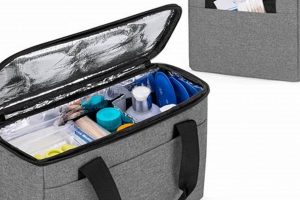
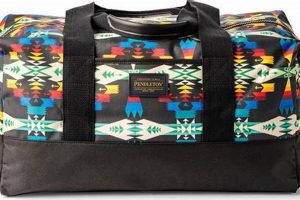
A carry-on suitcase, typically designed to meet the size restrictions imposed by airlines for items brought into the passenger cabin, provides a compact and convenient solution for travelers. These items often measure approximately 22 inches in height, allowing for efficient packing of essential belongings while remaining easily manageable during transit. The dimensions generally align with the maximum allowable size for overhead compartments on most major airlines.
Utilizing appropriately sized luggage streamlines the travel experience by eliminating the need to check baggage, reducing wait times at arrival, and minimizing the risk of lost or delayed items. This format proves especially beneficial for short trips, business travel, or when carrying valuables. The concept of cabin luggage evolved alongside air travel, reflecting the need for standardized sizes that maximize space utilization within aircraft.
The subsequent sections will delve into considerations for selecting the optimal dimensions and features, explore the advantages and disadvantages of different materials, and offer guidance on packing efficiently to maximize the utility of compact luggage.
Optimizing the Use of Compact Carry-on Luggage
The following guidelines aim to enhance the packing experience and maximize the utility of appropriately sized cabin baggage. Adherence to these principles promotes efficient travel.
Tip 1: Prioritize Essential Items: Select clothing and personal effects based on necessity and versatility. Choose items that can be mixed and matched to create multiple outfits, reducing overall volume.
Tip 2: Employ Rolling Techniques: Rolling garments, rather than folding, minimizes wrinkles and often conserves space within the luggage compartment. Secure rolled items with elastic bands to maintain their form.
Tip 3: Utilize Compression Bags: Compression bags effectively reduce the volume of bulky items, such as sweaters or jackets. Ensure compatibility with airline regulations regarding compressed item dimensions.
Tip 4: Optimize Shoe Placement: Place shoes along the sides of the bag, utilizing available space within the shoe cavities to store smaller items like socks or chargers. Protect clothing from dirt by placing shoes in protective bags.
Tip 5: Leverage Available Pockets: Utilize internal and external pockets for smaller items, such as toiletries, electronics, and travel documents. Organize items within pockets for easy access and retrieval.
Tip 6: Adhere to Airline Regulations: Confirm baggage size and weight restrictions with the specific airline prior to departure. Overloading may result in additional fees or refusal of boarding.
Tip 7: Weigh the Luggage: Before traveling, weigh the filled baggage to ensure compliance with airline weight limits. Utilize a luggage scale for accurate measurement.
Effective application of these strategies enhances the efficiency and convenience of cabin luggage utilization. Travelers can minimize baggage size, comply with airline regulations, and streamline the overall travel experience.
The subsequent section will address durability considerations when choosing cabin luggage.
1. Airline Compatibility

Airline compatibility represents a primary consideration in the selection and utilization of a 22-inch suitcase. Conformity to airline-imposed size and weight restrictions is paramount to ensure seamless boarding and avoid additional fees or the inconvenience of gate-checking luggage.
- Maximum Size Regulations
Airlines stipulate maximum dimensions for carry-on baggage, including height, width, and depth. Non-compliance with these regulations necessitates the checking of the suitcase, often incurring supplementary charges. The 22-inch designation generally falls within the accepted limits of many major carriers, but variations exist and necessitate verification prior to travel. Discrepancies can arise due to differences in measurement methods or changes in airline policy.
- Weight Restrictions Enforcement
In addition to size, airlines impose weight limits on carry-on items. Exceeding these limits may result in mandatory checking of the luggage, attracting fees. Weight limits are rigorously enforced, particularly by budget airlines. The inherent weight of the 22-inch suitcase itself, coupled with the weight of its contents, must be carefully monitored to remain compliant.
- Variations Among Airlines
Size and weight restrictions for carry-on baggage are not uniform across all airlines. International carriers, budget airlines, and regional carriers often have differing specifications. Travelers utilizing multiple airlines within a single journey must adhere to the strictest limitations imposed by any of the carriers involved. Failure to account for these variations can lead to unexpected expenses and logistical complications.
- Impact of Overstuffing
Even if a 22-inch suitcase initially meets size regulations, overstuffing can cause it to exceed allowable dimensions. Bulging sides or extended handles can render the suitcase non-compliant, potentially resulting in forced gate-checking. Careful packing and adherence to internal capacity limits are crucial to maintaining airline compatibility.
The interconnectivity of these facets demonstrates the importance of thoroughly researching airline-specific guidelines prior to departure. Choosing a 22-inch suitcase is only the initial step; ensuring it conforms to the nuanced regulations of individual airlines is vital for a smooth and cost-effective travel experience. The convenience of a carry-on is contingent on meticulous adherence to established size and weight constraints.
2. Internal Capacity

Internal capacity, defined as the usable volume within a 22-inch suitcase, significantly influences the practical utility and travel efficiency afforded by this type of carry-on luggage. It dictates the quantity and type of belongings a traveler can accommodate, directly impacting trip duration and preparation requirements.
- Usable Volume Calculation
Usable volume is not merely an external dimension calculation; it accounts for internal structures such as lining, support frames, and wheel housings that diminish packable space. A well-designed 22-inch suitcase maximizes usable volume through efficient internal architecture. For instance, some models feature recessed wheel systems or thin, yet durable, frame materials to reclaim otherwise lost space, allowing for more efficient packing of clothing and accessories.
- Impact of Compartmentalization
The arrangement and design of internal compartments play a crucial role in optimizing capacity. Strategically placed dividers, zippered pockets, and compression straps facilitate organization and prevent items from shifting during transit, thereby minimizing wasted space. Ineffective compartmentalization can lead to disorganized packing and reduced overall capacity, even within the same external dimensions. A poorly designed interior can render a seemingly spacious suitcase less practical than a smaller, better-organized one.
- Influence of Material Thickness
The thickness of the suitcase’s material affects both its durability and its internal capacity. Thicker, more robust materials, while providing greater protection for contents, inherently reduce the available packing space. Manufacturers must strike a balance between material thickness and capacity optimization. For example, lightweight, abrasion-resistant fabrics offer a compromise between durability and maximizing internal volume, particularly important when adhering to strict airline weight restrictions.
- Packing Efficiency Techniques
Even with a well-designed interior, packing efficiency is paramount. Techniques such as rolling clothes instead of folding, using compression bags, and strategically placing shoes in unused spaces can significantly increase the amount of items that can be accommodated. Inefficient packing negates the benefits of a well-designed interior, resulting in underutilization of the available space. Mastery of packing techniques is essential to fully exploit the internal capacity of a 22-inch suitcase.
In summary, internal capacity is a multifaceted attribute of a 22-inch suitcase, influenced by design, material selection, and user packing habits. Maximizing usable volume requires a holistic approach, considering not only the external dimensions but also the internal architecture, material properties, and individual packing strategies. A judicious balance of these factors determines the overall practicality and convenience of the luggage for travel purposes.
3. Durability Materials

The selection of durable materials directly correlates with the longevity and protective capabilities of a 22-inch travel bag. Material choice influences the suitcase’s ability to withstand the rigors of frequent handling, varying environmental conditions, and potential impacts during transit. A robust exterior safeguards contents from damage, extends the usable lifespan of the bag, and reduces the frequency of replacements, thereby minimizing long-term costs. Conversely, inferior materials are susceptible to tearing, abrasion, and structural failure, compromising both the contents and the bag’s utility. For example, a 22-inch suitcase constructed from ballistic nylon or high-denier polyester exhibits superior resistance to wear and tear compared to one made from thin, low-quality fabric. The former is more likely to endure the abrasive forces encountered during airline baggage handling, while the latter may easily succumb to rips or punctures.
Further enhancing durability, the construction of key components, such as zippers, handles, and wheels, warrants consideration. High-quality zippers, typically made from metal or reinforced nylon, prevent separation and ensure secure closure, preventing loss of items. Similarly, telescoping handles crafted from aircraft-grade aluminum provide structural integrity and resistance to bending or breakage. Robust wheels, often constructed from polyurethane, offer smooth rolling performance and withstand the stresses of uneven surfaces. A failure in any of these components can render the entire suitcase unusable. For example, a broken handle necessitates cumbersome carrying, while a malfunctioning zipper compromises the security of the contents.
In summary, durability materials are an indispensable component of a reliable 22-inch travel bag. The selection of appropriate materials for the exterior, zippers, handles, and wheels directly impacts the bag’s ability to withstand the demands of travel and protect its contents. While initial cost considerations may favor less durable options, the long-term benefits of investing in high-quality materials outweigh the short-term savings. Understanding the properties of different materials and their contribution to overall durability is crucial for making an informed purchase decision.
4. Weight Restrictions

Weight restrictions constitute a critical parameter governing the practical utility of a 22-inch suitcase. Airlines impose limits on the permissible weight of carry-on baggage, and non-compliance can result in mandatory checking of the bag, incurring additional fees and potentially delaying arrival at the final destination. The inherent weight of the empty 22-inch suitcase, combined with the weight of its contents, must remain below the airline’s specified threshold. For example, exceeding a 7 kg (15 lbs) weight limit necessitates either removing items to meet the requirement or paying for checked baggage services. This interplay highlights the imperative of selecting a lightweight suitcase and employing efficient packing techniques to maximize the available capacity without surpassing weight constraints.
The impact of weight restrictions extends beyond mere financial considerations. Overpacking a 22-inch suitcase, even if it remains within size limitations, can lead to handling difficulties and potential injuries. Lifting an excessively heavy suitcase into an overhead compartment poses a risk of strain or muscle injury, particularly for individuals with pre-existing physical limitations. Furthermore, the cumulative effect of carrying heavy luggage through airports and during connecting flights can induce fatigue and discomfort. Practical application of this understanding involves carefully evaluating the weight of individual items prior to packing, utilizing a luggage scale to verify compliance, and opting for lighter-weight alternatives when available. For example, choosing travel-sized toiletries over full-sized containers can significantly reduce overall weight without sacrificing essential personal care items.
In conclusion, weight restrictions are inextricably linked to the effective utilization of a 22-inch travel bag. Adhering to these limits not only avoids financial penalties and logistical complications but also promotes physical well-being during travel. By prioritizing lightweight luggage, employing efficient packing strategies, and diligently monitoring the total weight, travelers can optimize their carry-on experience and mitigate the potential drawbacks associated with exceeding prescribed weight limitations. This understanding is crucial for ensuring a seamless and comfortable journey, particularly for frequent travelers and those seeking to avoid the inconvenience of checked baggage.
5. Maneuverability Ease

Maneuverability ease, defined as the capacity to navigate a 22-inch travel bag through various environments with minimal effort, is a critical determinant of user satisfaction and travel efficiency. The cause-and-effect relationship is direct: enhanced maneuverability reduces physical strain and navigational challenges, while diminished maneuverability increases exertion and the likelihood of delays or obstacles. The importance of this attribute is underscored by the frequent need to traverse crowded airports, uneven sidewalks, and confined spaces, where ease of movement directly impacts the overall travel experience. For example, a suitcase with poorly designed wheels can become unwieldy on carpeted surfaces, requiring significant force to pull or push, whereas a suitcase with multi-directional spinner wheels allows for effortless gliding and pivoting, regardless of surface type.
Real-life scenarios highlight the practical significance of maneuverability ease. Consider a business traveler rushing to catch a connecting flight: a suitcase with smooth-rolling, responsive wheels facilitates rapid movement through terminals, reducing the risk of missed connections. Conversely, a suitcase that drags or requires constant adjustment can impede progress and contribute to stress. Similarly, for individuals with mobility limitations or those carrying additional luggage, ease of maneuverability becomes paramount. The ability to effortlessly steer a 22-inch travel bag through crowded areas or up ramps can significantly enhance accessibility and independence. Factors contributing to maneuverability include wheel type (spinner vs. inline), wheel diameter, bearing quality, handle design, and weight distribution within the suitcase. A well-balanced load, coupled with high-quality wheels and a comfortable handle, optimizes maneuverability ease.
In conclusion, maneuverability ease is an integral component of a functional and user-friendly 22-inch travel bag. Challenges in this area translate directly into diminished travel efficiency and increased physical strain. The practical significance of this understanding lies in the ability to select luggage that prioritizes ease of movement, thereby enhancing the overall travel experience and mitigating potential obstacles. Prioritizing this aspect aligns with the broader theme of optimizing travel convenience and efficiency.
6. Organizational Features

Organizational features are critical components influencing the utility of a 22-inch travel bag. These features, including internal dividers, pockets, compression straps, and specialized compartments, directly affect packing efficiency and accessibility of contents. Inadequate organization leads to inefficient space utilization, increased wrinkling of clothing, and difficulty locating specific items, whereas well-designed organizational elements optimize packing, protect belongings, and streamline the travel experience. The direct cause-and-effect relationship underscores the significance of these features in maximizing the practical value of a limited-size carry-on. For example, a 22-inch suitcase with multiple zippered compartments and compression straps allows for separate storage of clothing, toiletries, and electronic devices, preventing items from shifting during transit and minimizing wrinkles. In contrast, a suitcase with a single large compartment necessitates rummaging through the entire bag to locate a specific item, increasing frustration and inefficiency.
Real-world application demonstrates the impact of organizational features on travel convenience. Consider a business traveler attending a conference: a 22-inch travel bag with a dedicated laptop compartment and an organizer panel for pens, business cards, and documents facilitates efficient access to essential work items, enabling seamless transitions between travel and professional activities. Similarly, a traveler on a leisure trip benefits from a suitcase with separate compartments for clean and dirty clothes, preventing contamination and simplifying laundry management. Compression straps allow for minimizing the bulk of clothing, maximizing space for souvenirs or other necessities. The practical application extends to optimizing weight distribution within the suitcase, preventing imbalances that can hinder maneuverability. Placing heavier items closer to the wheels and using dividers to secure items in place contributes to stability and ease of handling.
In conclusion, organizational features represent a crucial aspect of a 22-inch travel bag. These elements transform a simple container into a functional travel tool by optimizing packing efficiency, protecting contents, and facilitating accessibility. The challenges associated with maximizing space and minimizing inconvenience in a compact carry-on are effectively addressed through thoughtfully designed organizational elements. The selection of a 22-inch travel bag should prioritize these features to enhance the overall travel experience, aligning with the broader goal of optimizing convenience and efficiency.
Frequently Asked Questions
This section addresses common inquiries regarding 22-inch travel bags, providing clear and concise answers to assist in informed decision-making.
Question 1: Are all 22-inch travel bags compliant with airline carry-on regulations?
While 22 inches is a commonly cited dimension for carry-on luggage, specific airline regulations vary. It is essential to verify the exact size and weight restrictions with the specific airline prior to travel. Dimensions may include wheels and handles, affecting compliance.
Question 2: What is the typical storage capacity of a 22-inch travel bag?
The internal volume of a 22-inch travel bag varies depending on design and construction. Capacity is typically measured in liters and can range from 35 to 50 liters. This capacity is generally sufficient for short trips or minimalist packing strategies.
Question 3: What materials are commonly used in the construction of 22-inch travel bags, and how do they impact durability?
Common materials include ballistic nylon, polyester, and polycarbonate. Ballistic nylon offers superior abrasion resistance, while polycarbonate provides rigid protection. Material selection directly impacts durability and weight; higher denier fabrics generally indicate greater tear resistance.
Question 4: How should a 22-inch travel bag be cleaned and maintained?
Cleaning methods depend on the material. Spot cleaning with mild soap and water is suitable for most fabrics. Polycarbonate shells can be wiped down with a damp cloth. Regular cleaning prevents the buildup of dirt and prolongs the life of the bag.
Question 5: What types of wheel systems are available on 22-inch travel bags, and which is preferable?
Two primary wheel systems exist: two-wheel (inline) and four-wheel (spinner). Spinner wheels offer greater maneuverability in tight spaces, while inline wheels provide better stability on uneven surfaces. The optimal choice depends on individual travel preferences and typical usage scenarios.
Question 6: What are some essential packing tips for maximizing space in a 22-inch travel bag?
Efficient packing techniques include rolling clothes instead of folding, utilizing compression bags, and strategically placing shoes to maximize unused space. Packing cubes can also assist in organizing items and compressing volume.
In summary, understanding the nuances of airline regulations, material properties, and packing strategies is crucial for effectively utilizing a 22-inch travel bag. Prioritizing these factors ensures a smoother and more efficient travel experience.
The subsequent section will delve into comparing different brands and models of 22-inch travel bags.
Assessing the 22 Inch Travel Bag
This exploration has illuminated the multifaceted considerations inherent in the selection and utilization of a 22 inch travel bag. From adhering to stringent airline regulations concerning size and weight to optimizing internal capacity through strategic packing techniques, the effective use of this luggage type demands careful attention to detail. The examination of durable materials, wheel systems, and organizational features underscores the importance of prioritizing quality construction and thoughtful design to enhance the overall travel experience.
Ultimately, the informed selection and proper employment of a 22 inch travel bag are essential for efficient and streamlined travel. As airline regulations evolve and travel demands increase, continued vigilance regarding size and weight restrictions, coupled with an emphasis on durable construction and intelligent design, will remain paramount in maximizing the utility and minimizing the challenges associated with this compact luggage solution.