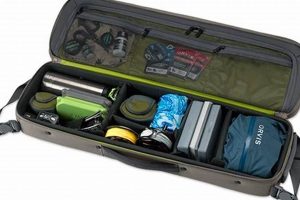
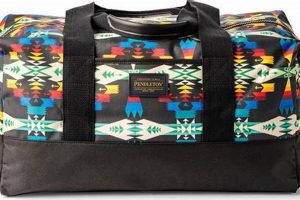
These items are specifically designed luggage options tailored to meet the size and weight restrictions imposed by airlines for items brought onboard an aircraft by female travelers. They often incorporate features that cater to the specific needs and preferences of women, such as organizational compartments, aesthetic designs, and comfortable carrying options. For example, a rolling suitcase with a telescoping handle, a top handle, and interior pockets for shoes and toiletries, all sized to fit within the airline’s carry-on dimensions, is one such example.
The availability of appropriately sized and designed luggage offers significant convenience and efficiency for air travel. These items minimize the need to check baggage, thereby reducing the risk of lost or delayed luggage and saving time at baggage claim areas. Historically, luggage design often overlooked the specific ergonomic and organizational needs of female travelers. The development of these specialized options addresses this gap, providing practical and stylish solutions for short trips or as supplementary luggage for longer journeys.
The subsequent sections will delve into various aspects related to selecting appropriate luggage, including size and weight considerations, material durability, features promoting organization, and style variations suitable for different travel scenarios. Furthermore, it will examine factors to consider based on travel frequency, destination type, and personal preferences when making a purchase decision.
Selection Guidance
The following tips provide guidance for selecting appropriate luggage, emphasizing practicality, durability, and compliance with airline regulations. Careful consideration of these factors will enhance travel efficiency and convenience.
Tip 1: Adhere to Airline Size Restrictions: Prioritize verification of the specific size and weight restrictions imposed by the intended airline(s). Deviation from these standards can result in mandatory baggage checks and associated fees. Review the airline’s official website or contact customer service for accurate specifications.
Tip 2: Evaluate Material Durability: Assess the quality and resilience of the materials used in construction. Ballistic nylon or high-denier polyester offer superior resistance to abrasion and tearing compared to less robust alternatives. Consider the frequency of travel and potential for rough handling.
Tip 3: Prioritize Organizational Features: Seek luggage equipped with multiple compartments, pockets, and dividers. These features facilitate efficient packing and easy access to essential items such as electronics, toiletries, and documents. Internal compression straps can further maximize space utilization.
Tip 4: Consider Wheel and Handle Quality: Examine the smoothness and sturdiness of the wheels and telescoping handle. Robust construction and smooth operation are crucial for maneuverability, particularly in crowded airports. Opt for luggage with durable, multi-directional spinner wheels for optimal control.
Tip 5: Assess Weight and Portability: Recognize the importance of lightweight luggage, especially when adhering to strict weight limits. Minimize unnecessary weight to maximize packing capacity. Consider features such as padded shoulder straps or integrated carry handles for comfortable handling.
Tip 6: Evaluate Security Features: Examine the presence of integrated locking mechanisms or compatibility with external locks. TSA-approved locks offer added security while allowing airport security personnel to inspect contents without causing damage. Prioritize luggage with tamper-resistant zippers or seams.
Key takeaways include prioritizing compliance with airline regulations, selecting durable materials, and optimizing organizational features. These considerations contribute to a more seamless and efficient travel experience.
The subsequent sections will address specific use case scenarios and recommendations based on travel frequency and destination type.
1. Size Restrictions Compliance

Size restrictions compliance constitutes a critical component in the selection and utilization of luggage intended for onboard carriage. Airline regulations mandate specific dimensions for items permitted in the passenger cabin, impacting both the feasibility and legality of utilizing certain luggage options. Failure to adhere to these restrictions can result in mandatory baggage checks at the gate, incurring additional fees and potentially delaying the boarding process. Luggage specifically designed and marketed for carry-on use incorporates these dimensional limits into its design specifications, ensuring compatibility with airline standards. For instance, a bag exceeding the length, width, or height parameters established by a particular airline is deemed non-compliant, regardless of its other features or purported suitability. The integration of these size parameters is not merely an aesthetic consideration; it represents a fundamental operational requirement.
The impact of size restrictions compliance extends beyond mere regulatory adherence. Properly sized luggage optimizes space within the aircraft’s overhead compartments, facilitating efficient storage and minimizing congestion during boarding and deplaning. Non-compliant items, conversely, may necessitate manual handling by airline staff to locate alternative storage, potentially disrupting the flow of passenger movement. Moreover, compliance mitigates the risk of damage to luggage or personal belongings resulting from forced placement in undersized storage areas. Travelers should therefore prioritize understanding and adhering to size restrictions to ensure a seamless and efficient travel experience. Real-world examples include baggage handlers refusing to allow oversized items, necessitating check-in at the gate and associated charges.
In summary, strict adherence to size restrictions represents a non-negotiable aspect of selecting and utilizing carry-on luggage. The practical implications of non-compliance range from financial penalties and delays to potential damage to personal belongings. Consequently, travelers are advised to meticulously verify the size regulations of their intended airline and to select luggage specifically engineered to meet those parameters, therefore ensuring both regulatory compliance and operational efficiency. The relationship between size restrictions and the utility of carry-on luggage is thus fundamentally intertwined.
2. Weight Limitations Adherence

Weight limitations adherence constitutes a fundamental consideration in the context of luggage designed for women’s carry-on use. Airlines impose weight restrictions on carry-on items to ensure aircraft safety and operational efficiency. Failure to comply with these limitations results in mandatory baggage checks, thereby negating the primary benefit of carry-on luggage: convenient and expedited travel. Weight restrictions directly influence the design and construction of luggage; manufacturers must prioritize lightweight materials and efficient packing strategies to maximize usable space without exceeding permissible weight thresholds. For example, a carry-on bag constructed from heavy canvas, despite its aesthetic appeal, might inherently limit the amount of clothing or personal items that can be packed within the allocated weight limit. The relationship between weight limitations and luggage design is thus inherently causal, influencing material selection and overall functionality.
Practical significance arises from the consequences of exceeding weight limits. Airline personnel routinely weigh carry-on luggage at boarding gates. Instances of passengers being required to repack or transfer items to checked baggage are commonplace. The inconvenience and potential costs associated with non-compliance underscore the importance of weight management. Understanding the interplay between luggage weight, packing capacity, and airline regulations is critical for effective travel planning. Furthermore, the presence of organizational compartments, while advantageous, can inadvertently contribute to added weight if not used judiciously. Therefore, a strategic approach to packing, coupled with awareness of material weights, is essential for adhering to weight limitations.
In summary, weight limitations adherence represents a non-negotiable aspect of carry-on luggage utilization. Failure to comply results in practical inconveniences and financial implications. The design and material selection of luggage, as well as the traveler’s packing strategies, are directly influenced by these weight constraints. A comprehensive understanding of this relationship is essential for maximizing the benefits of carry-on travel while adhering to airline regulations. This understanding facilitates a more streamlined and efficient travel experience, mitigating potential disruptions caused by non-compliant luggage.
3. Durability of Materials
The “Durability of Materials” is a critical factor in the overall performance and longevity of women’s carry-on travel bags. Material selection directly impacts the bag’s ability to withstand the stresses of travel, including abrasion, impacts, and exposure to varying environmental conditions. The cause-and-effect relationship is straightforward: inferior materials degrade quickly, leading to premature failure and the need for replacement, while robust materials extend the bag’s lifespan, offering a better return on investment. For instance, a bag constructed from low-denier polyester may tear easily when snagged or subjected to heavy loads, rendering it unusable after a few trips. Conversely, a bag made from ballistic nylon or high-denier Cordura will resist tearing and abrasion, maintaining its integrity even after extensive use.
The practical significance of “Durability of Materials” extends beyond mere cost savings. A durable bag provides greater protection for its contents, safeguarding valuable electronics, delicate clothing, and important documents from damage. In contrast, a bag with weak seams or a flimsy exterior may fail during transit, exposing the contents to the elements or physical trauma. Consider a business traveler whose presentation materials are ruined due to a tear in a poorly constructed bag, or a vacationer whose clothing is damaged by rain after a zipper fails. These examples highlight the real-world consequences of inadequate material durability. Furthermore, the choice of materials also influences the bag’s weight, a crucial consideration for carry-on luggage due to airline weight restrictions. Lightweight, durable materials allow for maximum packing capacity without exceeding weight limits.
In conclusion, the durability of materials is not merely a desirable feature, but a fundamental requirement for women’s carry-on travel bags. The choice of materials directly affects the bag’s longevity, its ability to protect its contents, and its overall utility for travel. Investing in a bag constructed from high-quality, durable materials represents a wise decision that ultimately translates into greater value and a more reliable travel experience. While initial cost may be higher, the long-term benefits of enhanced durability far outweigh the short-term savings of a cheaper, less robust alternative.
4. Organizational Compartments
Organizational compartments within travel luggage represent a pivotal design element directly influencing packing efficiency and accessibility, particularly for women’s carry-on travel bags. The strategic incorporation of designated spaces enables systematic arrangement, minimizing clutter and maximizing available volume. This feature contributes significantly to a streamlined travel experience.
- Dedicated Electronics Storage
Designated compartments for electronic devices, such as laptops, tablets, and mobile phones, protect these items from impact and scratches. Padded sleeves and secure closures prevent movement during transit. For instance, a separate, fleece-lined pocket for a tablet reduces the risk of screen damage compared to storing it loosely within the main compartment.
- Specialized Toiletry Pouches
Water-resistant or waterproof pouches isolate toiletries from clothing and other belongings, mitigating the risk of spills or leaks. Individual compartments for liquids, creams, and cosmetics prevent product mixing and facilitate compliance with airline regulations regarding liquid volumes. A dedicated, removable pouch simplifies the security screening process.
- Segmented Clothing Divisions
Internal dividers and straps enable the separation of clothing types, such as shirts, pants, and undergarments. Compression straps minimize wrinkling and maximize space utilization. Separate compartments for clean and soiled clothing maintain hygiene and prevent odor transfer. An example includes a zippered mesh divider allowing visibility while keeping items distinct.
- Accessible Document Sleeves
Externally accessible sleeves or pockets provide convenient storage for travel documents, boarding passes, and passports. These compartments expedite security checks and prevent the need to rummage through the main compartment. Secure closures, such as zippers or magnetic snaps, prevent accidental loss of important documents.
These organizational facets collectively enhance the functionality of luggage, promoting efficient packing and effortless access to essential items. For women’s carry-on travel bags, these design elements are particularly valuable, optimizing space and facilitating a more organized and less stressful travel experience.
5. Maneuverability/Portability

Maneuverability and portability are intrinsic attributes of viable women’s carry-on travel bags, directly impacting the user’s experience. The causal relationship is evident: diminished maneuverability translates to increased physical strain and reduced travel efficiency, whereas enhanced portability fosters ease of movement and reduced exertion. The importance of these characteristics stems from the inherent demands of modern travel environments, characterized by crowded airports, varying terrains, and time constraints. A bag lacking adequate maneuverability and portability becomes a hindrance, negating the intended convenience of carry-on luggage.
Consider the case of a traveler navigating a bustling airport with a bag featuring inflexible wheels and a poorly balanced weight distribution. The resulting difficulty in steering and lifting the bag leads to fatigue, delays, and potential physical injury. Conversely, a bag equipped with multi-directional spinner wheels, a telescoping handle with adjustable height, and ergonomically designed carrying straps provides a smoother, more effortless experience. This enhances the traveler’s ability to navigate obstacles, traverse varied surfaces, and maintain a comfortable posture. Furthermore, the overall weight of the bag significantly influences its portability; lightweight construction allows for greater packing capacity without exceeding airline weight restrictions or compromising ease of handling. Real-world applications include effortlessly gliding through airport terminals and conveniently lifting the bag into overhead compartments or onto public transportation.
In summary, maneuverability and portability are not merely desirable features, but essential components of effective women’s carry-on travel bags. The practical significance lies in their direct impact on travel efficiency, physical comfort, and overall user satisfaction. Prioritizing bags with robust wheel systems, ergonomic handles, lightweight construction, and balanced weight distribution enables a more seamless and enjoyable travel experience. The challenge lies in balancing these features with other critical attributes, such as durability, organizational capacity, and aesthetic design, to achieve an optimal combination of form and function.
6. Security Features Inclusion
The incorporation of security features into women’s carry-on travel bags is a paramount consideration, reflecting the inherent need to protect personal belongings during transit. Such features aim to deter theft, prevent unauthorized access, and maintain the integrity of the bag’s contents throughout the travel process. The effectiveness of these features directly correlates with the security afforded to the traveler and their possessions.
- Integrated Locking Mechanisms
Integrated locking mechanisms, such as TSA-approved combination locks or keyed locks, secure the main compartment of the bag, preventing opportunistic theft. These mechanisms allow airport security personnel to inspect the contents without damaging the bag, facilitating efficient screening while maintaining a level of security. Real-world examples include preventing tampering by unauthorized individuals in transit or deterring casual theft from unattended luggage in public spaces. Their inclusion in women’s carry-on travel bags reflects a proactive approach to safeguarding valuables.
- Tamper-Resistant Zippers and Seams
Tamper-resistant zippers and reinforced seams are designed to withstand forced entry or cutting attempts. Zippers with interlocking sliders or hidden access points make it significantly more difficult for thieves to quickly access the bag’s contents. Similarly, reinforced seams enhance the structural integrity of the bag, preventing it from being easily torn open. The presence of these features in women’s carry-on travel bags serves as a deterrent and increases the time and effort required for unauthorized access, thus reducing the likelihood of successful theft.
- RFID-Blocking Technology
RFID-blocking technology, often incorporated into internal pockets or sleeves, protects electronic data stored on passports and credit cards from unauthorized scanning. Radio-frequency identification (RFID) skimming involves using electronic devices to wirelessly steal information from these cards and documents. RFID-blocking materials disrupt these signals, preventing data theft. The inclusion of this technology in women’s carry-on travel bags addresses the growing concern of electronic identity theft and provides an added layer of security for sensitive personal information.
- Concealed Compartments and Pockets
Concealed compartments and pockets provide discreet storage for valuables, making them less susceptible to theft or loss. These compartments are typically hidden within the bag’s lining or integrated into inconspicuous areas. They can be used to store cash, jewelry, or other sensitive items that require added protection. The presence of these features in women’s carry-on travel bags offers a practical solution for safeguarding valuables while maintaining a low profile and minimizing the risk of attracting unwanted attention.
Collectively, these security features contribute to a more secure and stress-free travel experience. Their incorporation into women’s carry-on travel bags demonstrates a commitment to protecting personal belongings and mitigating the risks associated with travel. The selection of a bag with robust security features is a prudent investment that can provide peace of mind and safeguard against potential losses.
7. Aesthetic Design

Aesthetic design, while seemingly secondary to functional considerations, constitutes a significant component in the overall appeal and marketability of women’s carry-on travel bags. The correlation between aesthetic design and purchasing decisions is well-established; visual appeal often influences consumer preferences, particularly in product categories where functional parity exists. The effect of aesthetic design extends beyond mere surface-level appeal, influencing perceptions of quality, sophistication, and personal style. For instance, a bag featuring clean lines, harmonious color palettes, and thoughtfully chosen hardware may project an image of professionalism and attention to detail, while a bag with clashing colors and haphazard detailing may convey an impression of inferior quality.
The practical significance of aesthetic design in women’s carry-on travel bags lies in its ability to enhance the user’s overall travel experience. A visually appealing bag can contribute to a sense of confidence and well-being, particularly in stressful travel environments. Consider a business traveler who chooses a sleek, minimalist bag that complements her professional attire, projecting an image of competence and sophistication. Conversely, a traveler who is self-conscious about the appearance of her luggage may experience unnecessary anxiety and discomfort. Real-world examples demonstrate that aesthetic preferences vary widely; however, the underlying principle remains consistent: aesthetic design plays a crucial role in shaping the user’s perception of the product and its ability to meet their individual needs and aspirations. Furthermore, aesthetic design considerations often extend to the bag’s interior organization and functionality. Thoughtfully designed compartments, pockets, and linings can enhance both the visual appeal and the practical utility of the bag.
In summary, while functional attributes such as durability, size, and security remain paramount, aesthetic design represents a critical factor in the success of women’s carry-on travel bags. Its influence extends beyond mere visual appeal, shaping perceptions of quality, enhancing the user’s experience, and driving purchasing decisions. The challenge lies in striking a balance between aesthetic considerations and functional requirements, creating a product that is both visually appealing and highly practical. Ignoring aesthetic design diminishes the overall value proposition of the bag and limits its appeal to a specific segment of the market. Therefore, manufacturers and designers must prioritize aesthetic design alongside functional features to create truly compelling and successful products.
Frequently Asked Questions about women’s carry on travel bags
This section addresses common inquiries and clarifies key aspects concerning luggage designed for onboard carriage, focusing on issues specific to female travelers.
Question 1: What dimensions define “carry-on” luggage and how do these vary across airlines?
Standard dimensions generally adhere to a maximum size of 22 x 14 x 9 inches (56 x 36 x 23 cm), encompassing wheels and handles. However, airlines maintain independent policies; therefore, verification of specific carrier restrictions prior to travel is essential to avoid unexpected baggage check fees or gate-side confiscations.
Question 2: What materials are most durable and suitable for carry-on luggage intended for frequent travel?
Ballistic nylon and high-denier polyester offer superior abrasion resistance and structural integrity, providing enhanced protection against wear and tear associated with frequent handling. Polycarbonate hardshells offer rigid protection but may be susceptible to scratching.
Question 3: What security features should one prioritize to safeguard belongings against theft during air travel?
Integrated TSA-approved locks, tamper-resistant zippers, and RFID-blocking technology are recommended. Integrated locks permit security personnel to inspect contents without causing damage, while specialized zippers deter unauthorized access. RFID-blocking pockets protect electronic data on passports and credit cards.
Question 4: How can internal organizational features enhance the packing efficiency of luggage designed for carry-on use?
Multiple compartments, adjustable dividers, compression straps, and specialized pockets for electronics and toiletries contribute to efficient packing and prevent item shifting during transit. Integrated garment folders minimize wrinkling of clothing.
Question 5: What weight considerations are paramount when selecting luggage, particularly for female travelers adhering to strict airline limitations?
Lightweight construction materials, such as lightweight aluminum or composite frames, minimize the base weight of the bag. This maximizes usable packing capacity without exceeding airline-imposed weight restrictions. Verification of the bag’s empty weight prior to purchase is crucial.
Question 6: What features enhance the maneuverability and portability of carry-on luggage, particularly in crowded airport environments?
Multi-directional spinner wheels provide enhanced maneuverability in tight spaces. A telescoping handle with adjustable height accommodates varying user statures. Ergonomically designed carrying handles and padded shoulder straps offer comfortable carrying options.
These frequently asked questions address vital considerations when selecting appropriate luggage. Adherence to size and weight regulations, material durability, security features, organizational capabilities, and maneuverability are key to an efficient travel experience.
The subsequent sections will provide detailed evaluations of specific luggage models and their suitability for different travel scenarios.
Conclusion
This exploration of luggage suitable for women’s carry-on usage has elucidated essential factors including dimensional compliance, material durability, organizational features, maneuverability, security provisions, and aesthetic considerations. These elements collectively define the suitability of a travel bag for modern air travel.
Careful deliberation regarding these criteria ensures a more efficient and secure travel experience. The informed selection of such items not only streamlines the passage through airports but also safeguards personal belongings. Consequently, prospective purchasers are encouraged to thoroughly assess their individual travel needs and preferences against these enumerated factors when making a purchase decision.
![Best Womens Travel Bag Leather [Guide & Styles] | Best Travel Tips for Adventurers: Explore the World on a Budget](https://detravellers.com/wp-content/uploads/2026/04/th-91-300x200.jpg "Best Womens Travel Bag Leather [Guide & Styles] Best Travel Tips for Adventurers: Explore the World on a Budget")